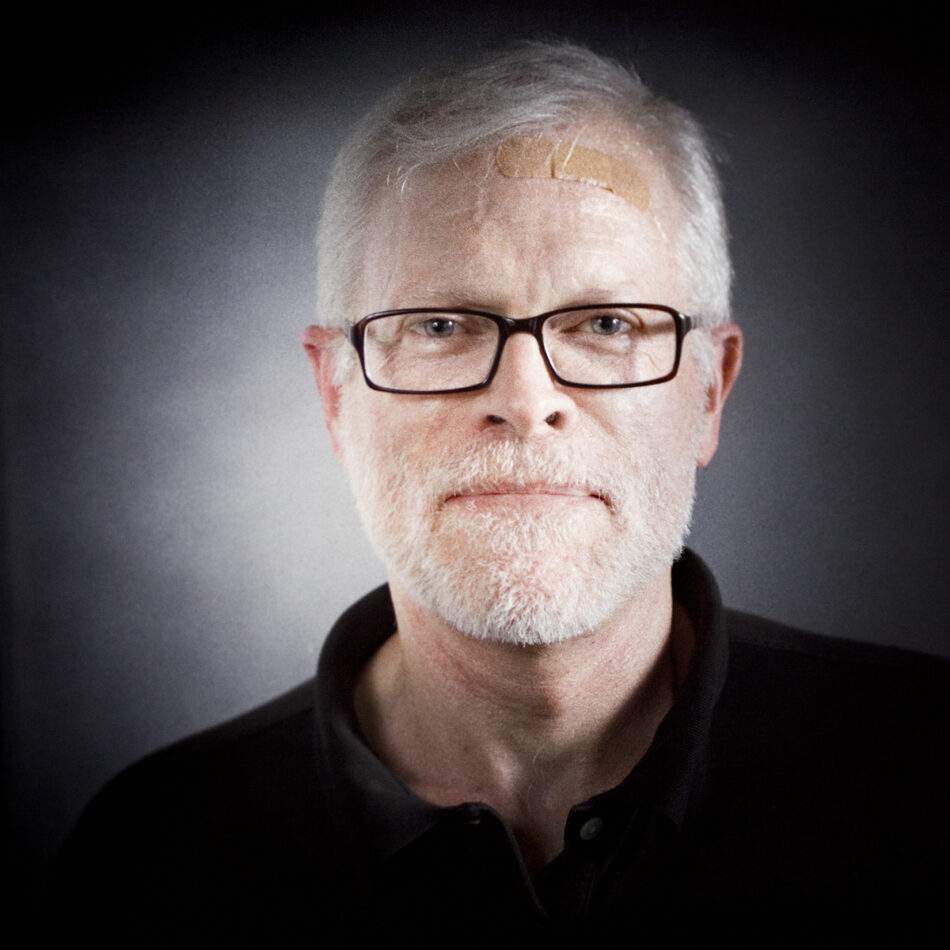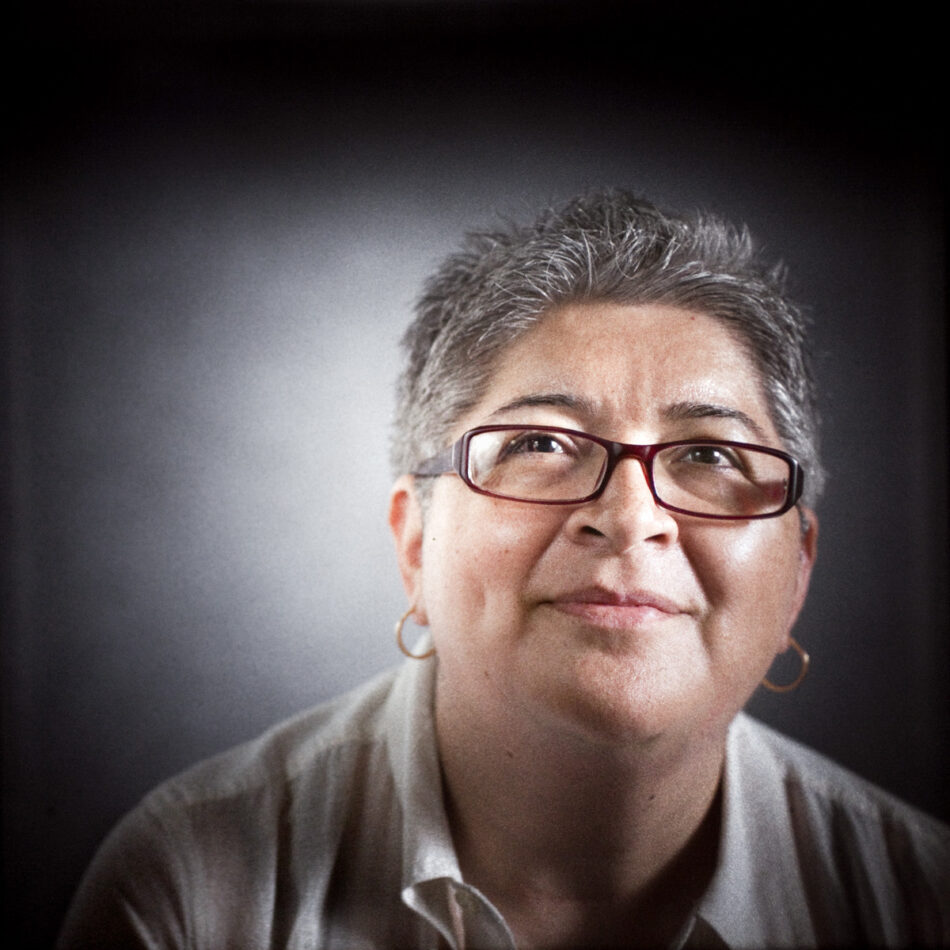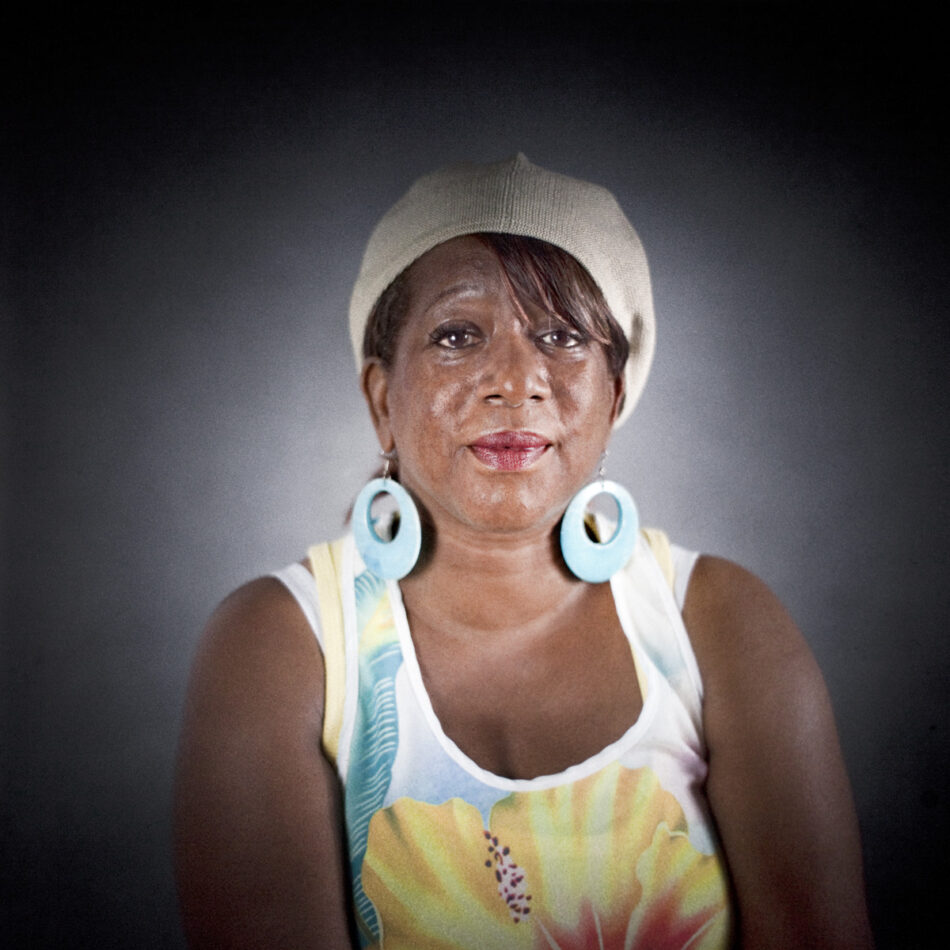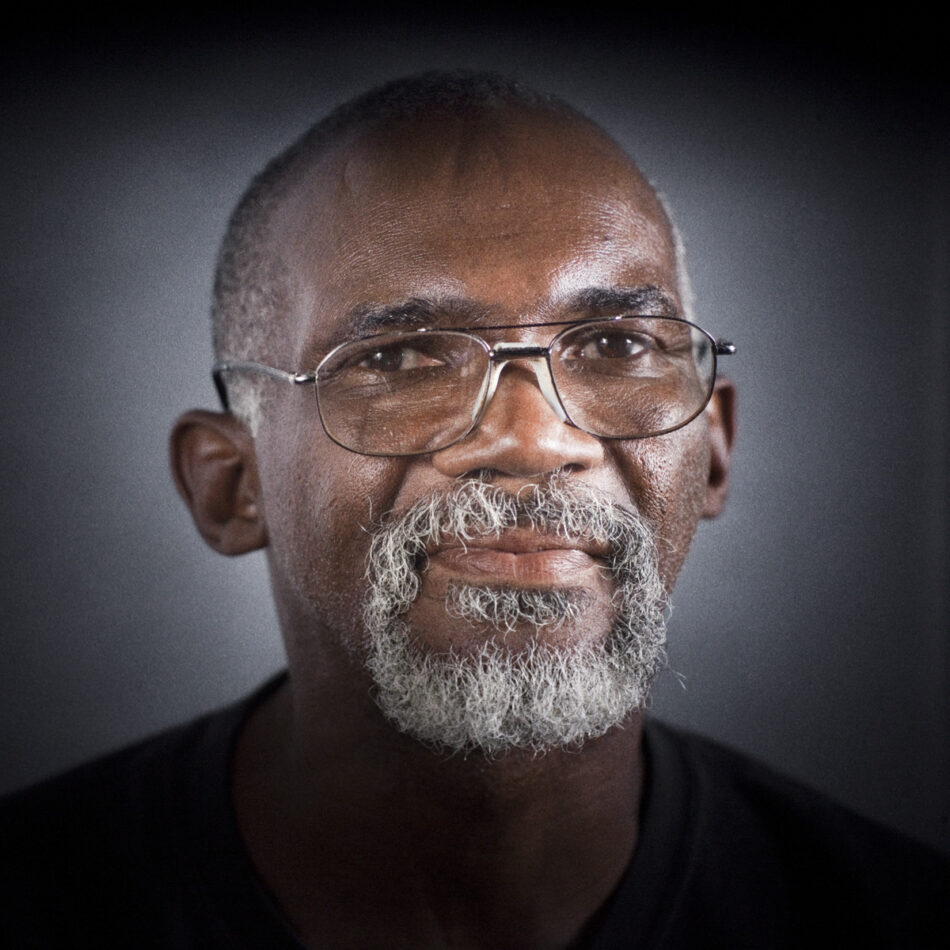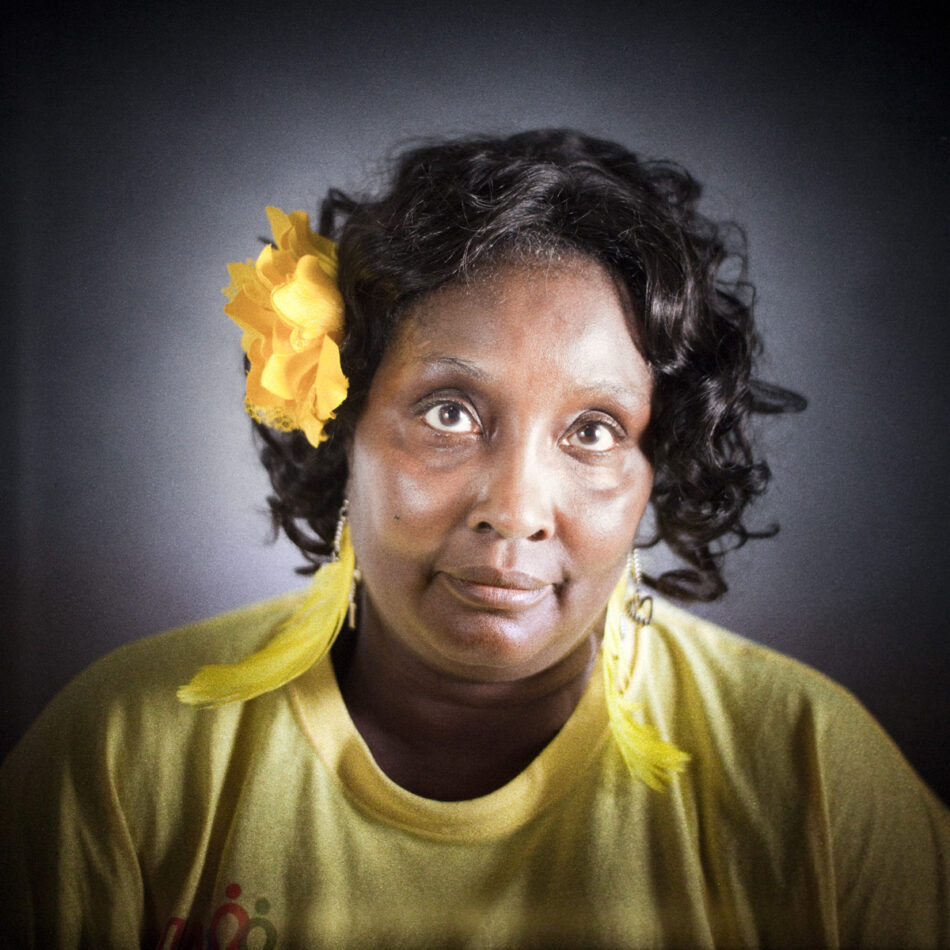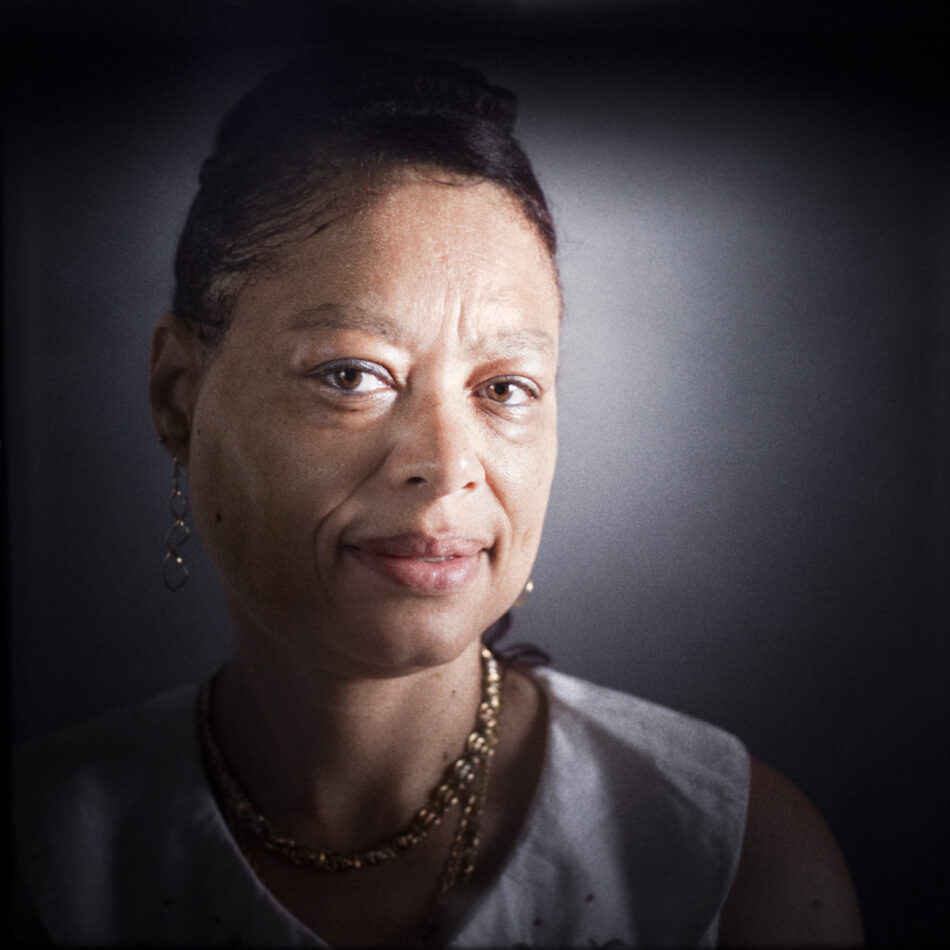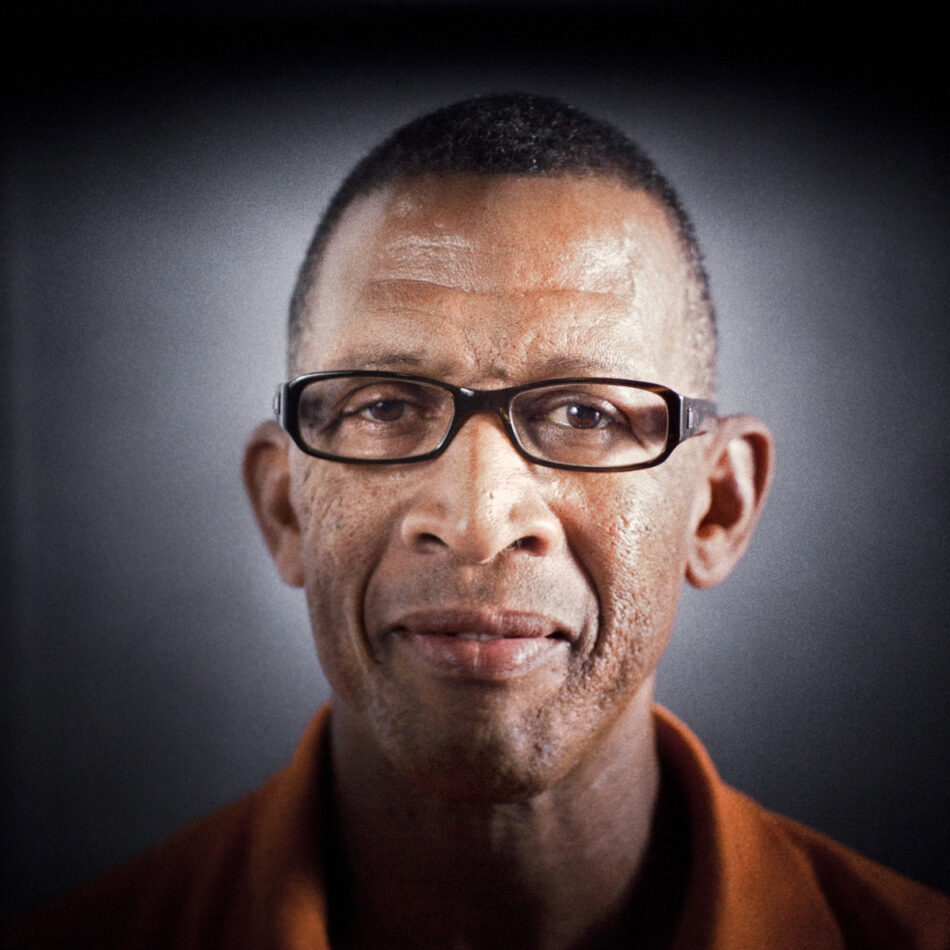
Aging in HIV Workshop, Barcelona (2018)
One of the goals of the Graying of AIDS project is to address care providers and clinicians, and to bridge […]

One of the goals of the Graying of AIDS project is to address care providers and clinicians, and to bridge […]
The Graying of AIDS is thrilled to present our work as part of the fourth annual Governors Island Art Fair, which
Magnum Photography Foundation’s Photography, Expanded SyposiumOne of the key challenges our project has been facing is how we can make
The Graying of AIDS partnered with national pharmacy chain Walgreens on their new Well Beyond HIV campaign, which highlights “people aging well
Is this project complete? Stories from an Aging Pandemic is a work-in-progress: some interviews are still being transcribed and edited,
The video portraits of Bill, Sue, Ronald, Richard and Robert, some of the earliest participants of the Graying of AIDS
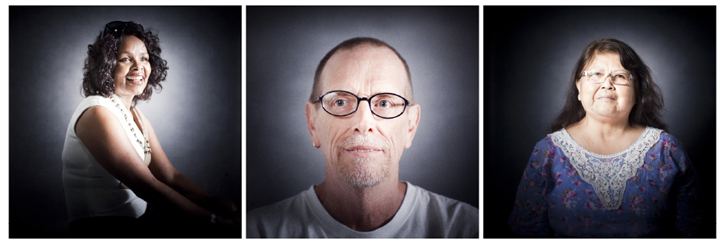
What does aging with HIV look like? Increased access to antiretroviral therapy is enabling people around the world to live with HIV into their 50s, 60s, and beyond, but we rarely see their faces or hear their stories in the media or popular culture. This collection of portraits and testimonies was produced during three participatory installations at the international AIDS conferences, AIDS2012, 2014, and 2016 …
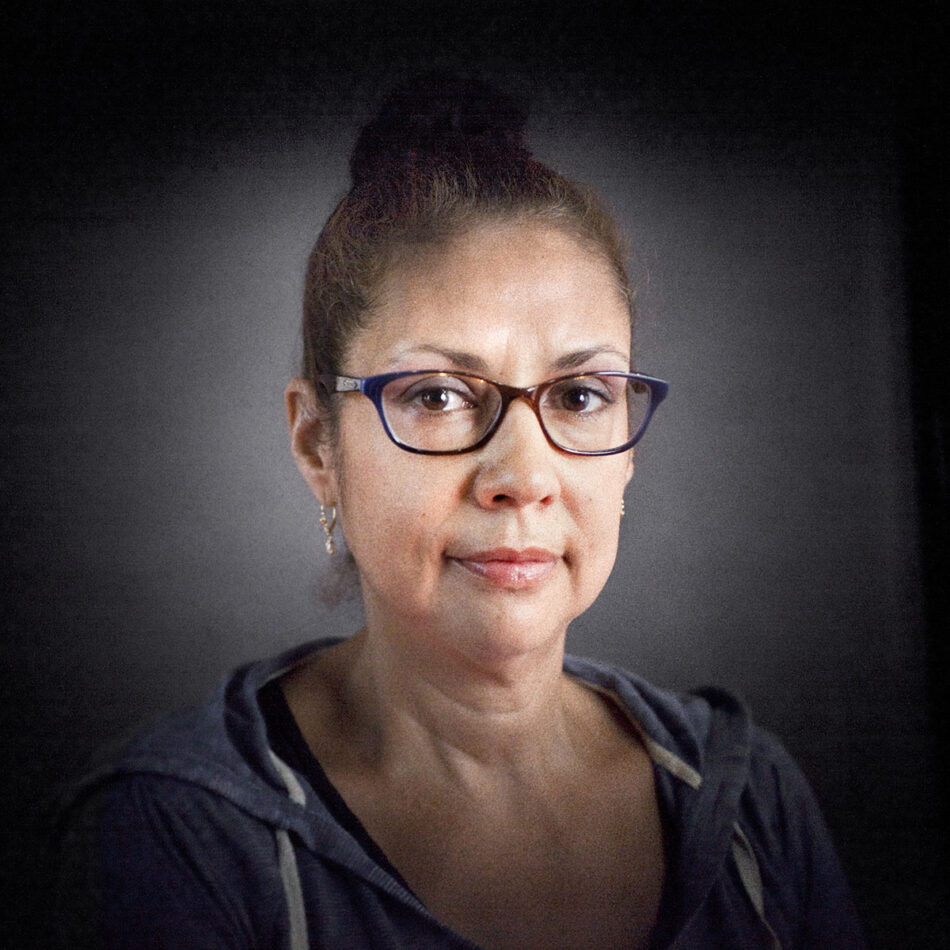
I guess I don’t even think about it too much anymore. In the first few years? Like, almost 24/7, it was something that was on my mind: am I gonna be around for my kids? …
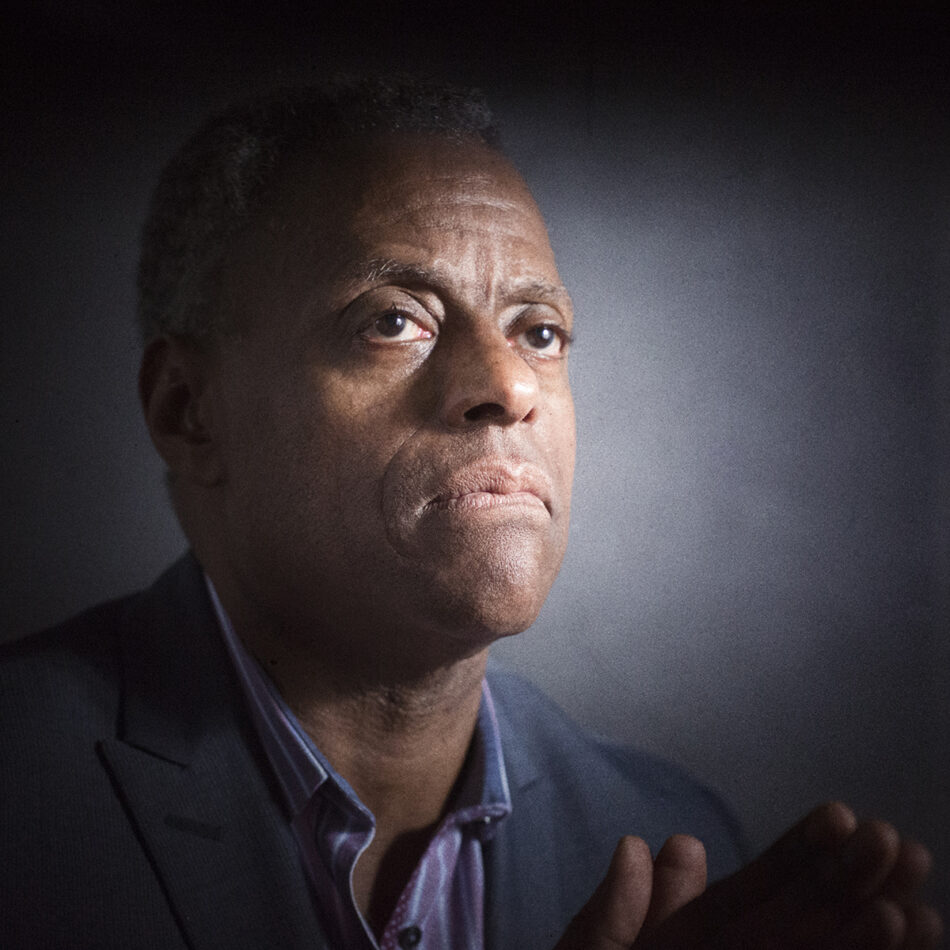
I was aware that I was likely positive. My late partner died of AIDS in 1985, and I am very certain that I had a transmission in about 1982 …
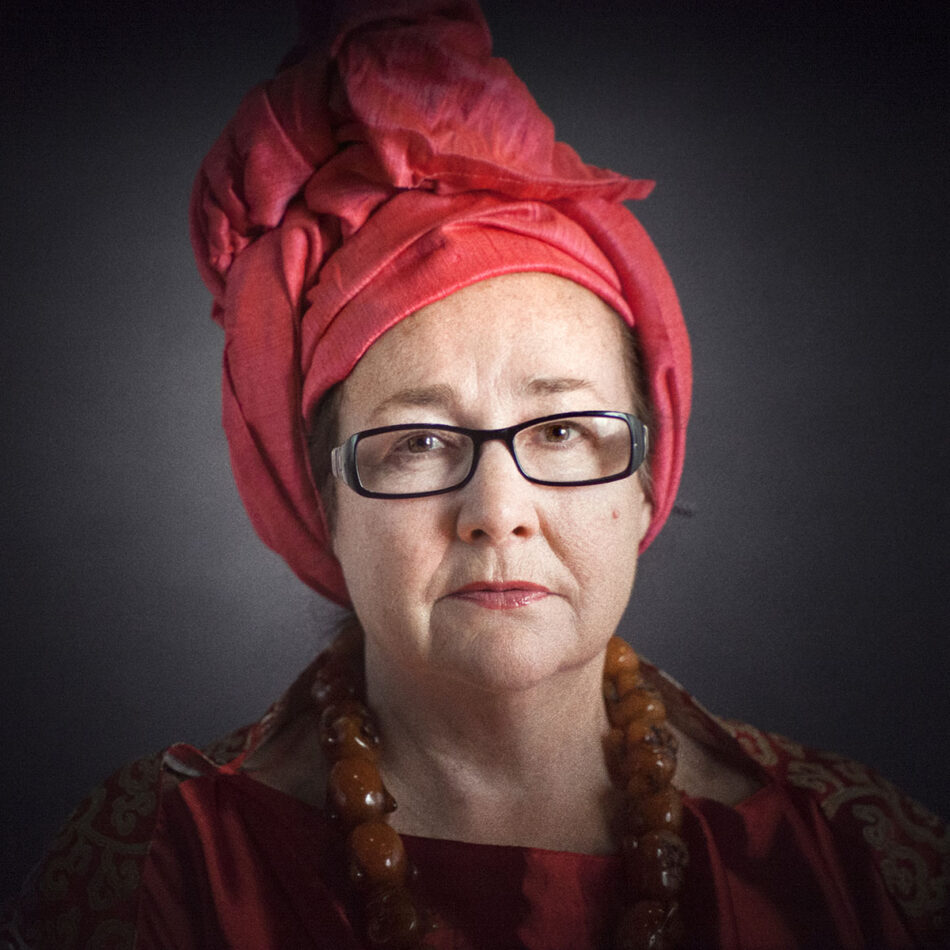
I first learned I was positive in 1994. I was unwell and went to a friend of mine who was my doctor as well, and he just threw every test at me …
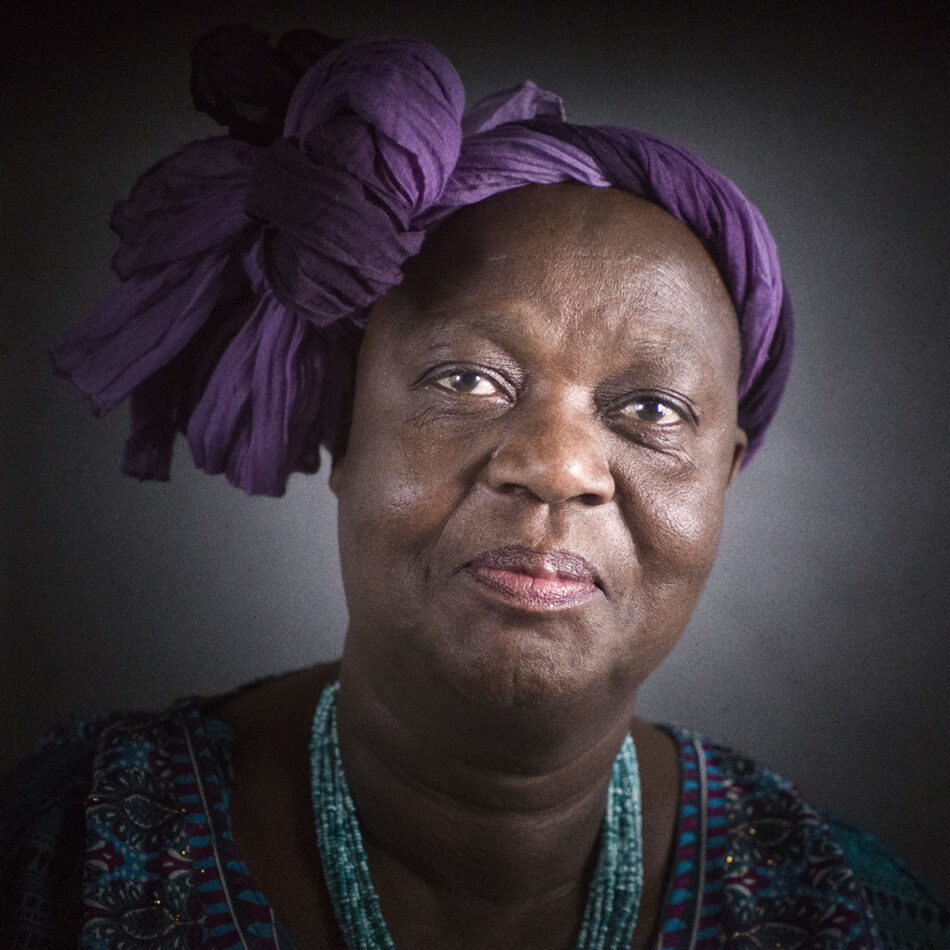
I was working with a family, and somebody had some kind of blisters that week. I was in Australia then. I was away from home, …
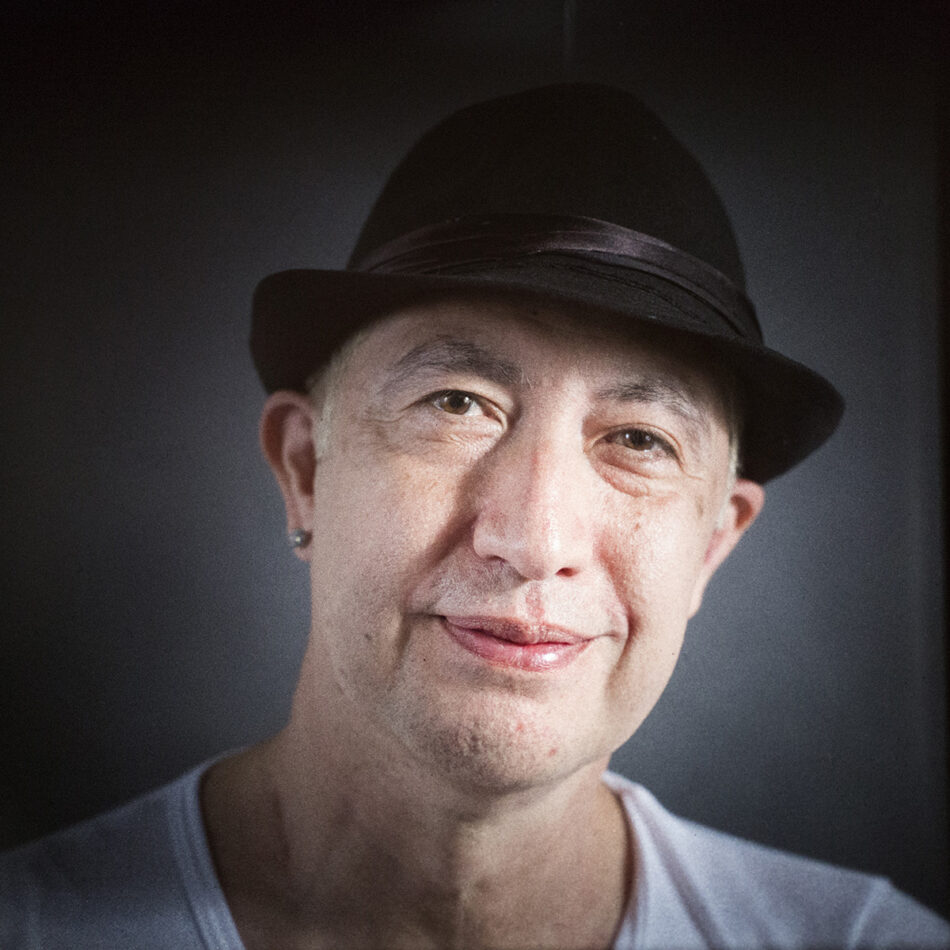
I arrived to USA in 1984. I knew what started to be in the news, everything about the gay cancer. Honestly I was not jumping from bed to bed …
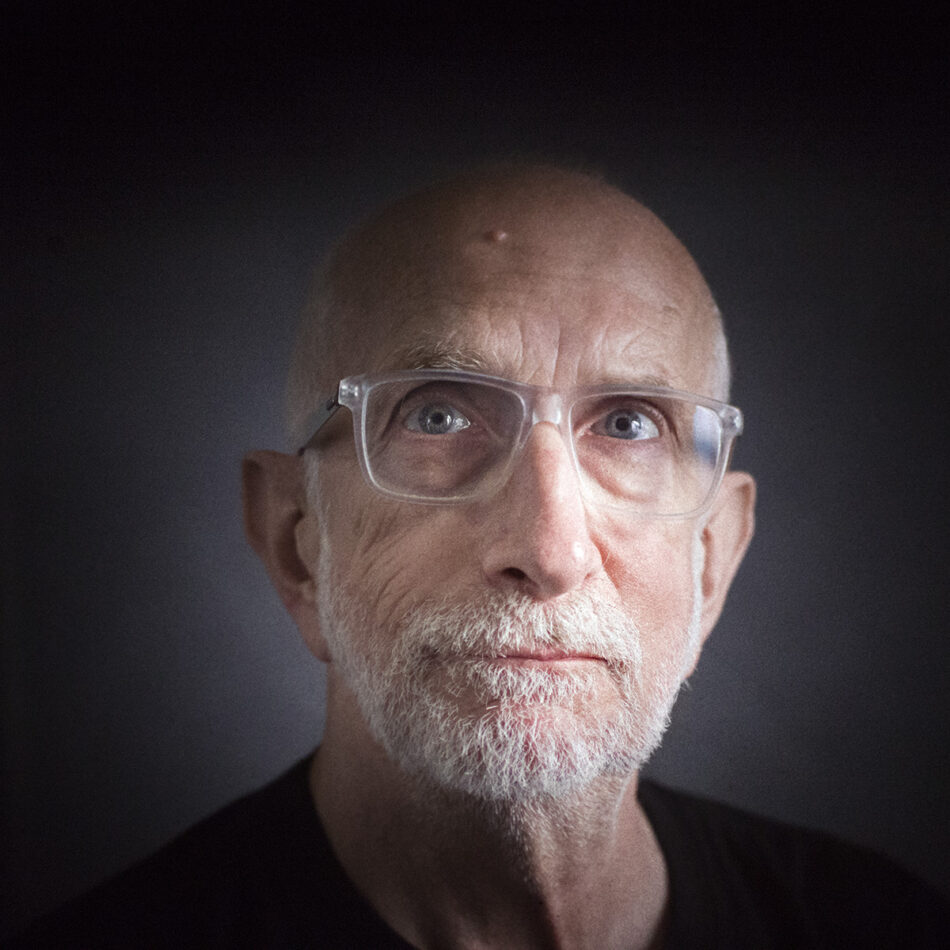
HIV is the kind of thing you can’t really understand until you experience it, because remember, in those days we’re talking about, it was a death sentence. And since then, …
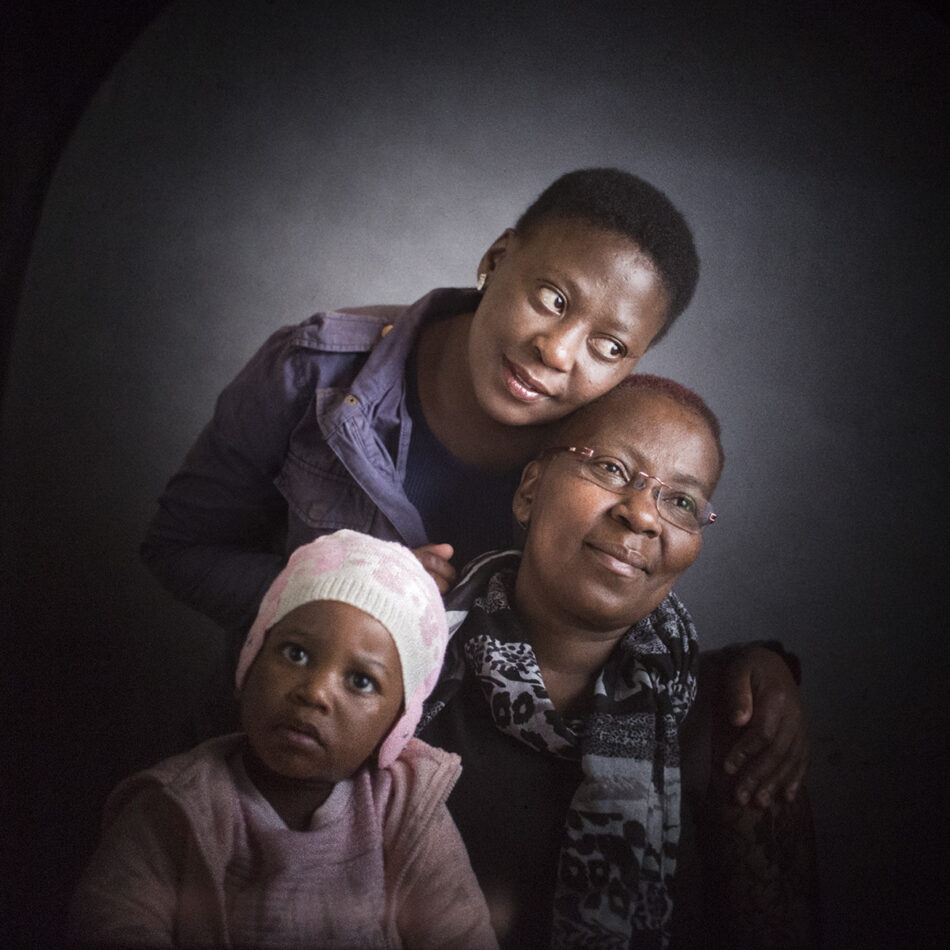
At least be there for the mothers! I always tell my daughter that she saw me struggling in front of her, bringing them up as a single parent. …
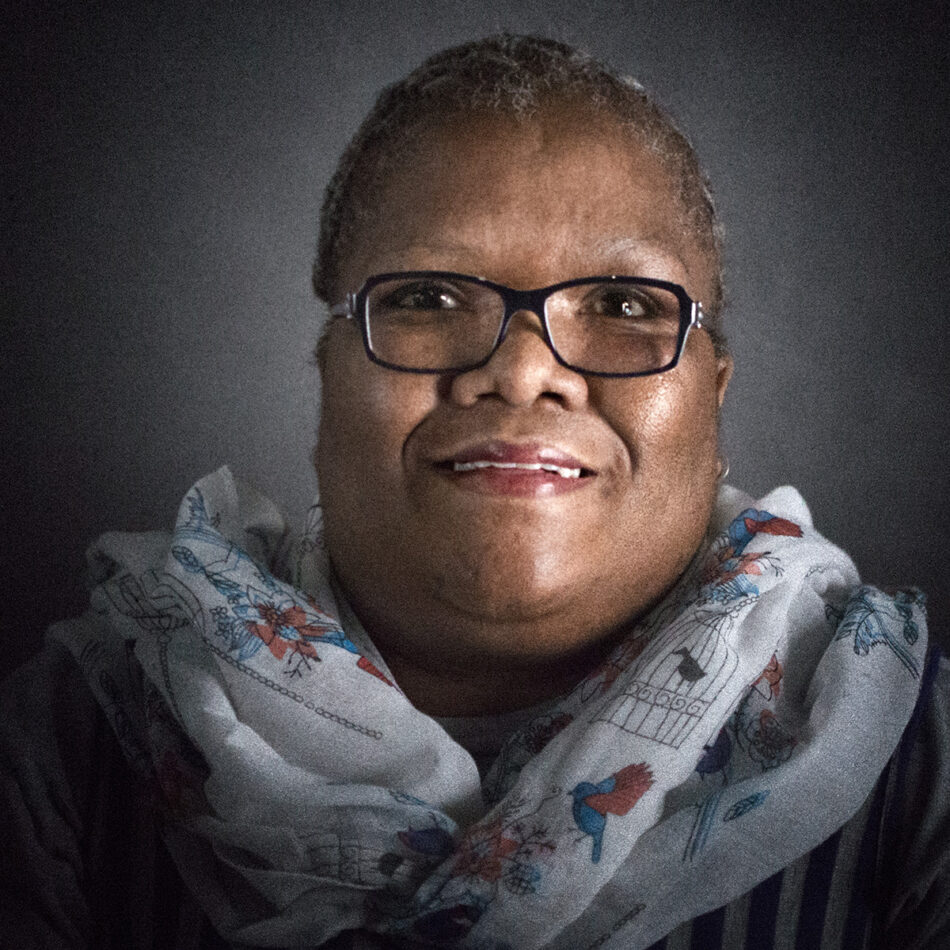
We need to remember that HIV is a justice issue. If we don’t deal with the structural injustices, people will continue being vulnerable to HIV …
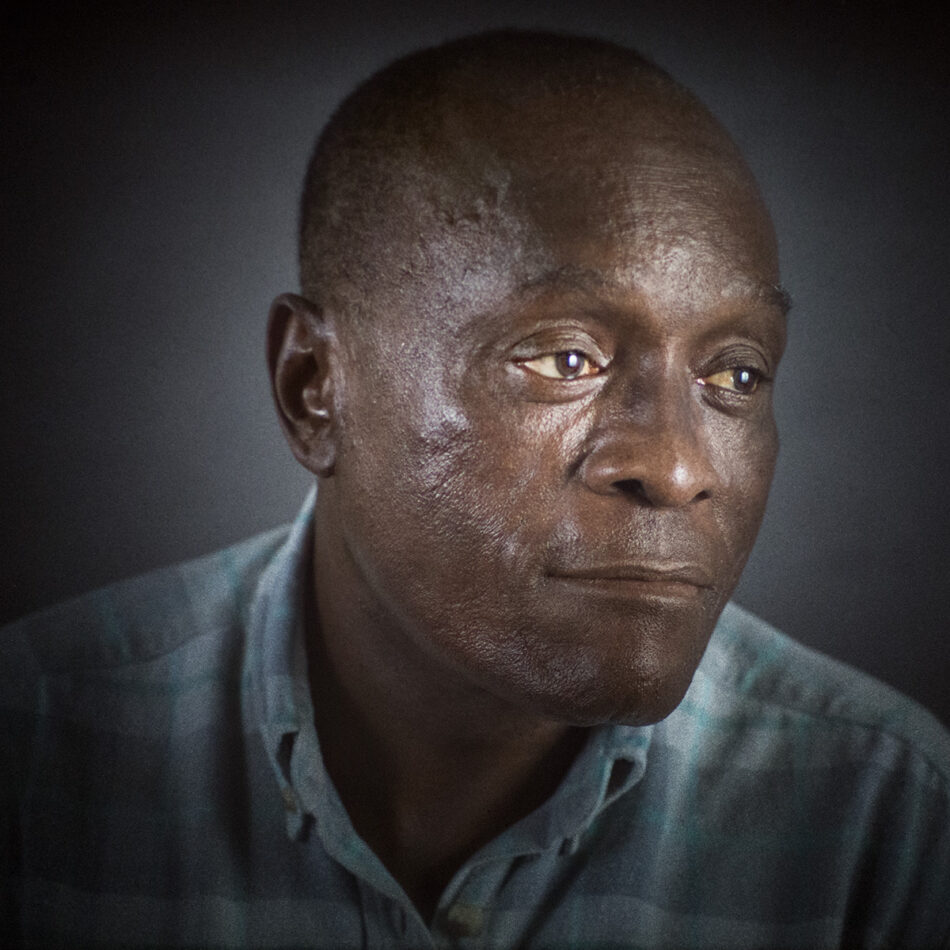
I remember it was about 15 years ago. I was constantly sick and I didn’t know what was wrong with me. When I was hospitalized for the last time, …

Originally I was from Scotland. I’ve been in South Africa now for 36 years. I think I befriended my little virus in South Africa – that’s 30 years ago. …
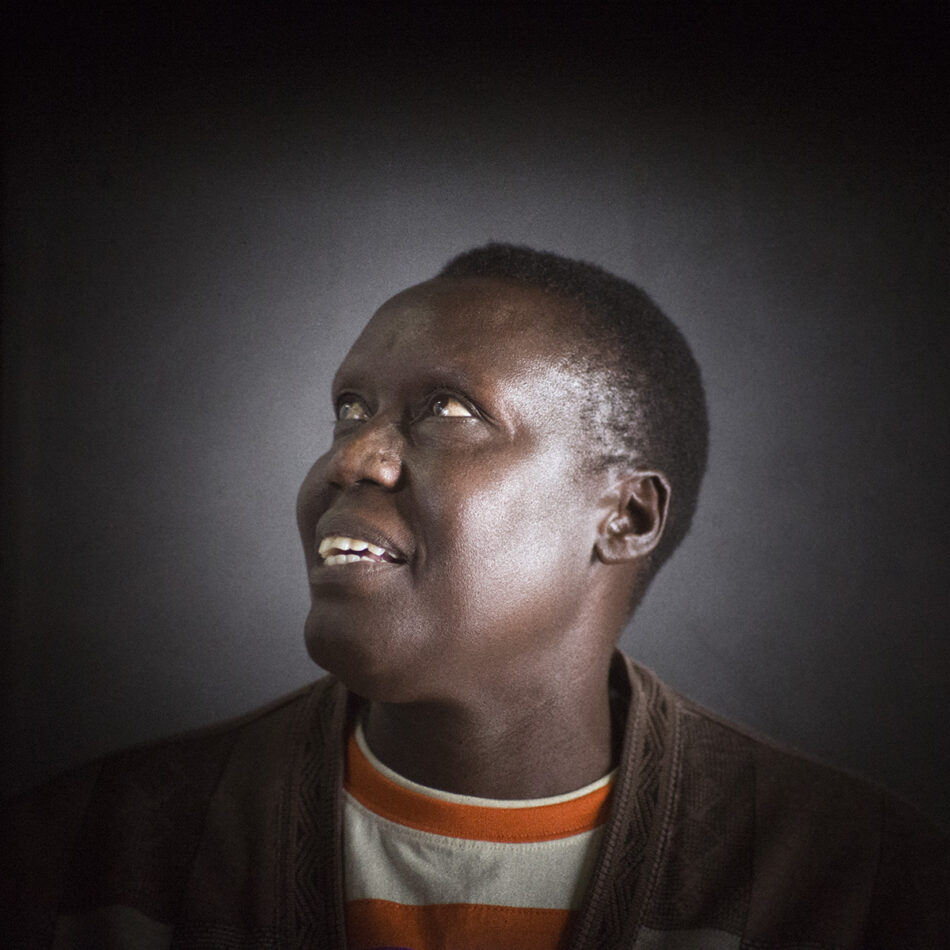
For a long time, I have been working with the media. I have been writing my stories, and that’s how I’ve been getting support. …
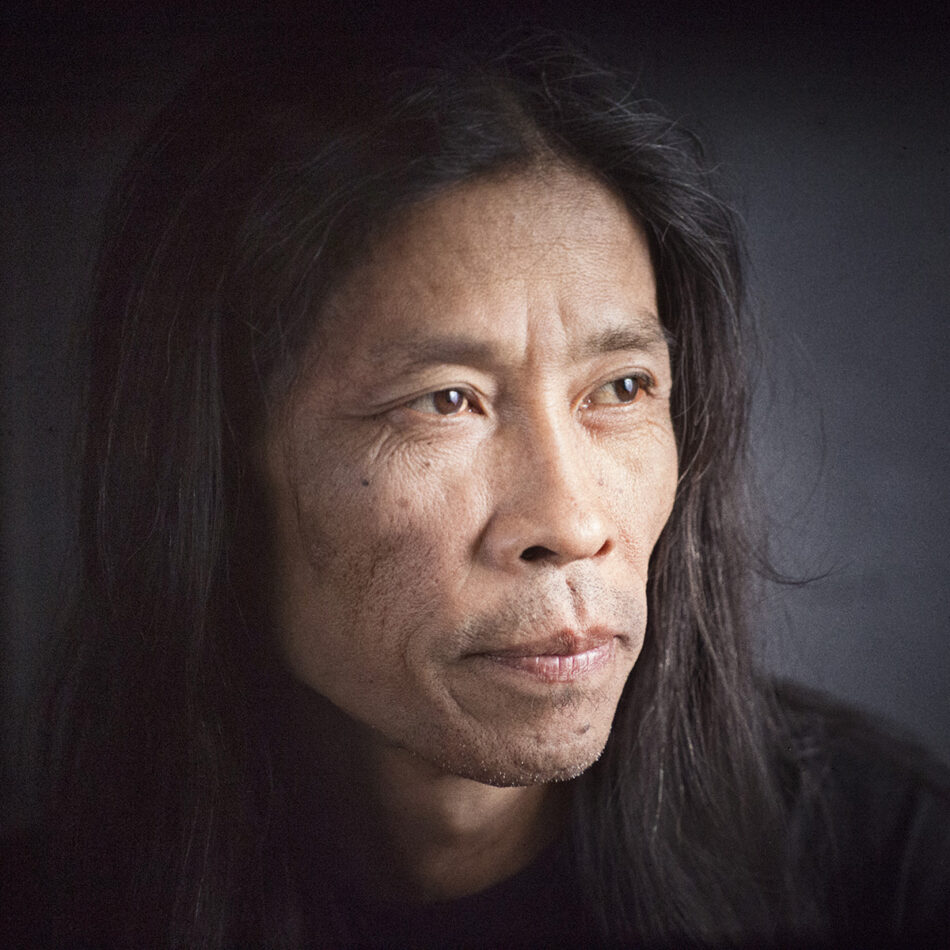
From 1983 to 1997, I am fully on heroin in between lots of rehab and lots of jail and lots of anything. From 1997 to about five, six, seven years, I’m totally on abstinence. …
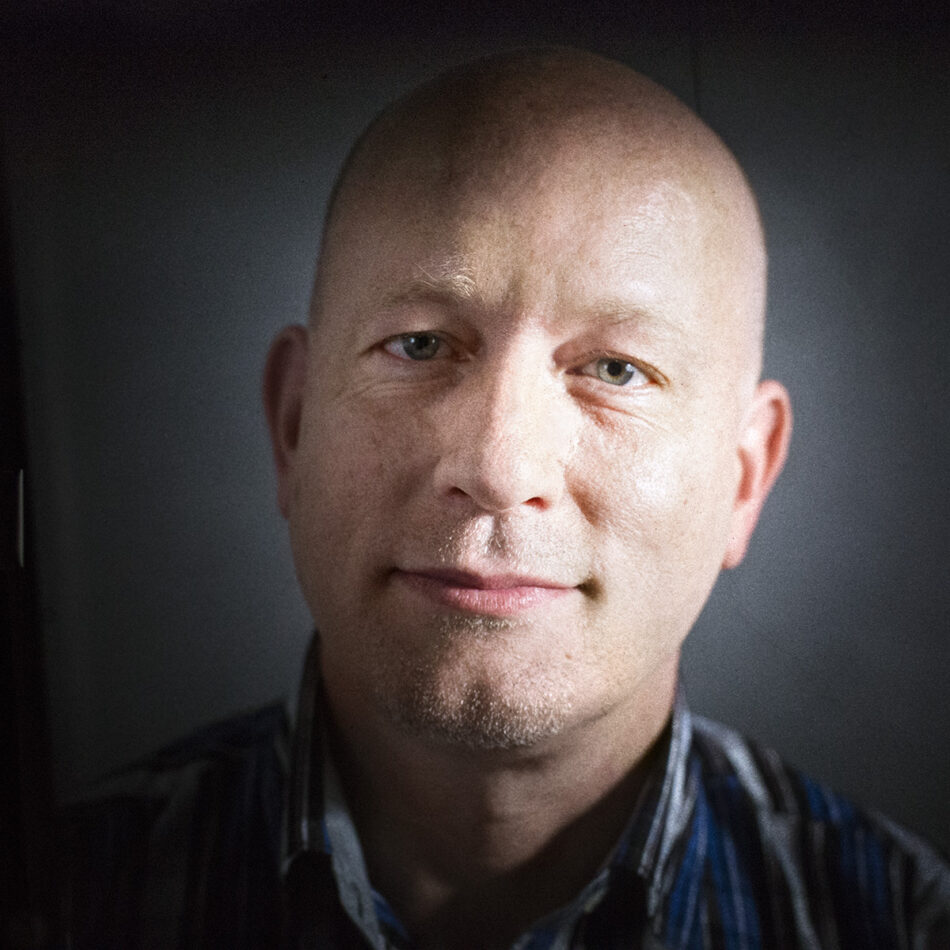
I was a closeted gay man working in international development. I had been a Peace Corps volunteer and was going to school for public health, …
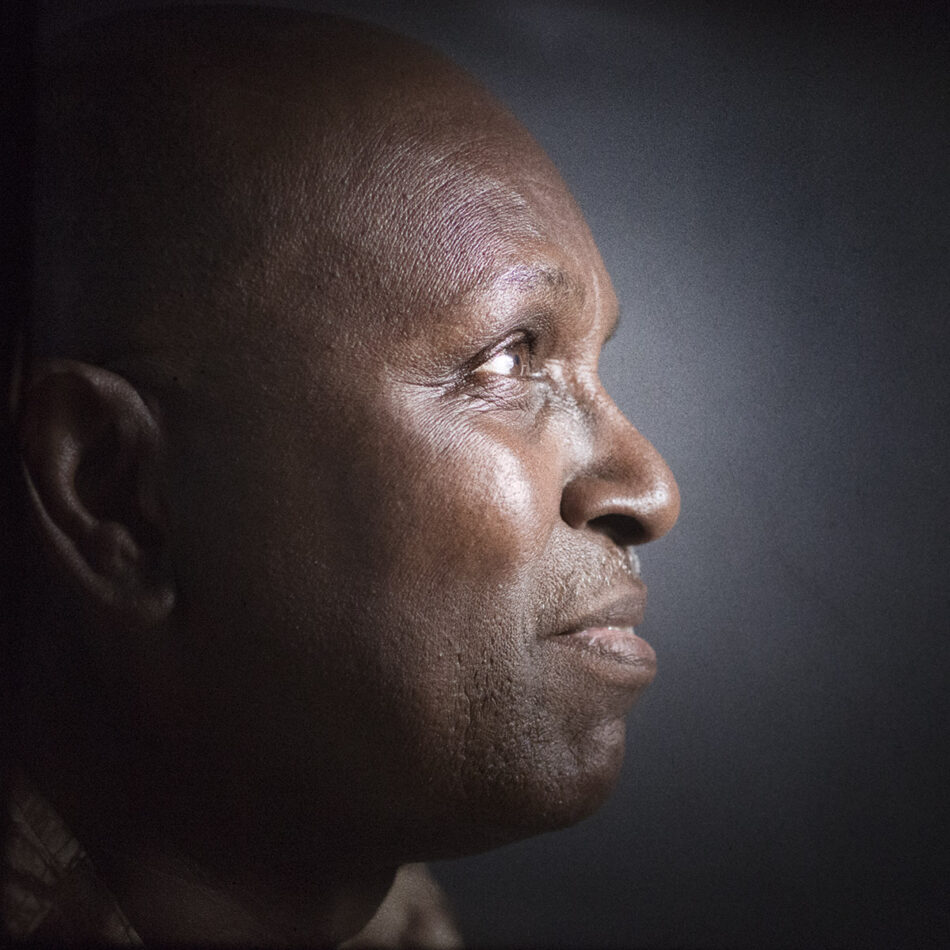
I was suicidal when I was thirteen. Because I was gay, or “sissy” as they used to say in those days. I was actually planning how I was gonna …
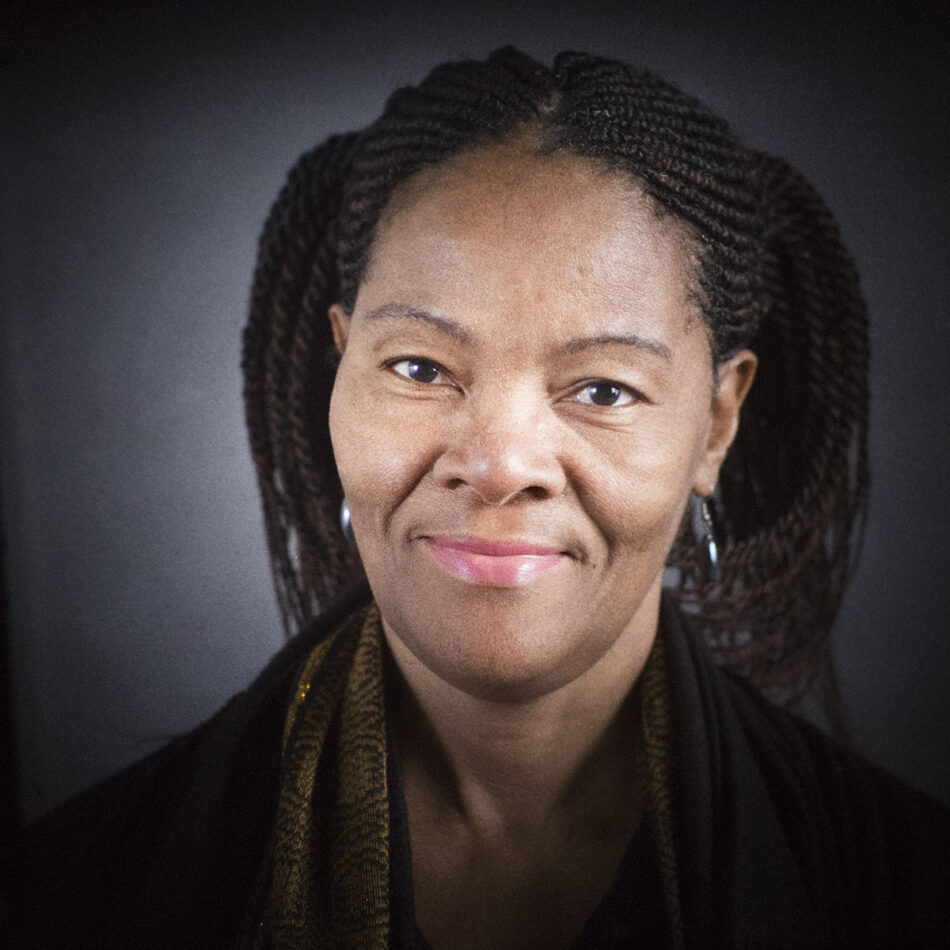
I actually don’t do “My Story.” I don’t do testimonies. People like other people’s business, so it’s not what I do. It’s about the issues. …
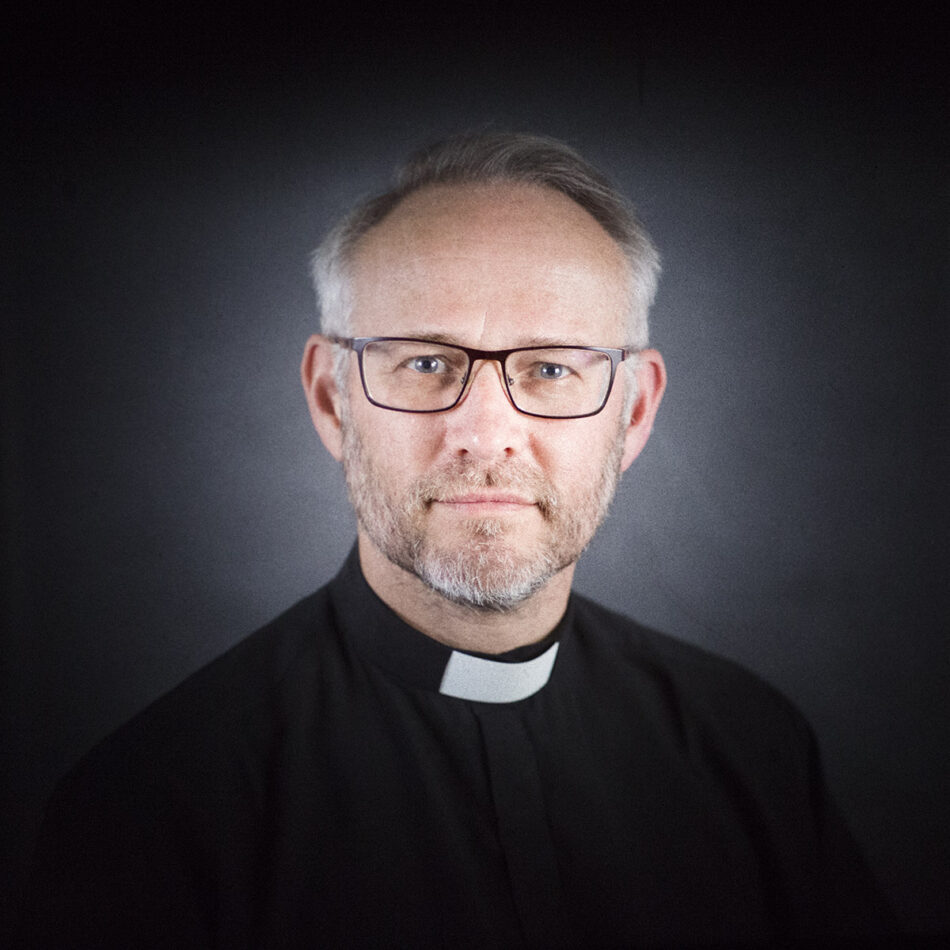
My partner at the time was having problems with his eyes. I had been speaking to him for some time about getting tested together. I said …
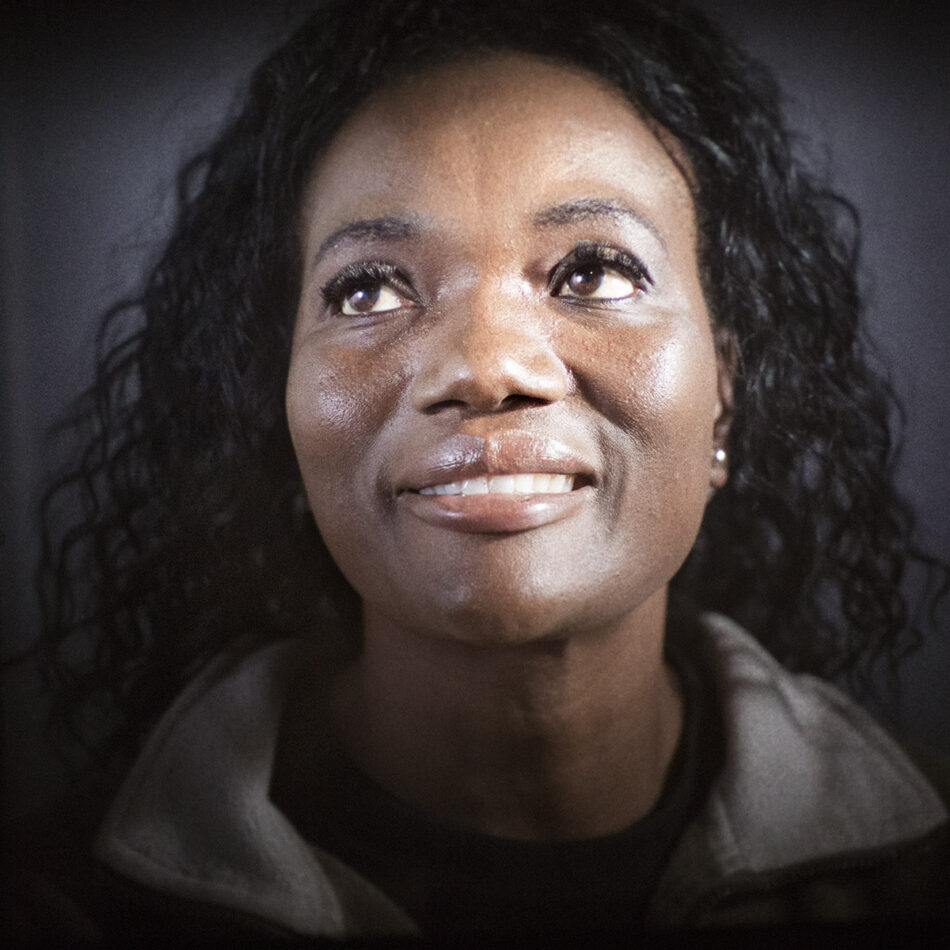
I was a model, I ran the largest modeling agency in Zimbabwe. And I looked the part. Coming from high society, it was rare to find people …
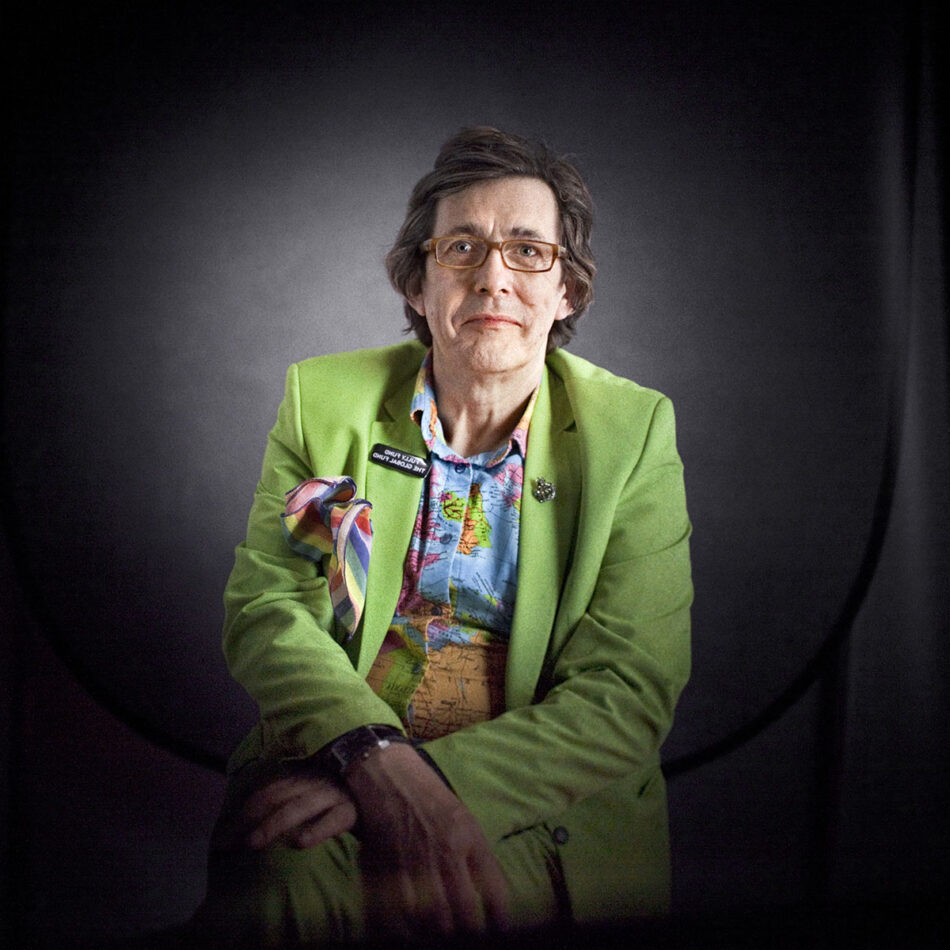
I’m the typical “helper.” Actually that’s really good therapy, it makes you reflect upon yourself. I was an activist in the ‘70s, in gay liberation, …
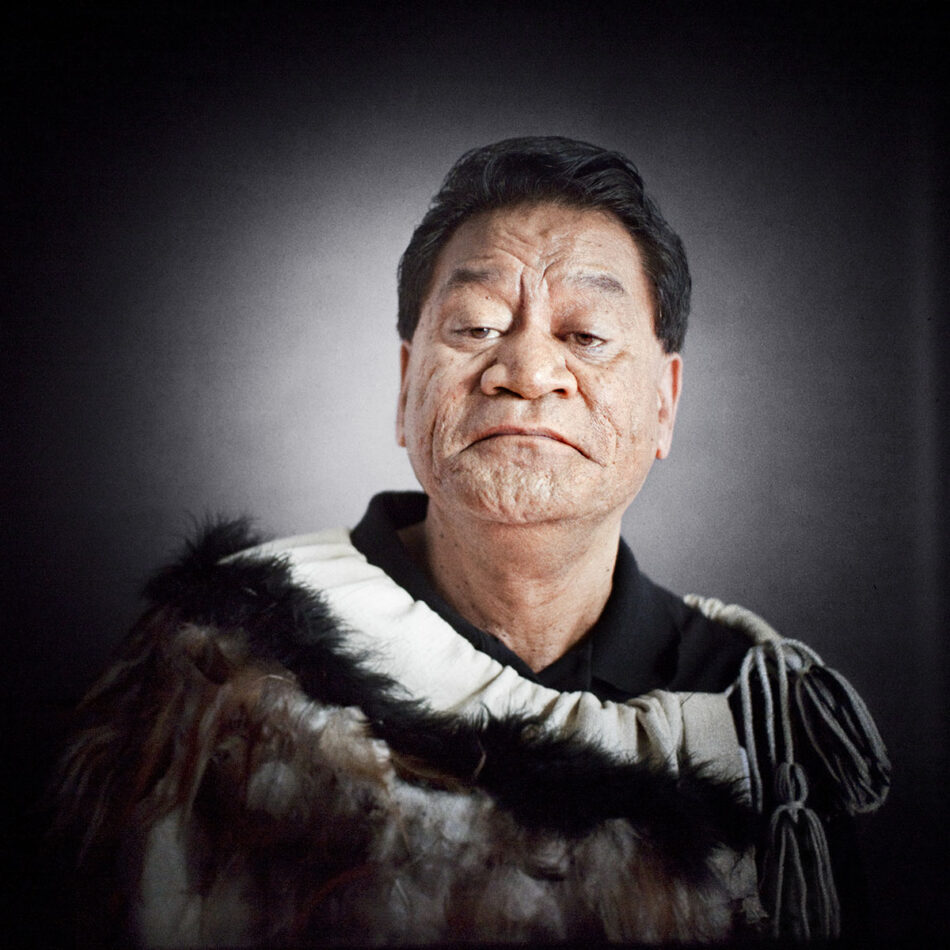
People were just dying in ’83 and ’84. All my friends were dying around me, and then a very good friend of mine was diagnosed with it in ’84. …
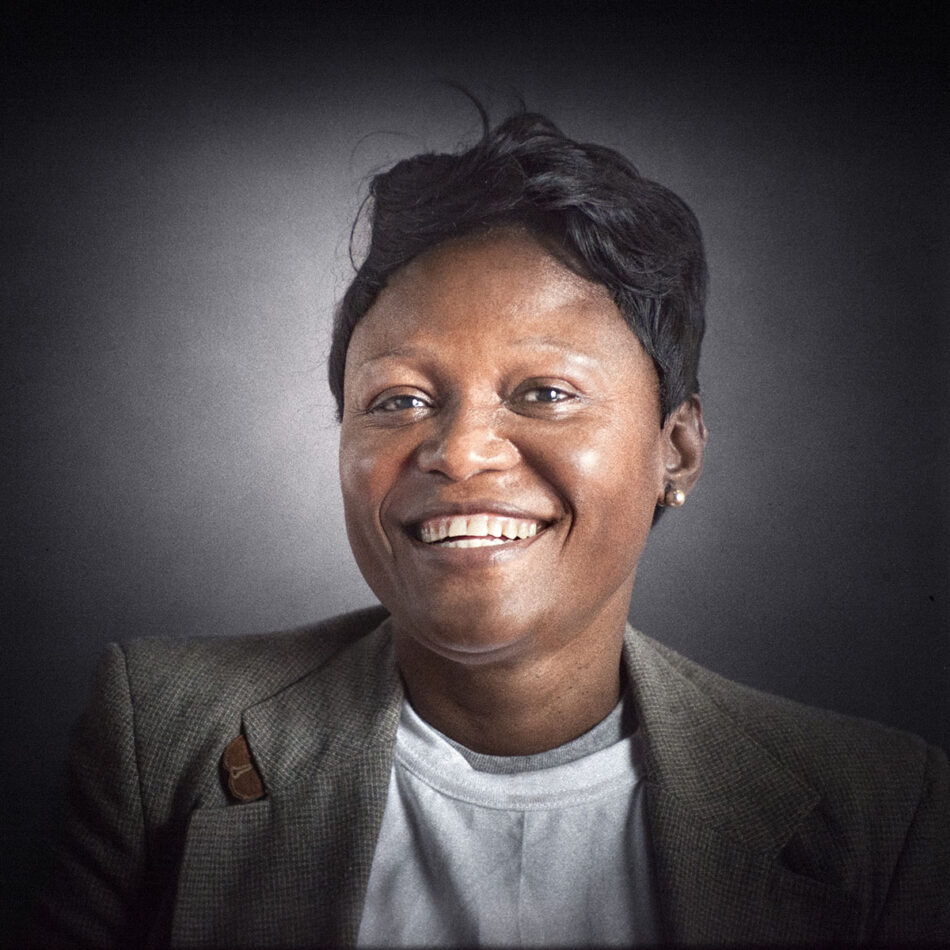
I discovered my status after I gave birth, in 1997. I was sick and I went to see a doctor at the hospital. I asked for a checkup and they told me …
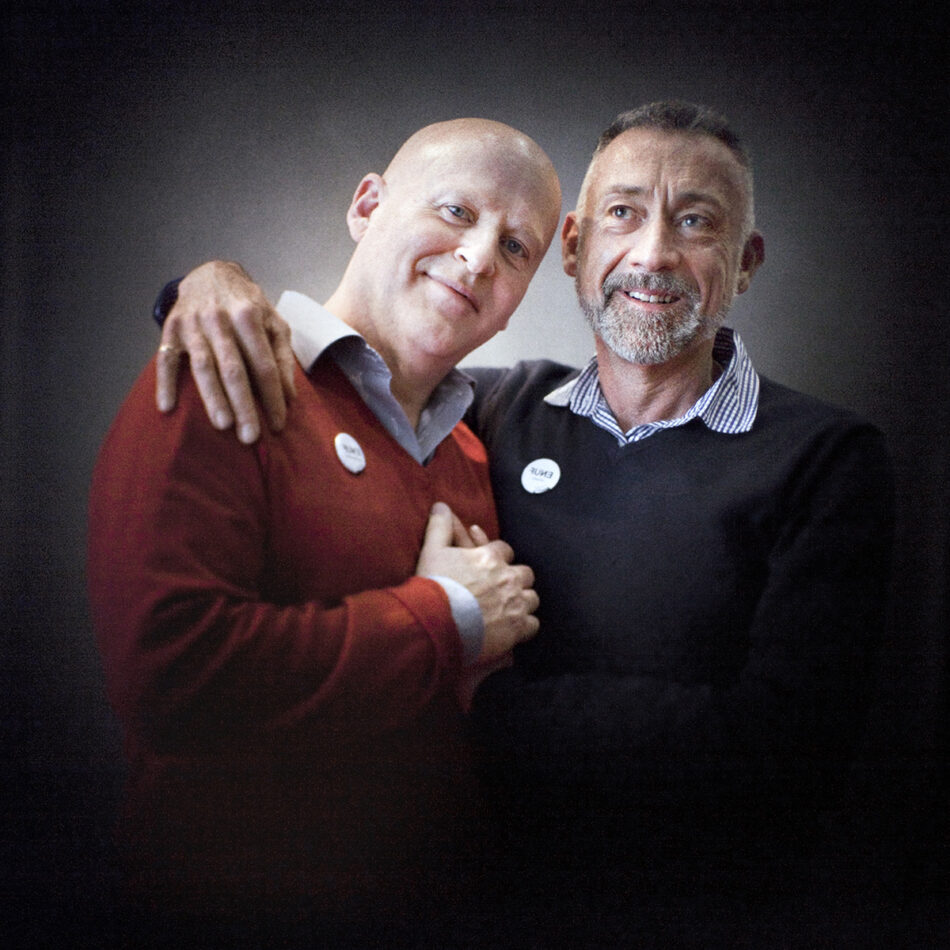
Neale: I met this man while we were conversing online. It was really a meeting of minds on a whole lot of levels. I could sense that he was …

January 14th, 2015
Happy New Year! 2015 is already off to an exciting start for The Graying of AIDS: we’re happy to announce a recent partnership with national pharmacy chain Walgreens on their new Well Beyond HIV campaign, which highlights “people aging well beyond their HIV diagnosis” …
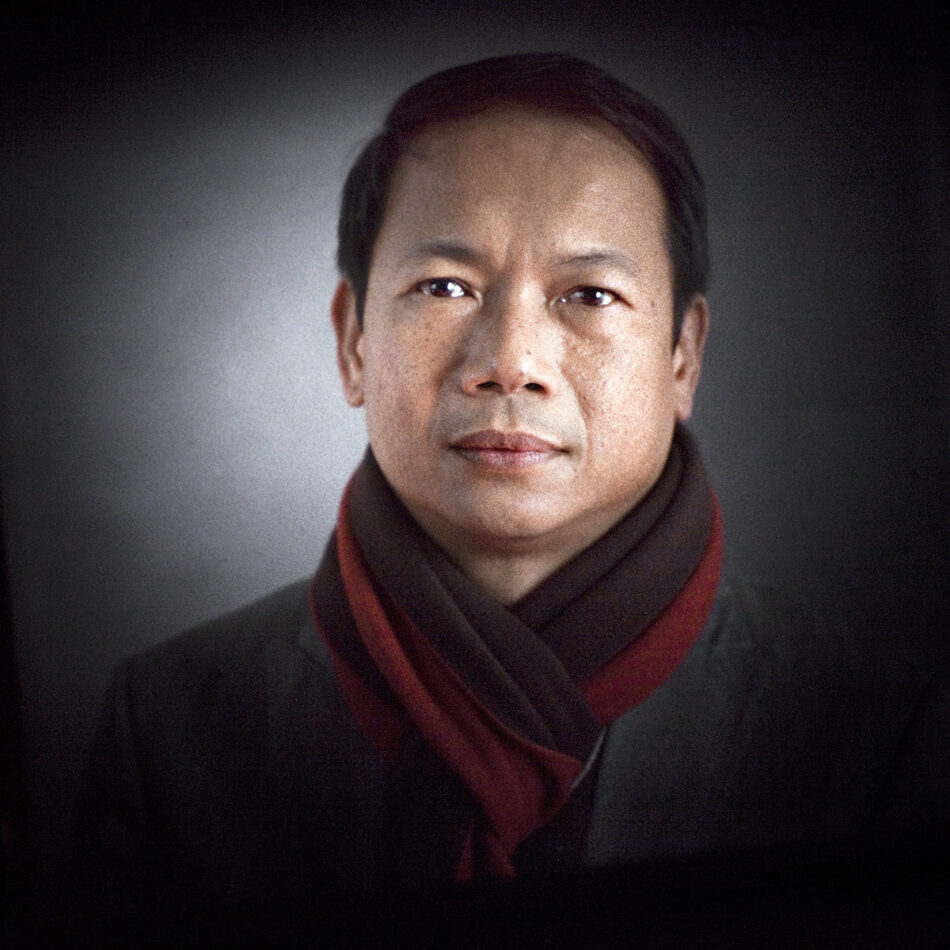
I think that my story is personal, it’s unique, and it is not tragic. And, I think it’s something that is probably a little bit different from other people’s …
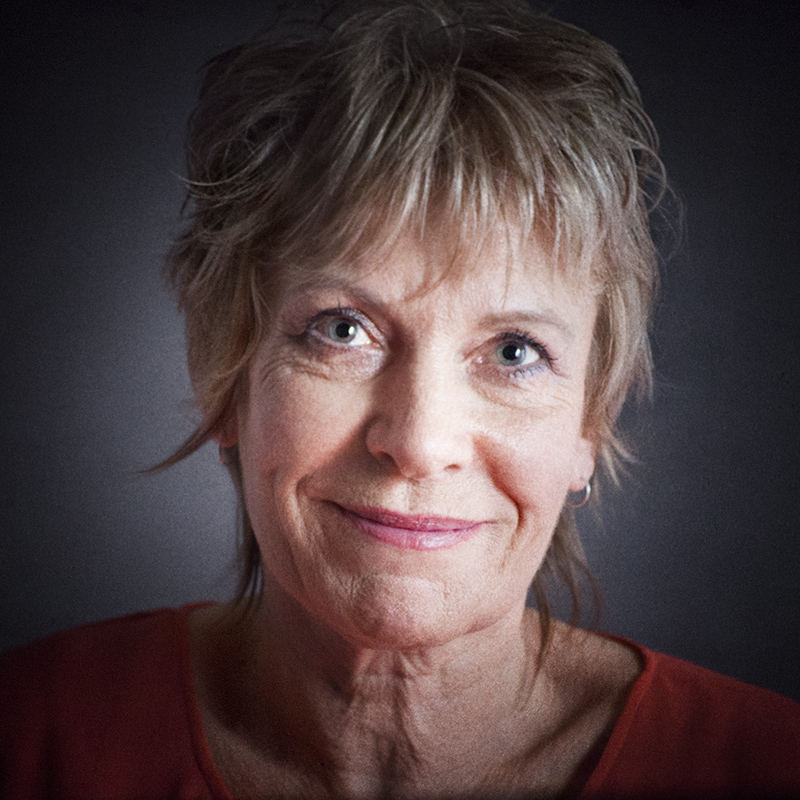
Sometimes, I allow myself to have a wallow day. But it doesn’t happen much now. It used to happen. I cried a lot in the first years. …
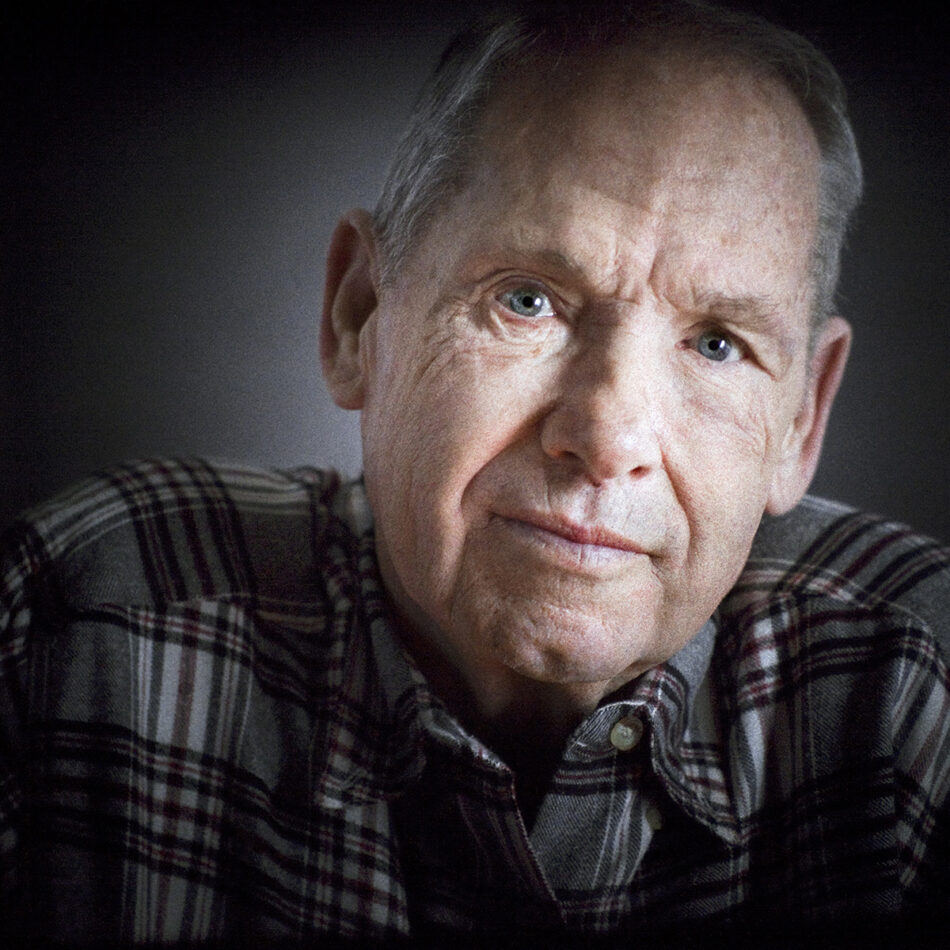
We got kicked out of our church. We got kicked out of our small group. The pastor was in visiting me when the doctor told me, and he told his wife. And so we ended up having to leave …
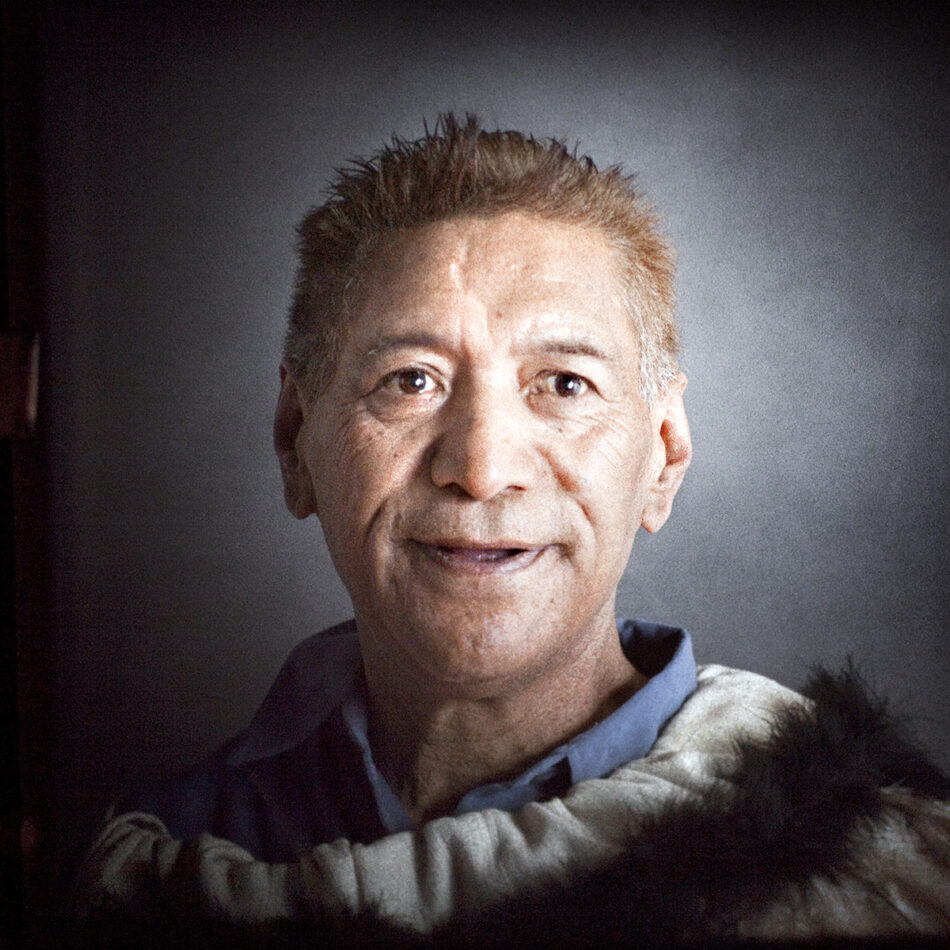
I was diagnosed in September 2010. I’ve only had it 4 years. It couldn’t have been much earlier than that. Because I was in a relationship, …

I first learned that I was HIV-positive in a letter from a doctor. I’d been working in a little hospital in rural Africa, but I had to go …
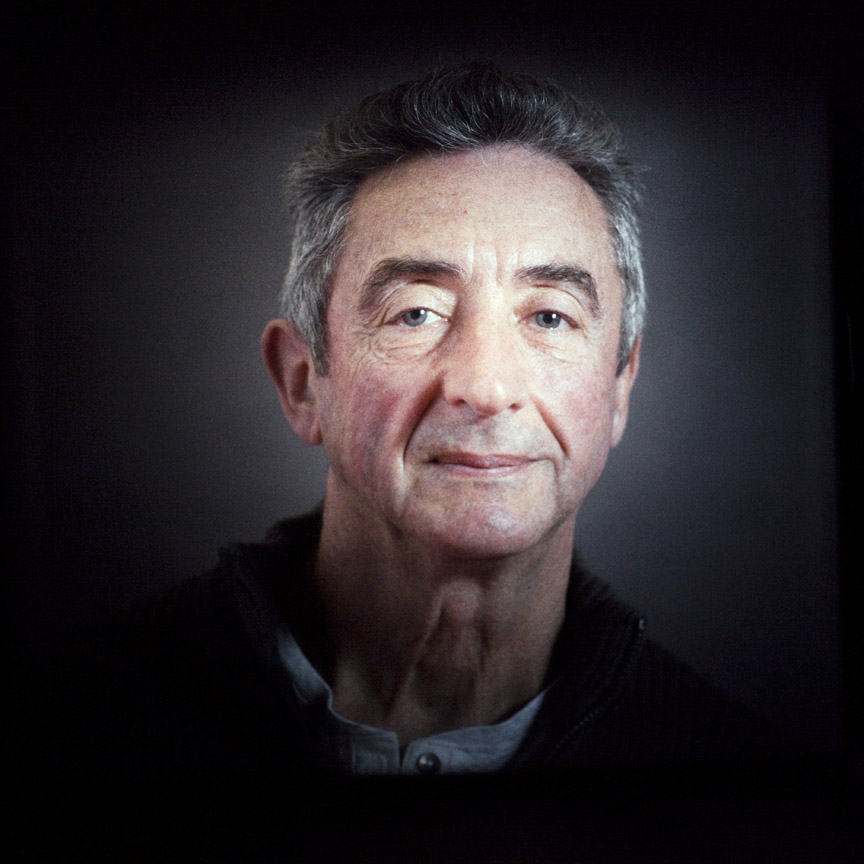
I didn’t come out. I didn’t tell anyone. No one knew for 10 years. And I think that’s what helped me. You see, on that day I was told …
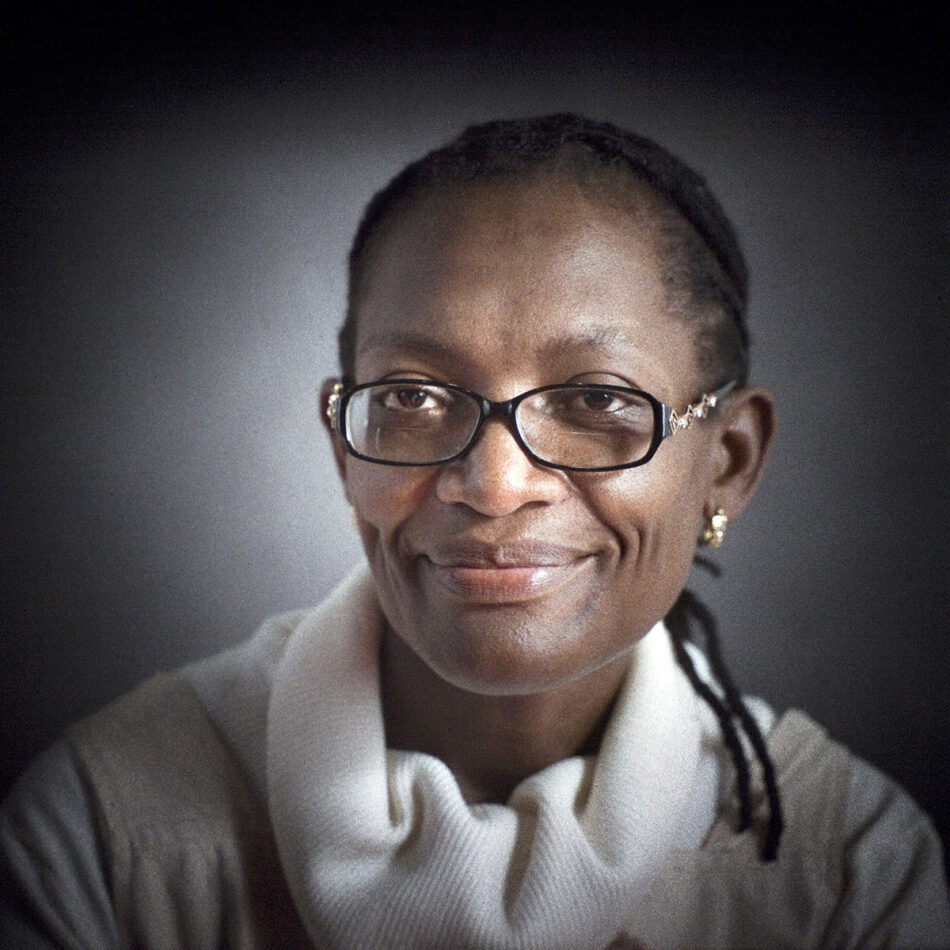
Despite the health personnel saying that, “You isolate her,” my sister was there for me. My mother was there. Would sleep in the same room. My sister would be next to me …
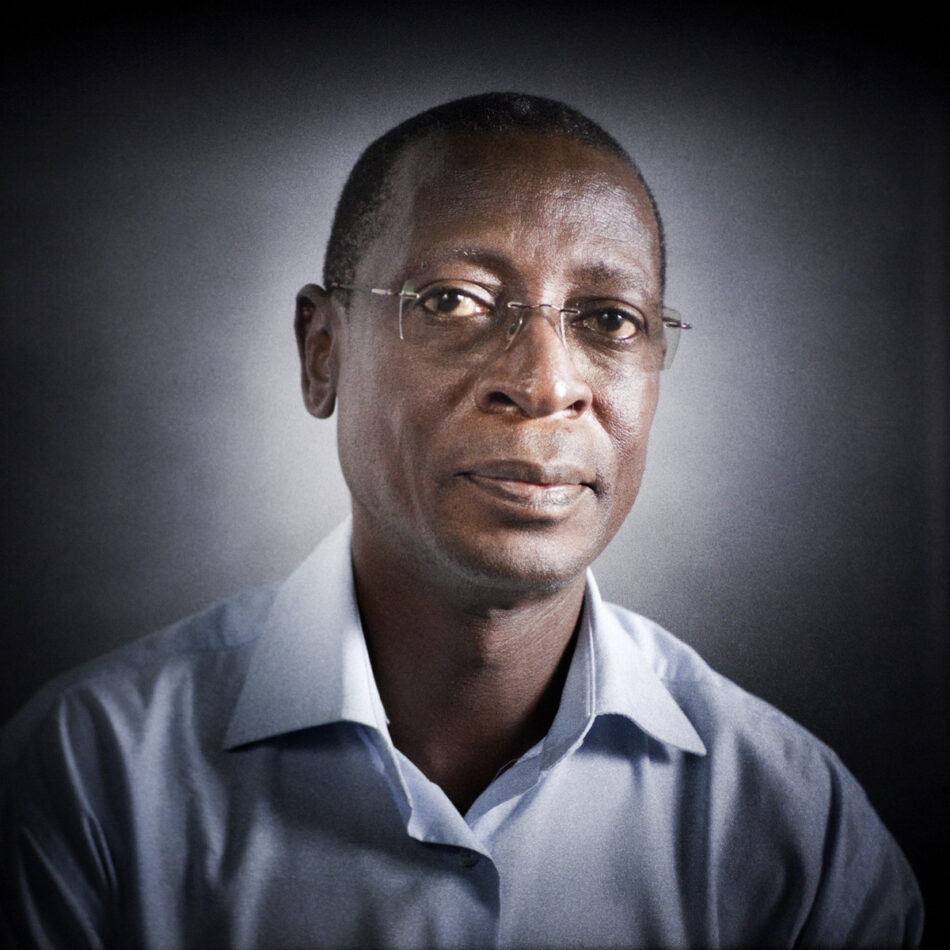
When I started working in 1984 as a doctor, I saw so many people whom I now know had AIDS, but we were never trained – it was not there …

I told my family, and I do not have a full knowledge about HIV/AIDS, but I tell them I’m HIV-positive. The same day I’ve been kicked out by the family. And all my friends get away …
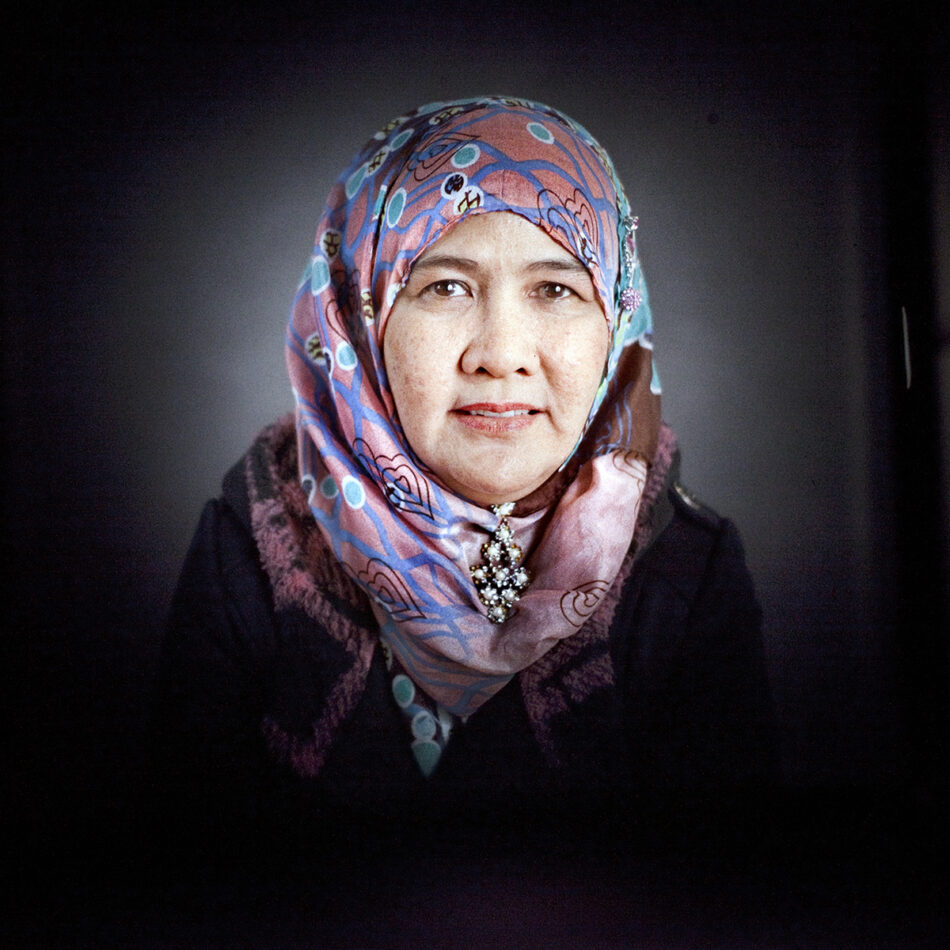
In year 2003 I already need to be on medications, but at that particle of time, that we need to pay about 1,000 ringget Malaysia, and my salary is …
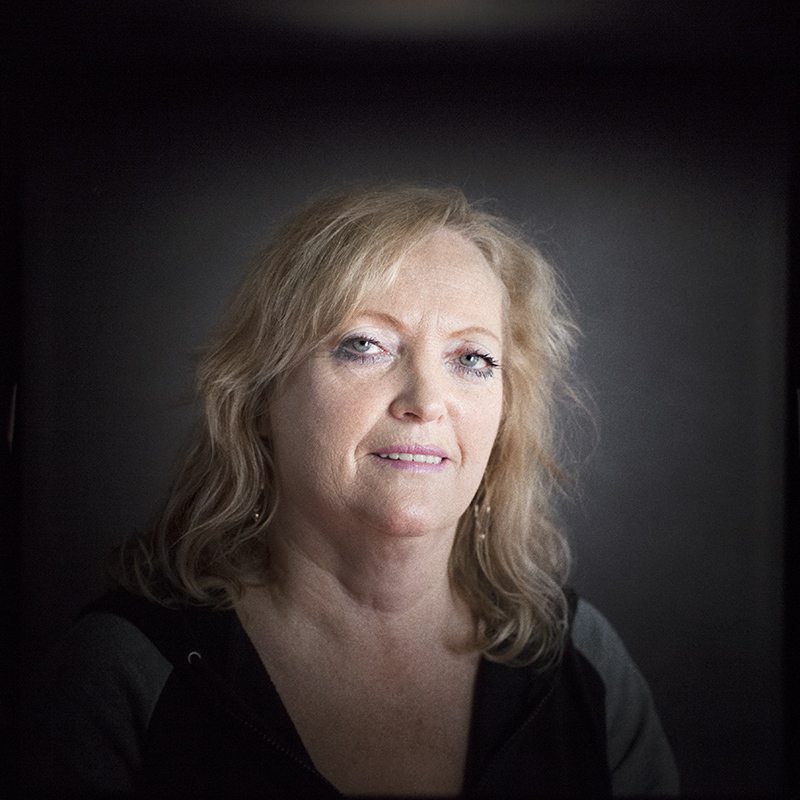
I always wanted a big family, you know – four to six children. My career was in childcare. I found out that I was positive and pregnant …

I’ve really had a lot of AIDS-defining illnesses in the ‘90s, some of which I’ve lived with since. I’ve developed diabetes, and, as a consequence, …
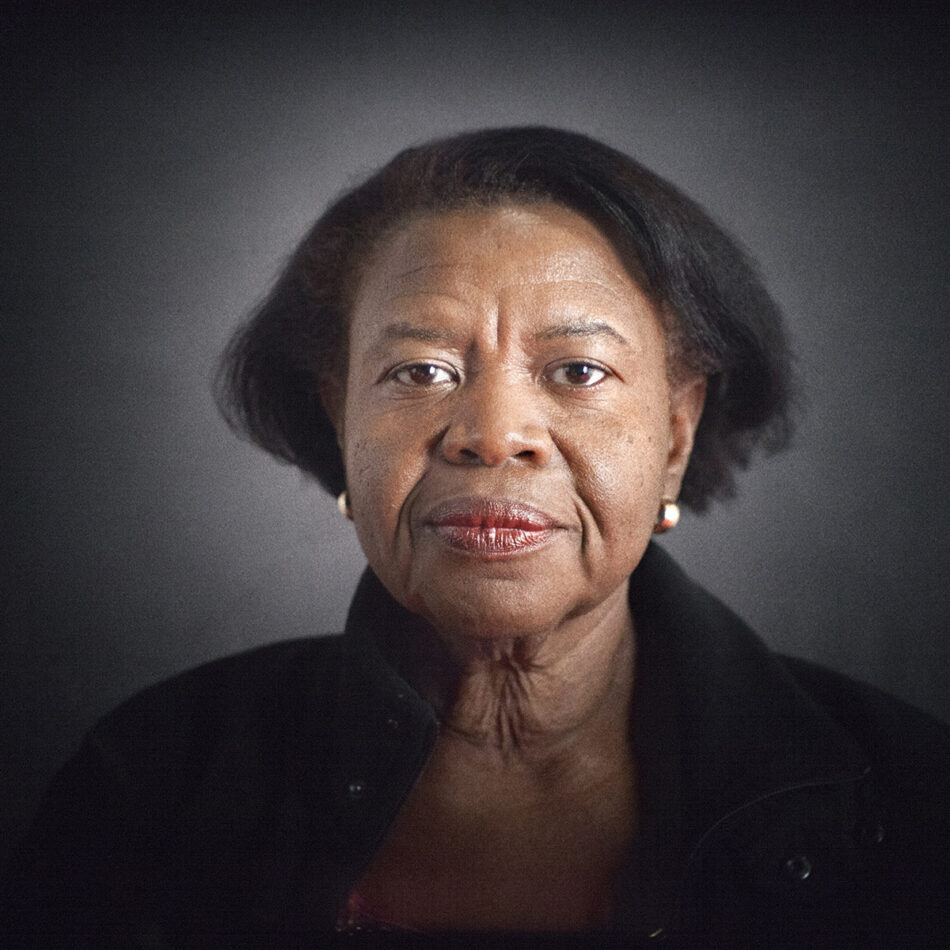
I am very fortunate. I’ve been able to educate myself to the graduate level. I hold down a really decent job. I make, in nonprofit, nonprofit-decent money…
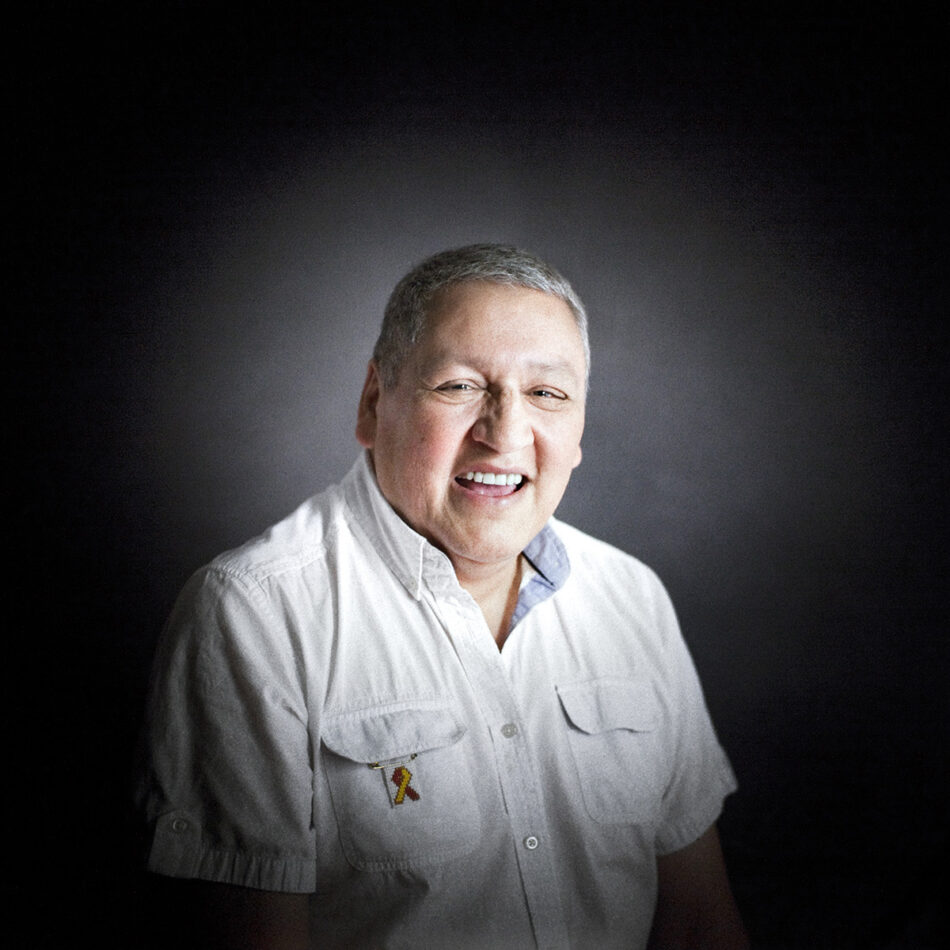
I’m 62 now, but I came out when I was 26. So it was quite late. And back then, being out was not– it was …
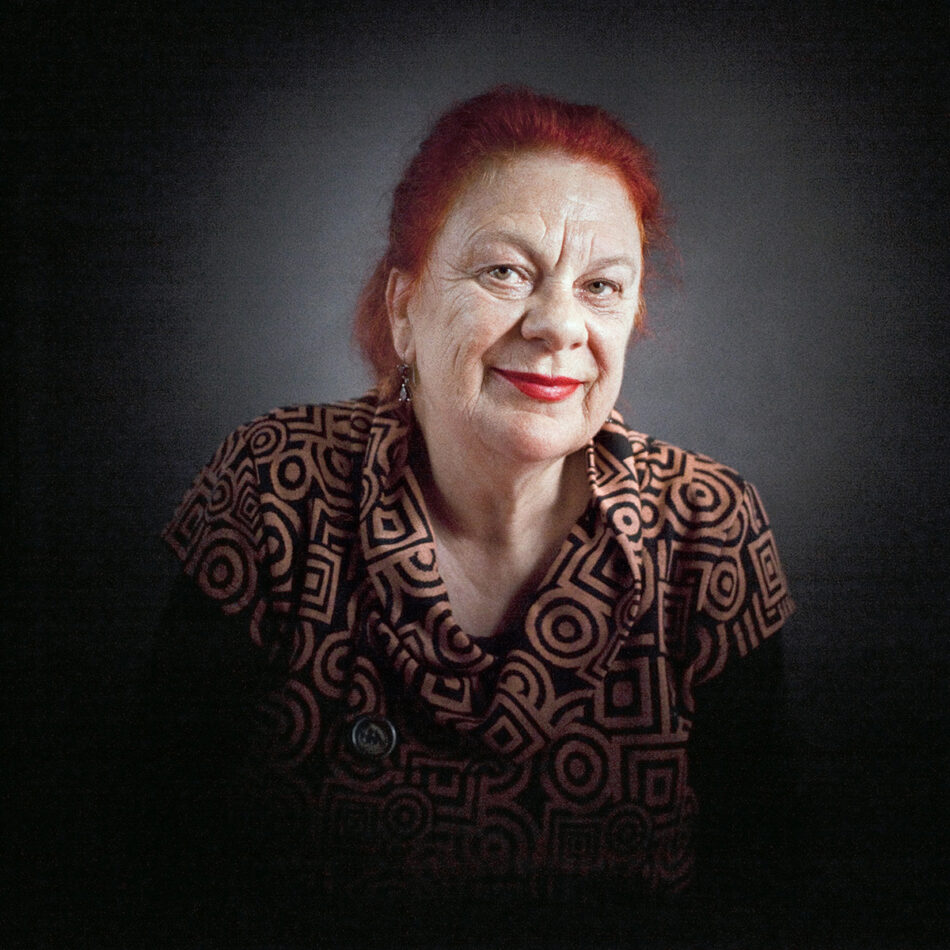
I don’t feel OLD old, ‘cause I’m still feeling young, because I’m still here, you know. I feel really grateful that I don’t ponder on, oh, you know, …
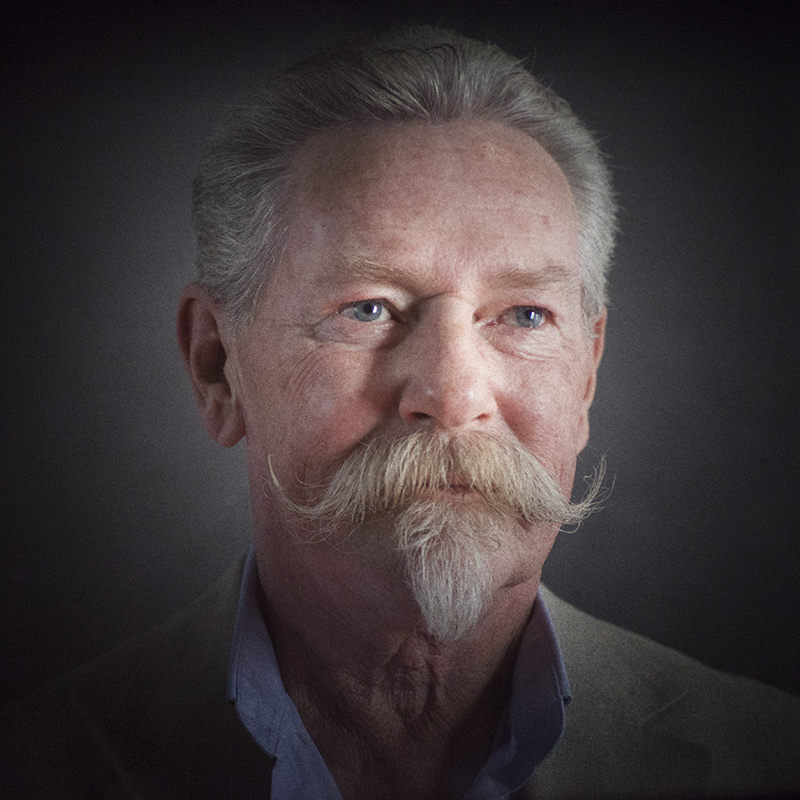
It’s very difficult to meet positive people, because mostly, they’re still too afraid to come out and disclose their status to almost anyone. And I really would like to have a positive …
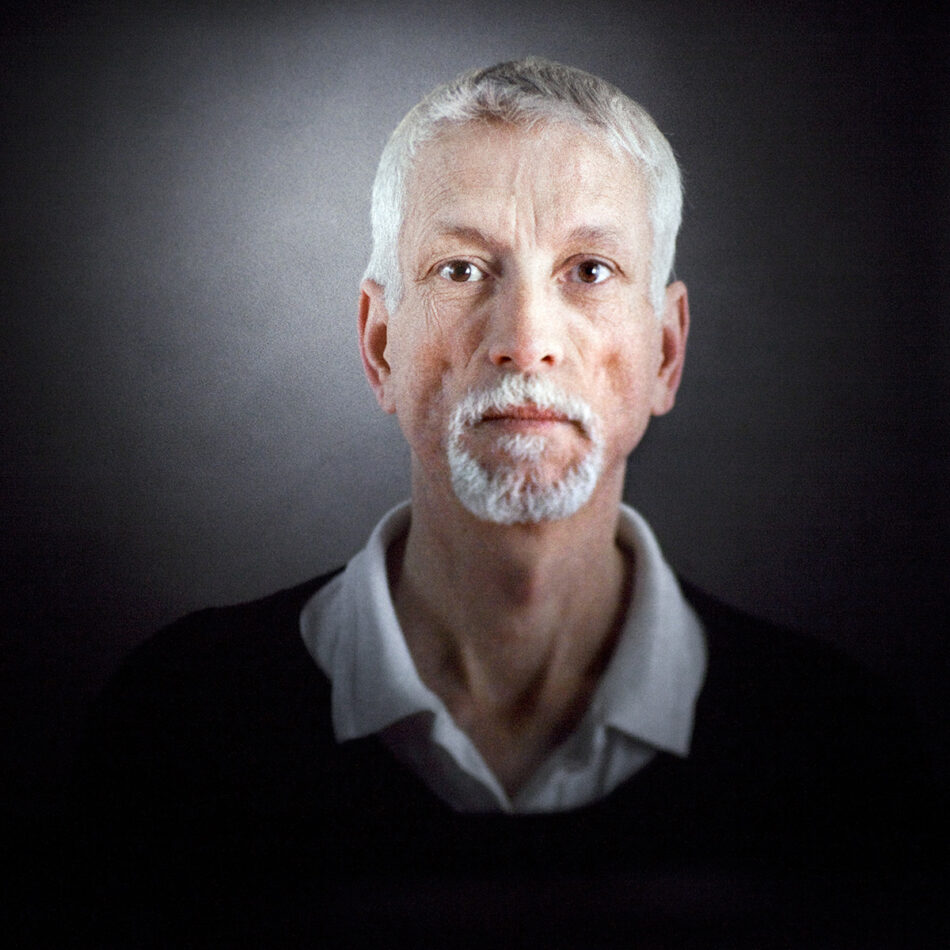
I think it’s harder now to live up to the expectation that you’re well. People think that HIV has been finished. That the treatments are great and …
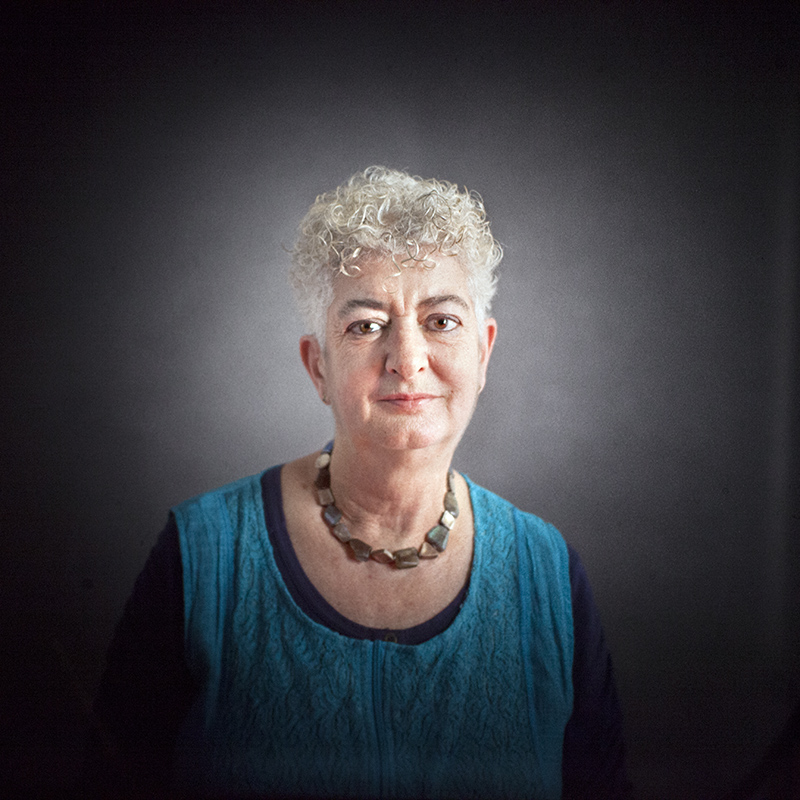
By the end of ’99, I’d really been living with HIV for over a decade – my health was going downhill rapidly. I was doing a PhD thesis. …
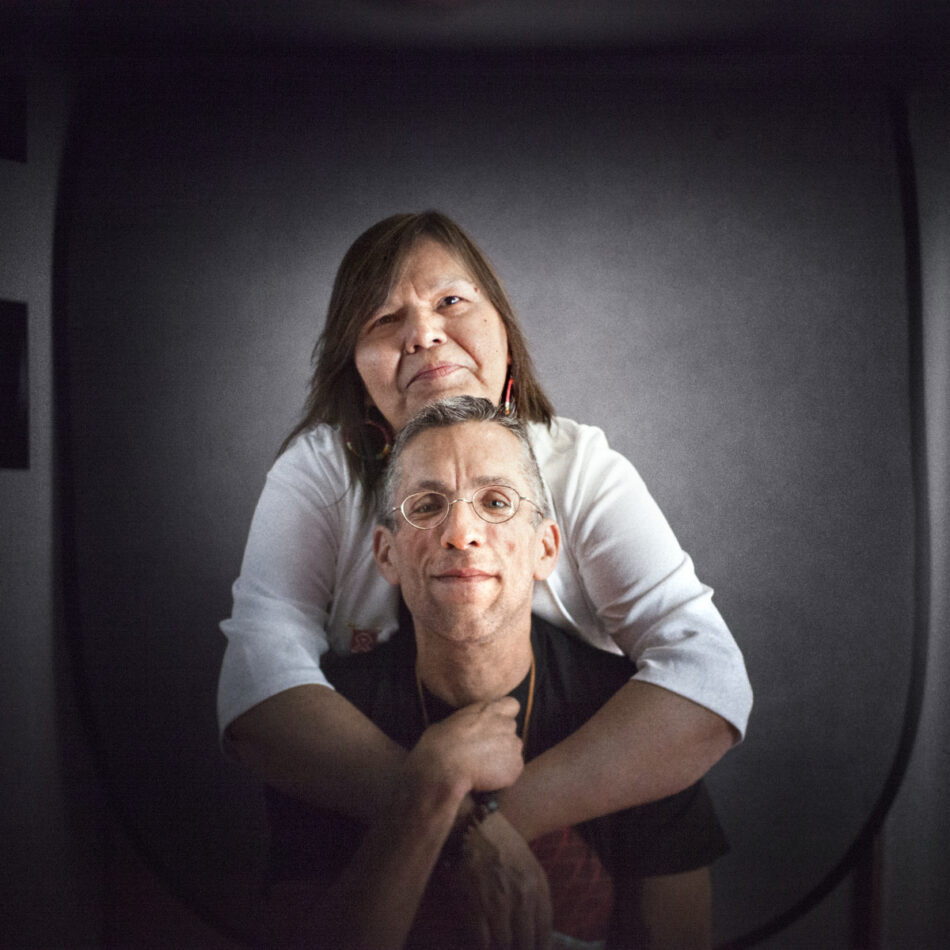
Doris: I was caught up in my addictions, and I thought the weight loss was connected to my substance use, until I started seeing …
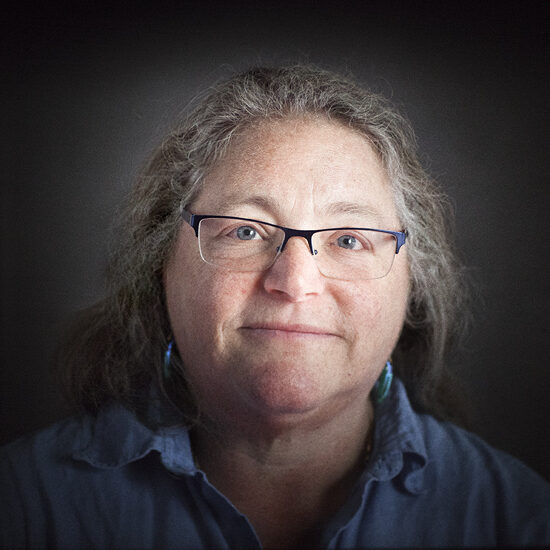
I just remember being very naïve, you know, and people would tell me to do something, and I would do it. I didn’t know any better. The good news is …
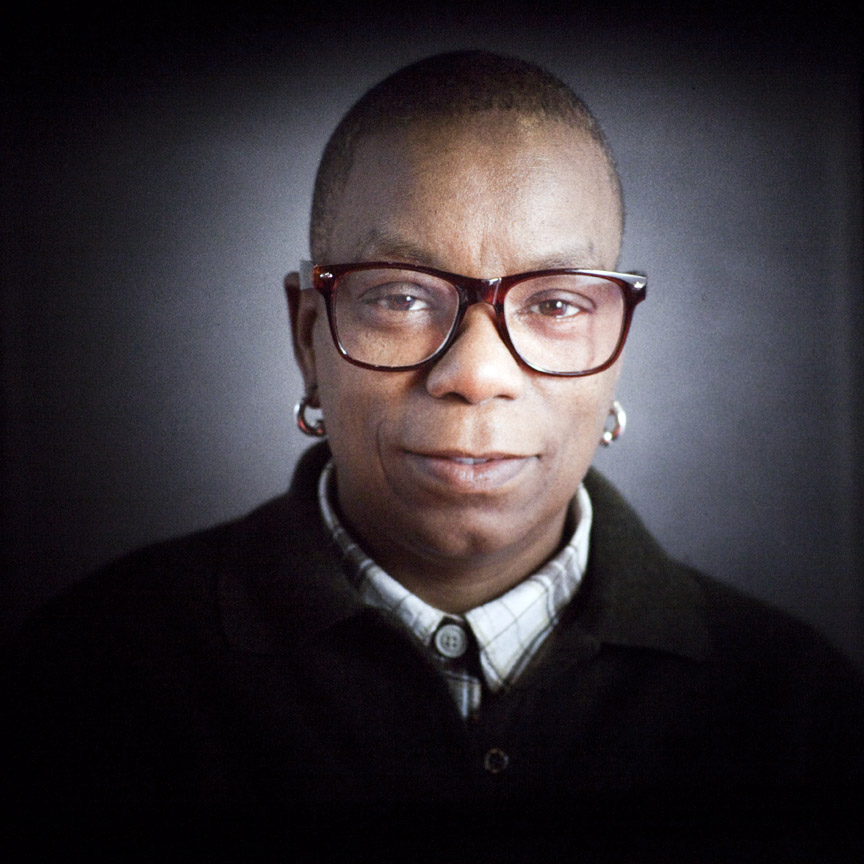
Getting older is like, um… Things are happening with my body that I don’t like. You know, my mind is still 25– my mind wants to be 25, my body is not…
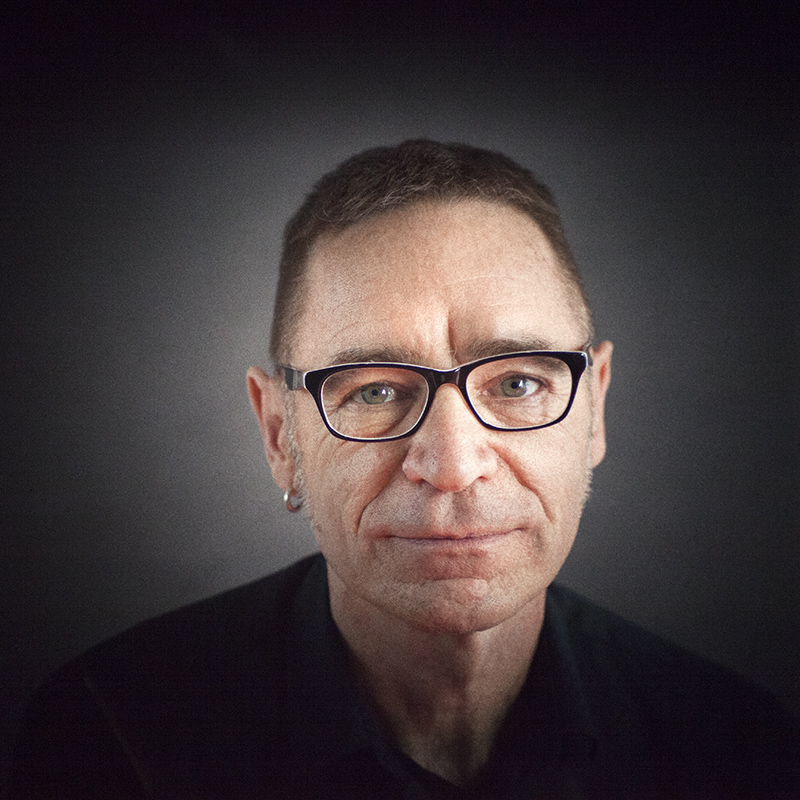
It’s strange to say: I was living in Sydney in the 1980s when the newspapers, every week when they came out, they had dozens of people dying from HIV. I didn’t know of any …
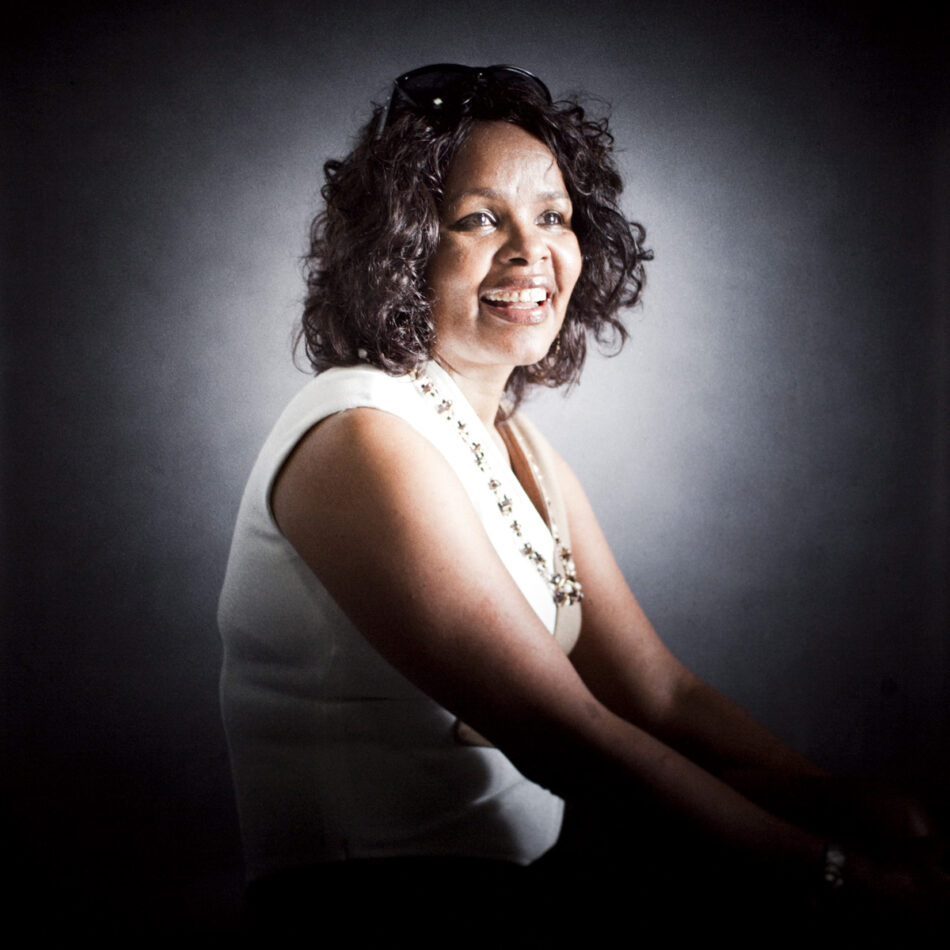
I decided to go back to school after I got fired from Barclay’s Bank because of my status. I was diagnosed in January 1988. My daughter was breast feeding at the time. I just …
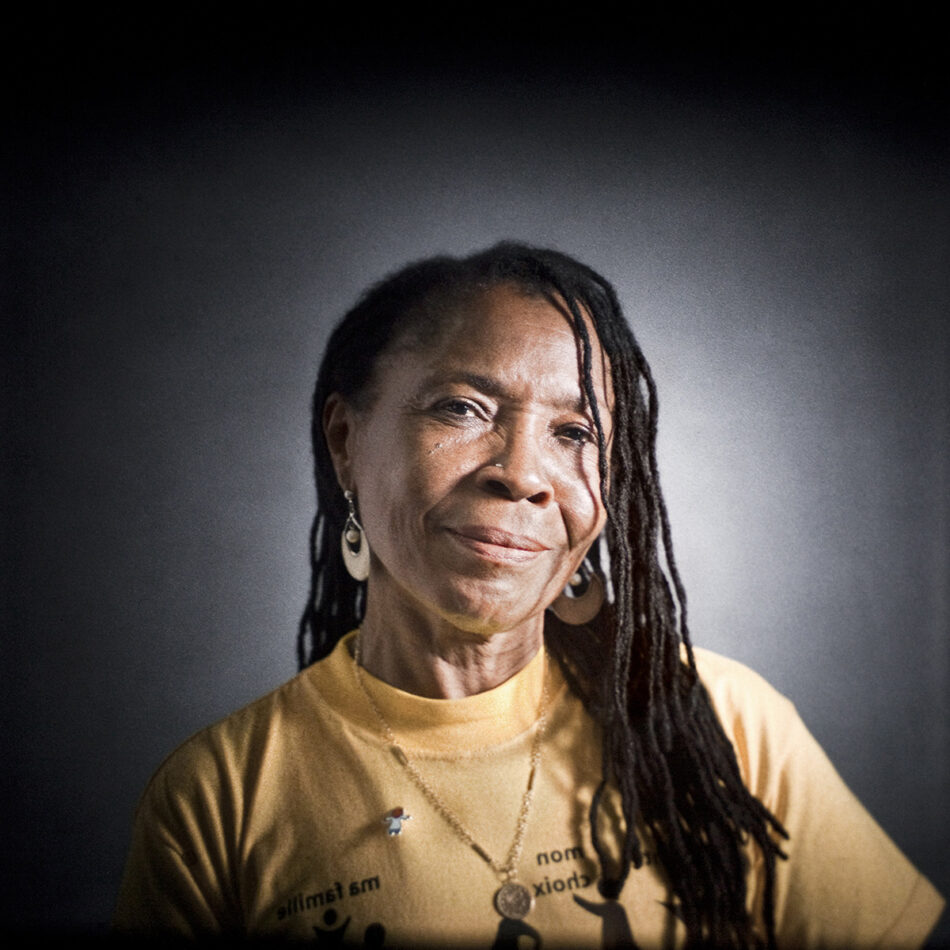
I’m one of the long-term survivors. I’m not use medicines because my viral load is undetectable and my CD4 cell is still high. I have a healthy lifestyle. …
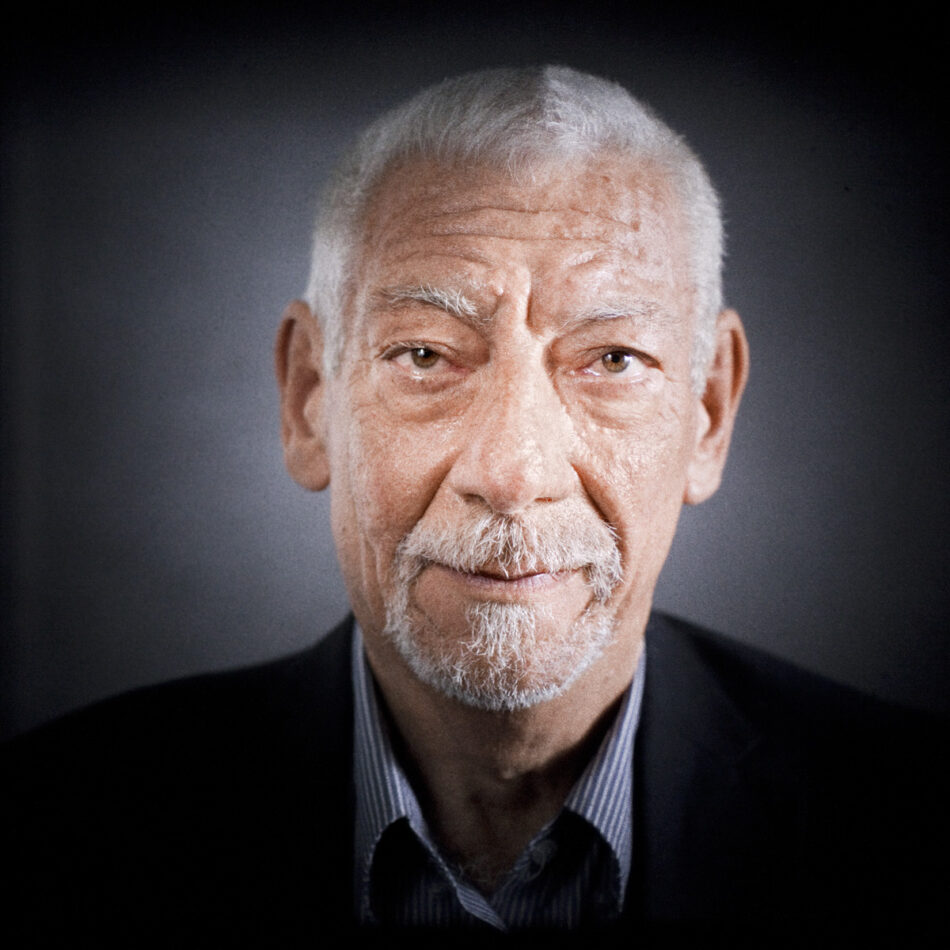
My partner started to show symptoms of AIDS in 1983, and I talked to my doctor, who said, “Look, this is all happening in the United States. It can’t possibly be.” But in fact it was. …

I was born in Louisville, Kentucky. I moved to Montreal, Canada, and lived for some 15 years in Germany, and now I’m living in the west of Canada…
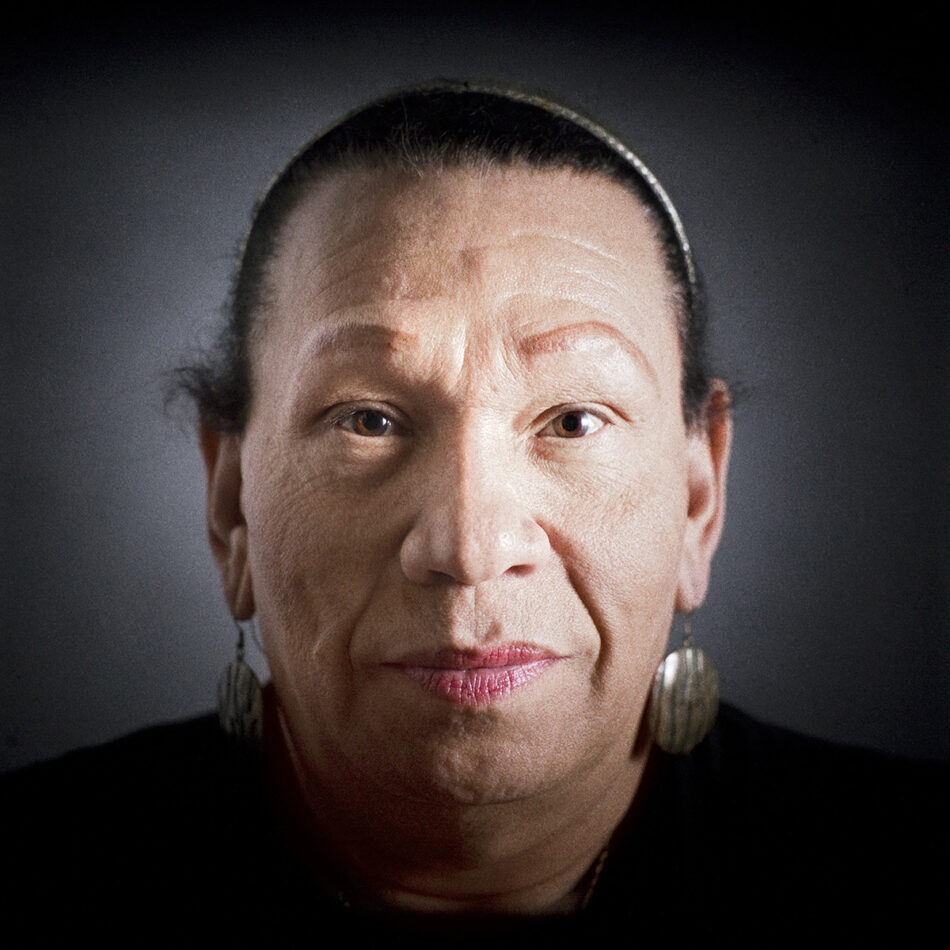
Al principio– sí, mucho rechazo. Primero porque era transex– soy transgénera, mujer transexual. Y luego el VIH, luego no saber el idioma …
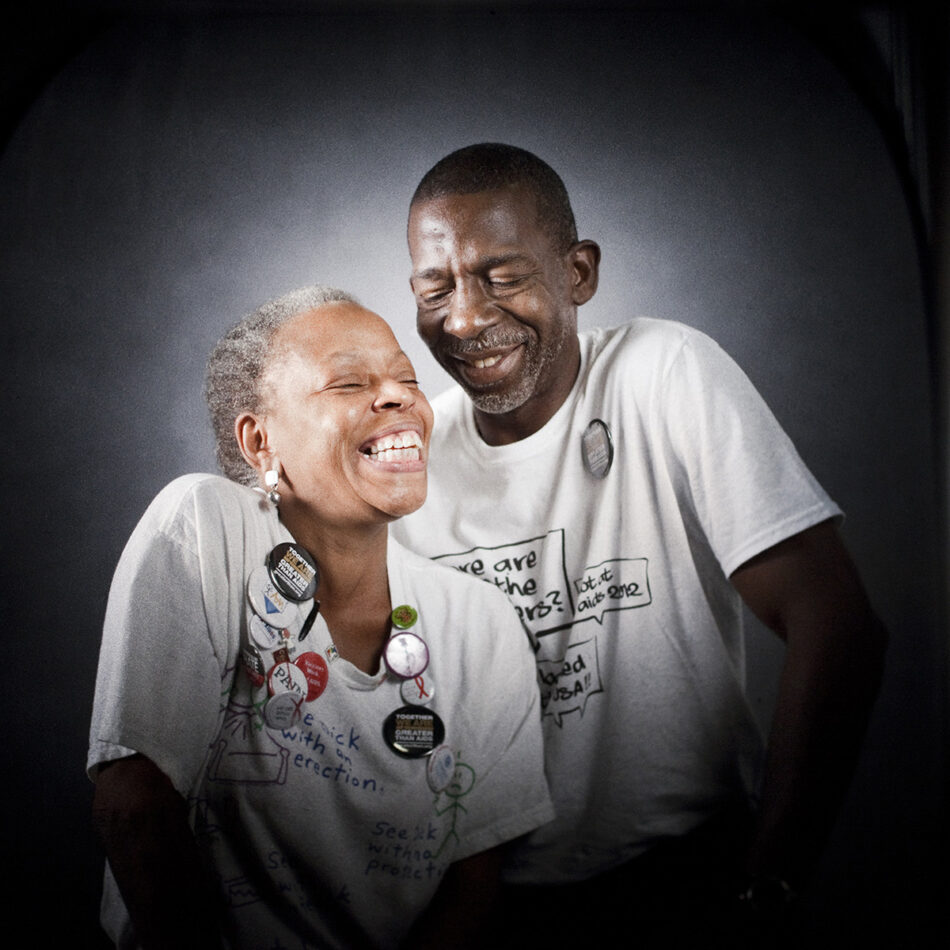
Edward: She used to follow me around all the time. I was 15, she was 11, so I looked at her like a kid, like my little sister, and she became my best …
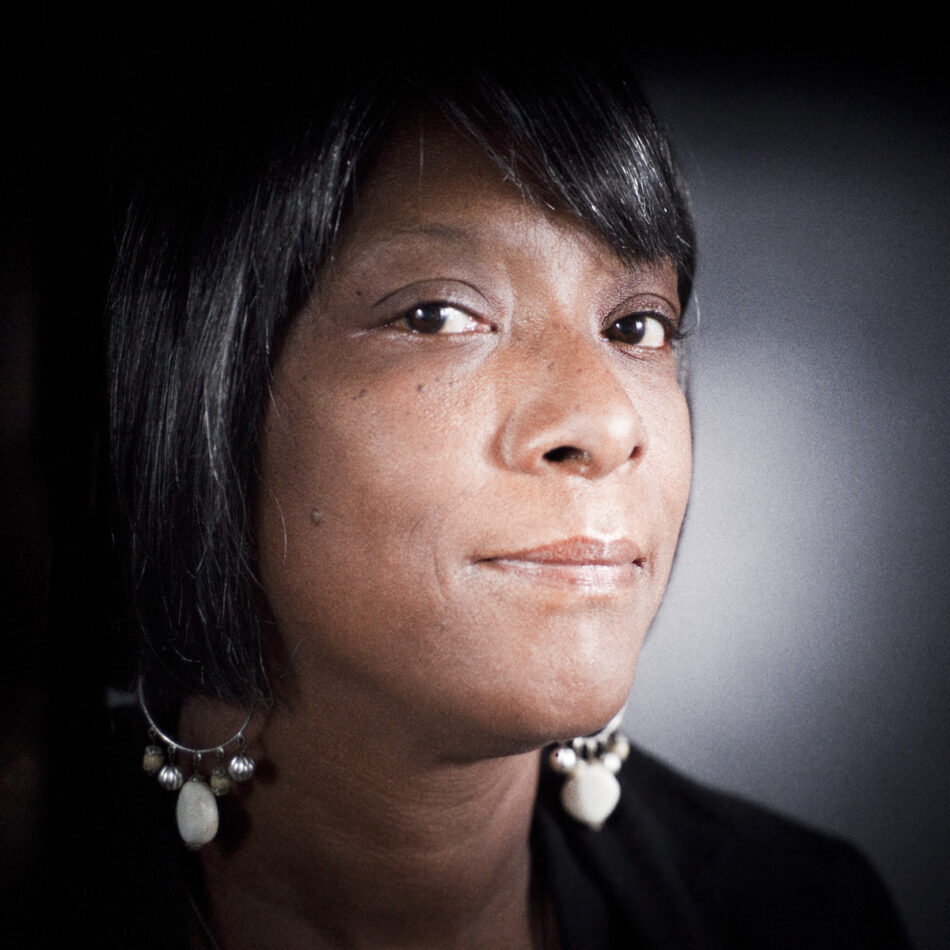
I always knew that there would be a possibility. I had some friends that passed away. I was a intravenous drug user. My lifestyle prior, from ‘80 to ‘88, wasn’t the nicest thing. But I …
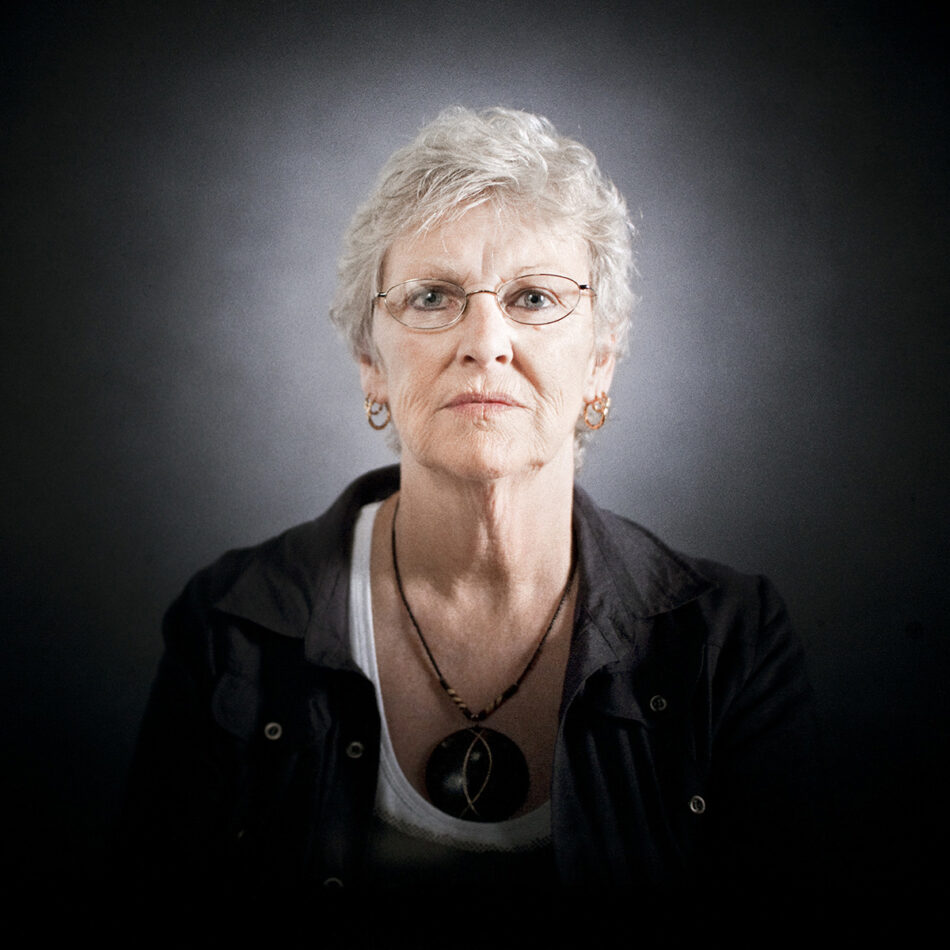
It was the 15th of January, 2002. I had a needlestick injury from one of my HIV patients. I’m a nurse, a retired nurse. Once I’d finished with …
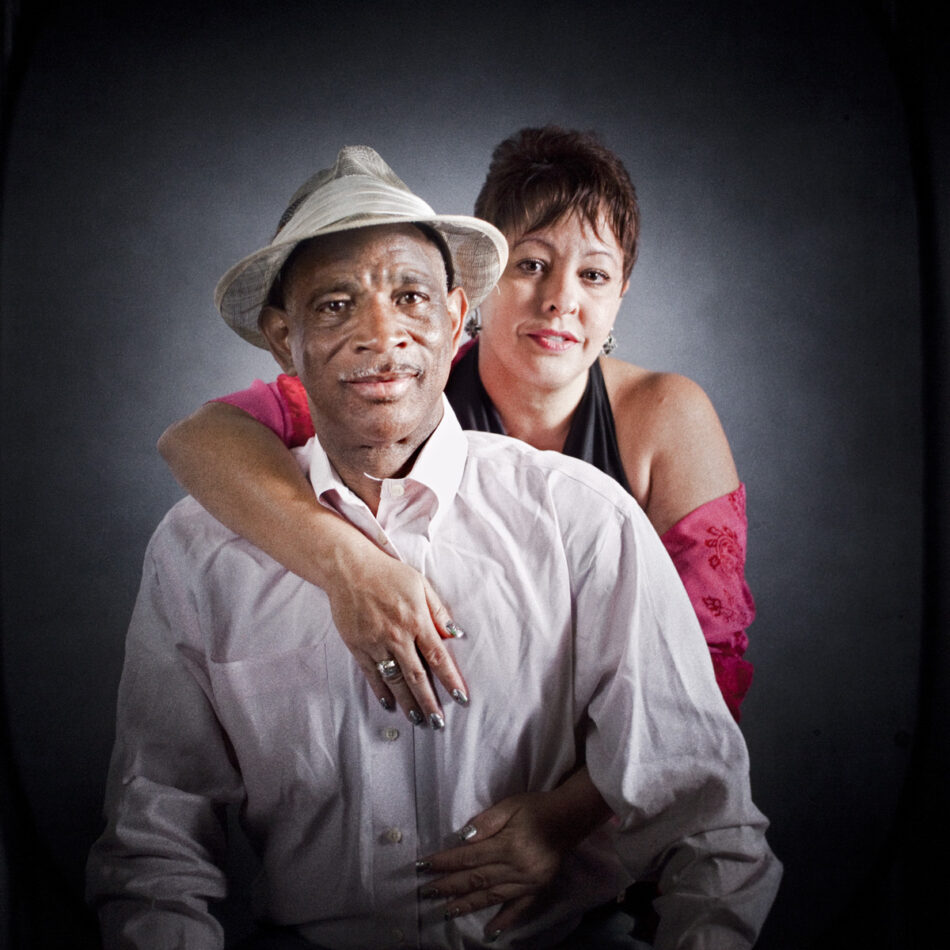
Ron: I found out my status when I was incarcerated, as a result of seeing a dentist. The dental hygienist dropped one of the tools and it pricked her …
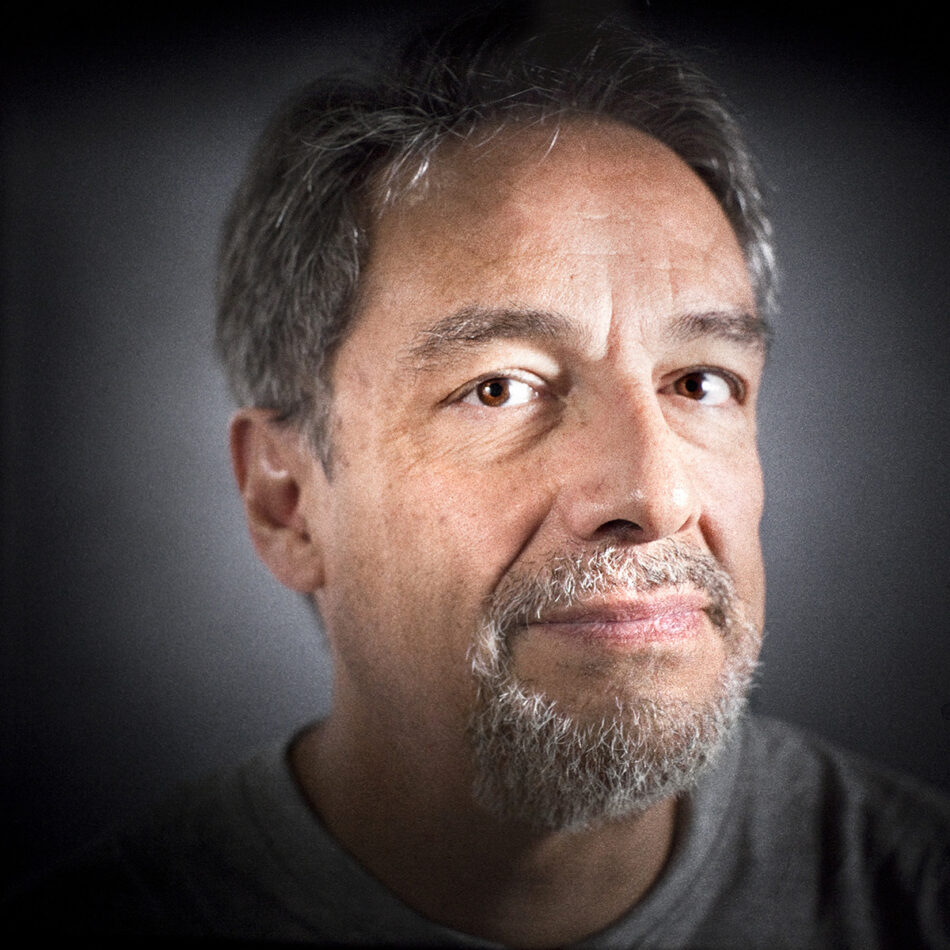
HIV has a– una connotación mala, negativa. Pero para mí, creo que HIV has given me everything. Everything. A new life. A change, a dramatic change in my life. In Spanish we say, …
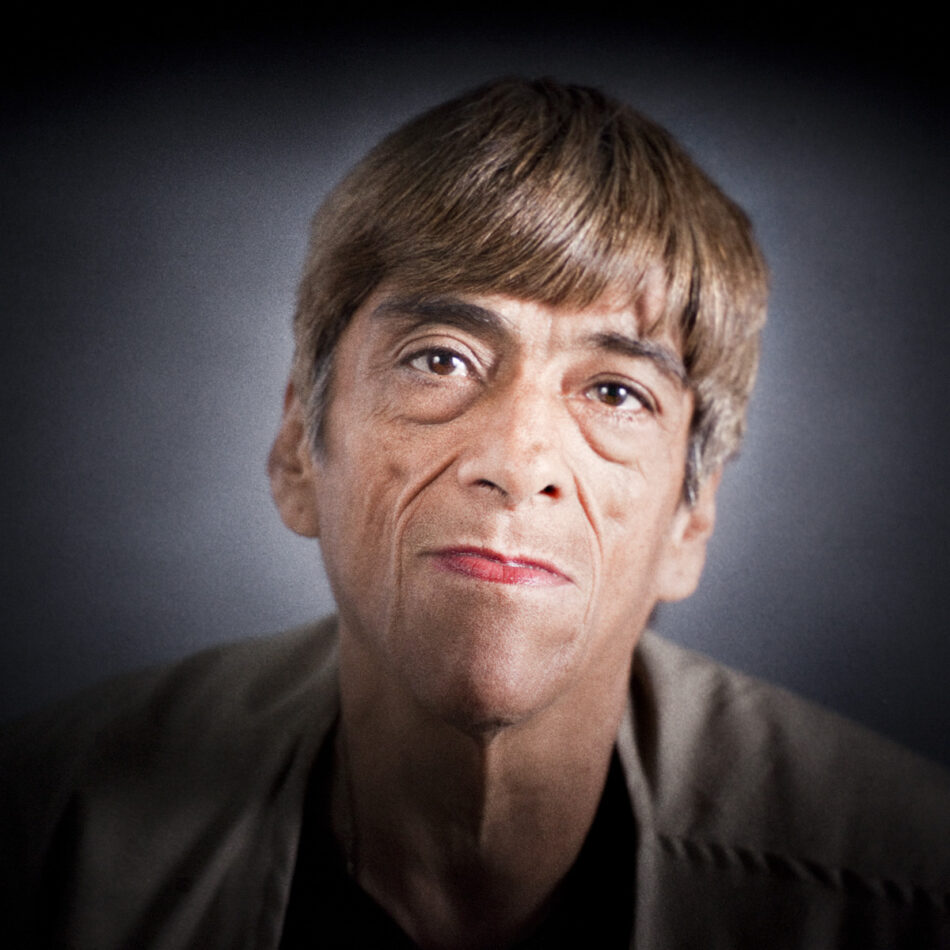
Me quité eso de que: “Porque Dios me castigó? Porque…?” De estar me martirizando, porque pensaba yo que Dios me había mandado ese castigo …
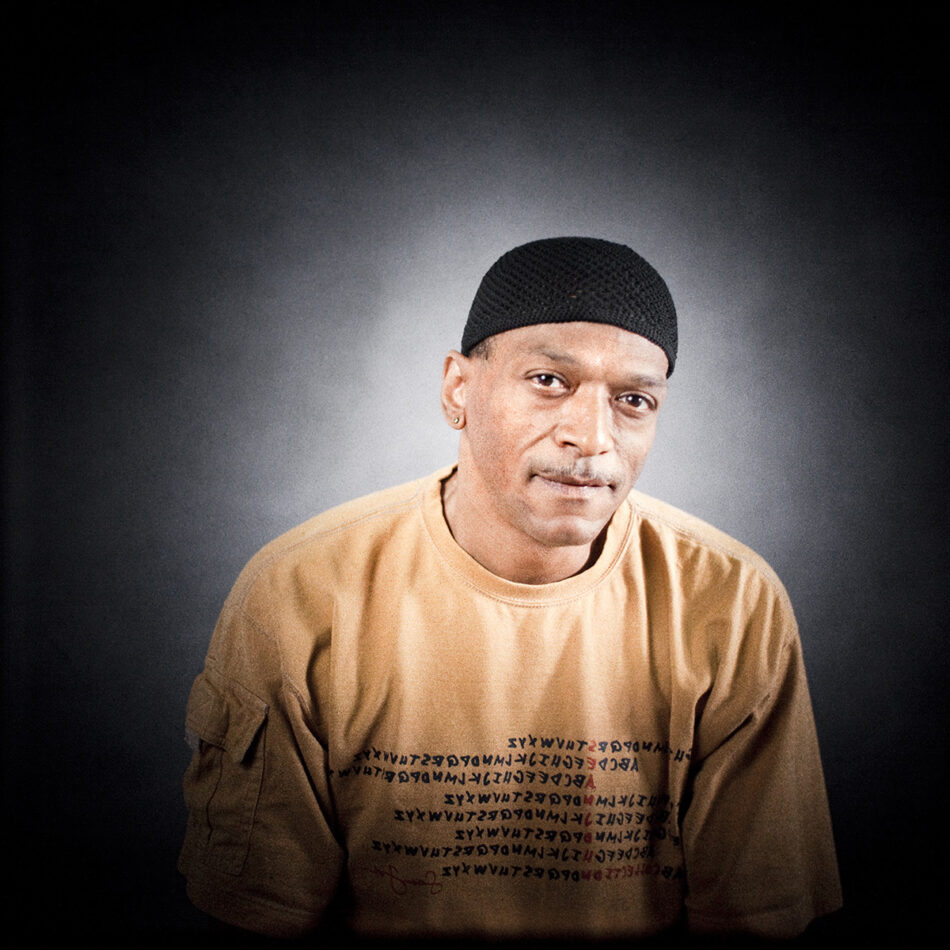
I’ve had cancer three times, I had stage four cancer. I’ve been through a lot. Every day is a bad day for me at some point or another. I got …
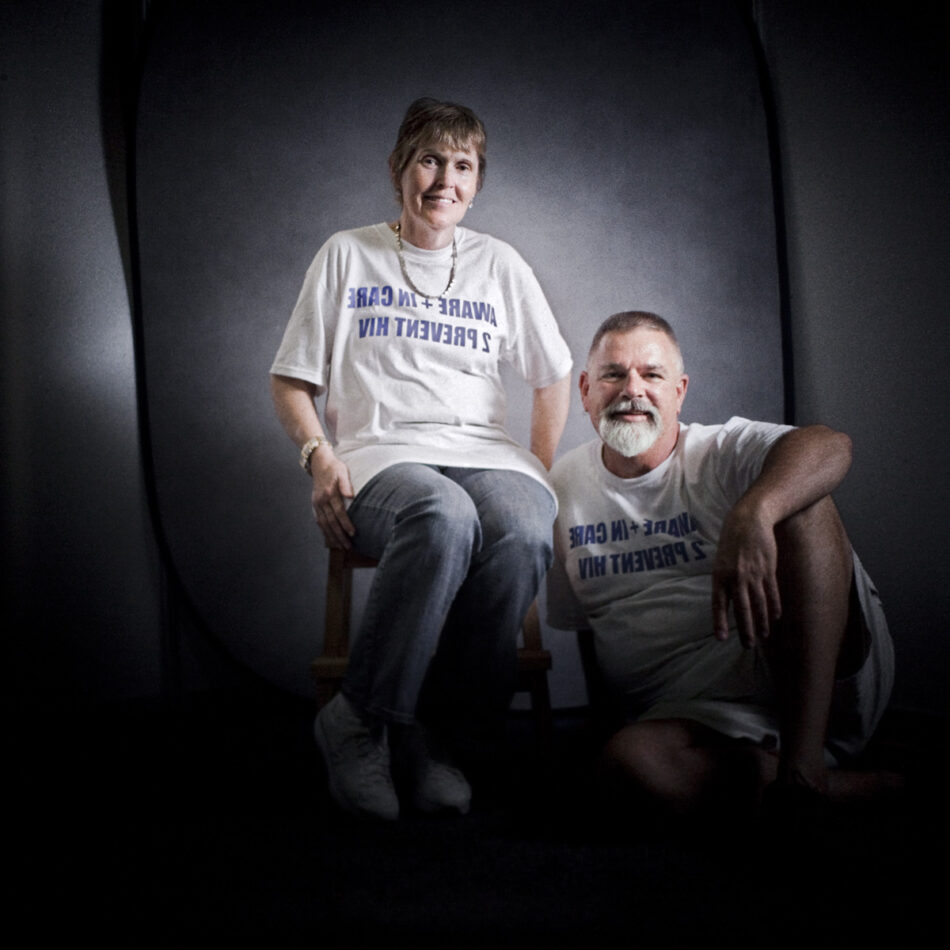
Ann: I kept it a secret for a decade that I was positive. It would have cost me my job in my state – we don’t have job protection. And the only way …
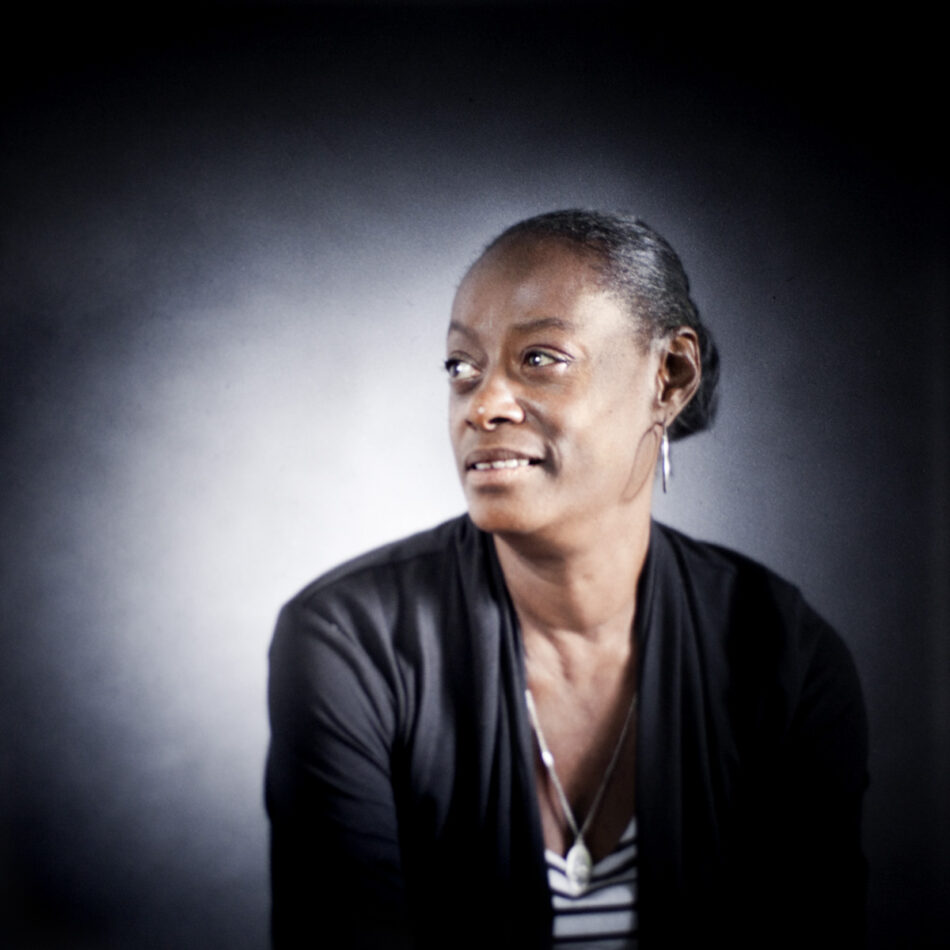
Getting old is a bitch. You go to bed feeling one way, and you wake up and it’s something else. Aging with HIV, you’re never really sure what it really is. And as a woman, I don’t know …
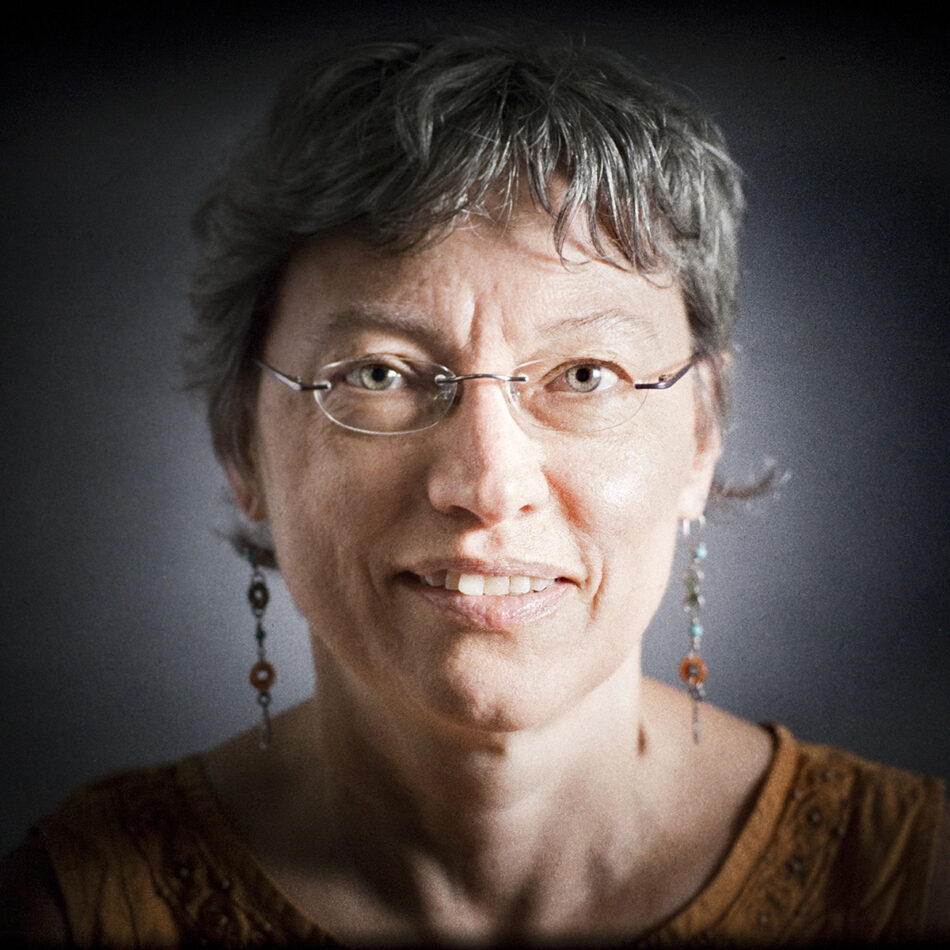
I thought I might want to have a baby and I was 43, and I knew I would have to get tested before I would do that. I am unmarried and I’ve never been married, so I was sexually active. …
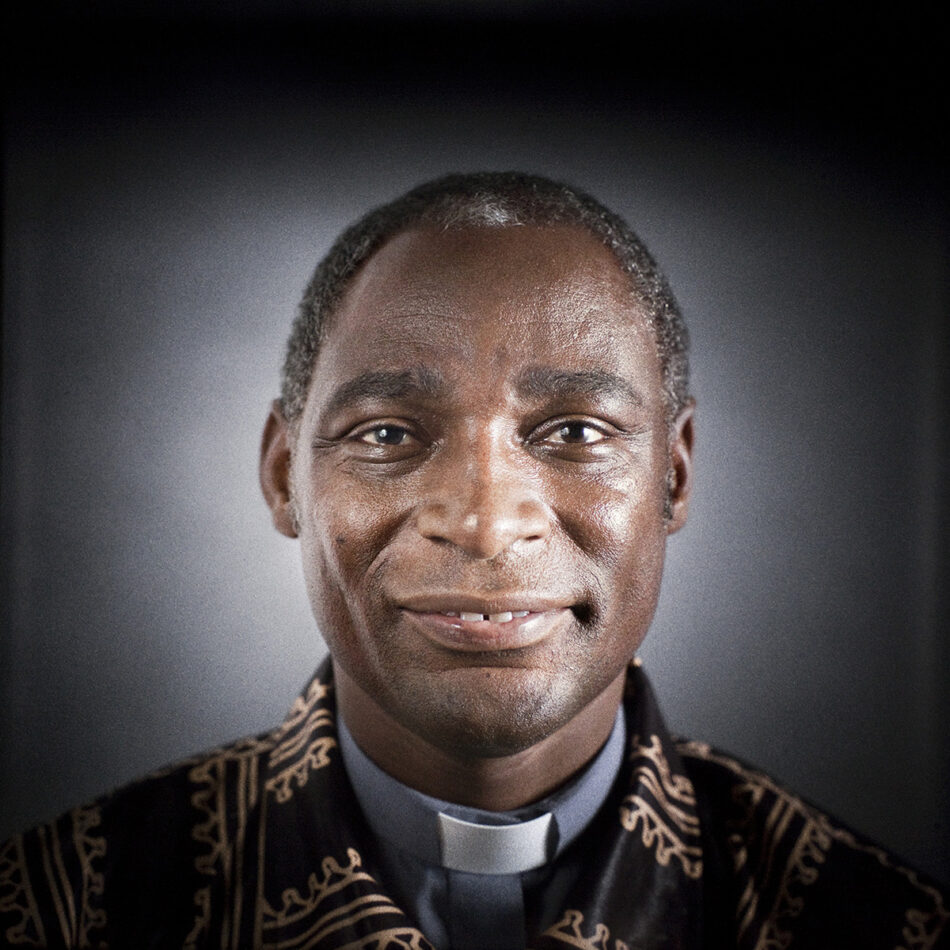
So the first question was: Are you going to keep quiet or are you going to tell someone? It took 20 minutes for me to disclose. When I was in the …
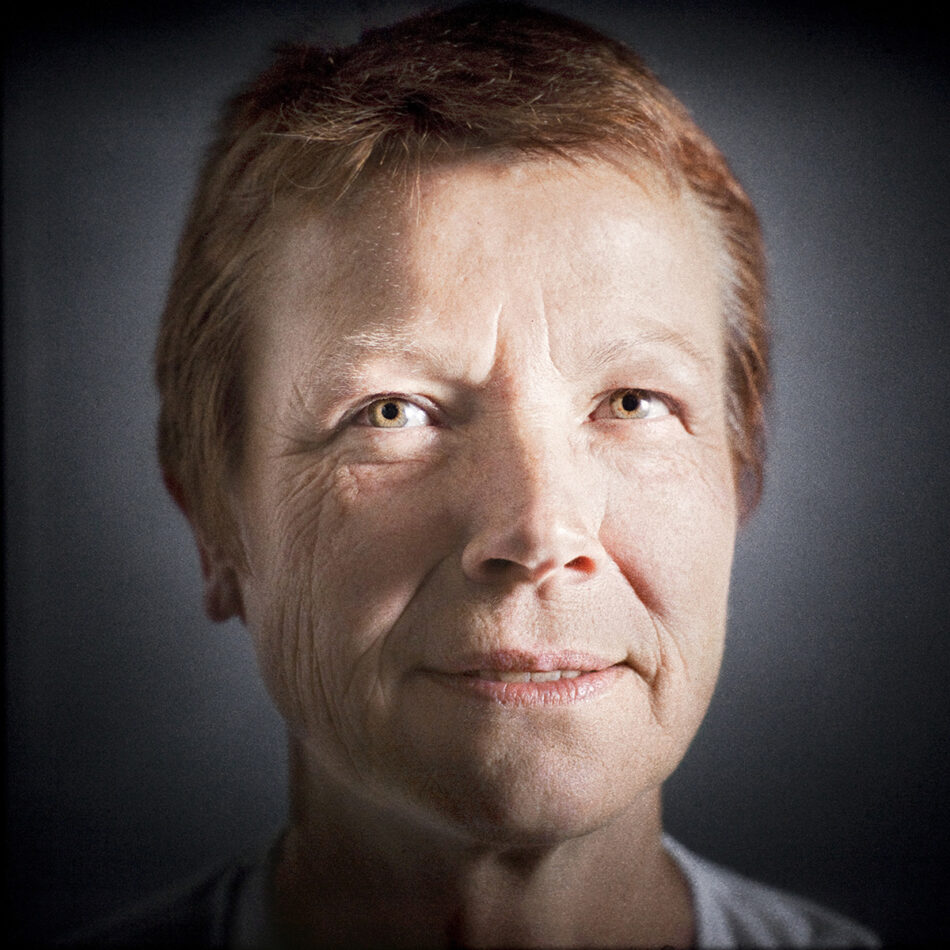
It’s still not the same. I mean, speaking for myself, I’d rather have HIV than some cancer, right? But for others it’s still, they can cope better when you say you have a cancer than this HIV …
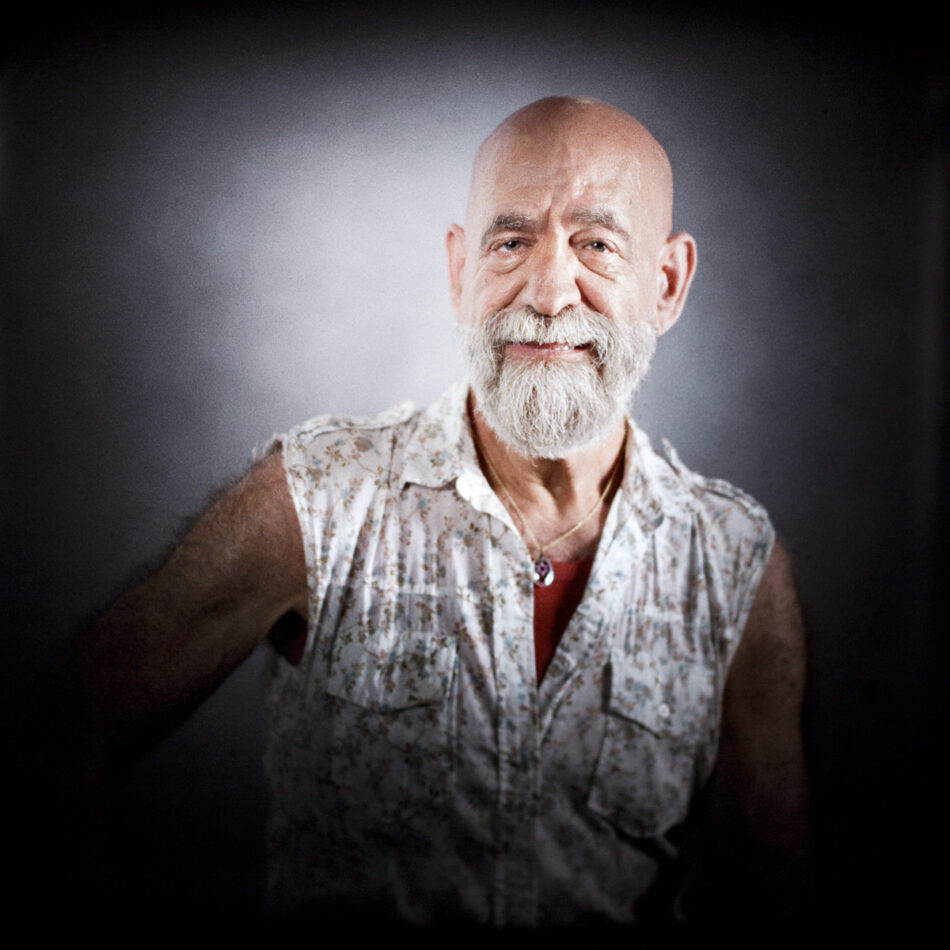
I learned how to ride a motorcycle, and to get my motorcycle license I had to bring my motorcycle back into New York, ‘cause the test was easier in New York than it was in Connecticut …
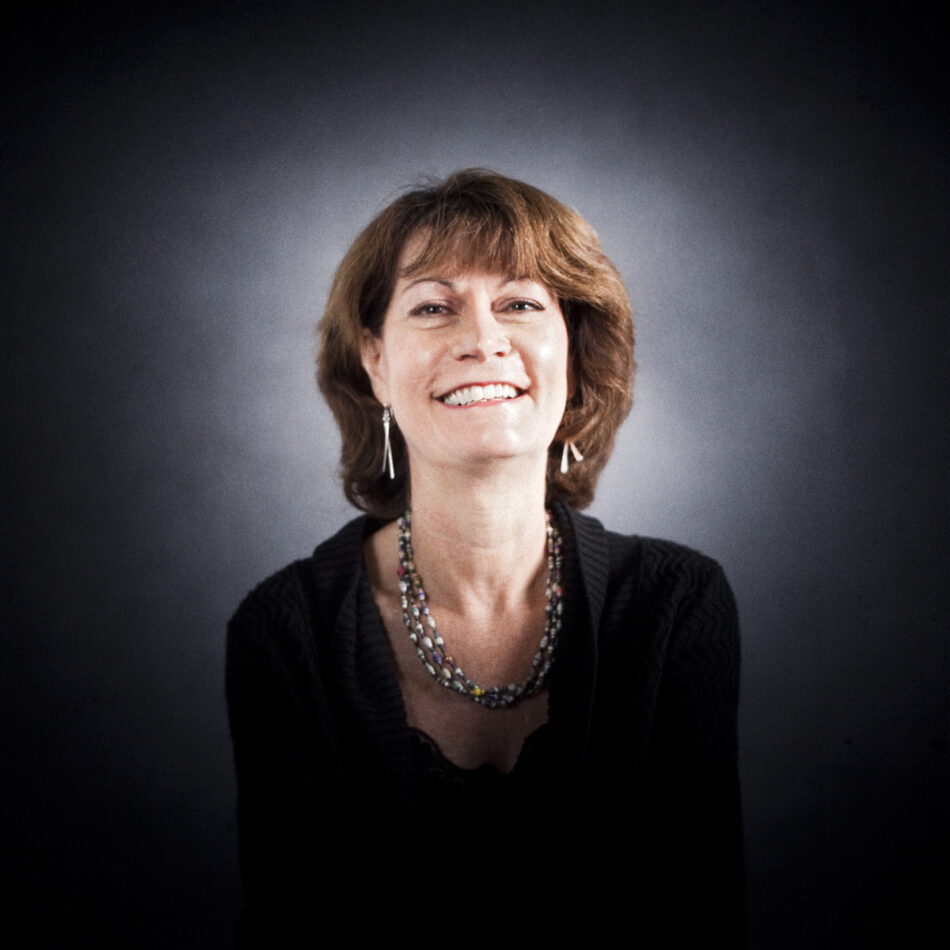
It has totally changed my life. Before, I was a free spirit and, you know, loved to date. I still like men and dating someone, but that’s not such a focus anymore.
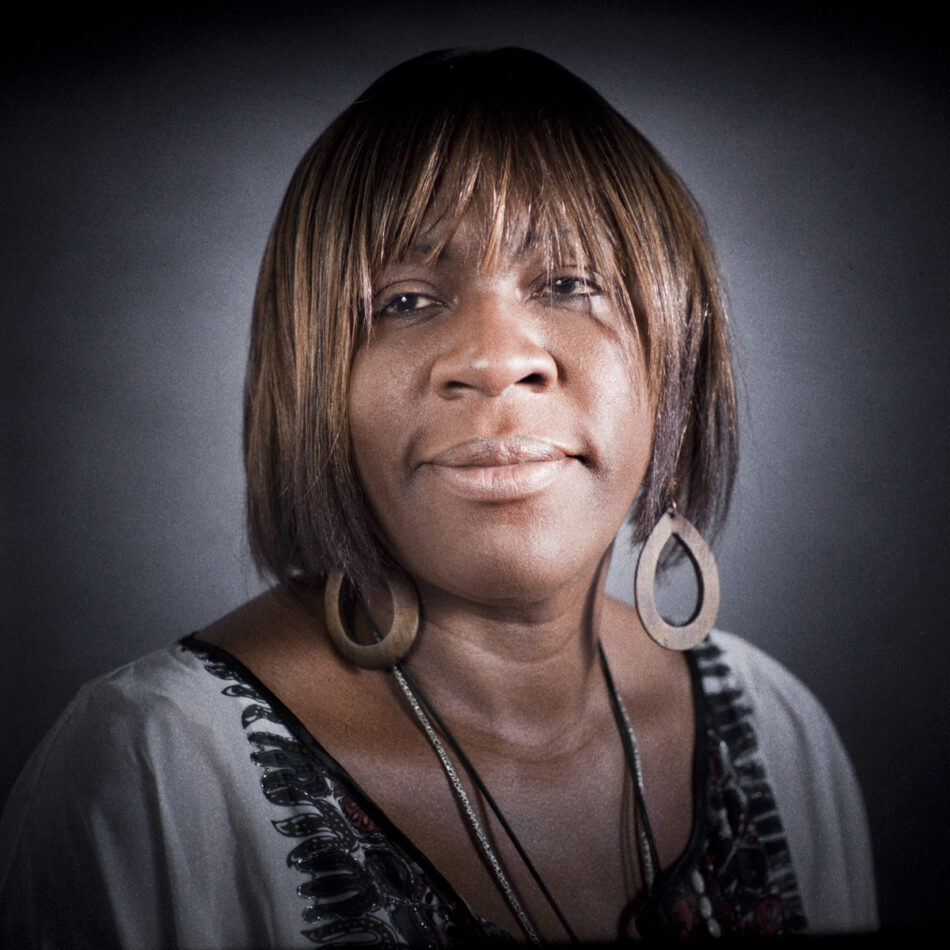
My mother was scared of me. I was cooking, and I cut myself – ‘cause I was always the cook in the family. And I rinsed my hand off, and she went to put a band-aid on, and I went like …
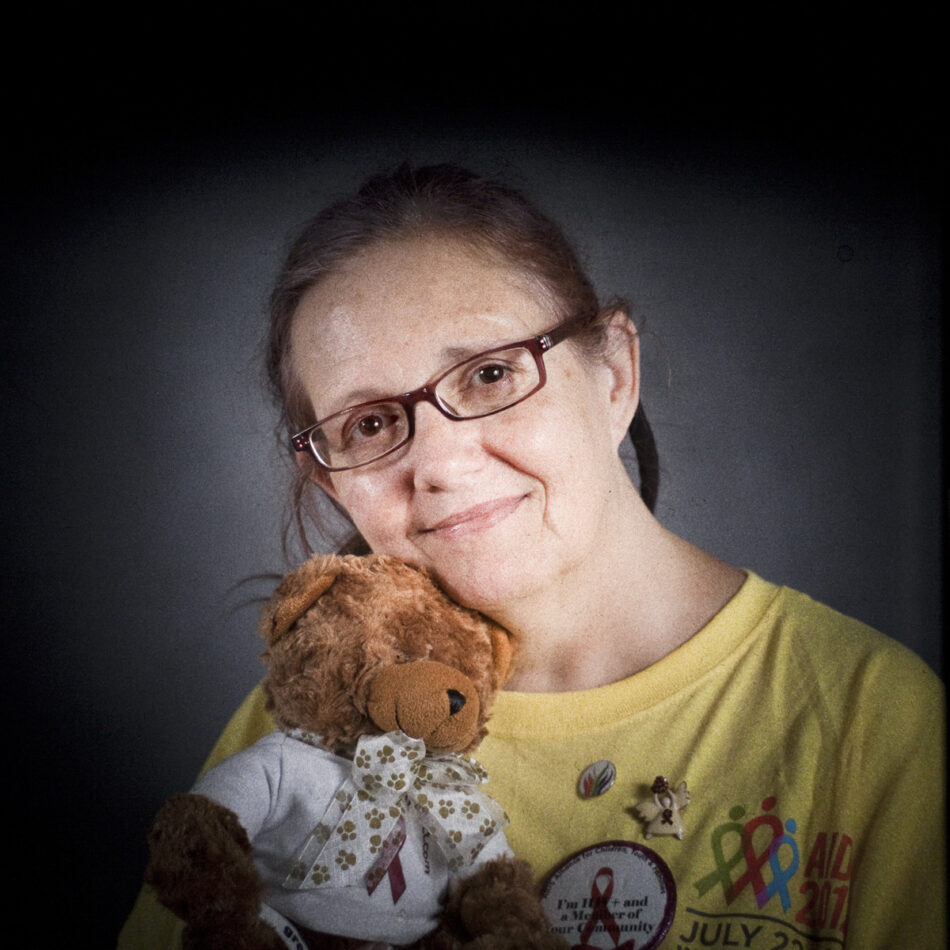
When you’re going through menopause, and you’re a seasoned woman, and you’ve been through three really serious relationships …
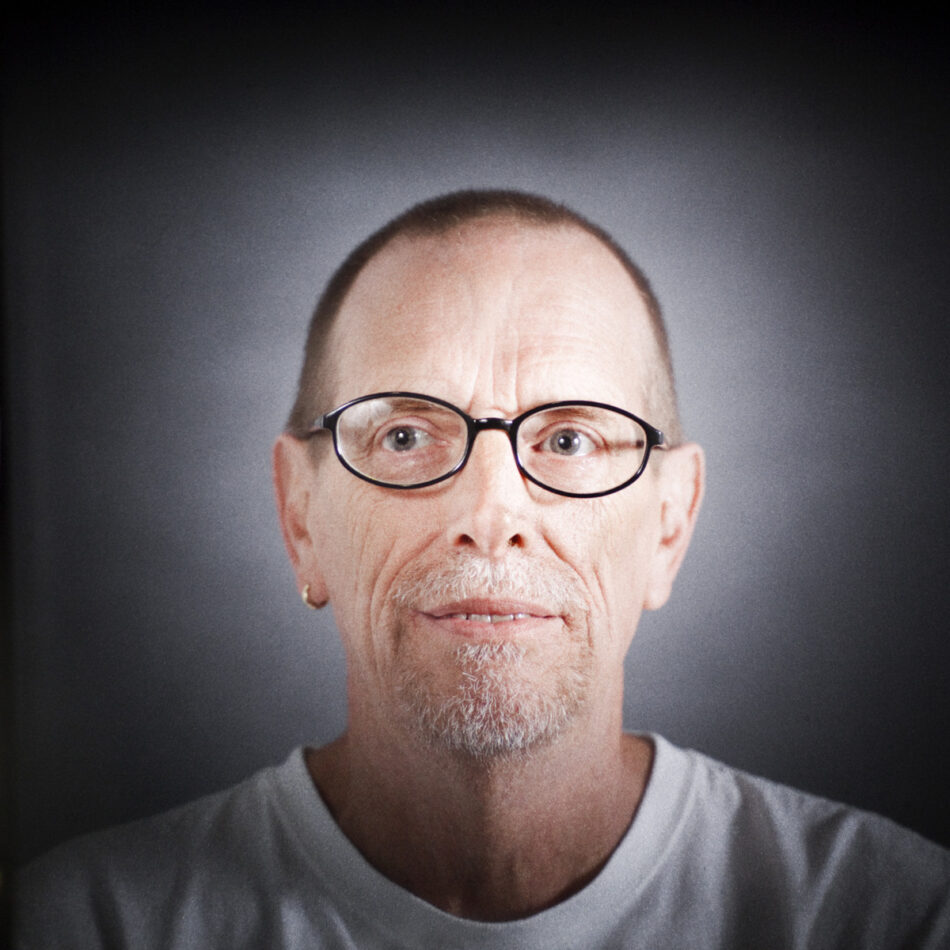
I would like to be able to tell what is AIDS, and what is aging. That would be really wonderful, if you could tell me which one was which. Doctors can’t tell ya. I had what the doctor …
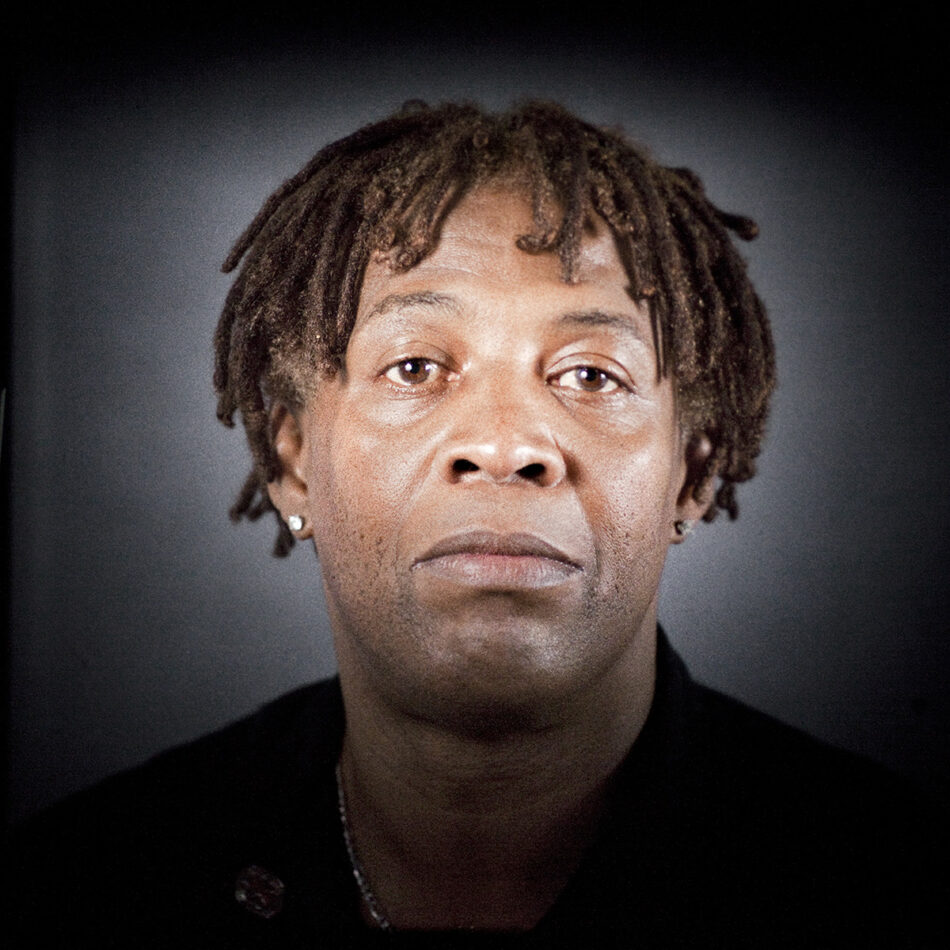
I sort of don’t have a person that I can say, “Just take care of me.” When I know I don’t feel well I stay home, I do more internal healing. Some days …
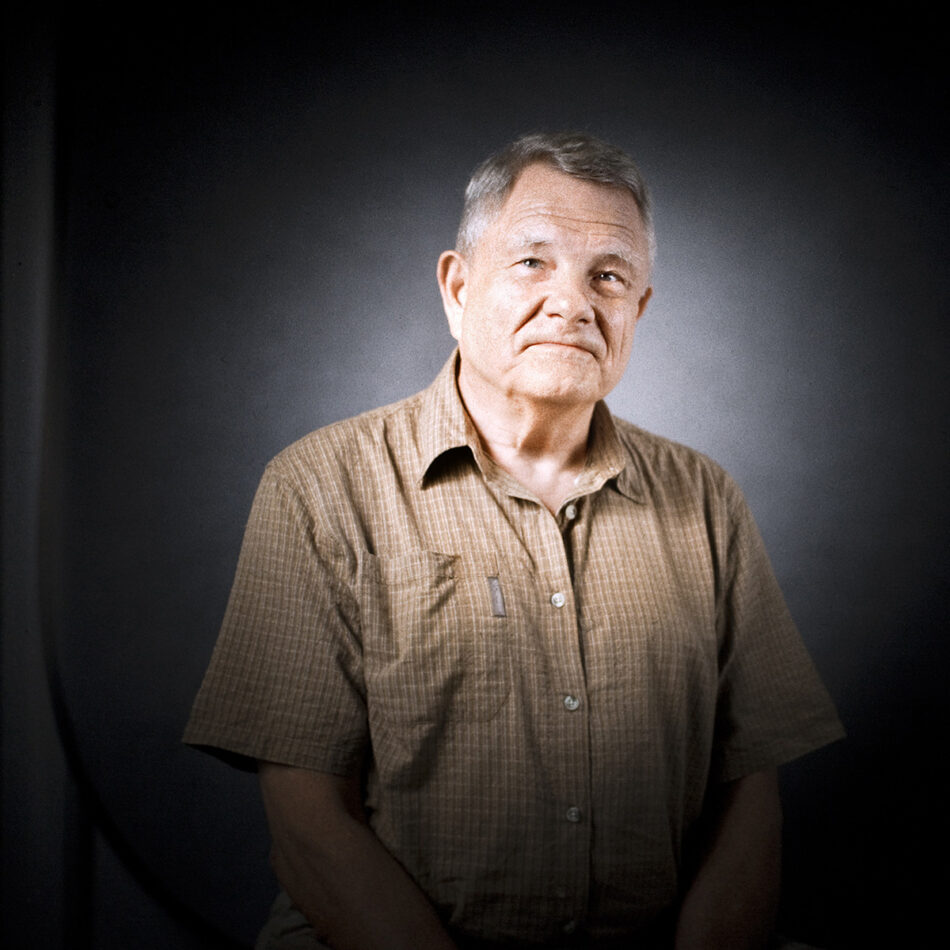
I became openly positive to many of my friends and my family first, and then as I became more comfortable, I started becoming more open to …
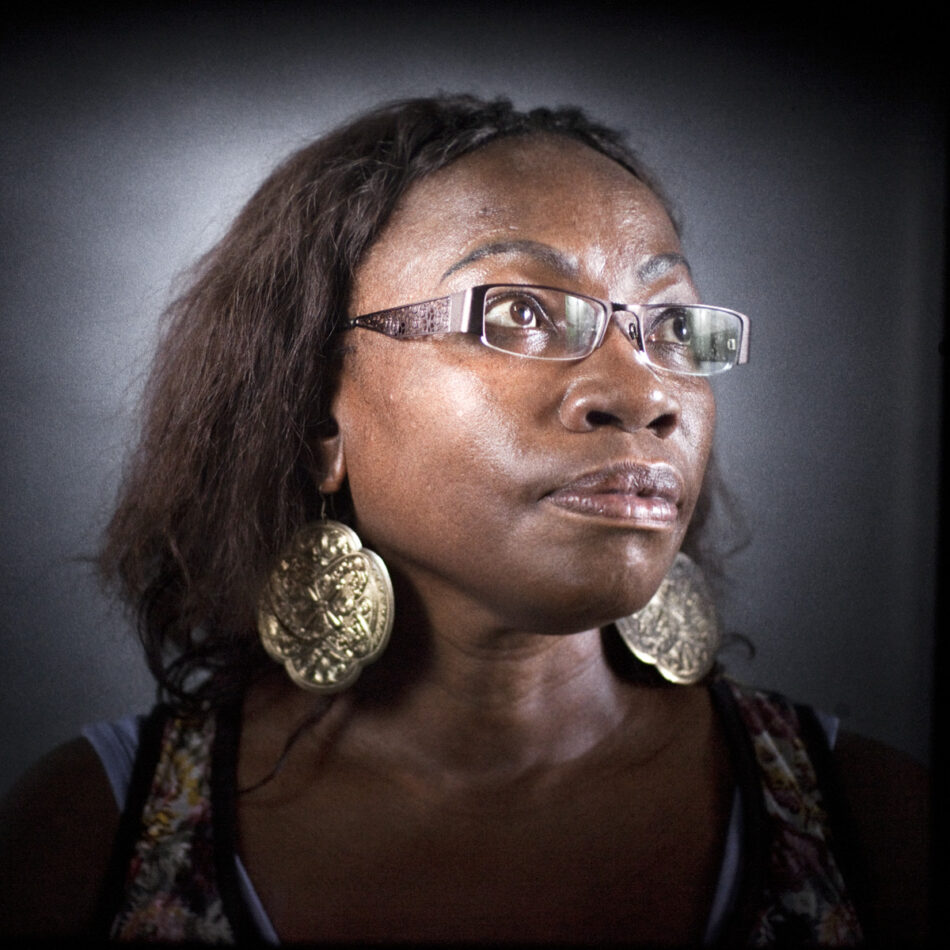
We women, we were really the leaders. Because we were the ones who were being blamed. But then it came to a situation where we said, …
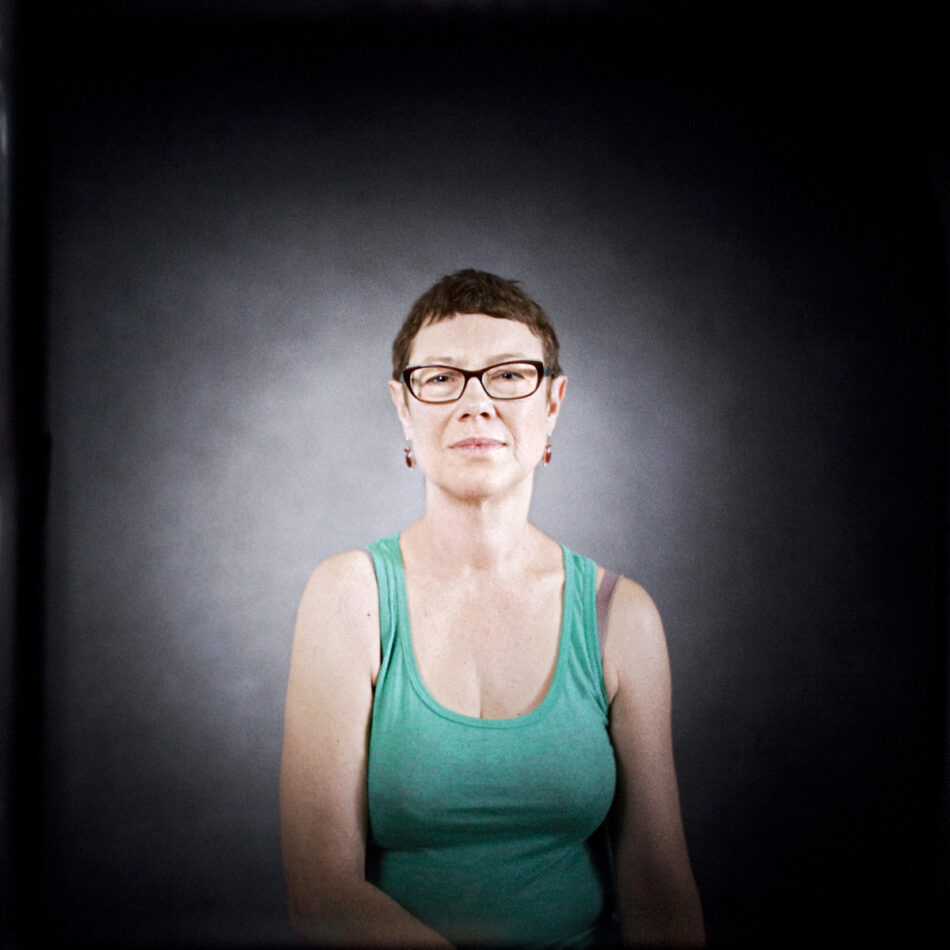
I decided to change the world. I went on that trajectory. For about a year or two I was very committed to making a difference. I was diagnosed in 1990. …
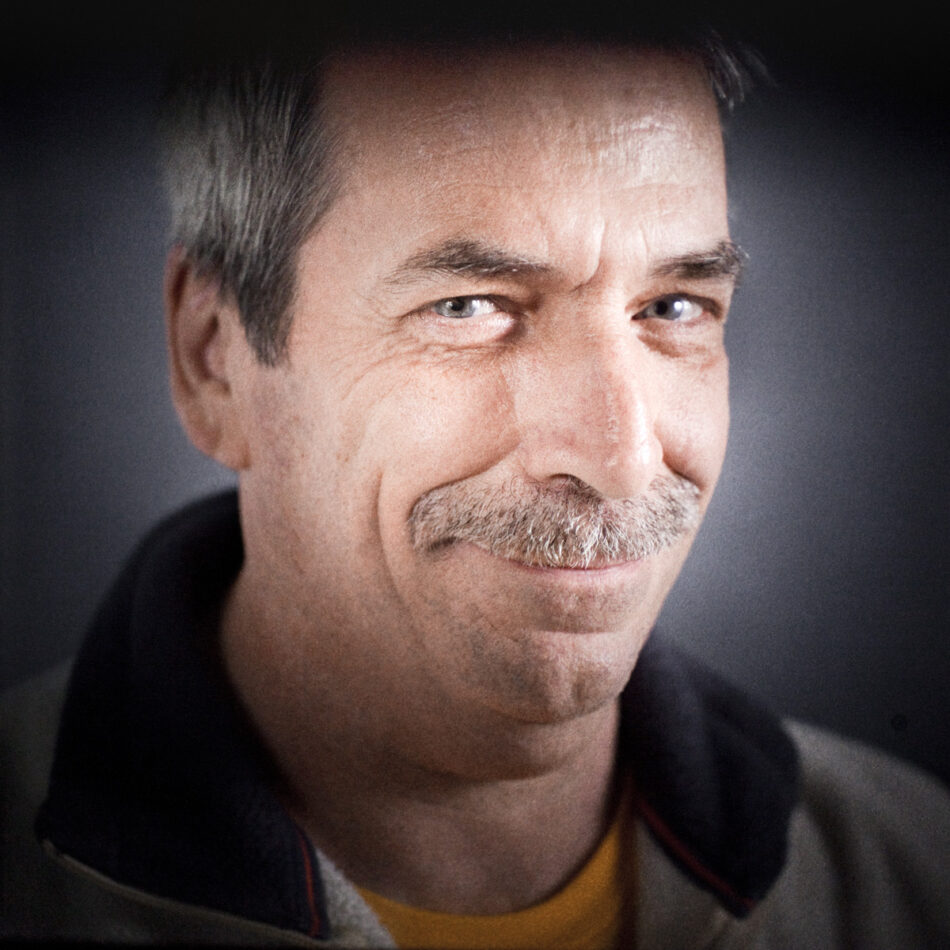
I believe some people are born with their glass half full, and some are born with their glass half empty, and mine is kinda full and brimming – more than full. So I would say that I have kind of…
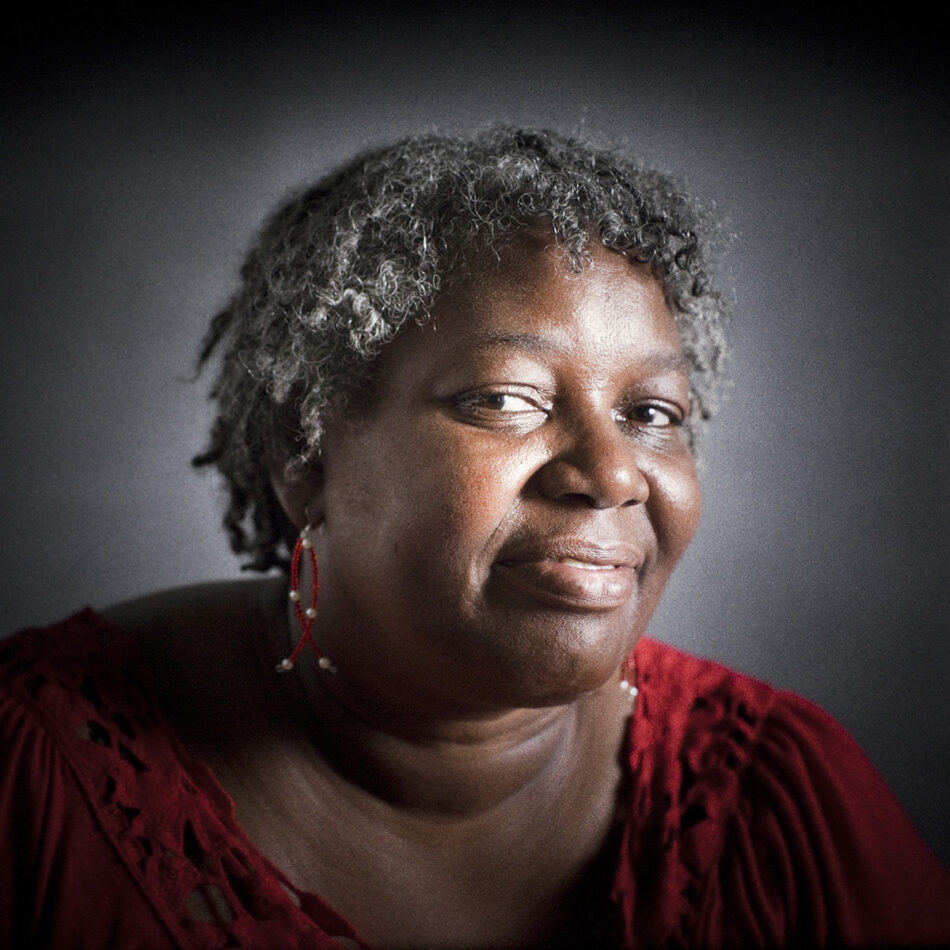
In 1985, I was incarcerated at the women’s correctional institution in Columbia, South Carolina. And during intake they take your blood and they run these tests, and then usually …
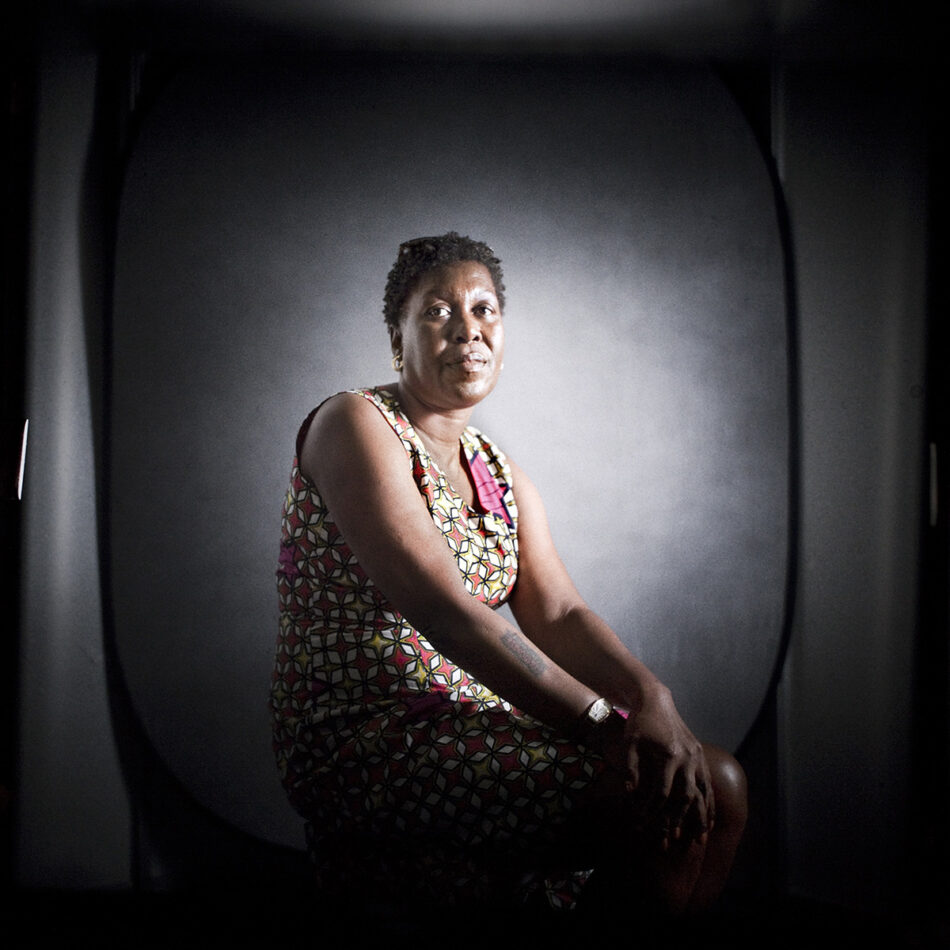
I found out about my HIV status 20 years ago, that was in 1990, I think. And, how I found out is when I had a cough, a persistent cough that didn’t go off. I was given medication for a …
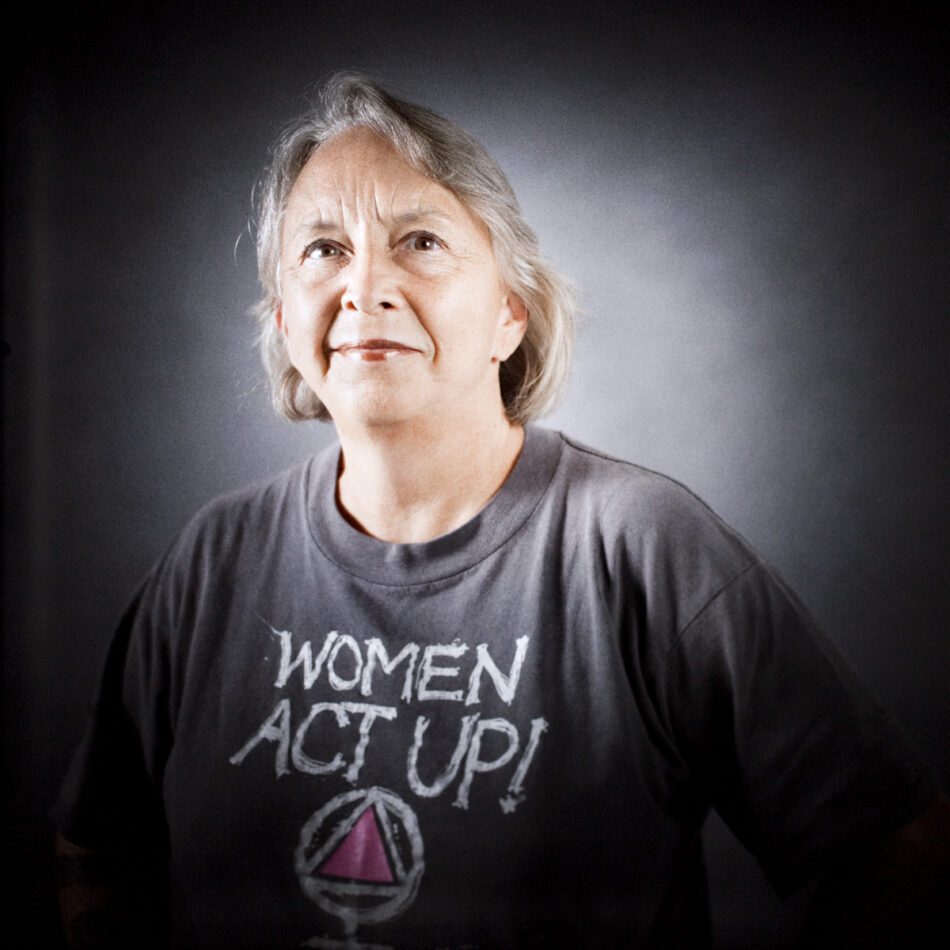
The doctor said, “You’ve tested positive for HIV, it must be wrong. Come in Monday, we’ll retest you.” I think, as a white woman in the suburbs in Cleveland, they didn’t …
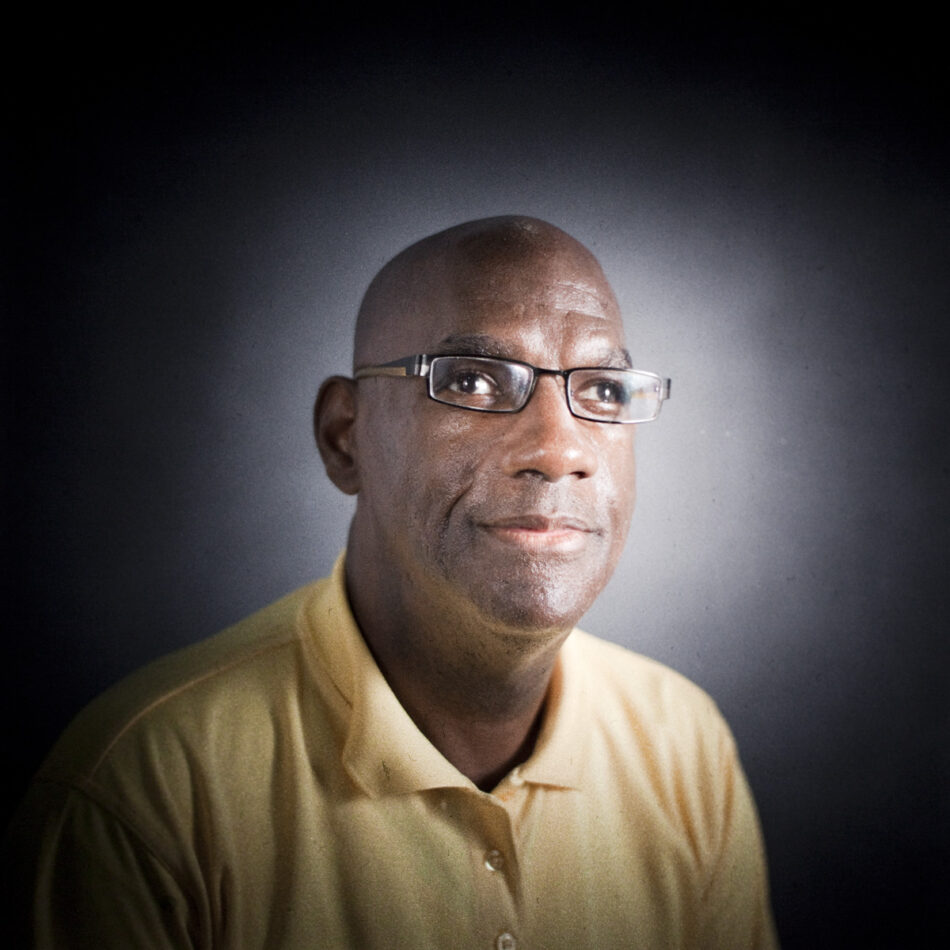
It’s not so much that I fear that I’ll die with HIV or AIDS, ‘cause I don’t think that’s gonna kill me anymore. But I think that some of the other co-occurring conditions are premature …

In San Francisco, it was the community that had to come up with creative ways to deal with all of this, and The Sisters of Perpetual …
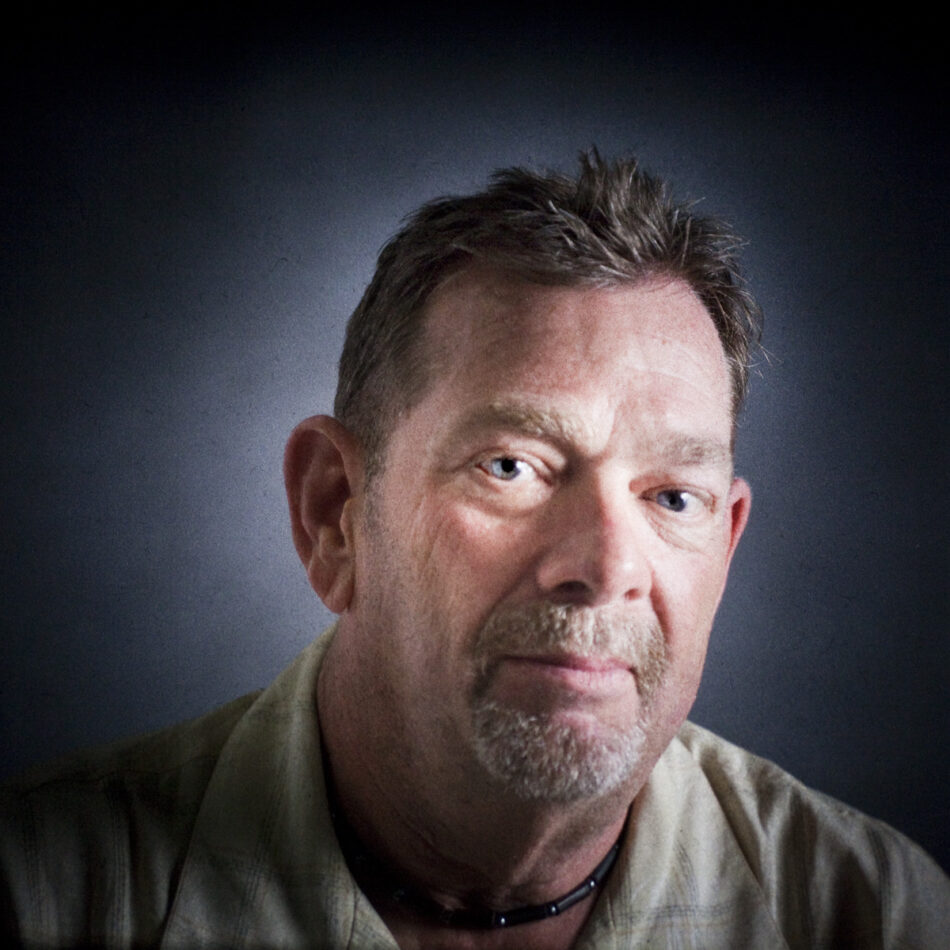
Back in the ‘80s when I found out I was positive, I was just hoping to get to see my son graduate from high school. Never in my wildest dreams were grandchildren a part of the …
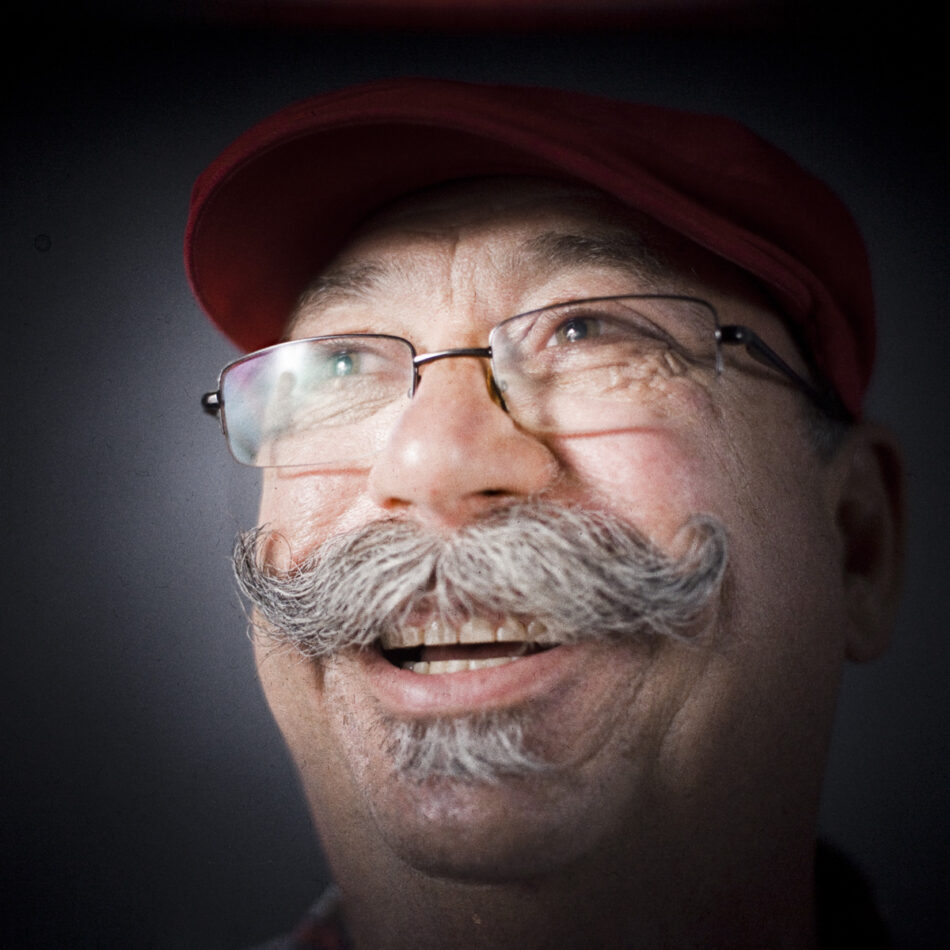
For me, I had to make that distinction between “Me the Caregiver” and “Me the Person.” I couldn’t see myself as the person in the bed, because if I saw myself as that person in the bed, …
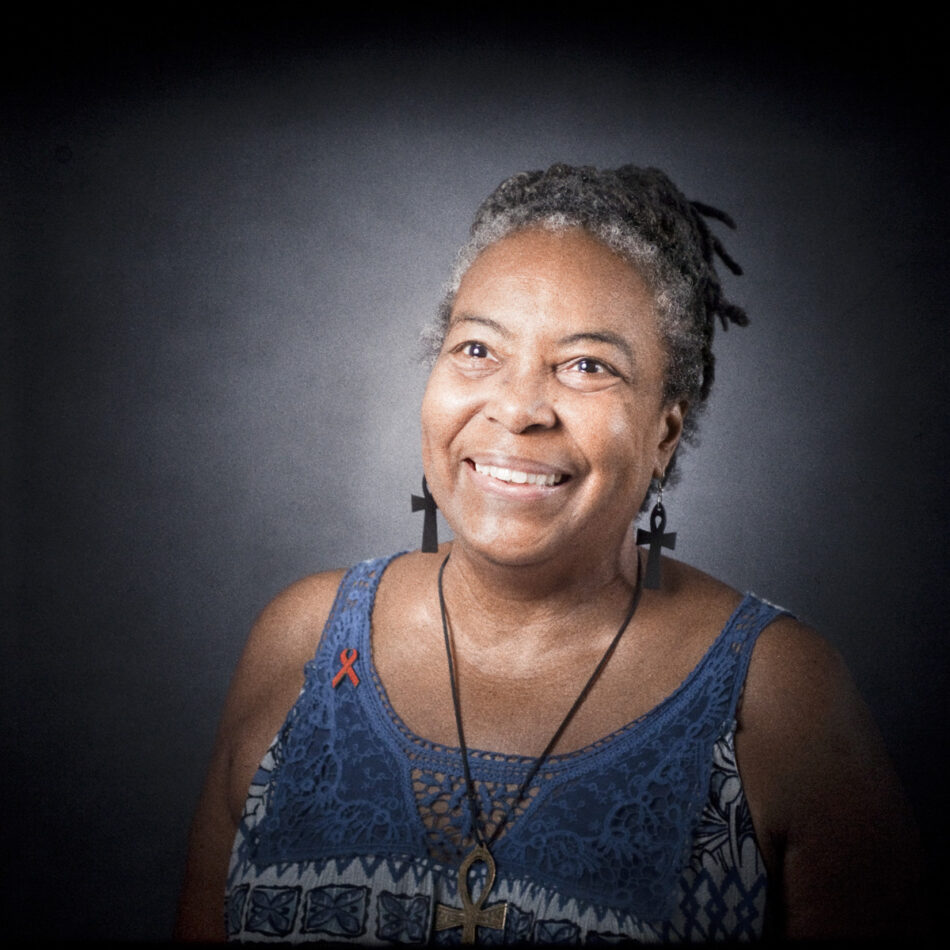
Initially, a lot of responses were: are you angry? You know, even my grandson expressed that he was mad. But I wasn’t. I had to accept my own responsibility. Listen, I could have ..
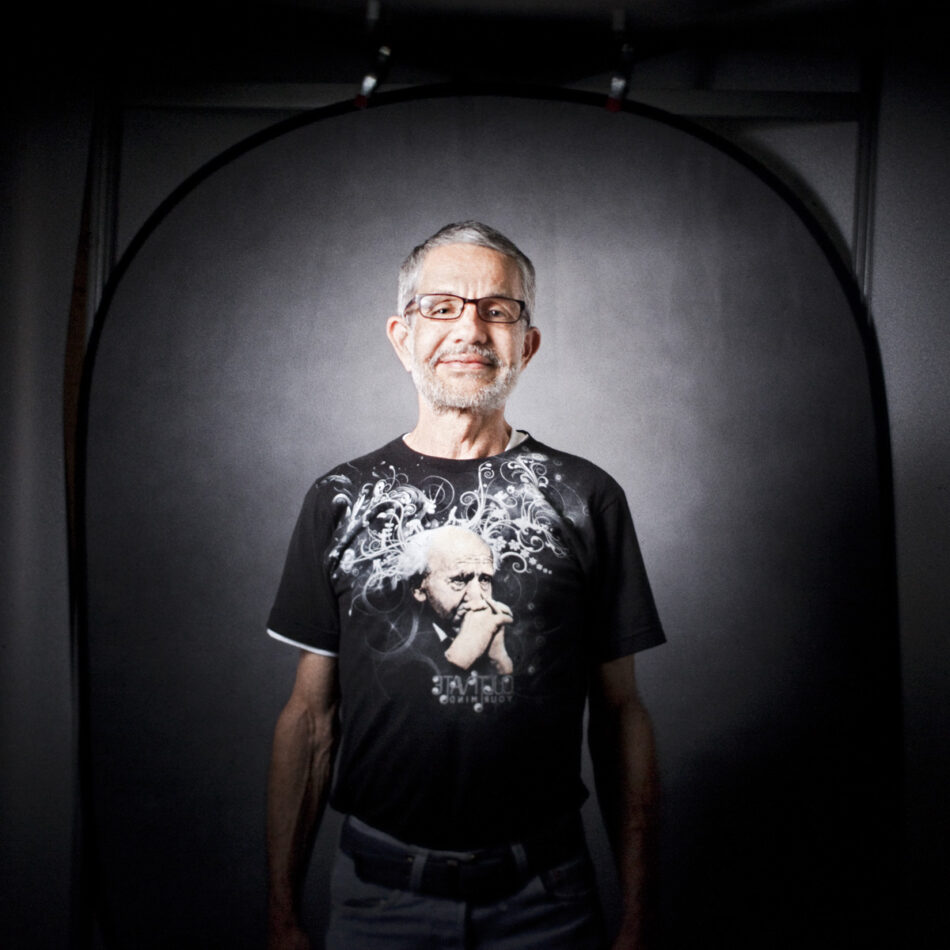
I think that we’re not a priority in the health system. They are thinking more in the young person. We are fighting for medicines, for treatment, we …
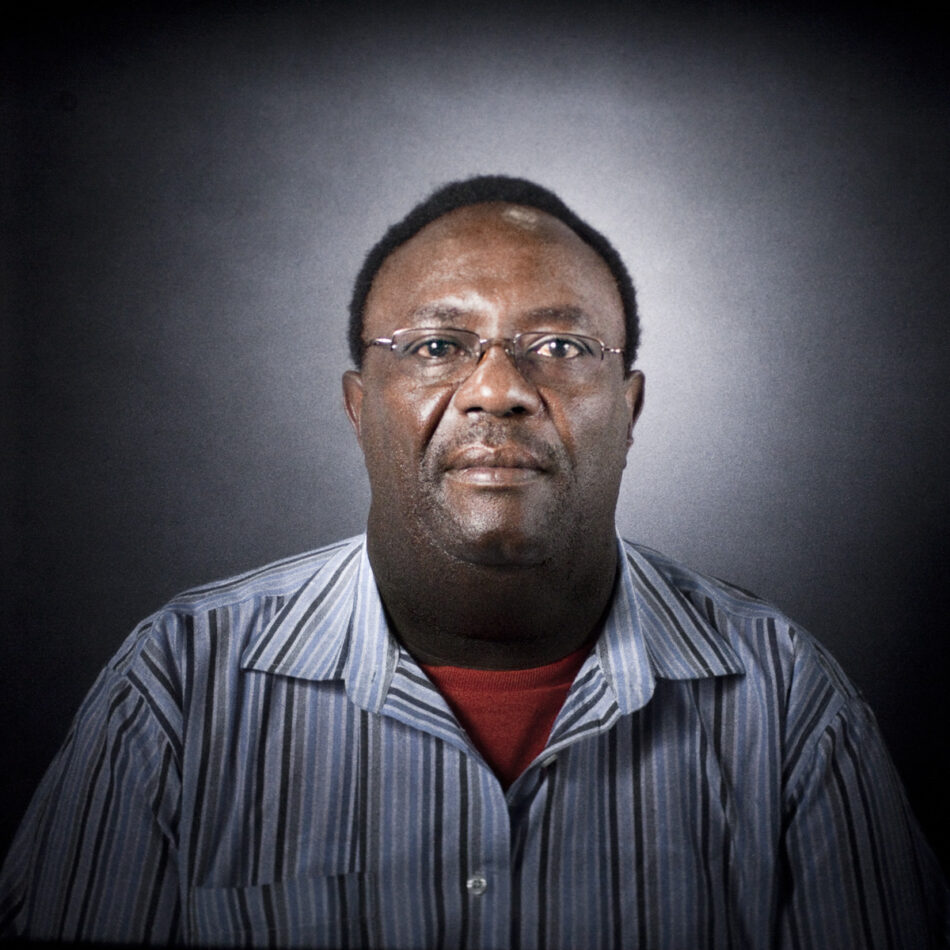
’m open about my status, so I do not care who I talk to when I am down. But I hardly go down because I rarely remember about HIV. It’s because I’ve internalized HIV in me, just the …
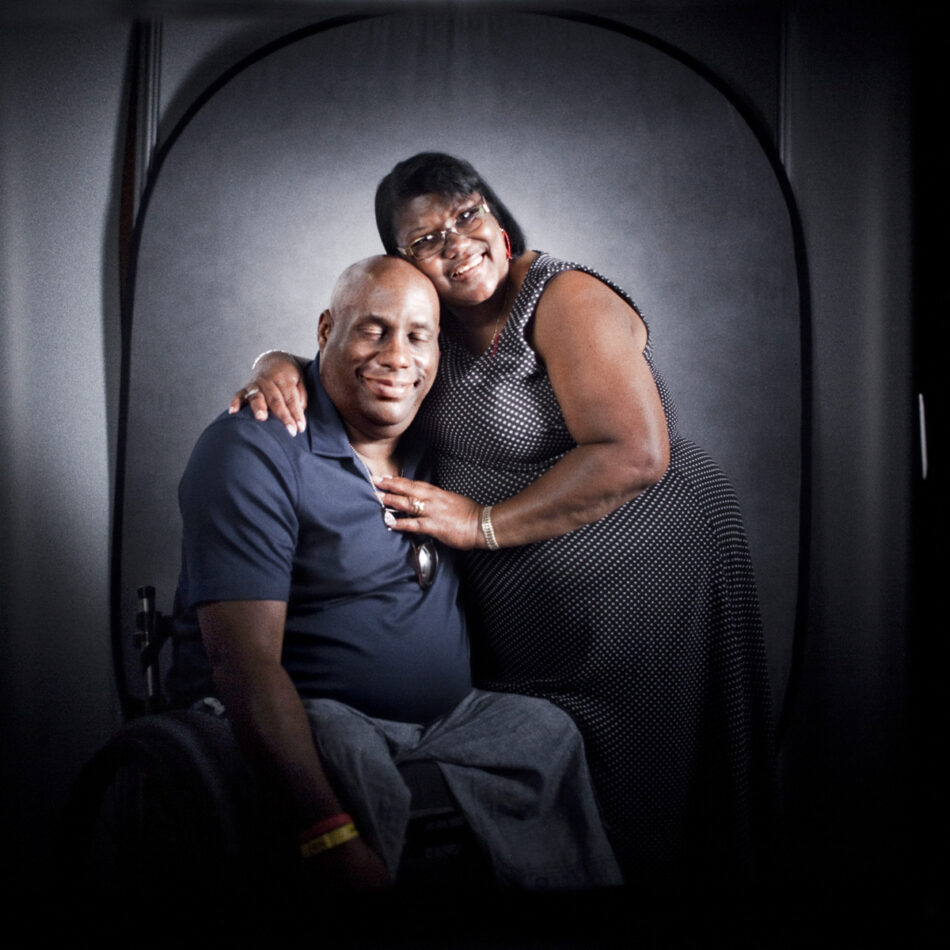
Ruth: Through my sobriety process I started feeling better about myself, started looking better, and I was like, okay, now let me address my HIV …
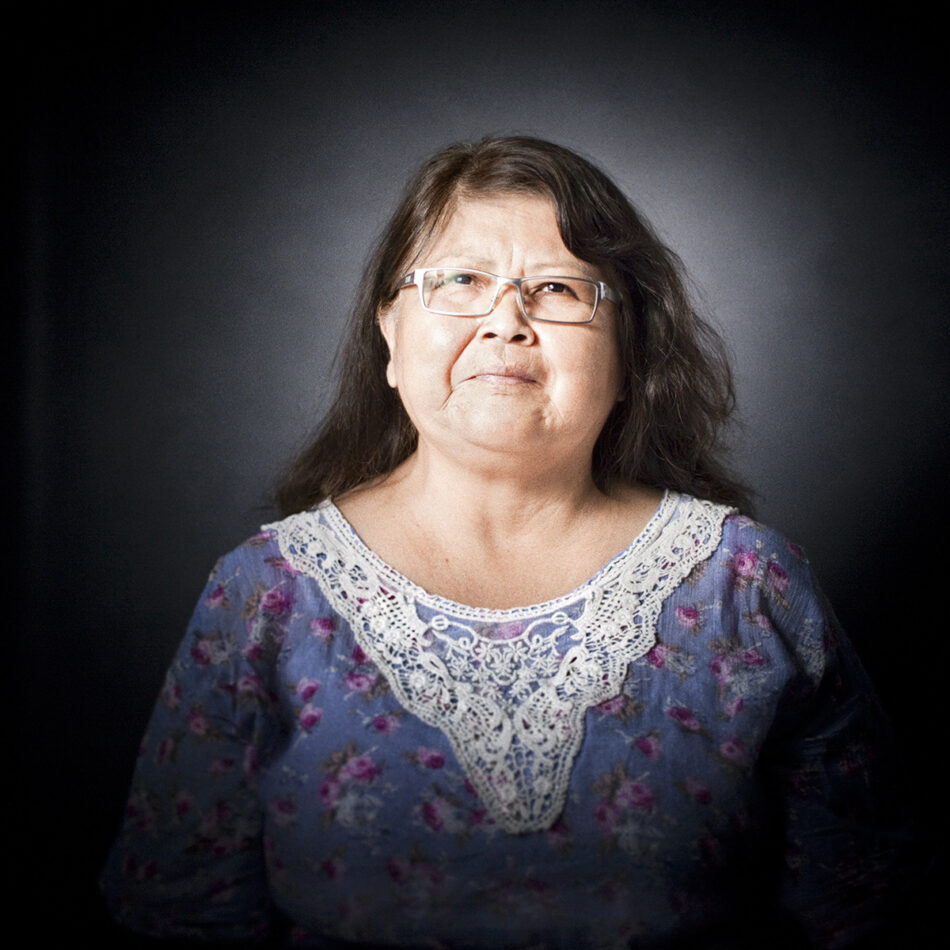
I’ve been doing a lot of healing through my culture and traditions…It actually came by accident, when I started attending the Canadian …
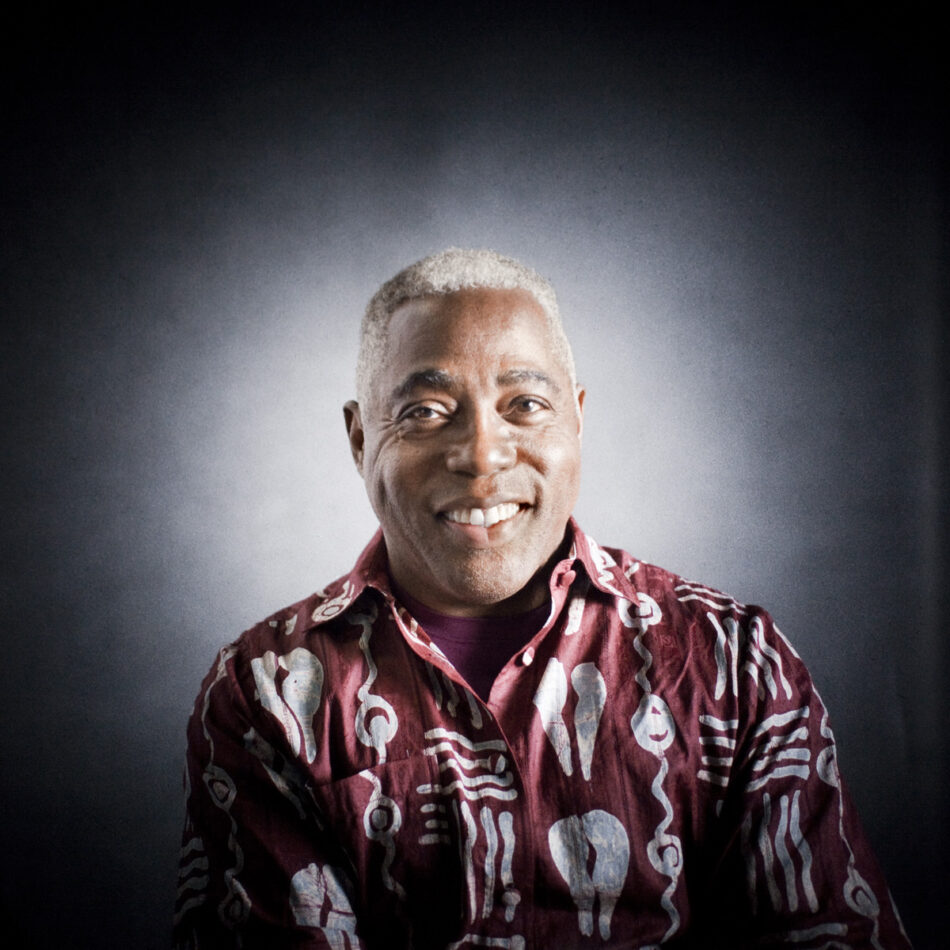
When I first discovered I was HIV, I started to reflect on my “formative years” as I call them, and they were so fantastic that I said, “You know …
July 8th, 2014
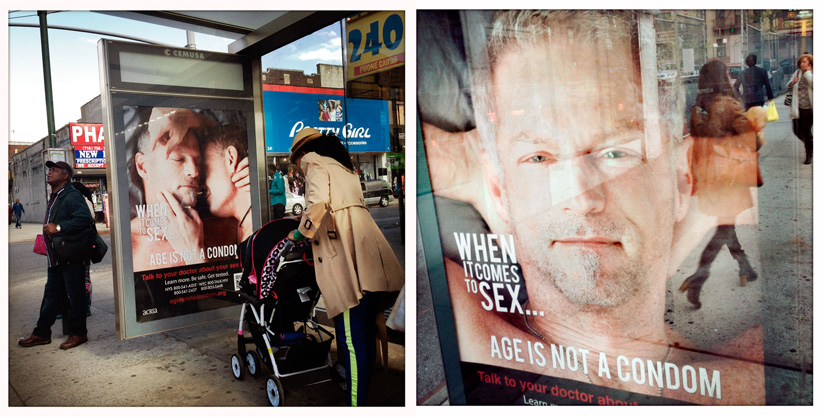
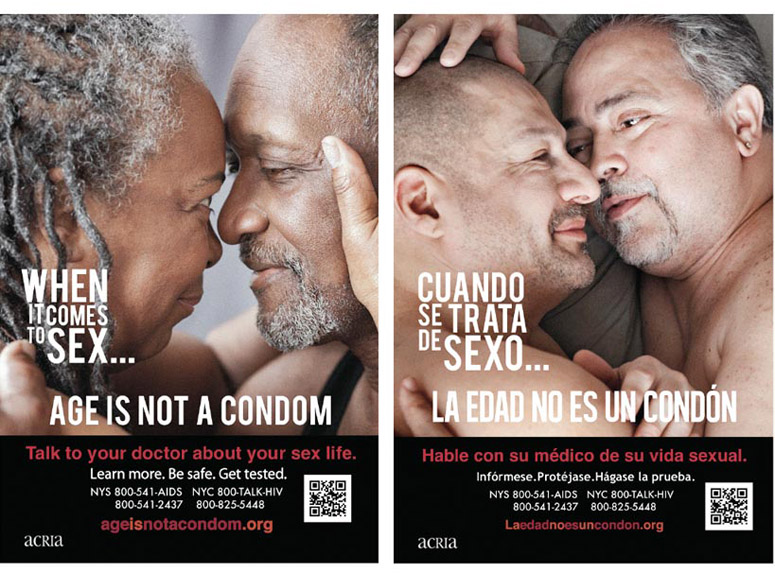
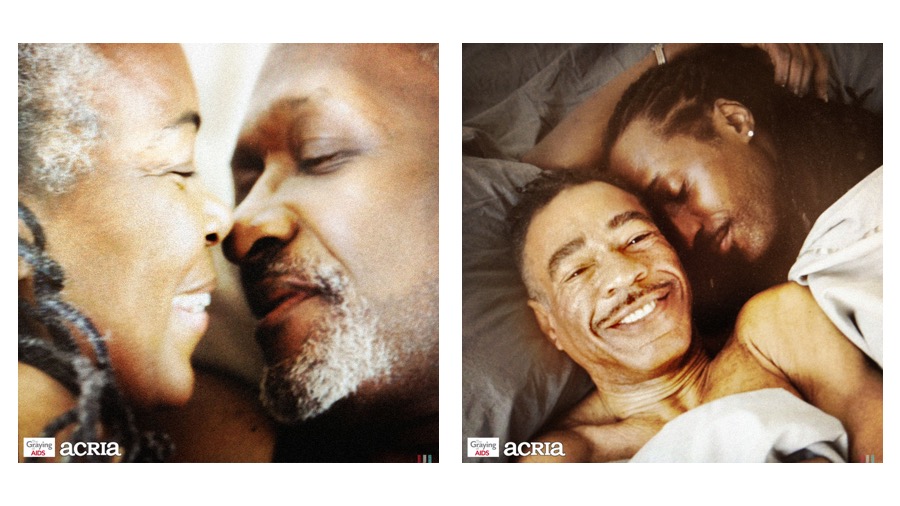
As we mentioned in our last blog post, earlier this year The Graying of AIDS worked closely with New York City-based AIDS research, education, and advocacy organization ACRIA to create an intimate portrait series of older adults – alone and with “partners”
June 30th, 2014
Our Ground-breaking Portrait Series for NYC’s “Age is Not a Condom” Campaign:
Here at The Graying of AIDS we think it’s a problem that we rarely see older adult intimacy in our media – it suggests that older adults aren’t sexual, or that their bodies should be hidden; ; on the rare occasion that we DO see older bodies in a sexual context, the images are often disrespectful or comical. We have long wanted to counteract this ageism
February 13th, 2014
The Graying of AIDS is excited to be working in collaboration with ACRIA on a new NYC-based HIV and aging awareness bus shelter campaign. While previous awareness campaigns have often used professional models or pictured individual older adults, …
December 3rd, 2013
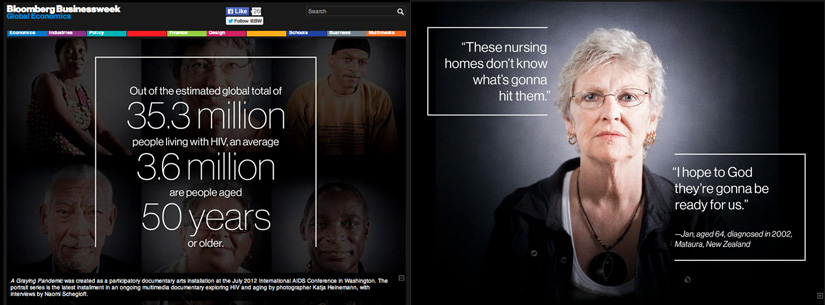
The last few months have brought some exciting new developments that suggest a growing awareness of the challenges affecting older adults living with HIV/AIDS, and new efforts being made to address some of those challenges. In honor of this 25th annual World AIDS Day …
June 26th, 2013
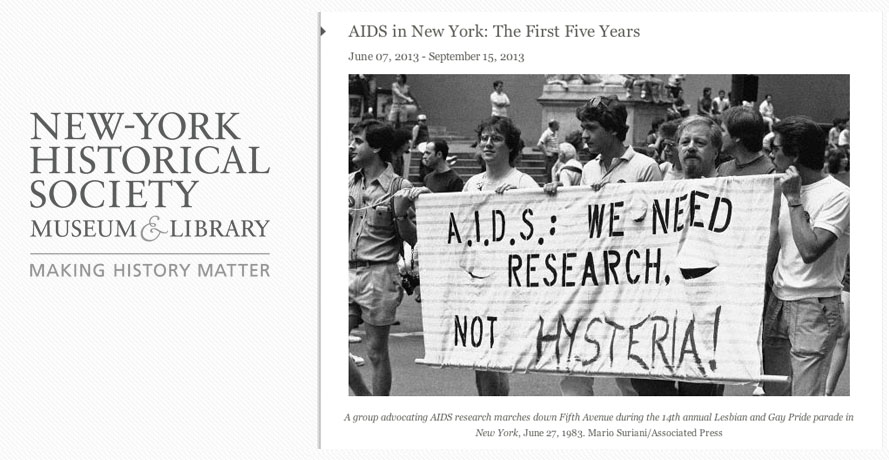
This summer New York City is offering a variety of opportunities to gain perspective on the history of AIDS and learn more about where things stand today. In addition to exhibits at the La Mama Galleria (closing this weekend) and The New York Historical Society …
December 6th, 2012
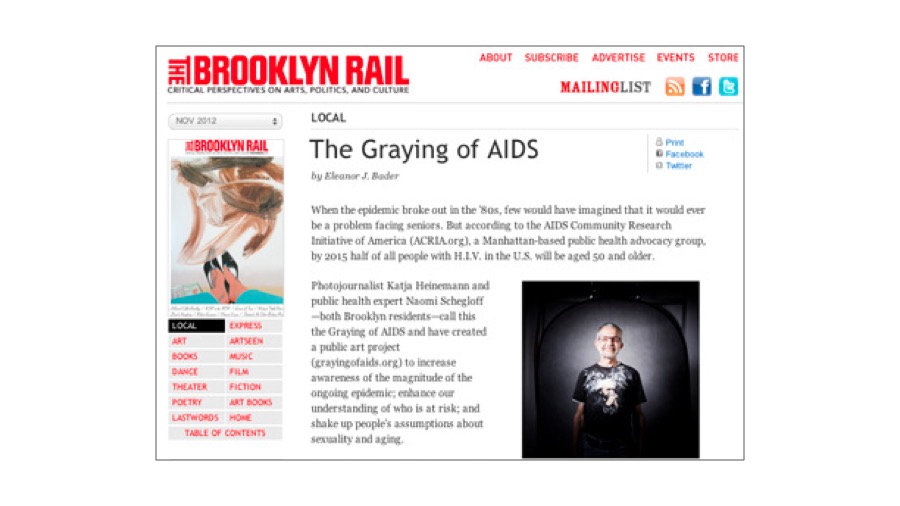
While the theme for World AIDS Day (December 1st) was “Getting to zero: zero new HIV infections. Zero discrimination. Zero AIDS-related deaths,” it seems that many in the mainstream media are focusing on the idea of an “AIDS-free Generation.” …
September 28th, 2012
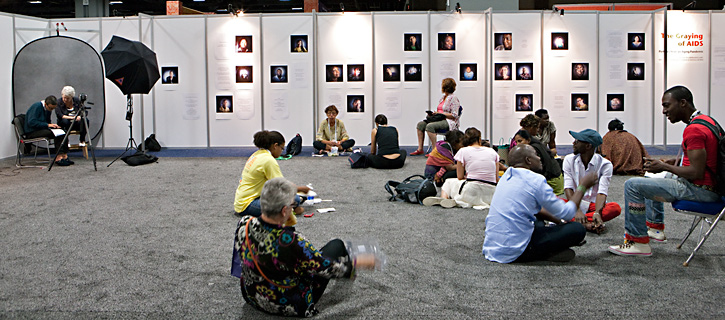
In the Global Village of the XIX International AIDS Conference – held in Washington, DC, from July 22-27, 2012 – The Graying of AIDS team worked with adults age 50+ living with HIV/AIDS from around the world to create A Graying Pandemic,…
July 31st, 2012
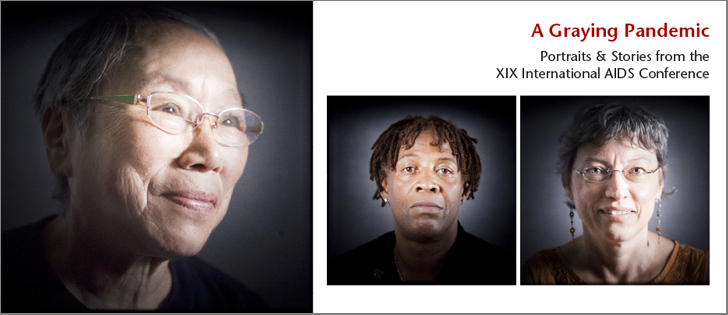
As Our Participatory Installation at AIDS2012 Closes, You Can Still Visit Our On-line Exhibition. Over the roughly five days that the Global Village at the XIX International AIDS Conference was open, The Graying of AIDS team worked with adults age 50+ from around the world …
July 20th, 2012
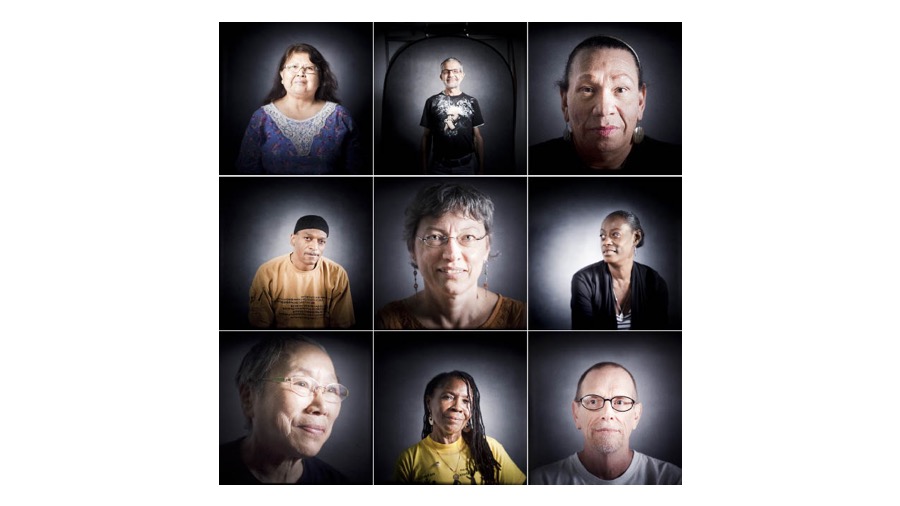
A Participatory Installation at the XIX International AIDS Conference
Washington, DC, July 22 – 27th…

July 19th, 2012
From March 28th – April 1, over 3,000 attendees and presenters swarmed Washington DC’s Marriott Wardman Park and Omni Shoreham hotels for Aging in America, the 2012 annual conference of the American Society on Aging (ASA). …
April 27th, 2012
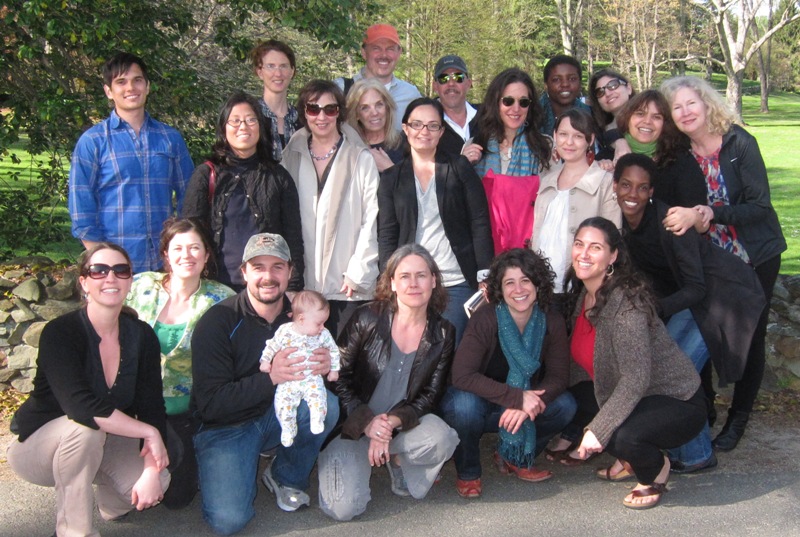
A Residency on Aging, Documentaries, and Audience Engagement
In the 2+ years since The Graying of AIDS received support from the Open Society Foundations to create our multiplatform outreach and education campaign, we have met a remarkable array of people from across disciplines who are concerned …
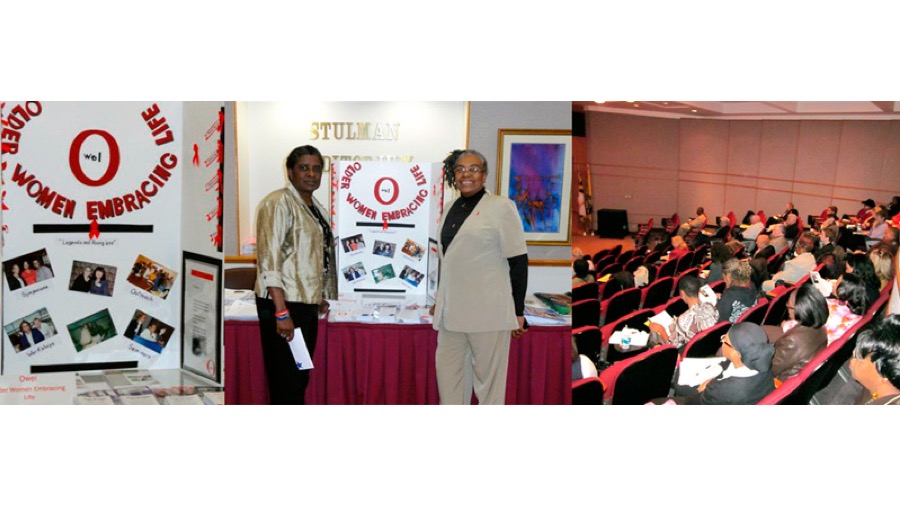
April 26th, 2012
March Was a Whirlwind: The Graying of AIDS on the Road. March was an inspiring, information-and-opportunity-packed month for The Graying of AIDS. First Naomi was invited to participate in a panel at Baltimore’sGraying of HIV: An Aging and Growing Population …
With early detection and treatment, many people are able to live with asymptomatic HIV for many years before progressing to an AIDS diagnosis, which happens when …
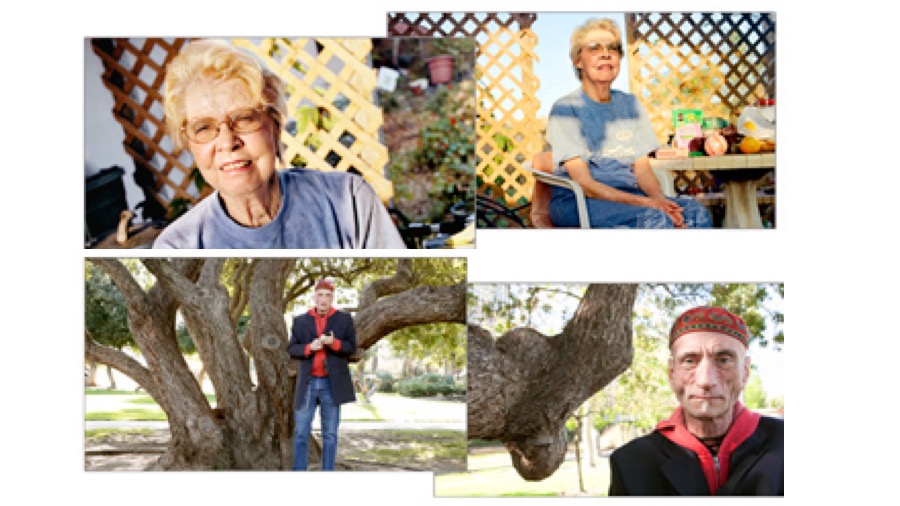
February 27th, 2012
Since Katja first began her work on The Graying of AIDS in 2006, we have lost a number of the extraordinary people profiled in our project to a variety of AIDS- and/or aging-related illnesses. We are deeply saddened to report the recent passing of two more of our much-beloved participants: Sue Saunders (age 78) and Richard Kearns (age 60)….

February 17th, 2012
It’s an exciting time for The Graying of AIDS, with two wonderful new developments in the evolution of our project involving two exemplary independent documentary film organizations: Working Films and Chicken & Egg Pictures….
December 14th, 2011
The Graying of AIDS is not just a documentary project about HIV/AIDS, but about aging with HIV/AIDS. As it turns out, ours is one of many documentary projects in recent years that are taking a closer look at various aspects of aging in America today.
December 7th, 2011
On World AIDS Day we soft-launched a new blog on our website, “Artists Responding to Aging and to HIV/AIDS,” or “ARTAHA.” As we explain in some detail in our introduction to the blog, we have been inviting older adults living with HIV as well as people of all ages from the arts, HIV/AIDS, and aging services and research communities

As a nurse, I have been working in HIV for 19 years and I am still moved with compassion whenever
December 2nd, 2011
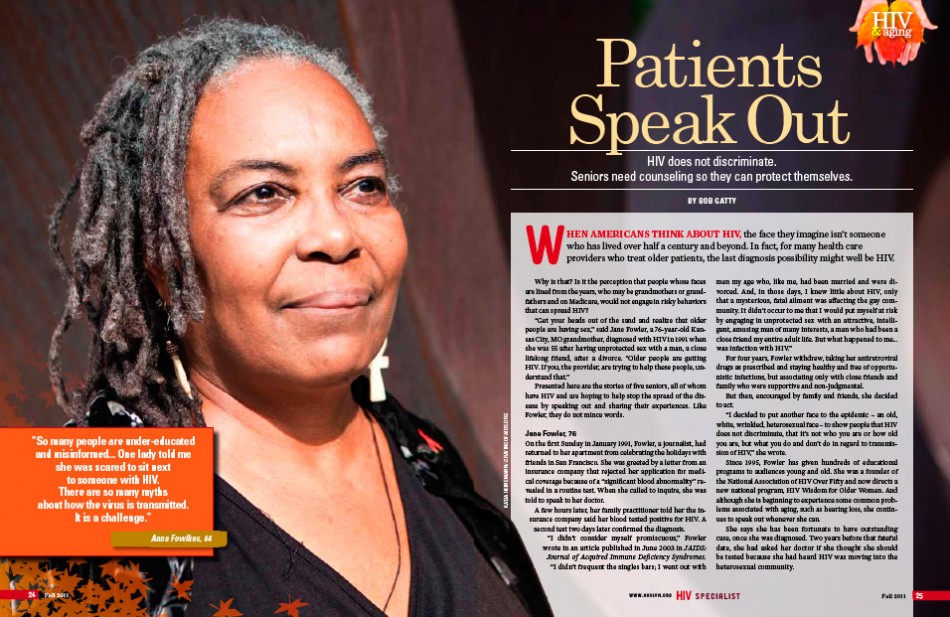
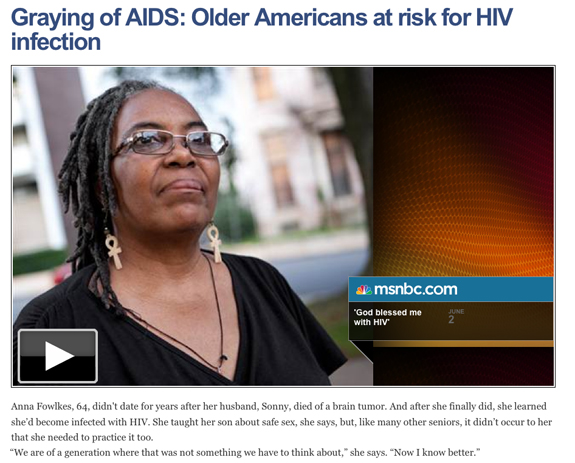
“People just don’t know. They think it’s gone. The only way it will ever go away is by educating, people speaking out, making it a media noise. And I think that’s the only cure.” –Anna Fowlkes, age 64, Baltimore, MD. This year marks the 30th anniversary of the AIDS epidemic, and yesterday was World AIDS Day…
When I was first diagnosed, information about HIV was only provided by medical personnel. However, there was no information about
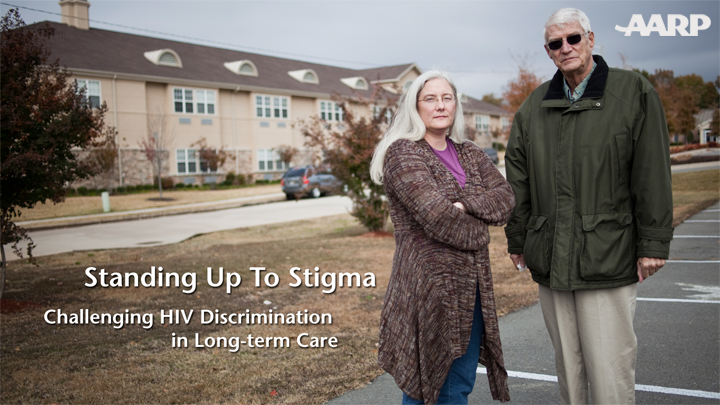
“What if there are many other older people, and this is the first wave of them, who are not used to speaking out about anything, and they’ll just quietly pack up their blankets and leave? And I thought, damn, that’s not right.”
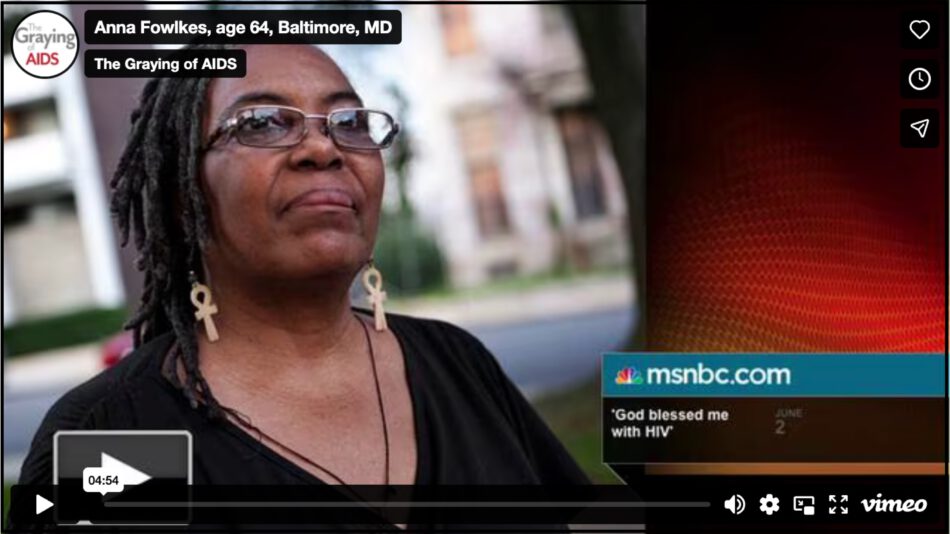
Anna has worked with the Graying of AIDS project in many capacities over the years. This video was produced for MSNBC for World AIDS Day, Dec 1st, 2011. A tireless advocate for older adults, aside from media outreach and community organizing, …
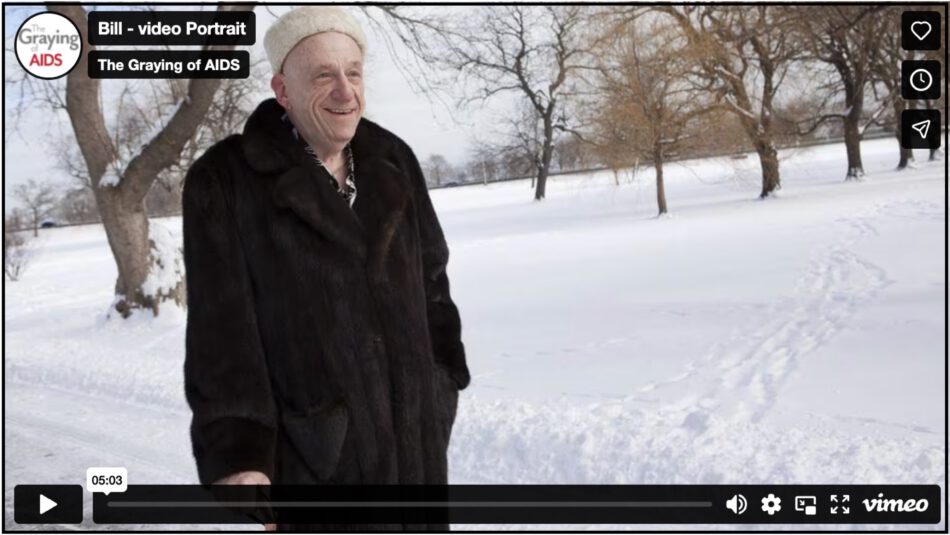
Diagnosed in 1985, Bill lost his partner of 17 years in the early days of the epidemic. He is a founding member of TPAN (Test Positive Awareness Network) in Chicago, and continues to be an active participant of the SAGE support group. …
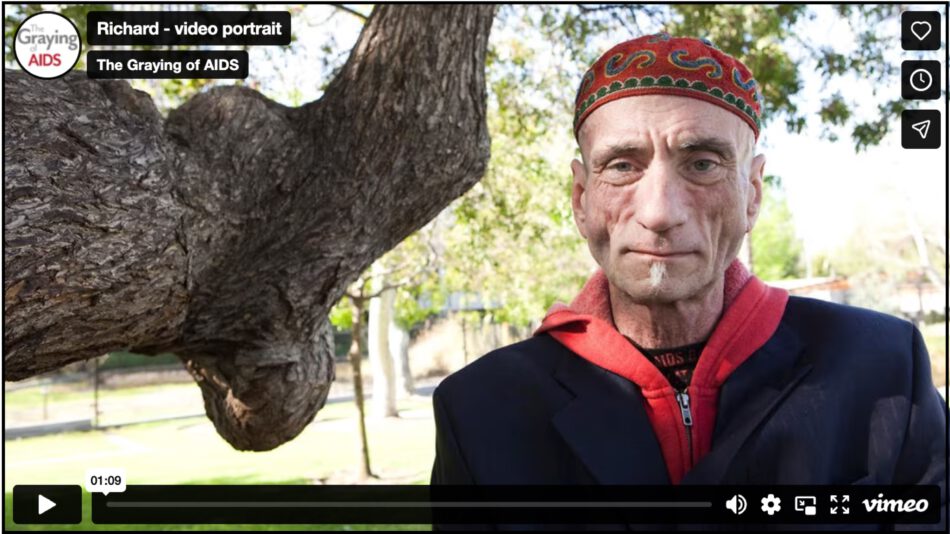
A poet, journalist, activist, and Graying of AIDS advisory panel member, Richard is a long-term survivor living in Los Angeles. His blog – a cultural activist’s site with intended social, artistic, and political impact, …
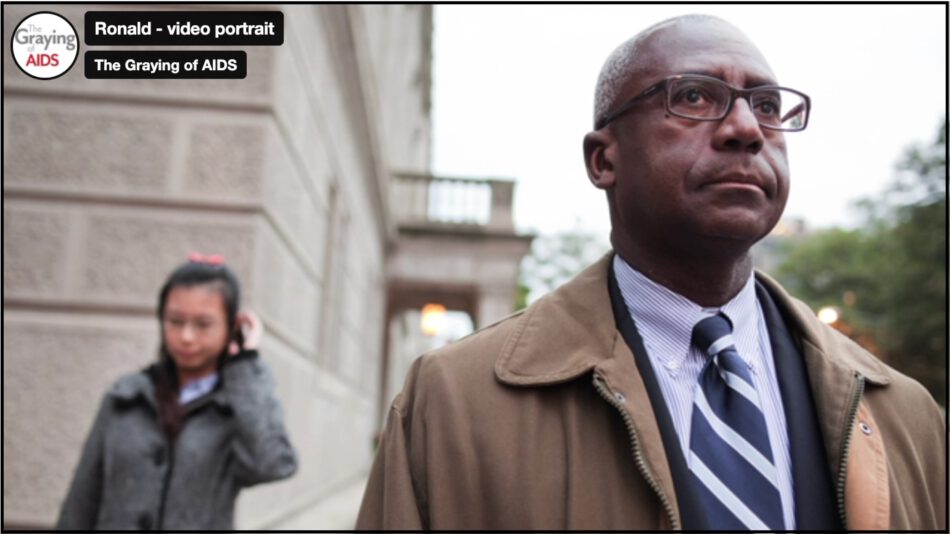
Diagnosed in 1989, Ronald lost his partner in the early days of the epidemic. In the years since he has worked with a variety of important policy and advocacy organizations tackling a range of issues central to the HIV/AIDS epidemic in the US …
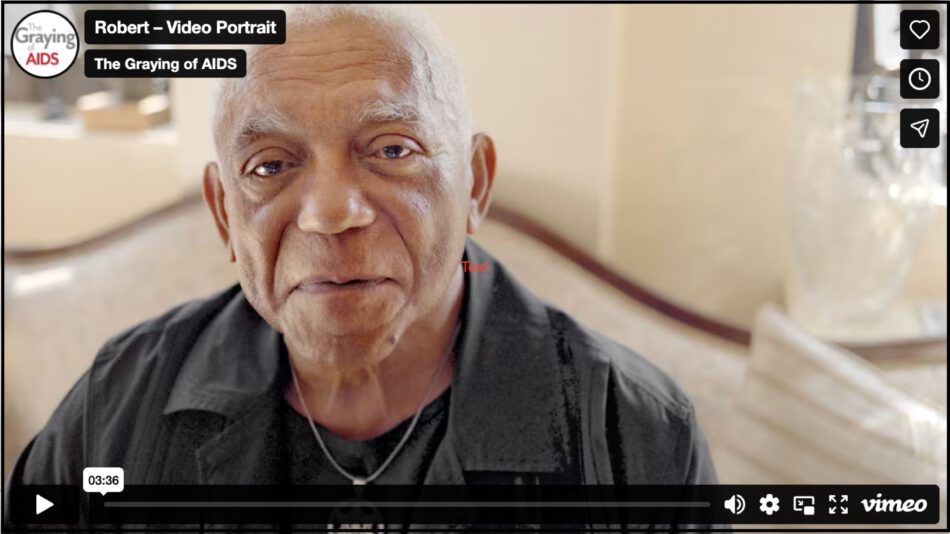
A long-term survivor living with HIV, Robert has been active in the arts and HIV-positive communities of New York City for years. Classically trained as a vocalist and musical director specializing in German song cycles, he was the artistic director of the Robert Brewster Chorale …
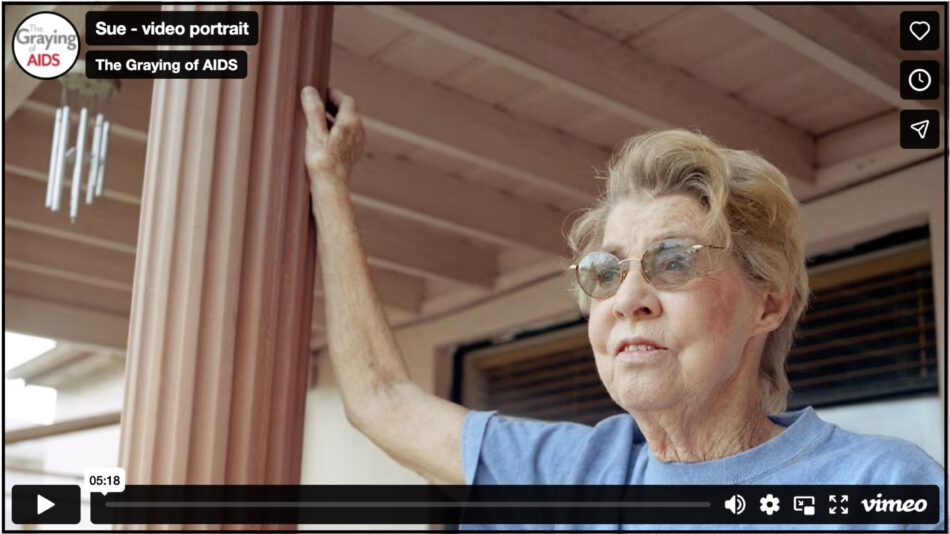
Diagnosed in 1991 at the age 58, Sue helped launch Florida’s first Seniors HIV Intervention Program (SHIP). Unfortunately, the SHIP program was shuttered in 2010 due to budget cuts. Sue has four grown children and one grandson. …
November 21st, 2011
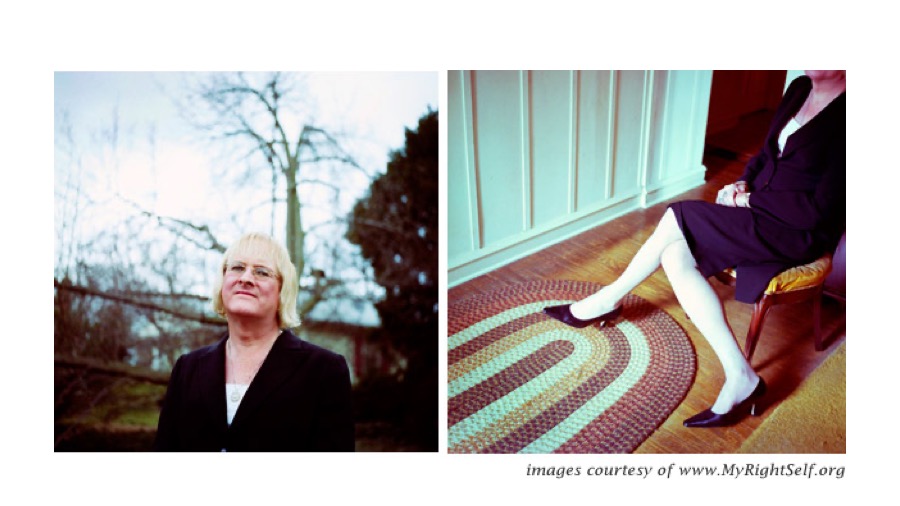
“Being transgendered is such a singular experience, how can you adequately explain it to someone who isn’t transgendered? There is no common frame of reference. I can go on and on talking about the years of wandering alone in the darkness, searching, lost and confused and the blissful sense of serenity and peace of mind that I feel at this instant.”
–Ashley, quoted from My Right Self…

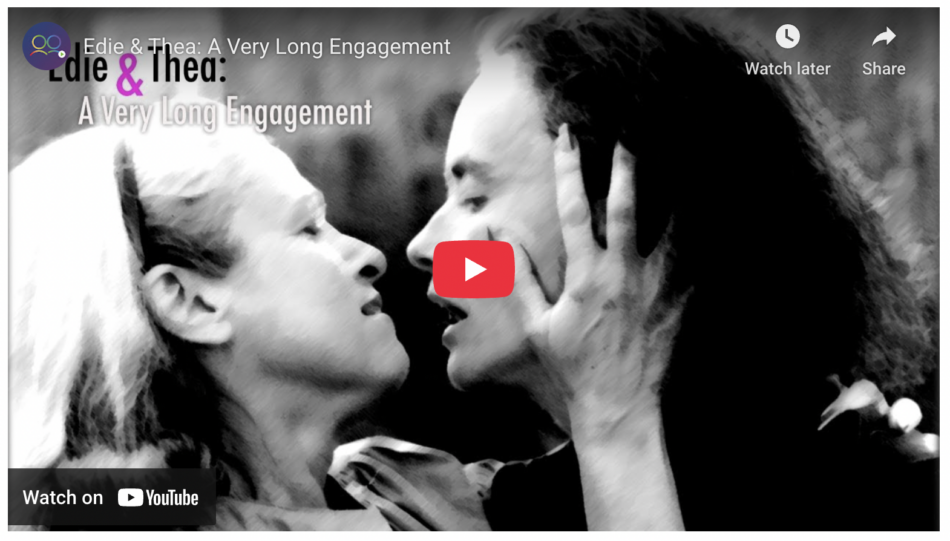
Edie and Thea: A Very Long Engagement portrays a love story, through photographs and interview clips, of a once young

A song from Flower Drum Song by Rodgers and Hammerstein has become a precious note to me on life and living
November 2nd, 2011
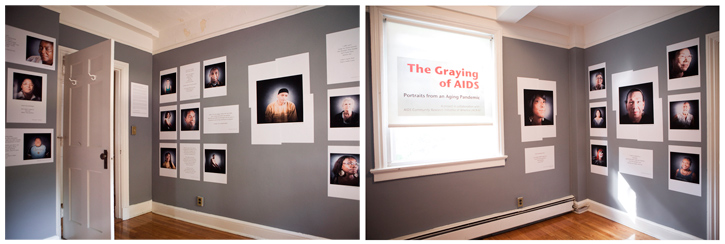
As we continue to think about creative new ways to introduce the issues raised in The Graying of AIDS to diverse audiences, we thought we’d reflect back on some of the highlights of our experience this September as participants in the Governors Island Art Fair….
September 20, 2011
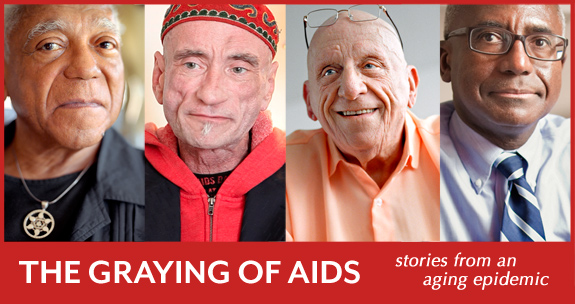
In recognition of the fourth annual National HIV/AIDS and Aging Awareness Day on September 18th, The Graying of AIDS teamed up with the National Resource Center on LGBT Aging to highlight some of the extraordinary LGBT-identified older adults …
September 9th, 2011
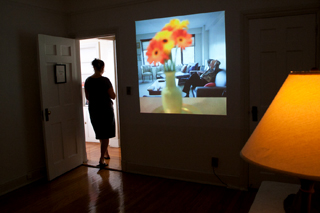
The Graying of AIDS is thrilled to present our work as part of the fourth annual Governors Island Art Fair, which opened Labor Day weekend and will continue every Friday, Saturday, and Sunday through September 25, 2011. The event is presented by 4heads, a New York-based arts group that transforms otherwise unused spaces…

In 1996, I directed a production of Steven Dietz’ Lonely Planet for InterAct Theatre Company, an organization I founded in
June 8th, 2011
While HIV/AIDS in the US generally receives little media attention these days, there has been a recent surge in coverage in recognition of the 30th anniversary of the AIDS epidemic. On June 5, 1981, the CDC’s MMWR Weekly published a brief account of a cluster of rare infections among otherwise healthy young gay men; this publication is generally regarded as the first public recognition of what came to be known as HIV/AIDS….
I was born in 1981, the year generally considered to be the start of the AIDS epidemic. I have never

I do not know an adult life without HIV. In 1981 I entered college, began my life as a gay
A collection of media coverage featuring the Graying of AIDS project; for a news media round-up of current articles on
“Probably the most moving thing I have ever read on HIV/AIDS was And the Band Played On, by Randy
At its core, The Graying of AIDS project is run by a two-person team, so we couldn’t have come this far without
If you find the stories and issues explored in The Graying of AIDS compelling, we urge you to channel your energy, ideas, and other resources into meaningful action. …
The Graying of AIDS is committed to supporting early- and mid-career professionals as they expand their knowledge and professional skill
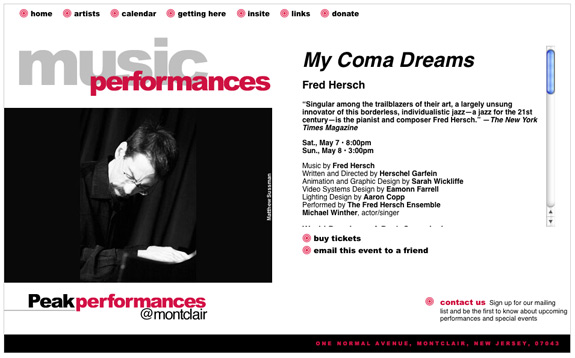
May 31st, 2011
People who know about Fred Hersch tend to know about the pianist’s evocative, eloquent compositions and improvisations, which regularly blur the lines between jazz and other musical genres. They may know that the 55 year-old musician has been HIV-positive since the mid-1980s and has weathered many highs and lows along the way.

April 12th, 2011
According to a June 2010 “Fact Sheet” by the Maryland Department of Health and Mental Hygiene, 8% of all state residents living with HIV at the end of 2008 were aged 60 or older. Of the 2,586 new diagnoses in 2008, 6.7% were 60+, as compared to 2.8% back in 1985….
The Graying of AIDS materials are available as PDF download or can be ordered as a 44-page print magazine via the MagCloud print-on-demand service. …

The arts have always played a critical role in examining challenging issues, exploring diverging perspectives, and communicating personal truths. In
March 16th, 2011
A new report out of the US Department of Health and Human Services Office highlights how few seniors are currently accessing critical preventative health services, with minority seniors even less likely to receive these services. Findings indicate that if seniors received the 20 recommended prevention services (including potentially life-saving screenings and vaccinations), over two million people would have been alive during 2006, …
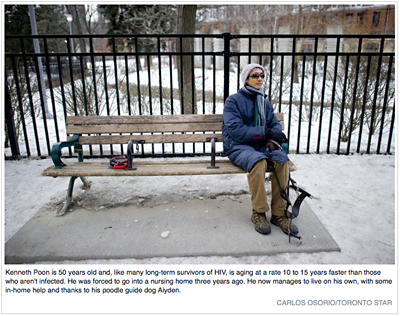
March 2nd, 2011
From thestar.com, the on-line face of The Toronto Star, comes word that many of the same challenges confronting long-term and nursing care providers in the U.S. are taxing providers further north, and many Canadians aging with the virus are struggling with the same pressures and fears facing their American peers, despite easier access to treatment under Canada’s health care system….
February 25th, 2011
Jane E. Brody’s piece for this week’s Health Section of The New York Times — “Tackling Care as Chronic Ailments Pile Up” – speaks directly to two of the central concerns of The Graying of AIDS: the need for better communication between patients and their doctors, and the need for coordinated care (including increased communication between care providers) to better address the many challenges confronting people living with multiple chronic conditions….
February 19th, 2011
GMHC’s Sean Cahill brought the aging of the HIV/AIDS epidemic to the attention of a much wider audience with his recent piece in the Huffington Post. In the piece, entitled “The Long and Winding Road: Growing Older with HIV,” Cahill — the organization’s Managing Director for Public Policy, Research, and Community Health — introduces the reader to three older Americans living with the virus and explores some of the larger issues …
February 15th, 2011
ust in time for Valentine’s Day: the federal powers-that-be have started drawing their lines in the sand for fiscal year 2012, and HIV/AIDS advocates, researchers, and providers have reason to be hopeful, although House Republicans are likely to put up a fight. At a time when other key budgets are being slashed, many HIV/AIDS organizations are relieved to see the President’s continued commitment to The National HIV/AIDS Strategy …
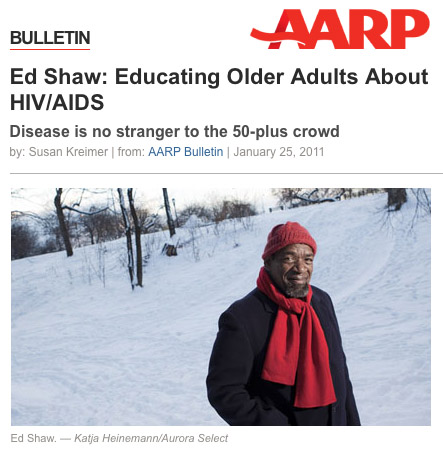
January 28th, 2011
Congratulations to Graying of AIDS advisory panel member Ed Shaw, whose lengthy career as an HIV/AIDS educator and activist was recently highlighted in a piece for AARP Bulletin (photograph by our own Katja Heinemann).
The piece highlights Shaw’s journey living with the virus and situates it in the context of the overall aging of the epidemic. It also draws attention to his extensive work in the community, with a particular focus on his role as chair of New York Association on HIV Over Fifty, his intergenerational work, and his recent advocacy work on the state and national levels….
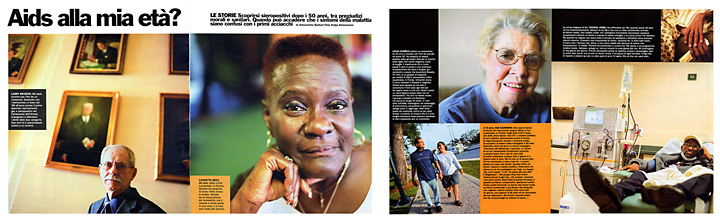
These portraits and interviews were initially produced by photojournalist Katja Heinemann for Time Magazine in 2006, as both a photo and multimedia essay to draw attention to the aging demographics of people living with the virus in the United States. …
Sex education is not just for kids and condoms are not just birth control. “How will I ever tell my children?” In my work with seniors who have contracted the HIV virus, I have …
Carnetta Best Fort Lauderdale, Florida When Carnetta was interviewed in 2006, she was living in a transitional residence for
Choosing not to have sex or share needles is the most effective way to avoid possible exposure to HIV, but there are other very effective ways to reduce the chances of transmission …
December 2nd, 2011
In honor of World AIDS Day (12/1/10), the website for the AARP Bulletin highlighted the story of Dr. Robert Franke and his family. The multimedia piece (created by Graying of AIDS Project Director Katja Heinemann) and accompanying article explore the challenges the family faced after Dr. Franke decided he was no longer able to care for himself, relocated to Little Rock …
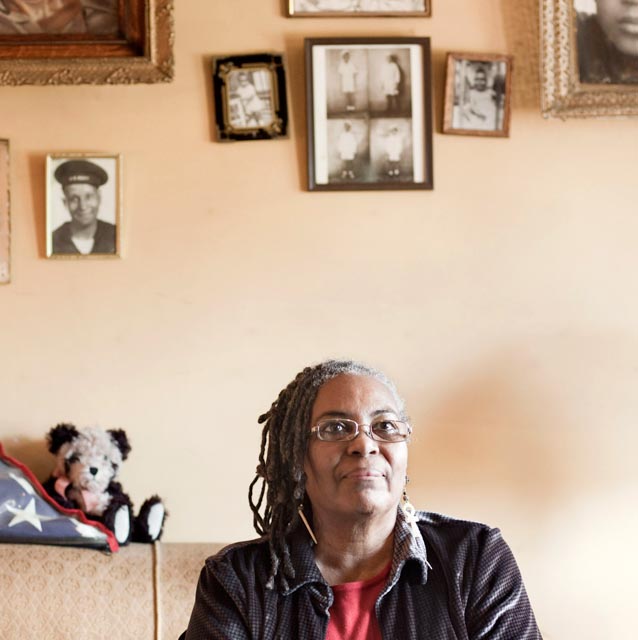
I met my husband in a night club. He was one of the musicians there and I used to go because I liked to dance. He was the love of my life. We had a wonderful marriage, you know …
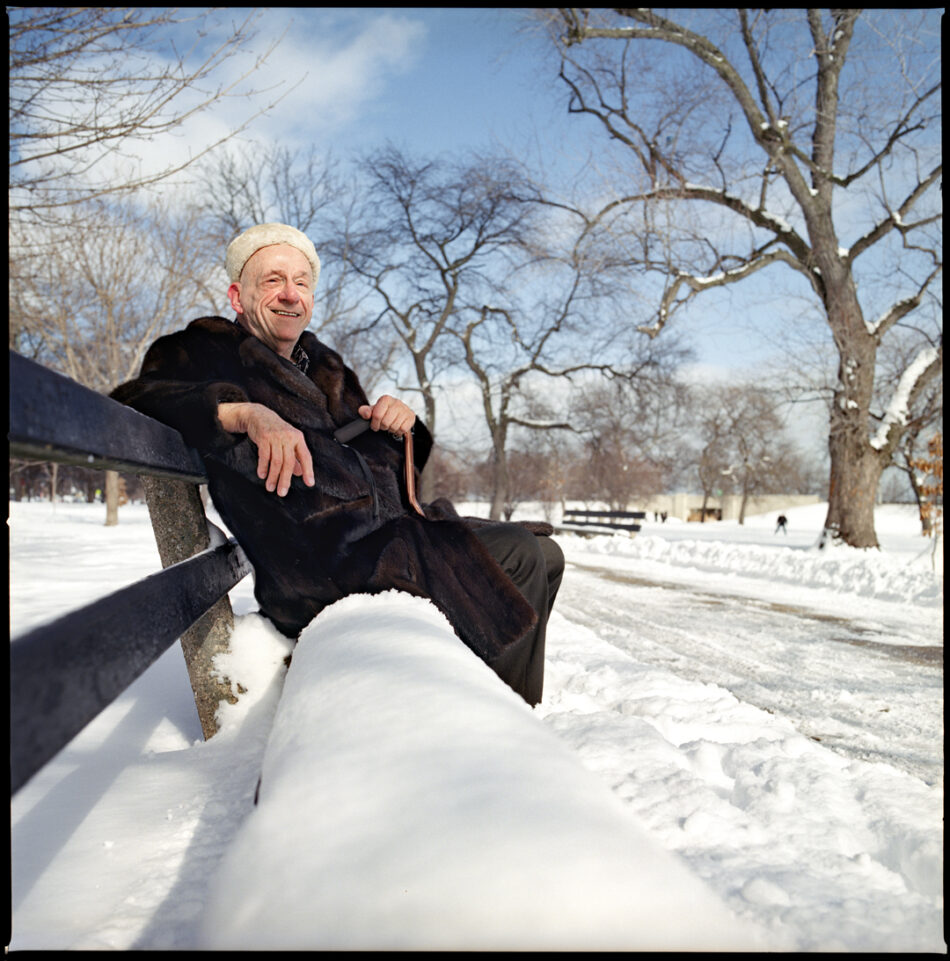
No matter what we do, sex is a beautiful gift, because it is such an exhilarating feeling, and it’s such a positive way of getting the feeling that I am wanted in this world …
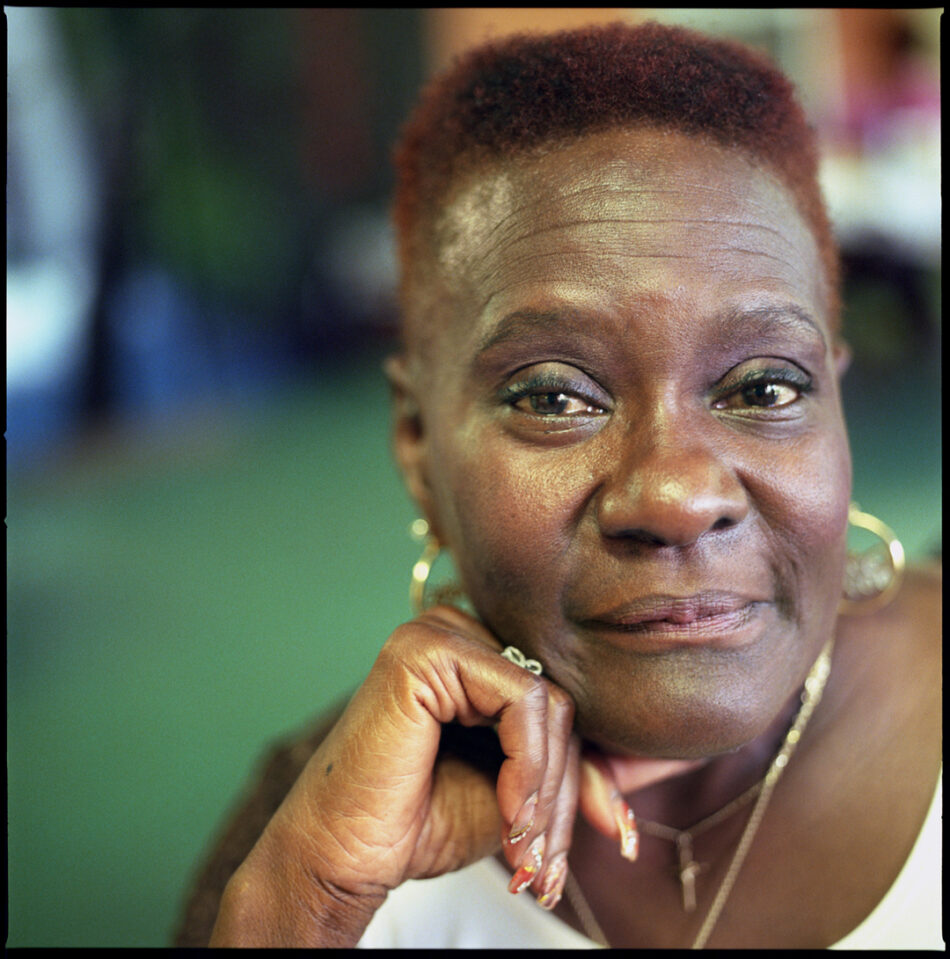
I would like to say that it’s not the end. There was a time when somebody said you had HIV, you felt like you were doomed. …
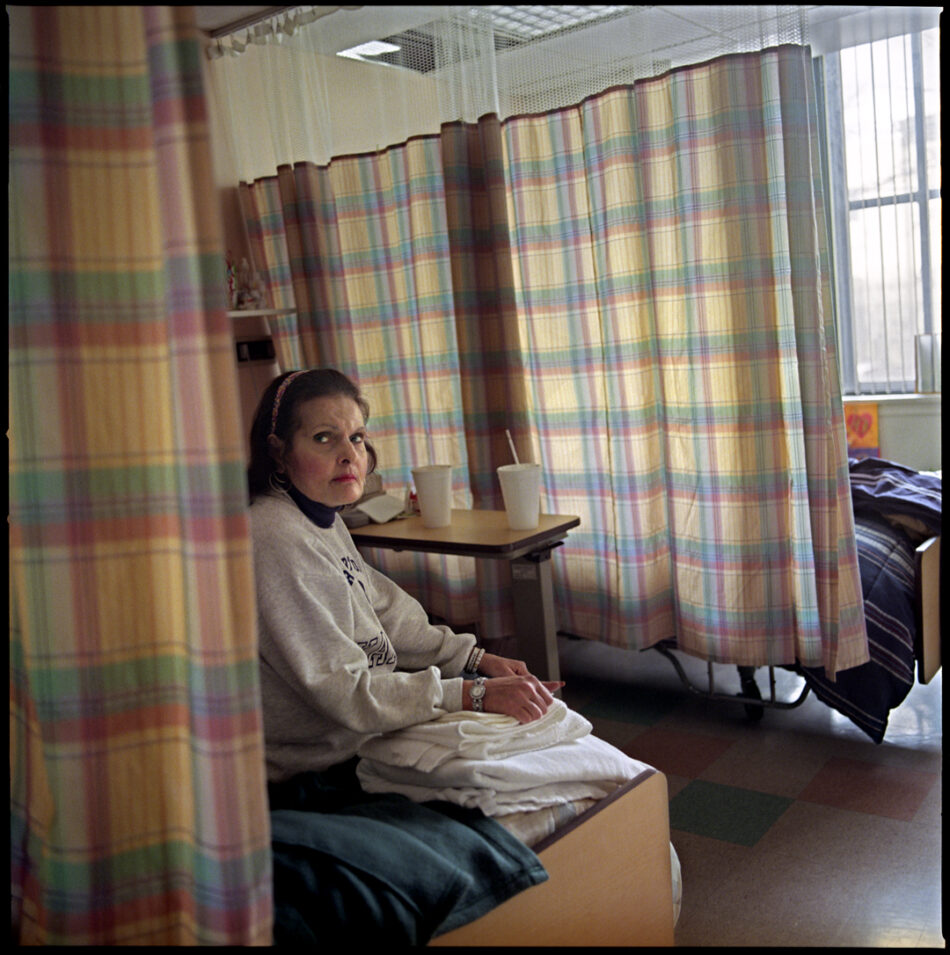
I don’t feel old. I never thought of myself as being 57, 60. I didn’t think that far, you know. I feel young at heart. I like to have fun. I don’t know, just being happy. …
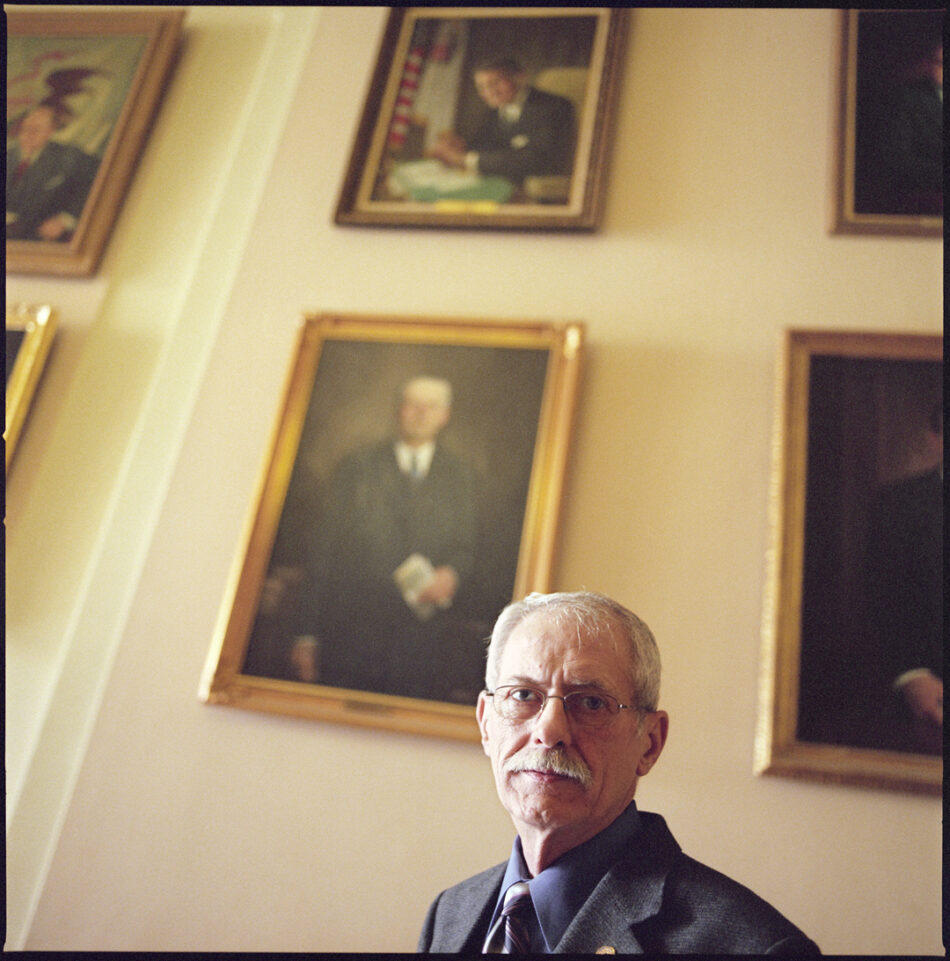
I wanted to do something that made a difference, and that’s why I took the job for Mayor Daley as his representative to the gay & lesbian community. …
We are tremendously grateful to the following for their many forms of generous support. The extraordinary individuals who shared their
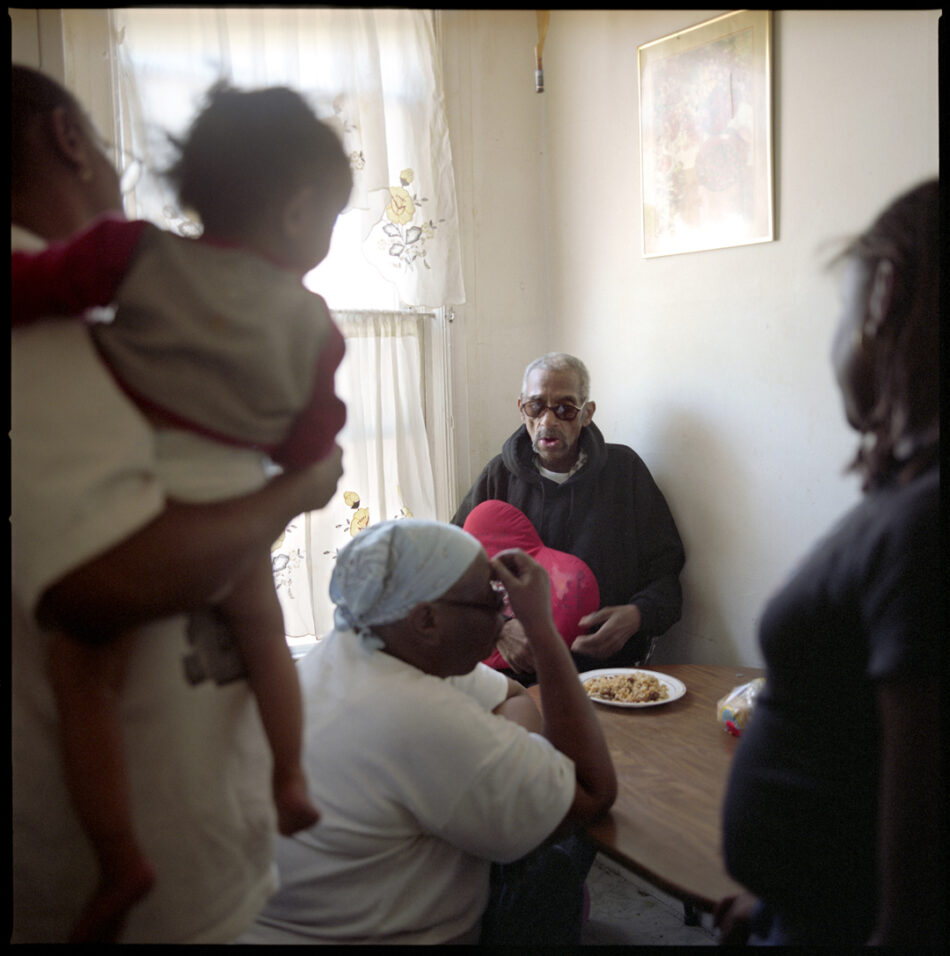
Linda: I look at him how he was, and I look at him now, I feel so bad. Because I remember the vibrant Thomas, you know, not the Thomas that can’t hardly get up. …
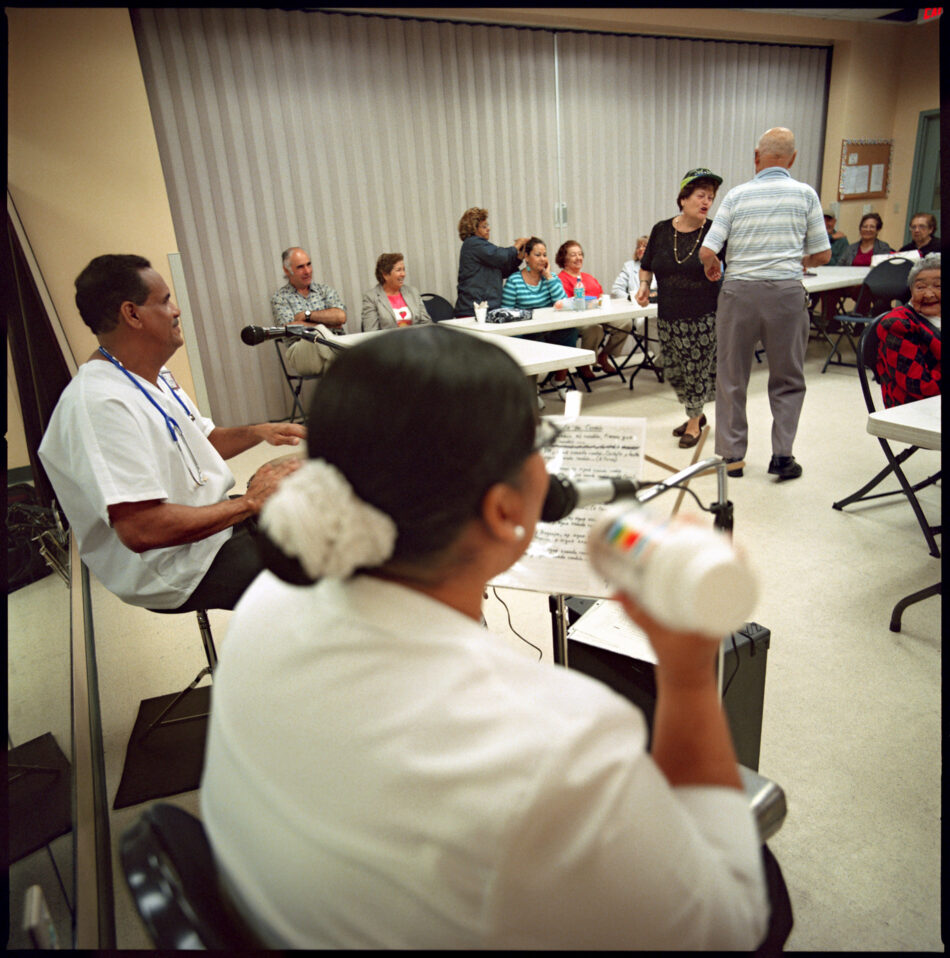
Louis: She took a chance with me. It’s funny, I’m positive, but I didn’t wanna ask a woman that was negative if they would like to go out with me, because of the rejection that I might get. …
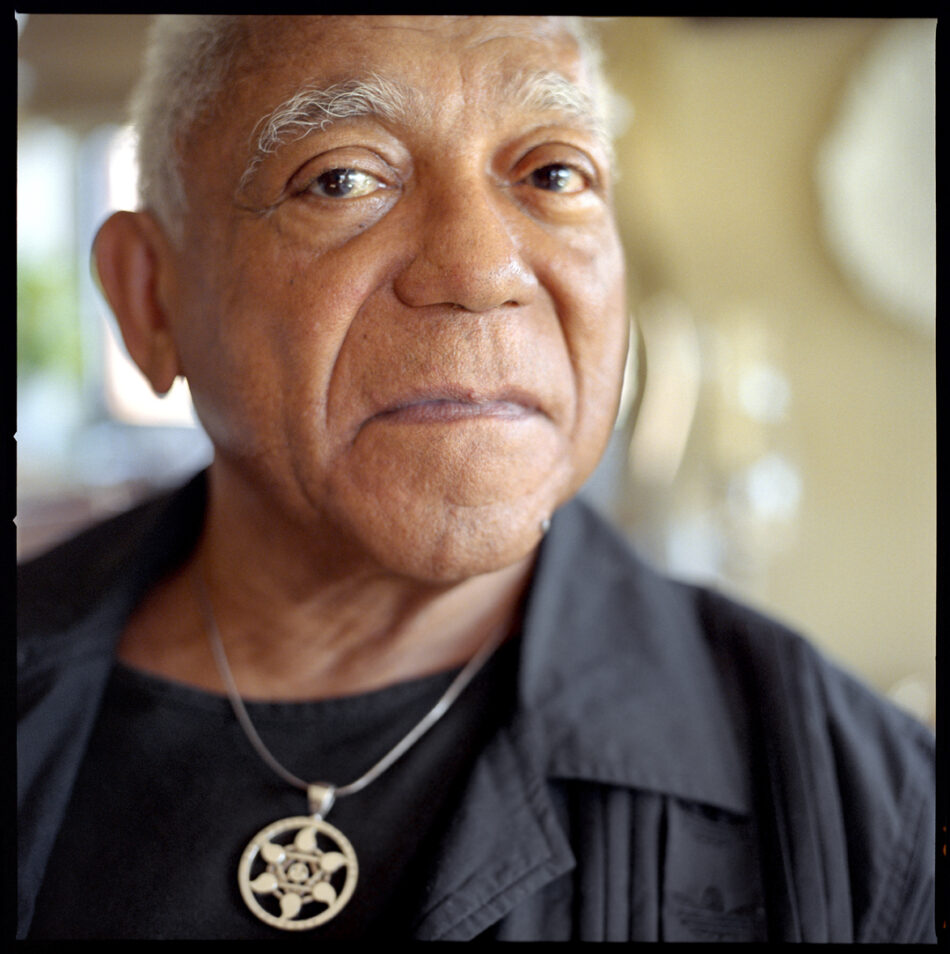
I was always working on my music. That was a part of who I was. I was practicing instead of going out to play baseball or do sports. That was in Birmingham, Alabama. And I left Birmingham when I was sixteen. …
The Graying of AIDS is an independent collaborative documentary project and educational campaign created by Katja Heinemann, a visual journalist,
We are working towards creating a list of links that will have something for everyone. Whether you are an older adult living with or curious about HIV/AIDS, a care provider, a student …
Many long-term survivors and their more recently diagnosed peers are struggling with the consequences of the current societal complacency about the AIDS epidemic here in …
The history of the HIV/AIDS epidemic can be broken down into the periods before and after 1996, when modern HIV treatment, known as “highly active antiretroviral therapy,” …
AIDS – Short for “acquired immune deficiency syndrome,” the life-threatening stage of HIV infection. A medical diagnosis for people whose immune systems are so damaged …
November 7th, 2010
The Graying of AIDS was honored to join a group of activists, providers, researchers, and government agency representatives for a meeting on HIV and aging convened by the White House Office of National AIDS Policy (ONAP) on October 27, 2010….
November 5th, 2010
In our work to promote sensitivity, dialog and collaboration around the day-to-day realities of older adults aging with HIV, The Graying of AIDS aims to situate personal audio/visual portraits within the larger context of HIV/AIDS in this country. …
Heather Altman, MPH (Chapel Hill, NC) has been working with Carol Woods Retirement Community since 2003, and is currently the
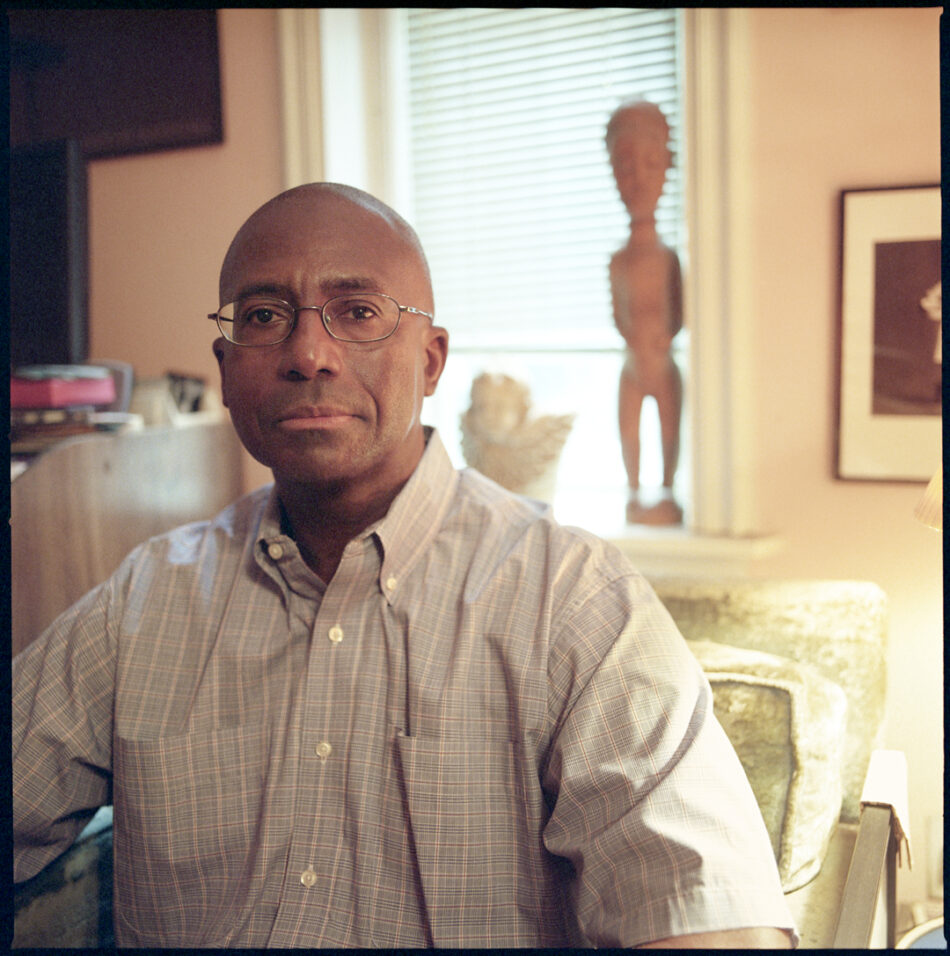
Certainly, since the advent of protease inhibitors and the real progress in antiretroviral medication, the ability to treat HIV infection and slow down the progression to serious illness …
October 26th, 2010 Black or white, gay or straight, the face that most Americans imagine when they think about HIV/AIDS
We may not talk about it or see it on movie screens, but sex and romance continue to play an important role in many people’s lives as they age. Some who have lost a long-term romantic …
Many diseases and infections affect a specific part of the body, but HIV lives in the immune system and therefore ultimately impacts the whole body. While health care providers are …
Communicating about HIV and risk behaviors related to sex or substance use can be difficult. Even when they know how to keep themselves safe, …
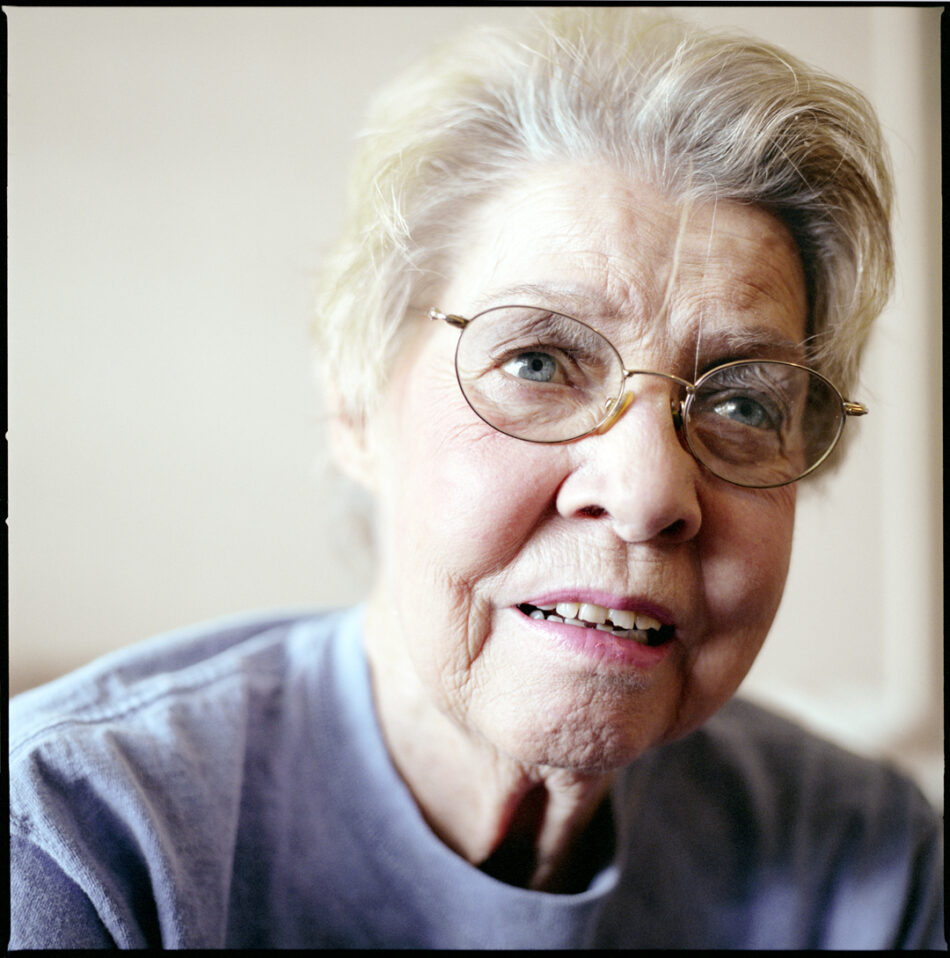
I’ve been to places like that where people over 50 live. And these ladies, older ladies, say: oh, but he’s so good looking, and he’s so clean. And he’s such a good dancer. Does she ever ask him if he’s ever been tested? …
Dealing with any illness can be difficult, but the stigma associated with certain diseases can add additional hardship in the form of judgment and social exclusion. …