
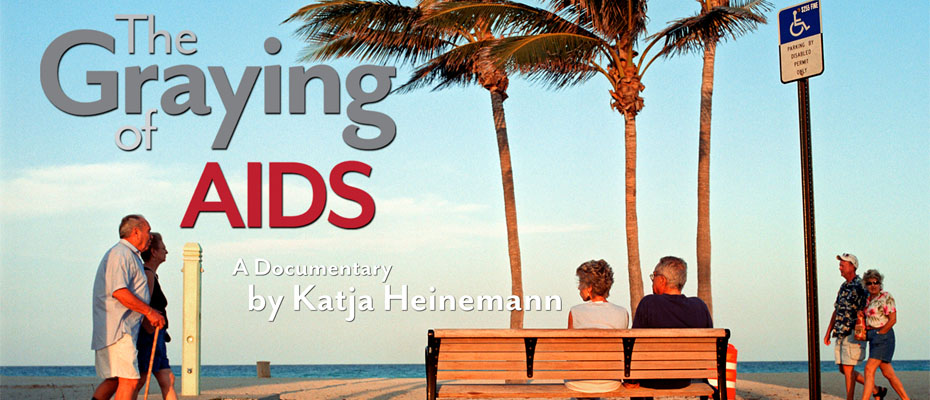
A Compilation of Video Portraits: Bill, Sue, Ronald, Richard & Robert
The video portraits of Bill, Sue, Ronald, Richard and Robert, some of the earliest participants of the Graying of AIDS […]
The video portraits of Bill, Sue, Ronald, Richard and Robert, some of the earliest participants of the Graying of AIDS […]
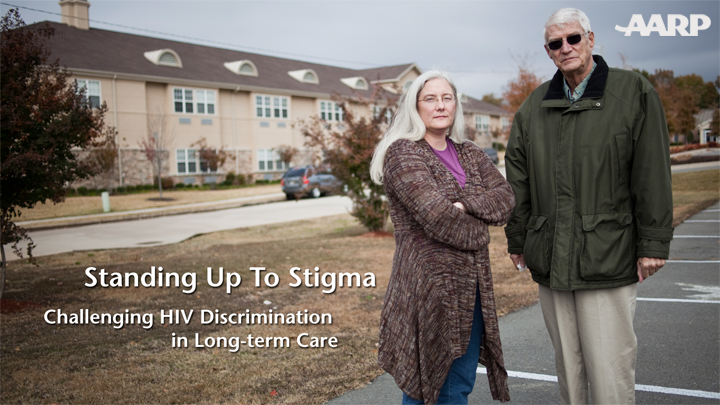
“What if there are many other older people, and this is the first wave of them, who are not used to speaking out about anything, and they’ll just quietly pack up their blankets and leave? And I thought, damn, that’s not right.”
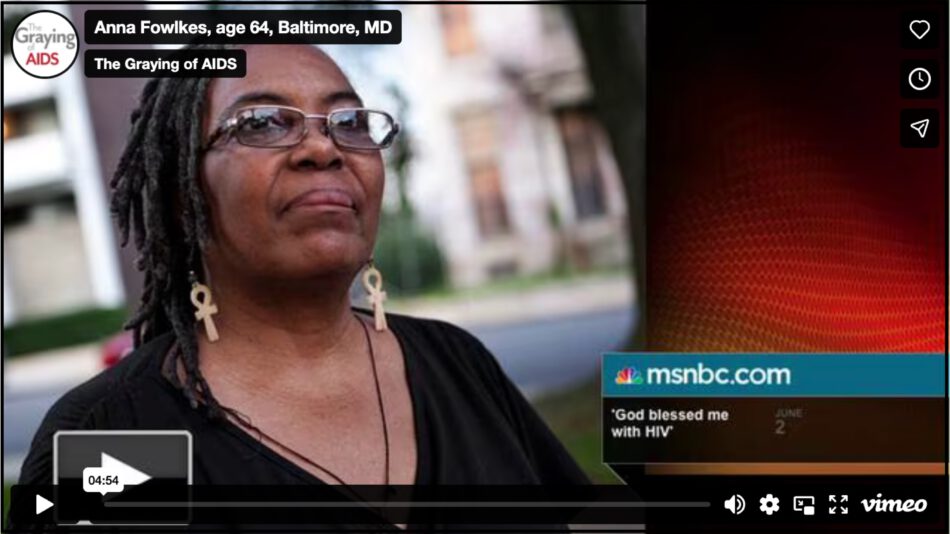
Anna has worked with the Graying of AIDS project in many capacities over the years. This video was produced for MSNBC for World AIDS Day, Dec 1st, 2011. A tireless advocate for older adults, aside from media outreach and community organizing, …
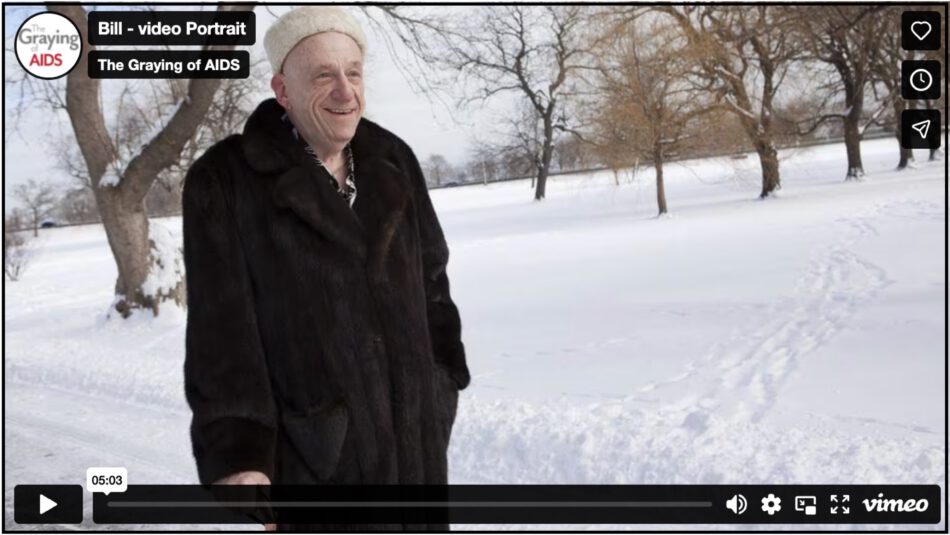
Diagnosed in 1985, Bill lost his partner of 17 years in the early days of the epidemic. He is a founding member of TPAN (Test Positive Awareness Network) in Chicago, and continues to be an active participant of the SAGE support group. …
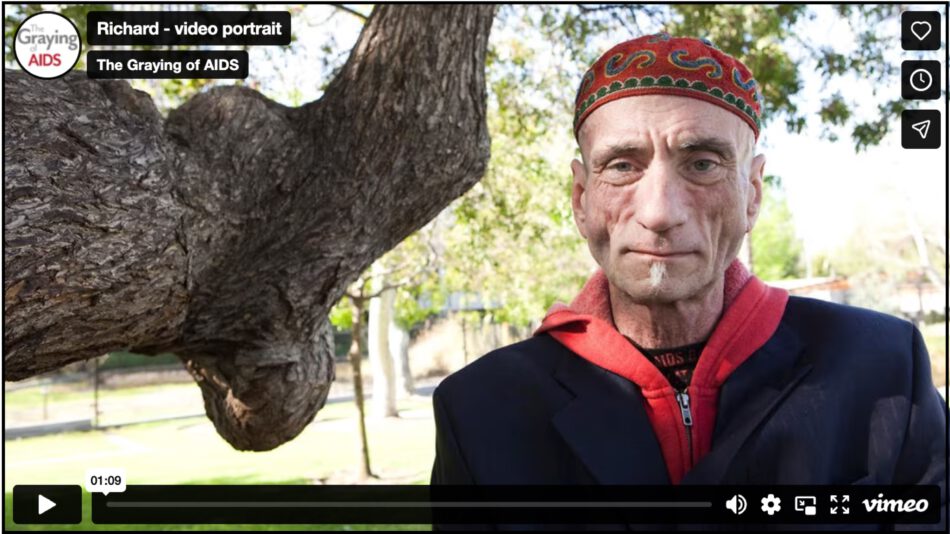
A poet, journalist, activist, and Graying of AIDS advisory panel member, Richard is a long-term survivor living in Los Angeles. His blog – a cultural activist’s site with intended social, artistic, and political impact, …
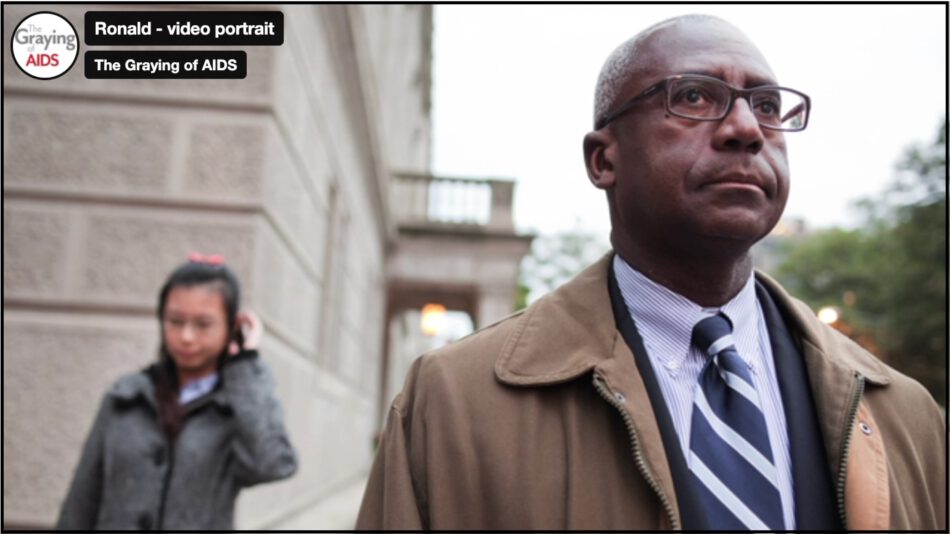
Diagnosed in 1989, Ronald lost his partner in the early days of the epidemic. In the years since he has worked with a variety of important policy and advocacy organizations tackling a range of issues central to the HIV/AIDS epidemic in the US …
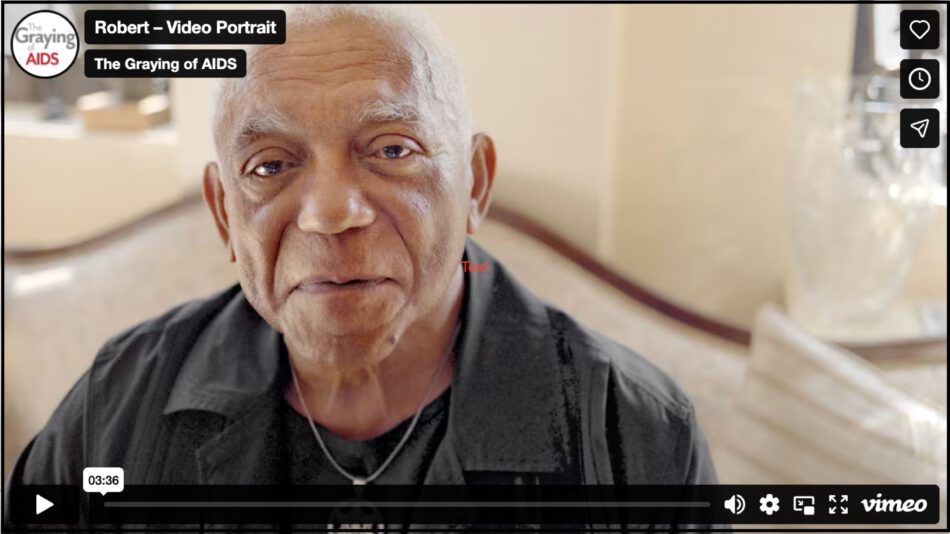
A long-term survivor living with HIV, Robert has been active in the arts and HIV-positive communities of New York City for years. Classically trained as a vocalist and musical director specializing in German song cycles, he was the artistic director of the Robert Brewster Chorale …
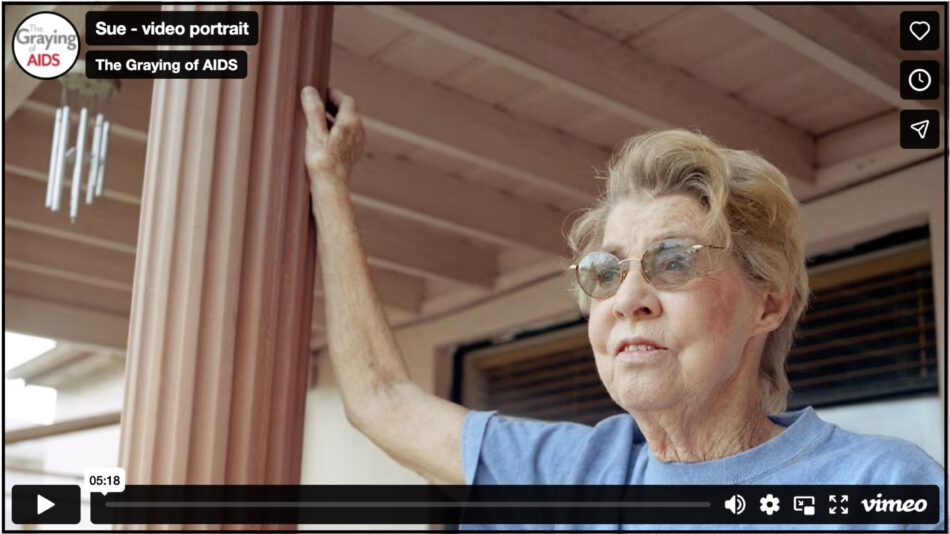
Diagnosed in 1991 at the age 58, Sue helped launch Florida’s first Seniors HIV Intervention Program (SHIP). Unfortunately, the SHIP program was shuttered in 2010 due to budget cuts. Sue has four grown children and one grandson. …
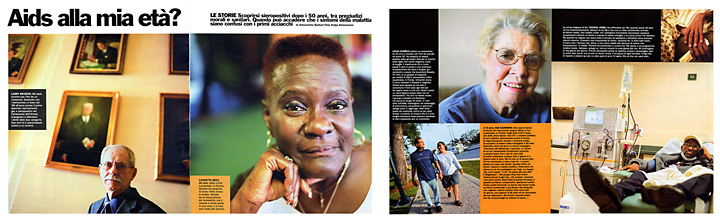
These portraits and interviews were initially produced by photojournalist Katja Heinemann for Time Magazine in 2006, as both a photo and multimedia essay to draw attention to the aging demographics of people living with the virus in the United States. …
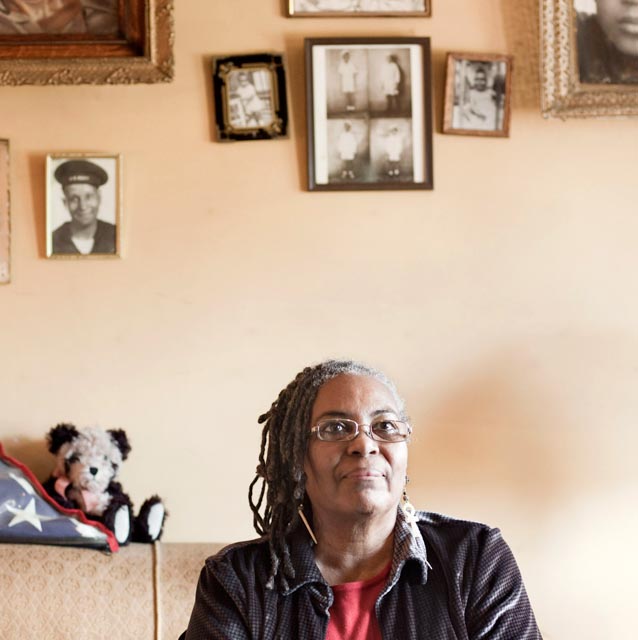
I met my husband in a night club. He was one of the musicians there and I used to go because I liked to dance. He was the love of my life. We had a wonderful marriage, you know …
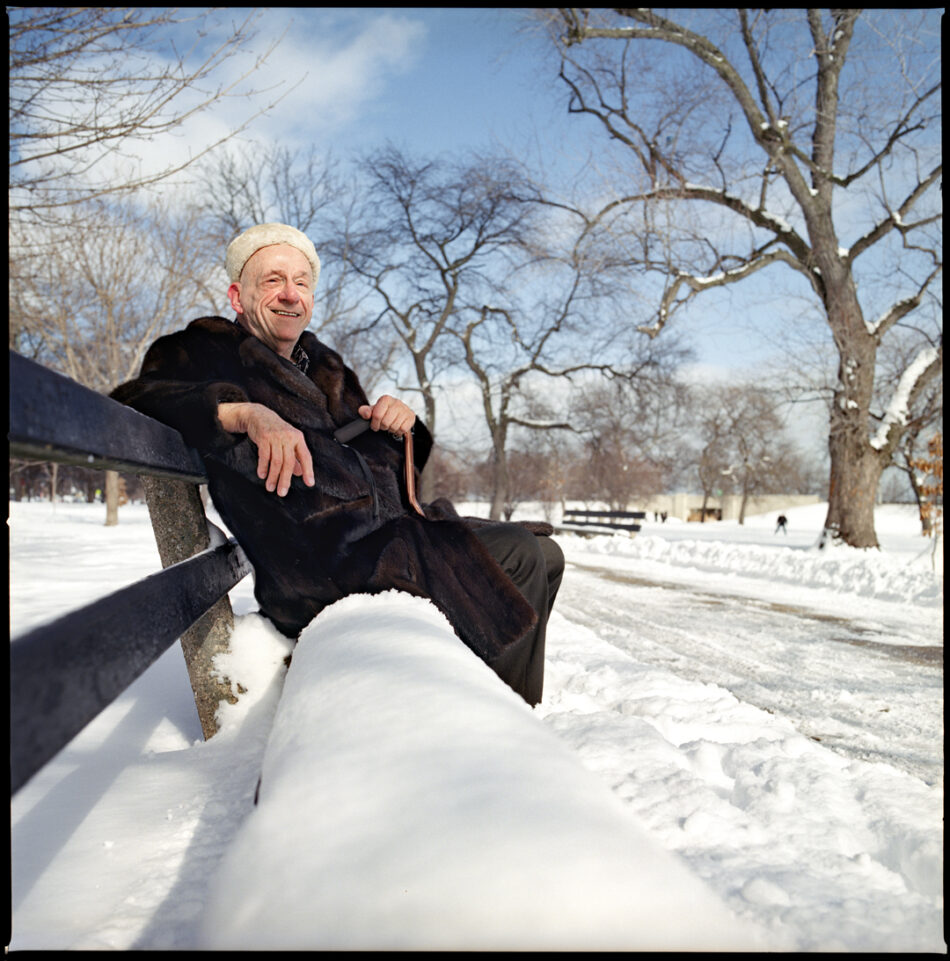
No matter what we do, sex is a beautiful gift, because it is such an exhilarating feeling, and it’s such a positive way of getting the feeling that I am wanted in this world …
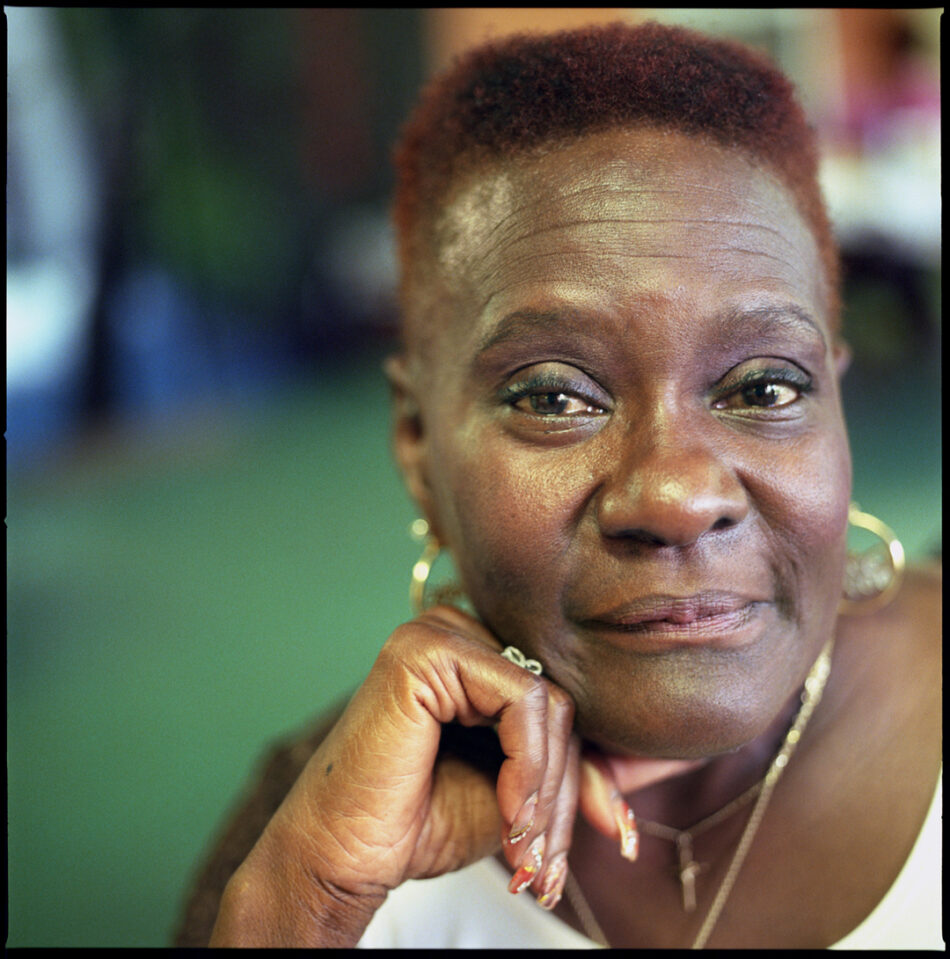
I would like to say that it’s not the end. There was a time when somebody said you had HIV, you felt like you were doomed. …
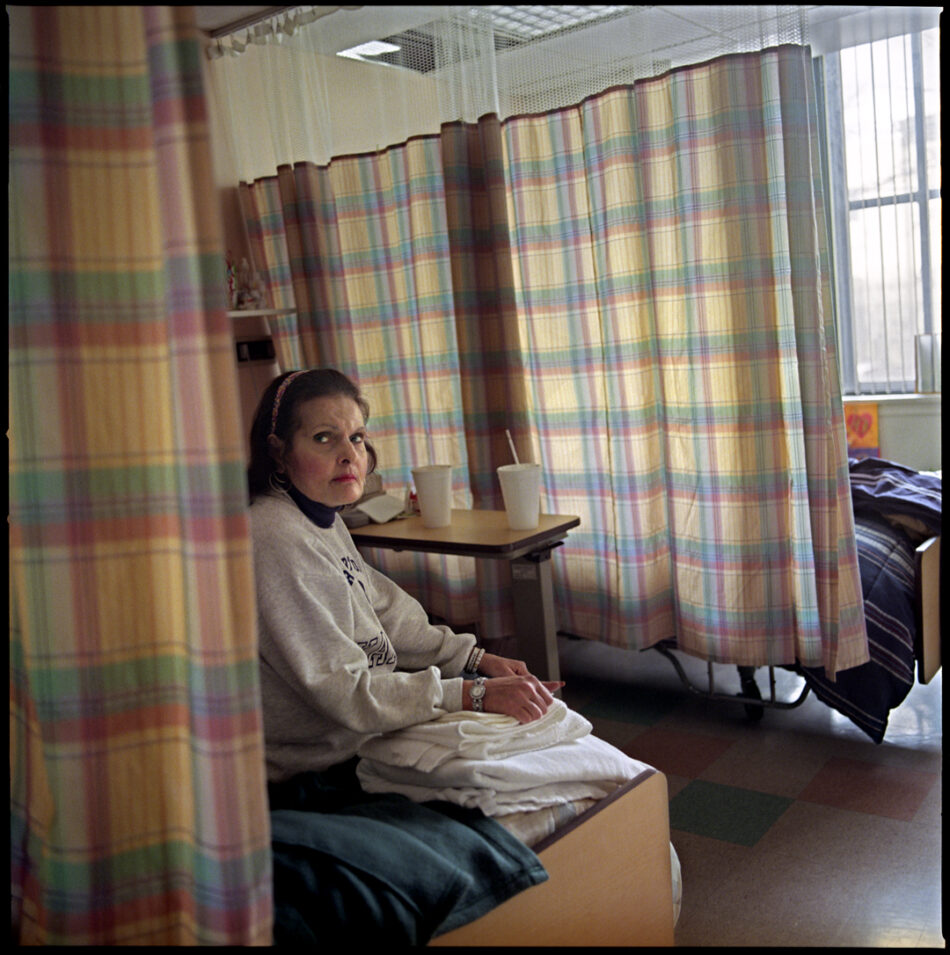
I don’t feel old. I never thought of myself as being 57, 60. I didn’t think that far, you know. I feel young at heart. I like to have fun. I don’t know, just being happy. …
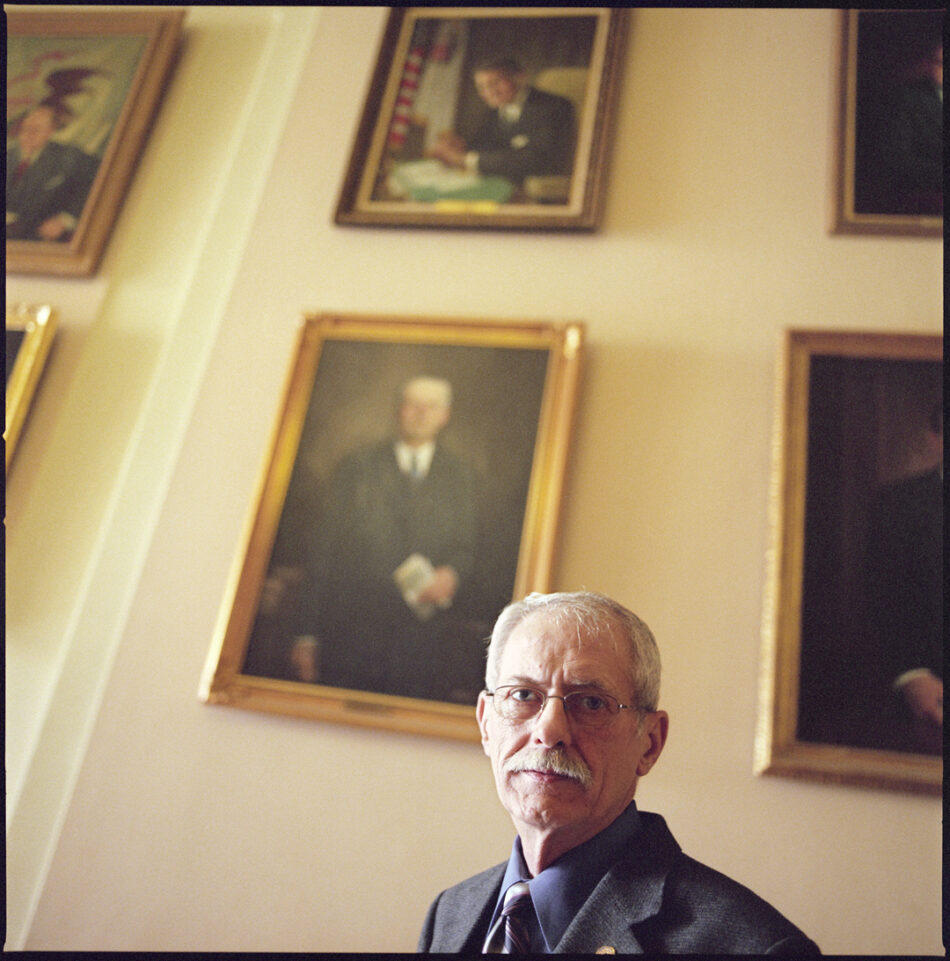
I wanted to do something that made a difference, and that’s why I took the job for Mayor Daley as his representative to the gay & lesbian community. …
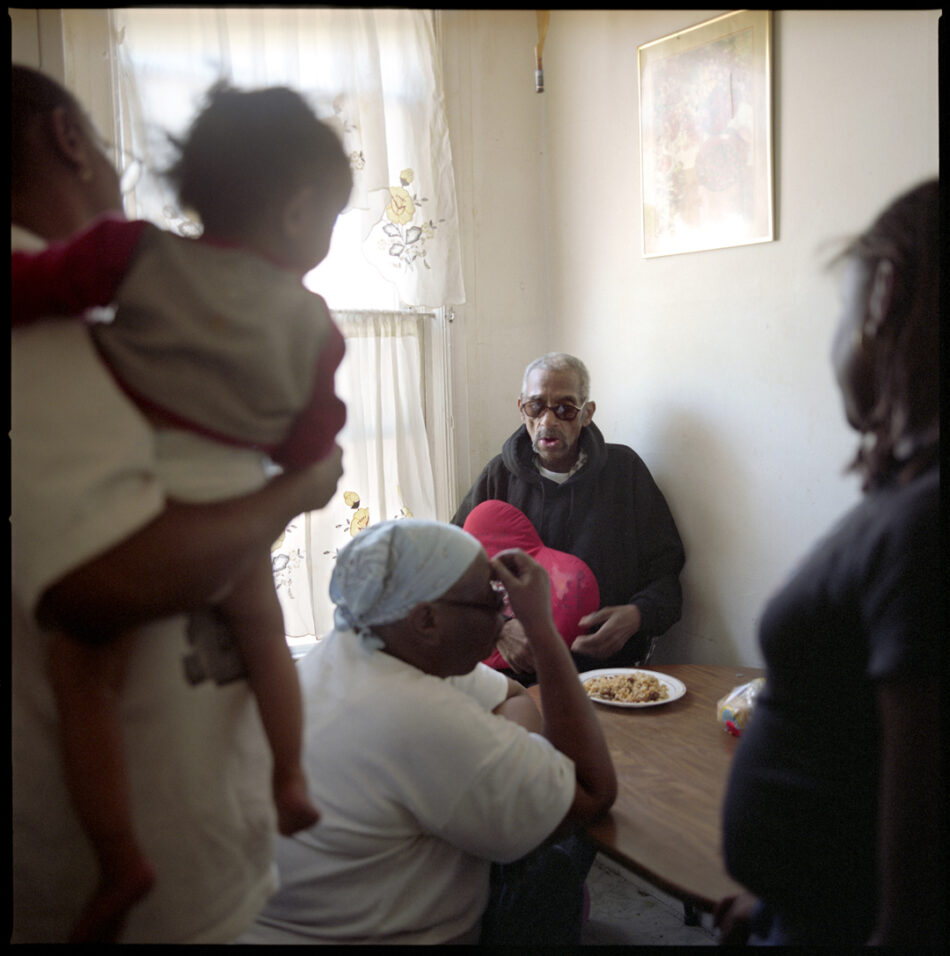
Linda: I look at him how he was, and I look at him now, I feel so bad. Because I remember the vibrant Thomas, you know, not the Thomas that can’t hardly get up. …
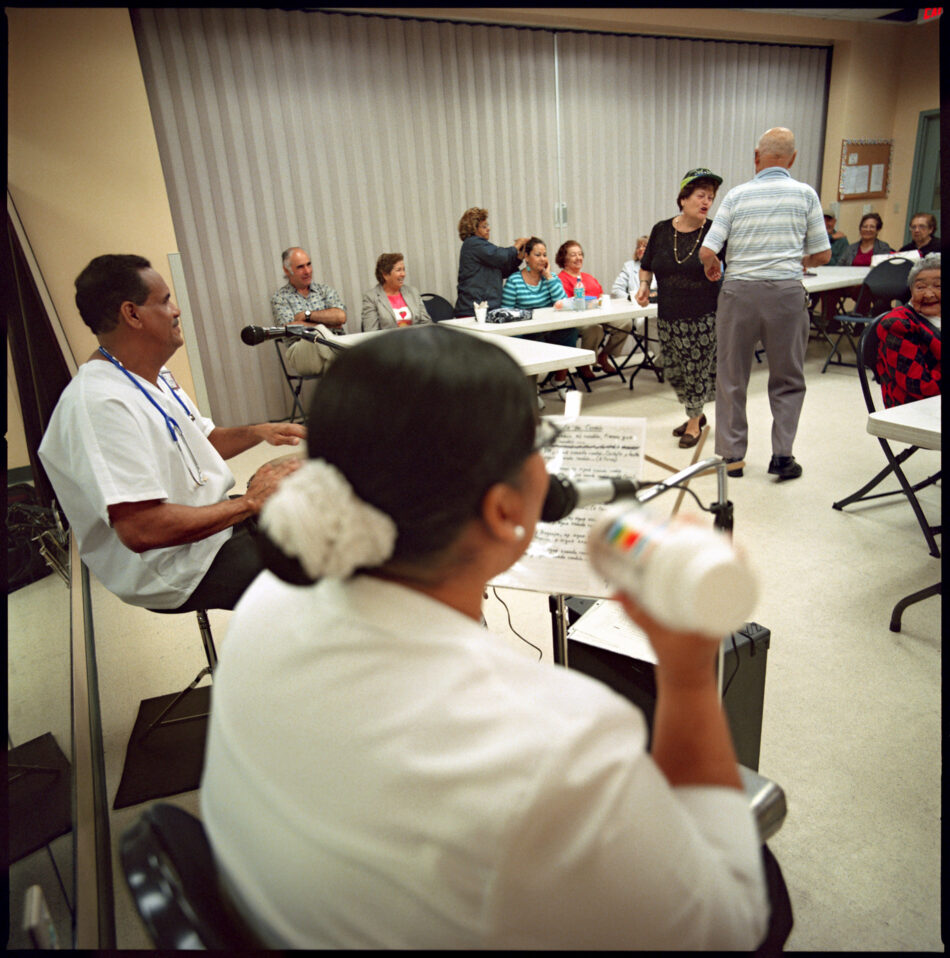
Louis: She took a chance with me. It’s funny, I’m positive, but I didn’t wanna ask a woman that was negative if they would like to go out with me, because of the rejection that I might get. …
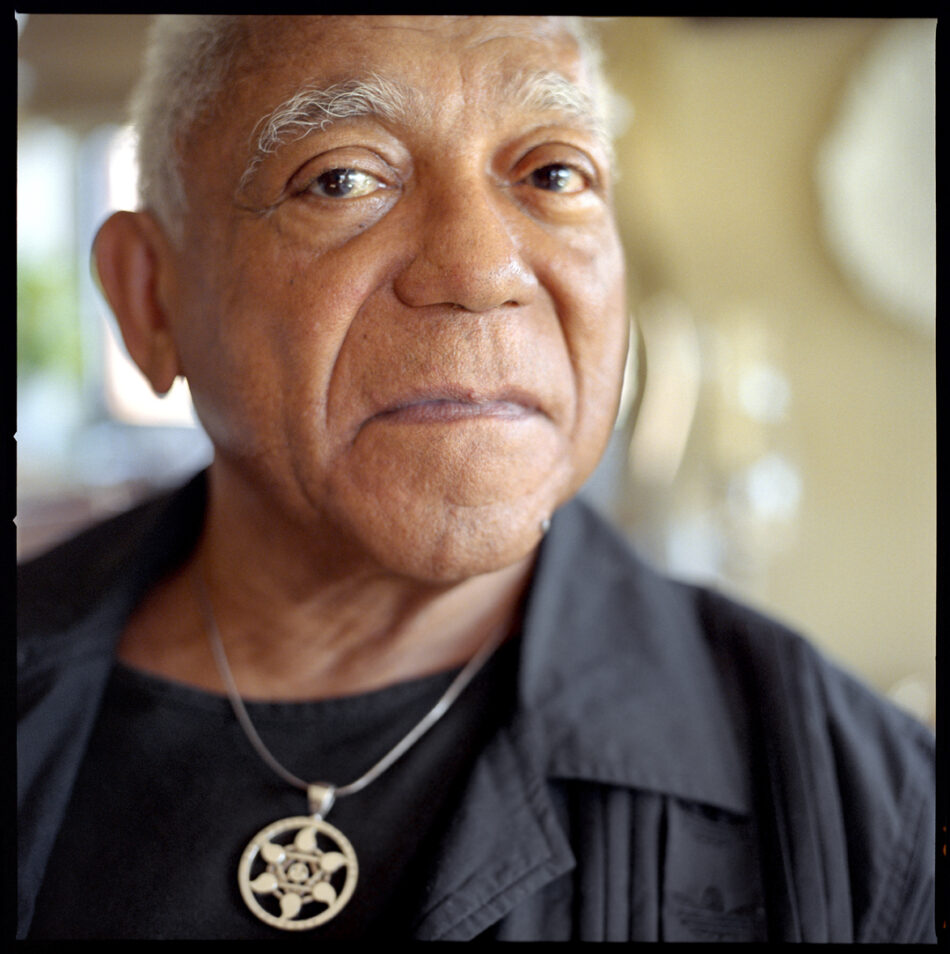
I was always working on my music. That was a part of who I was. I was practicing instead of going out to play baseball or do sports. That was in Birmingham, Alabama. And I left Birmingham when I was sixteen. …
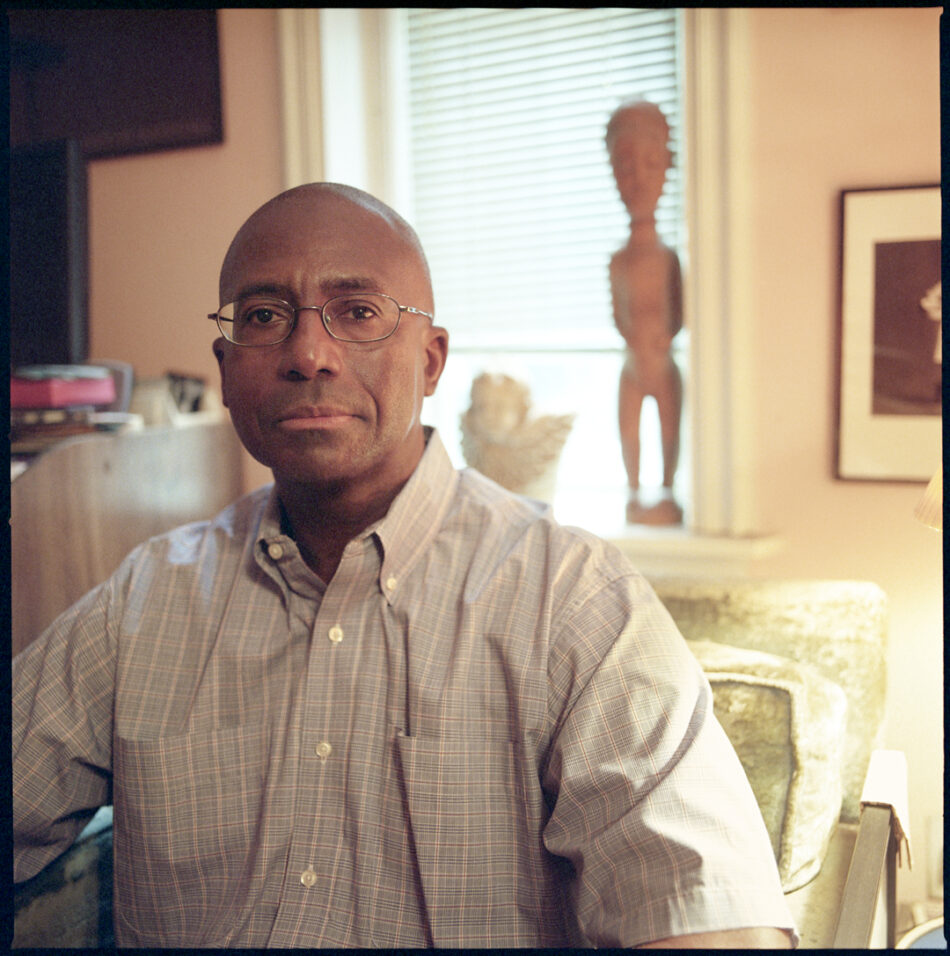
Certainly, since the advent of protease inhibitors and the real progress in antiretroviral medication, the ability to treat HIV infection and slow down the progression to serious illness …
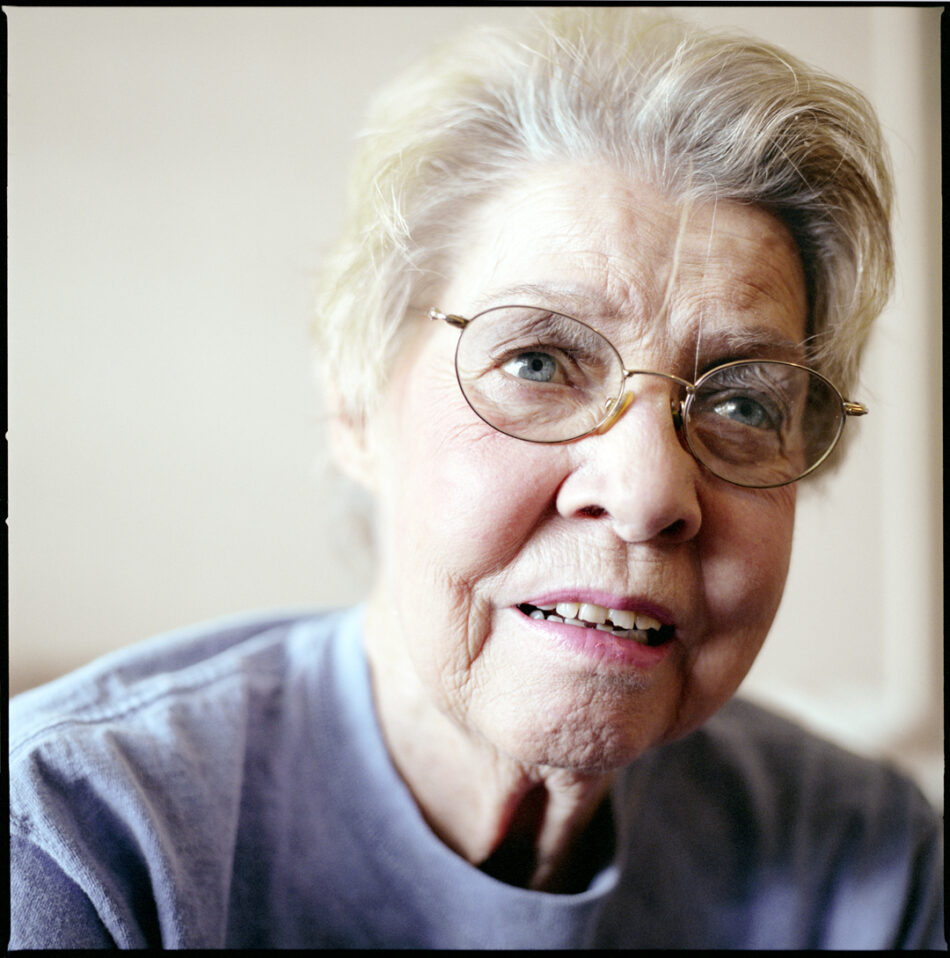
I’ve been to places like that where people over 50 live. And these ladies, older ladies, say: oh, but he’s so good looking, and he’s so clean. And he’s such a good dancer. Does she ever ask him if he’s ever been tested? …