Video Teaser: Stories from an Aging Pandemic
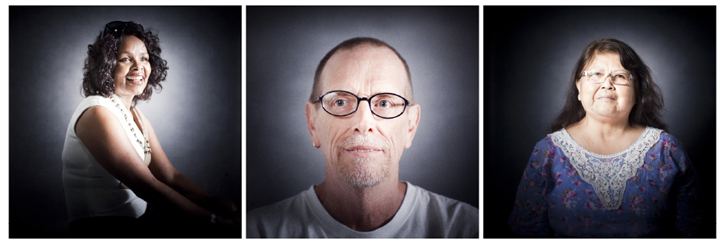
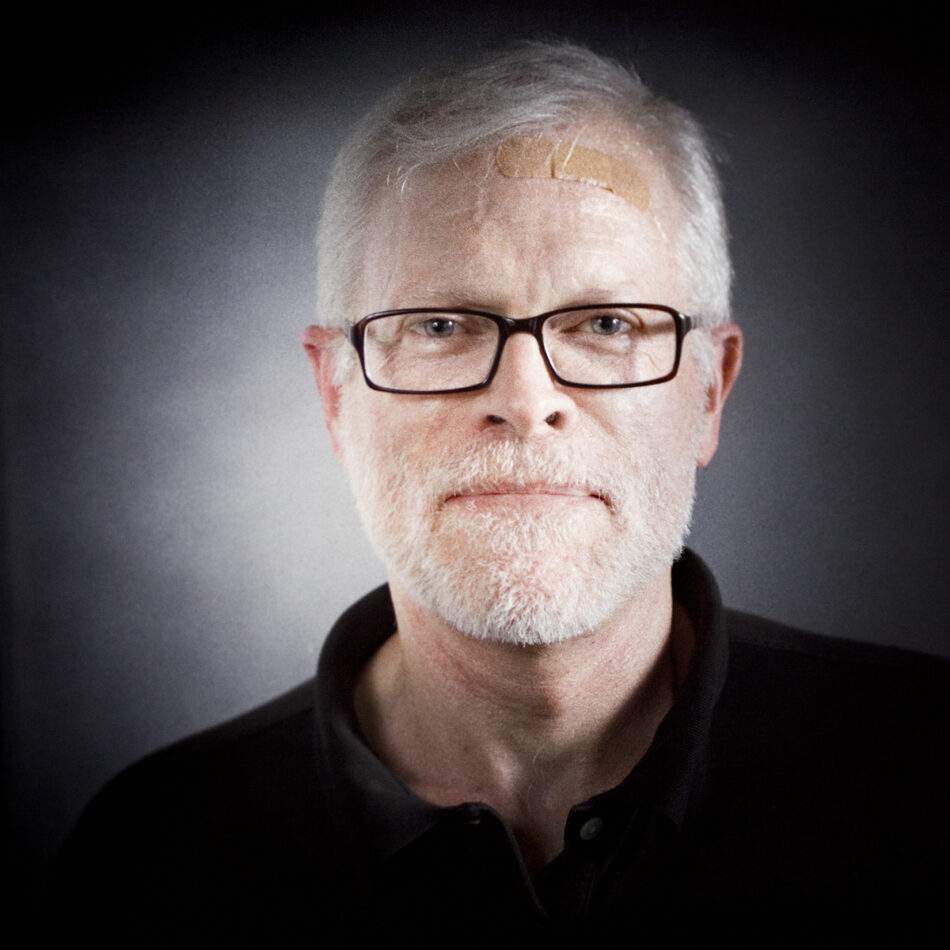
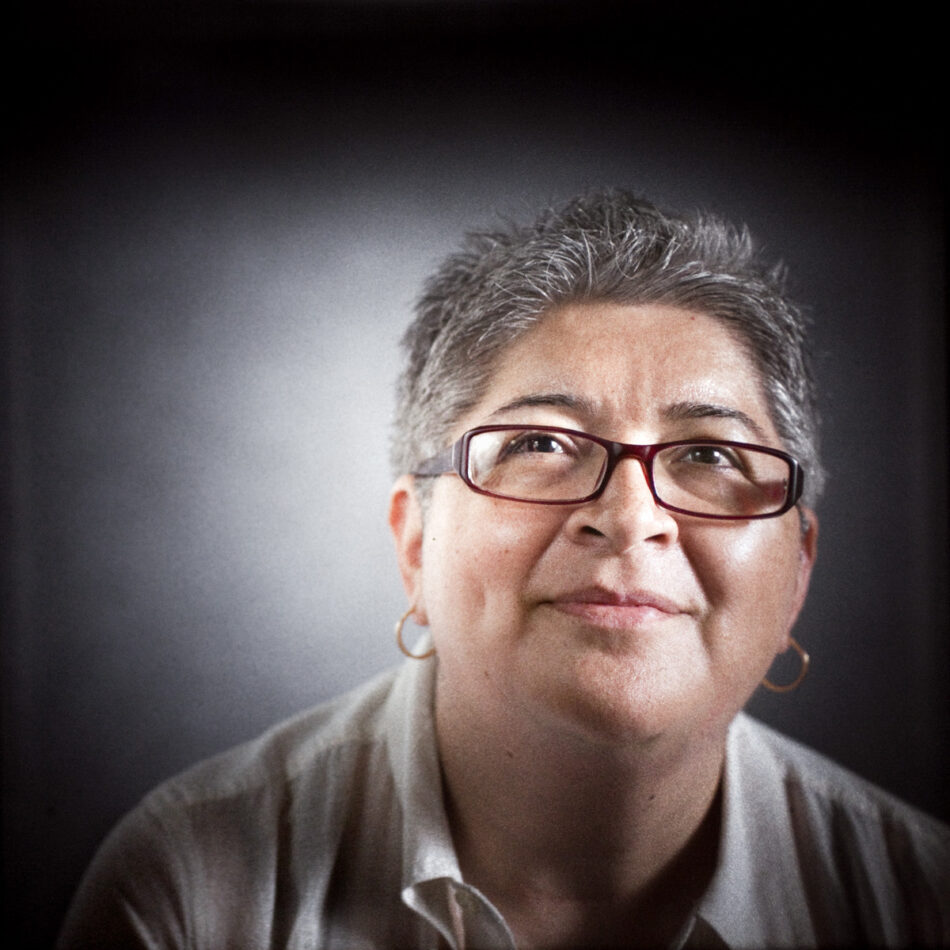
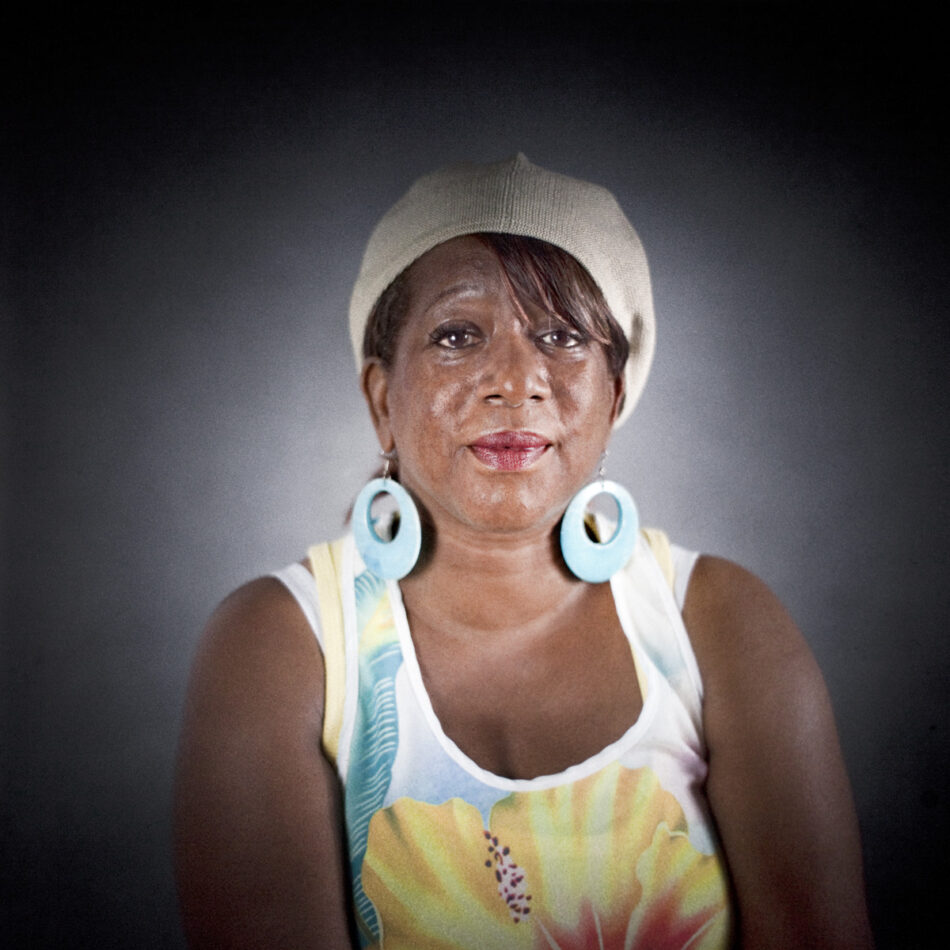
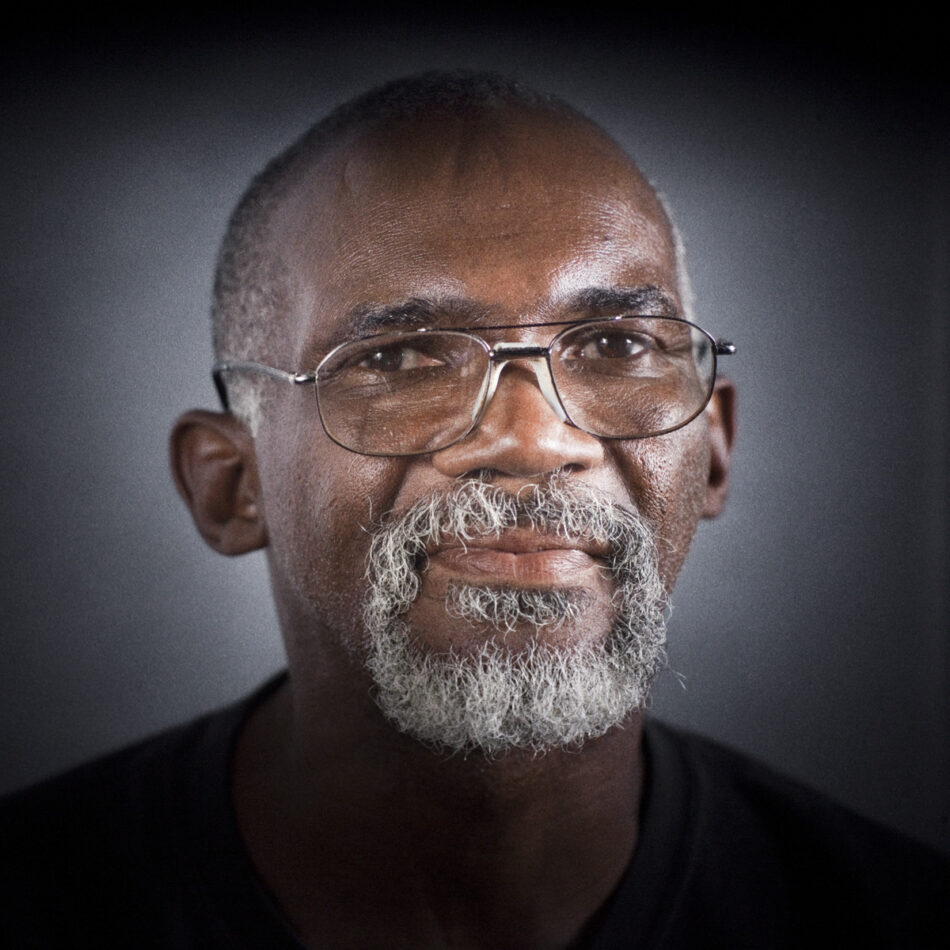
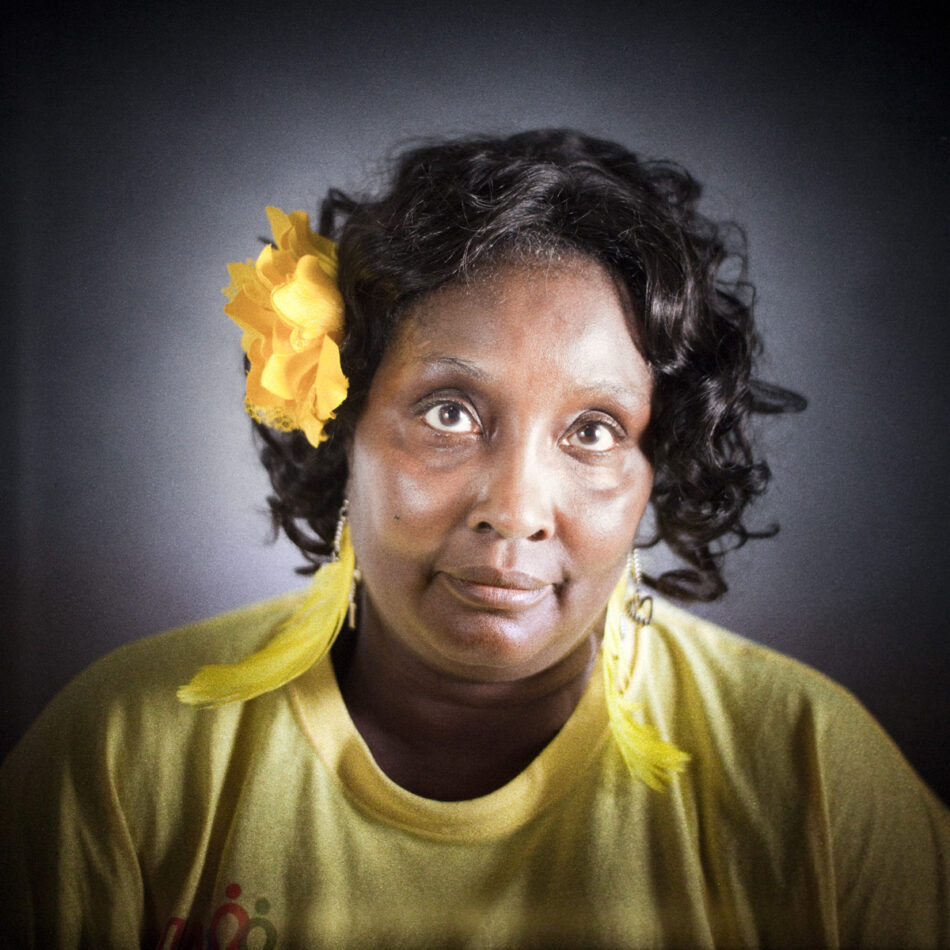
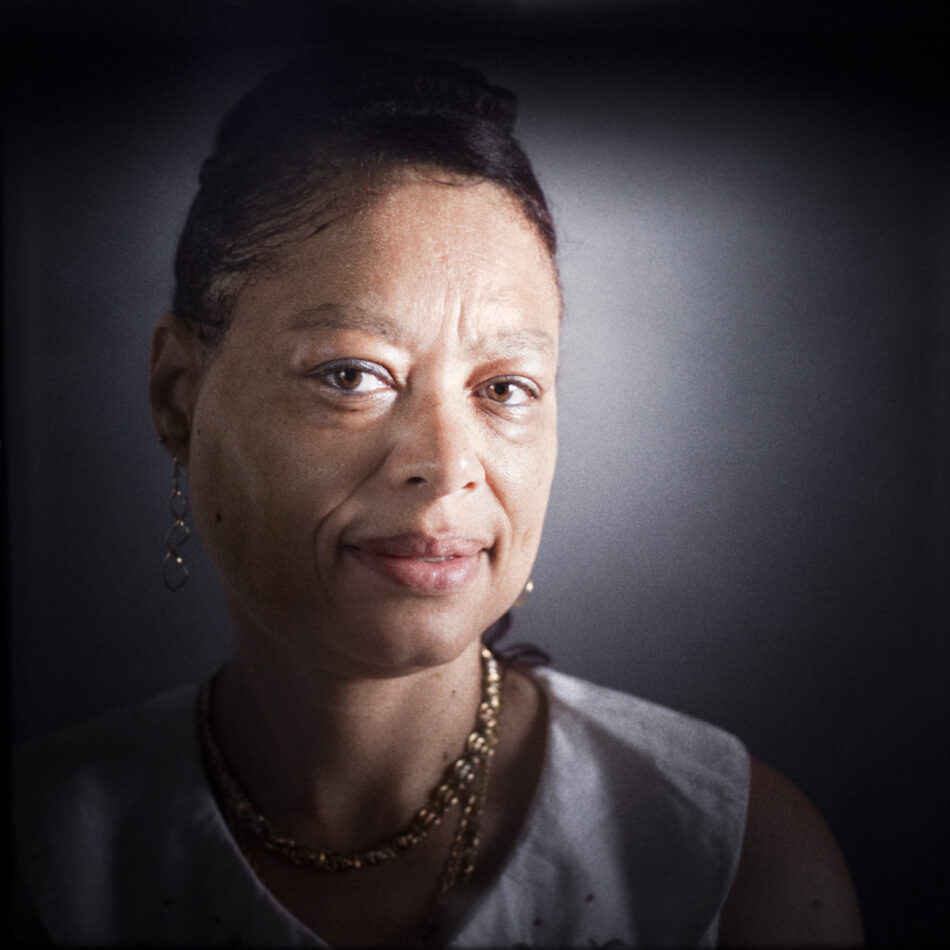
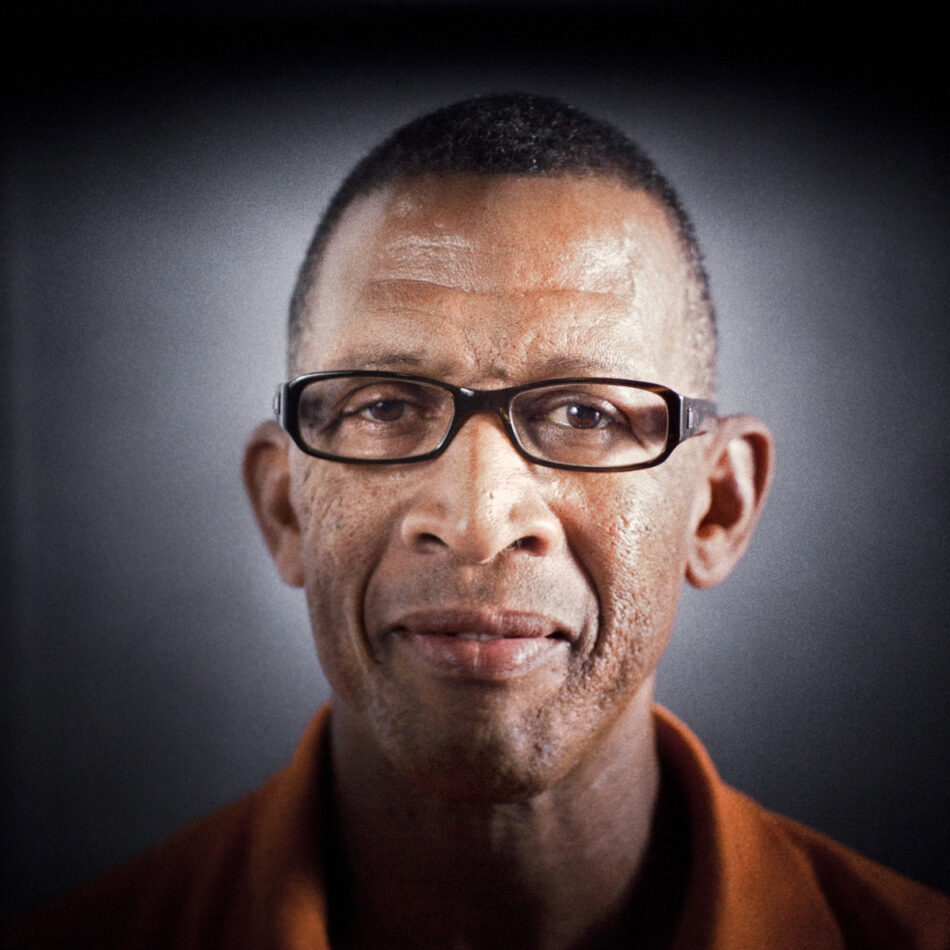
What does aging with HIV look like? Increased access to antiretroviral therapy is enabling people around the world to live with HIV into their 50s, 60s, and beyond, but we rarely see their faces or hear their stories in the media or popular culture. This collection of portraits and testimonies was produced during three participatory installations at the international AIDS conferences, AIDS2012, 2014, and 2016 …
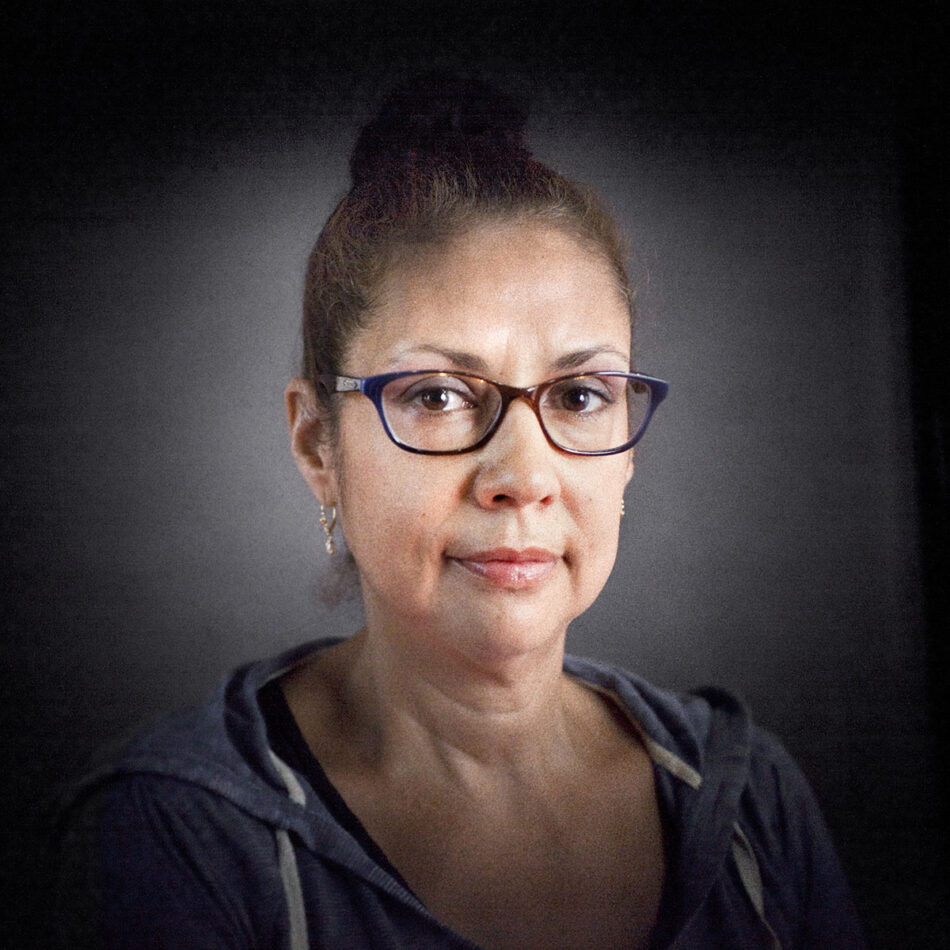
I guess I don’t even think about it too much anymore. In the first few years? Like, almost 24/7, it was something that was on my mind: am I gonna be around for my kids? …
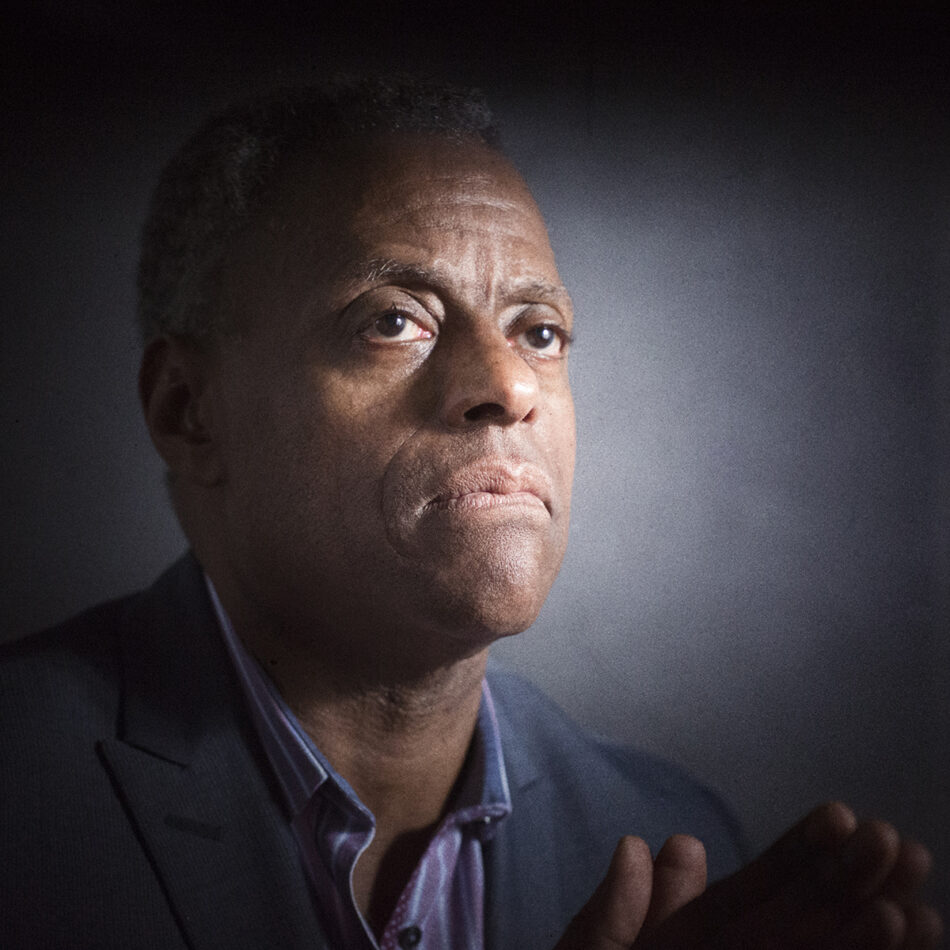
I was aware that I was likely positive. My late partner died of AIDS in 1985, and I am very certain that I had a transmission in about 1982 …
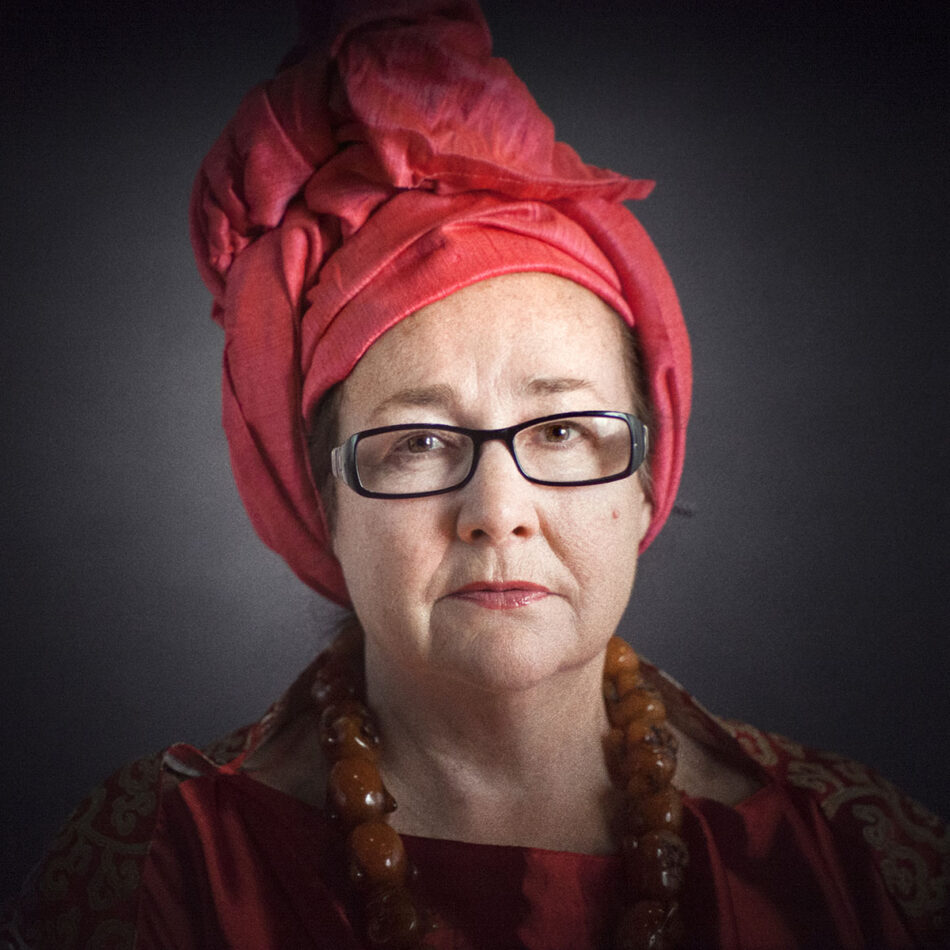
I first learned I was positive in 1994. I was unwell and went to a friend of mine who was my doctor as well, and he just threw every test at me …
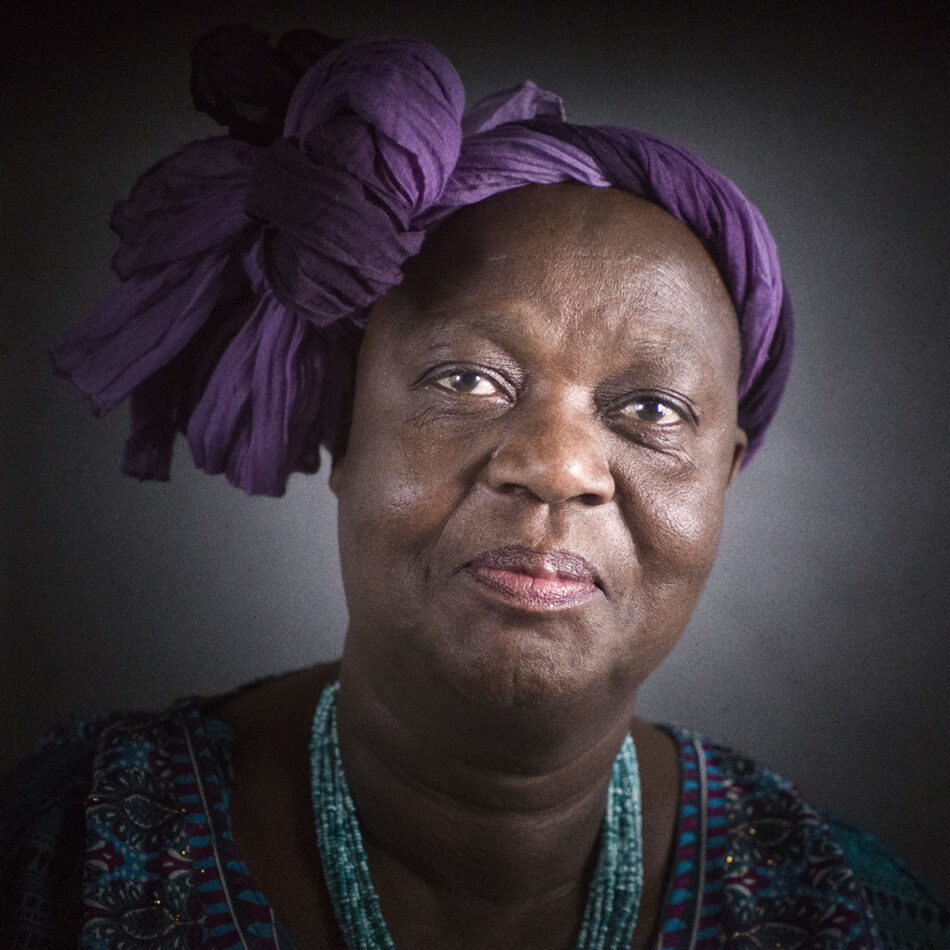
I was working with a family, and somebody had some kind of blisters that week. I was in Australia then. I was away from home, …
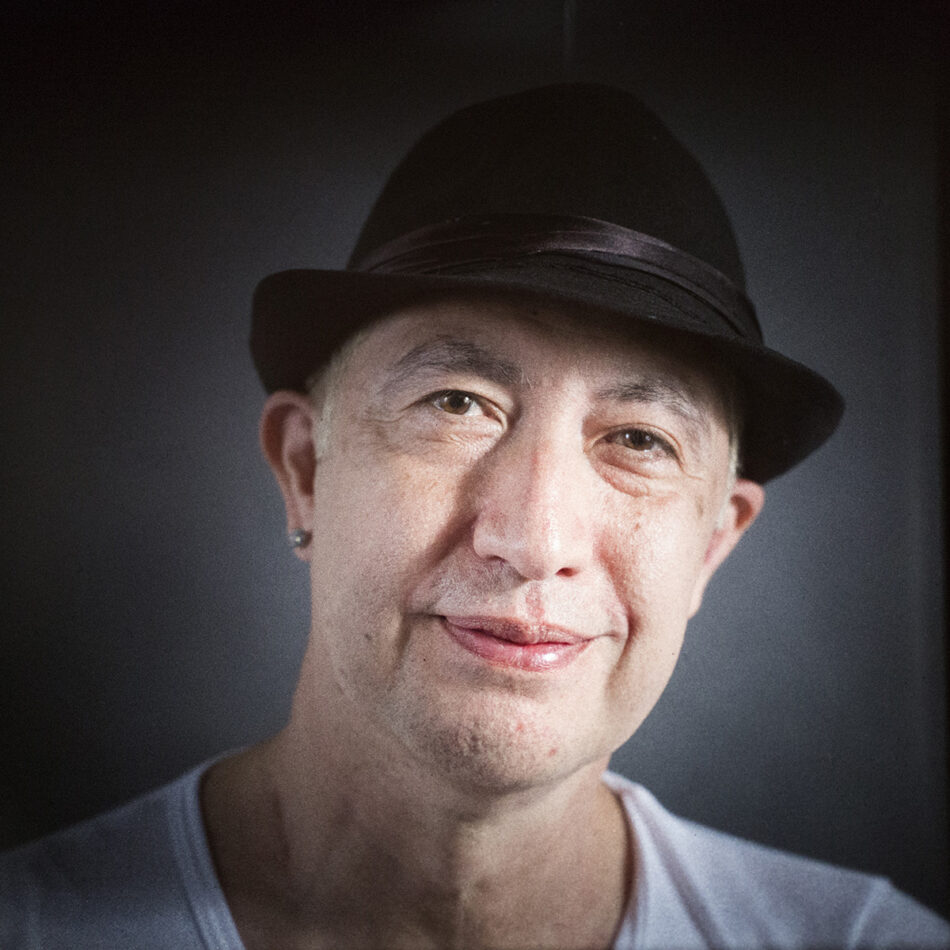
I arrived to USA in 1984. I knew what started to be in the news, everything about the gay cancer. Honestly I was not jumping from bed to bed …
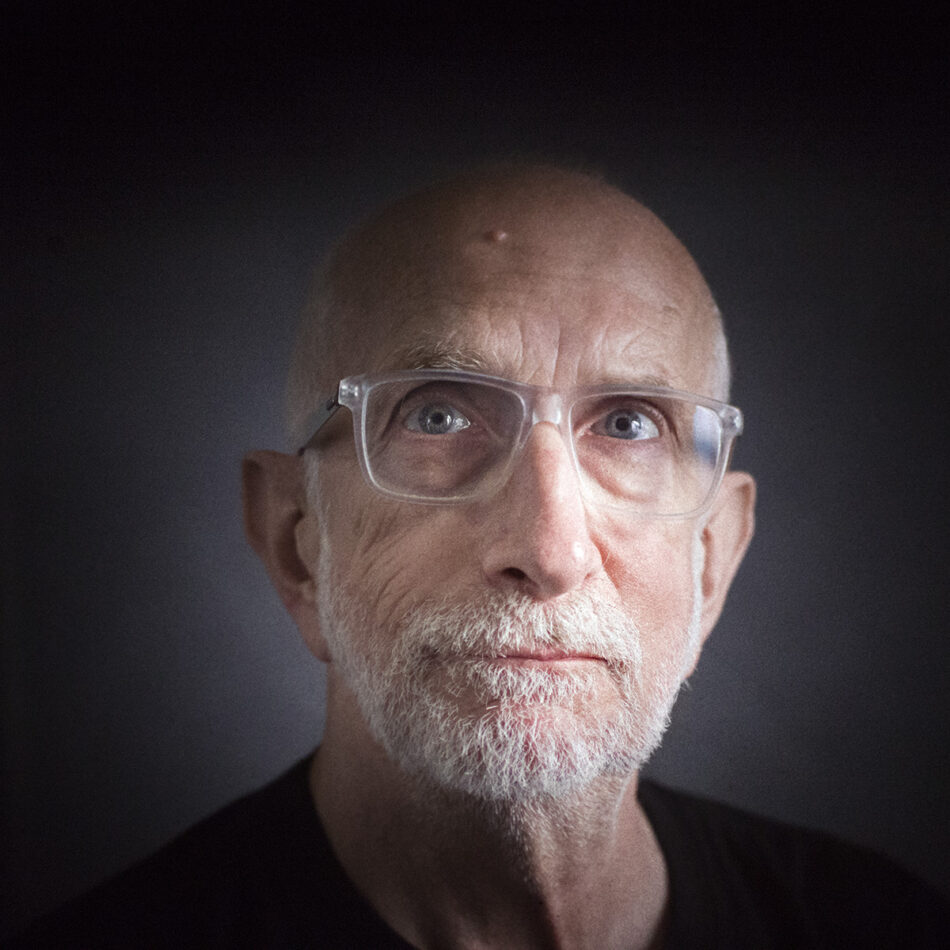
HIV is the kind of thing you can’t really understand until you experience it, because remember, in those days we’re talking about, it was a death sentence. And since then, …
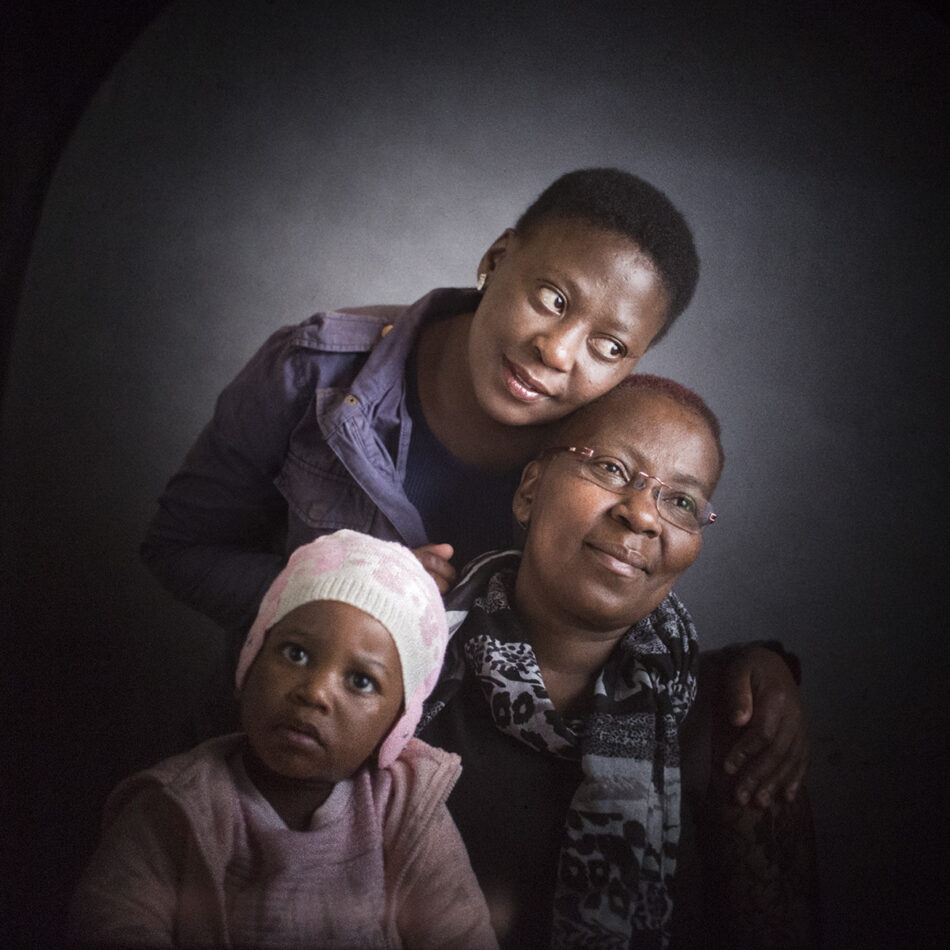
At least be there for the mothers! I always tell my daughter that she saw me struggling in front of her, bringing them up as a single parent. …
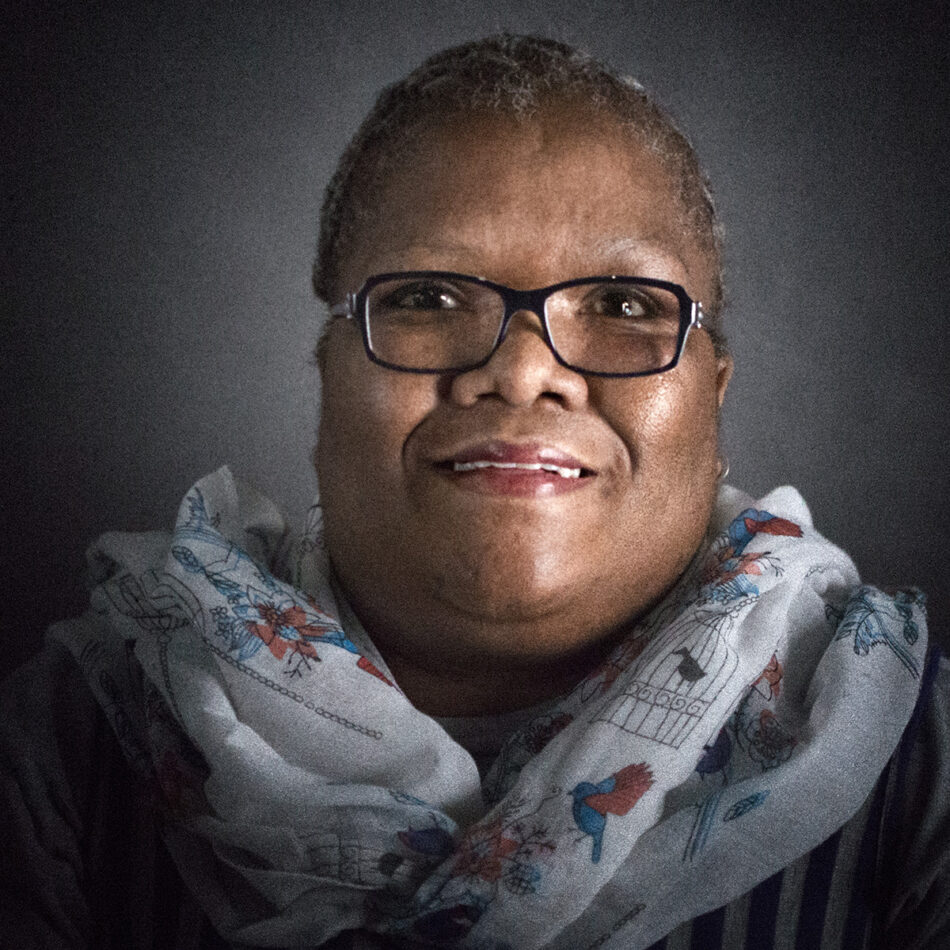
We need to remember that HIV is a justice issue. If we don’t deal with the structural injustices, people will continue being vulnerable to HIV …
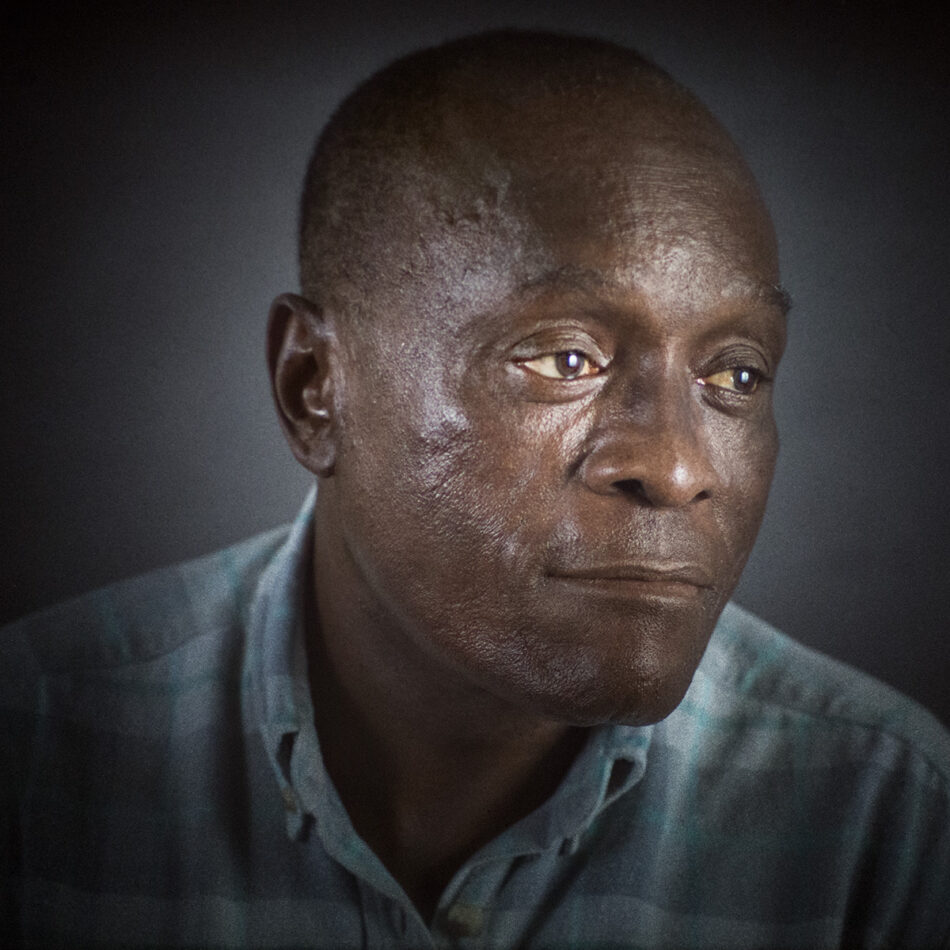
I remember it was about 15 years ago. I was constantly sick and I didn’t know what was wrong with me. When I was hospitalized for the last time, …
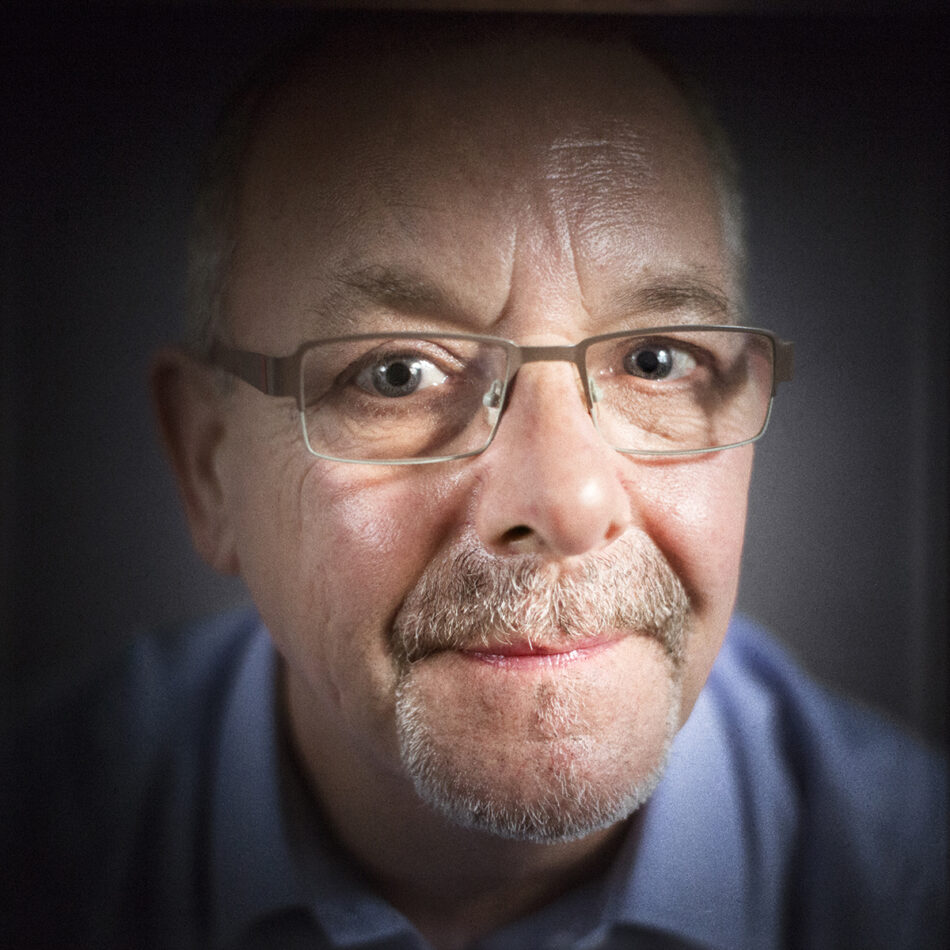
Originally I was from Scotland. I’ve been in South Africa now for 36 years. I think I befriended my little virus in South Africa – that’s 30 years ago. …
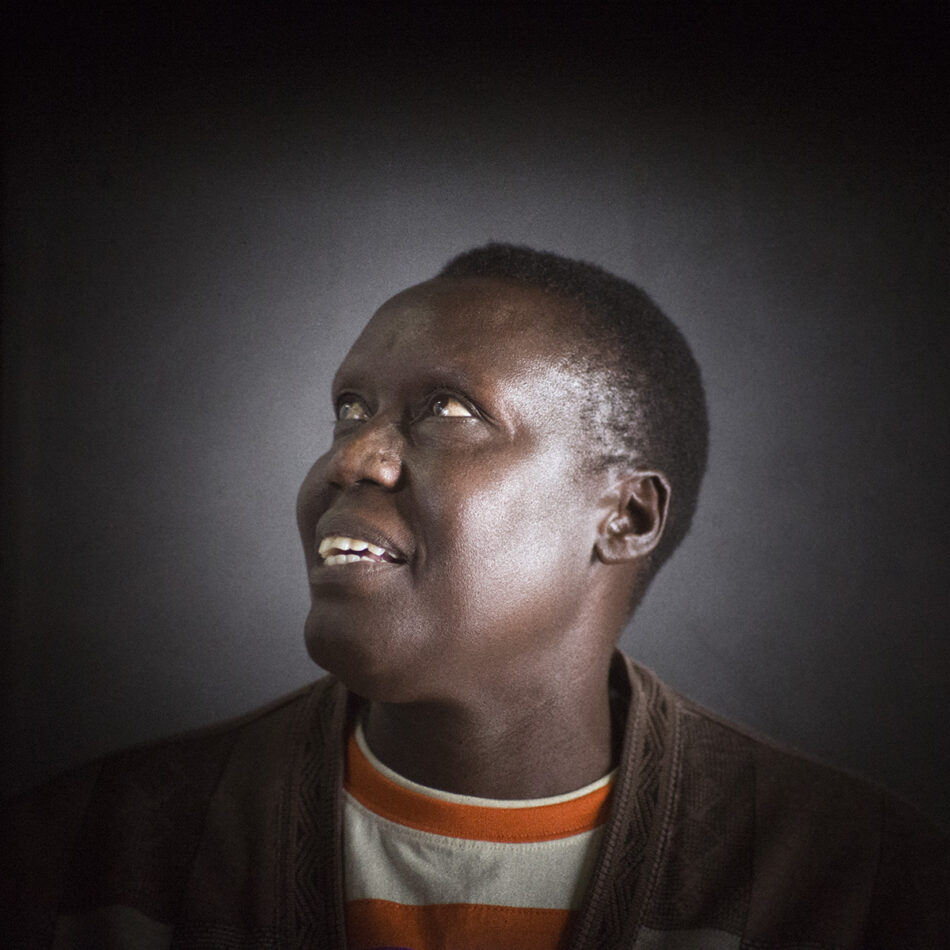
For a long time, I have been working with the media. I have been writing my stories, and that’s how I’ve been getting support. …
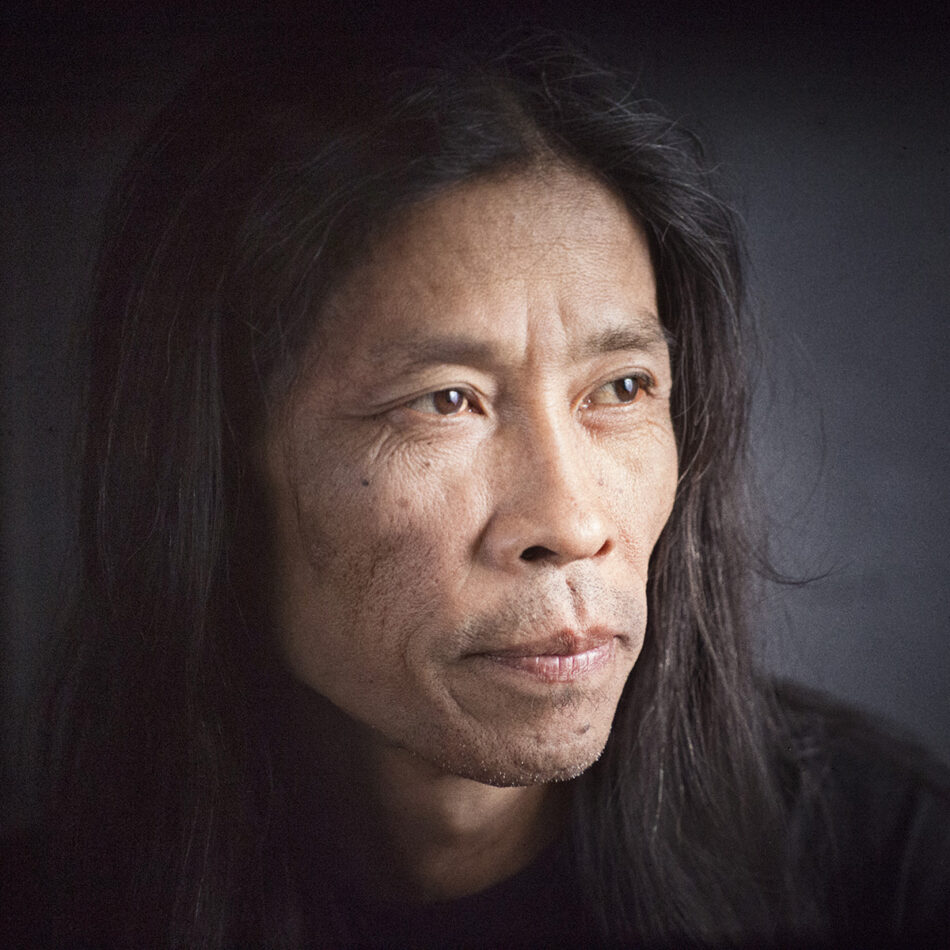
From 1983 to 1997, I am fully on heroin in between lots of rehab and lots of jail and lots of anything. From 1997 to about five, six, seven years, I’m totally on abstinence. …
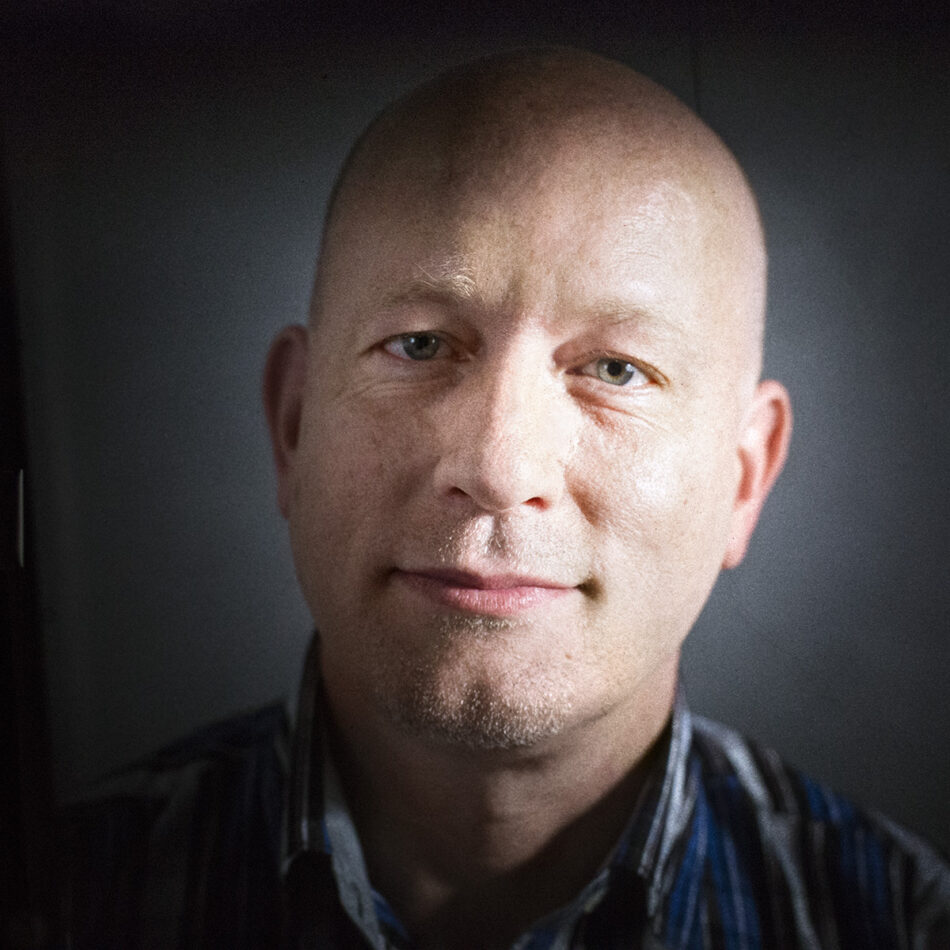
I was a closeted gay man working in international development. I had been a Peace Corps volunteer and was going to school for public health, …
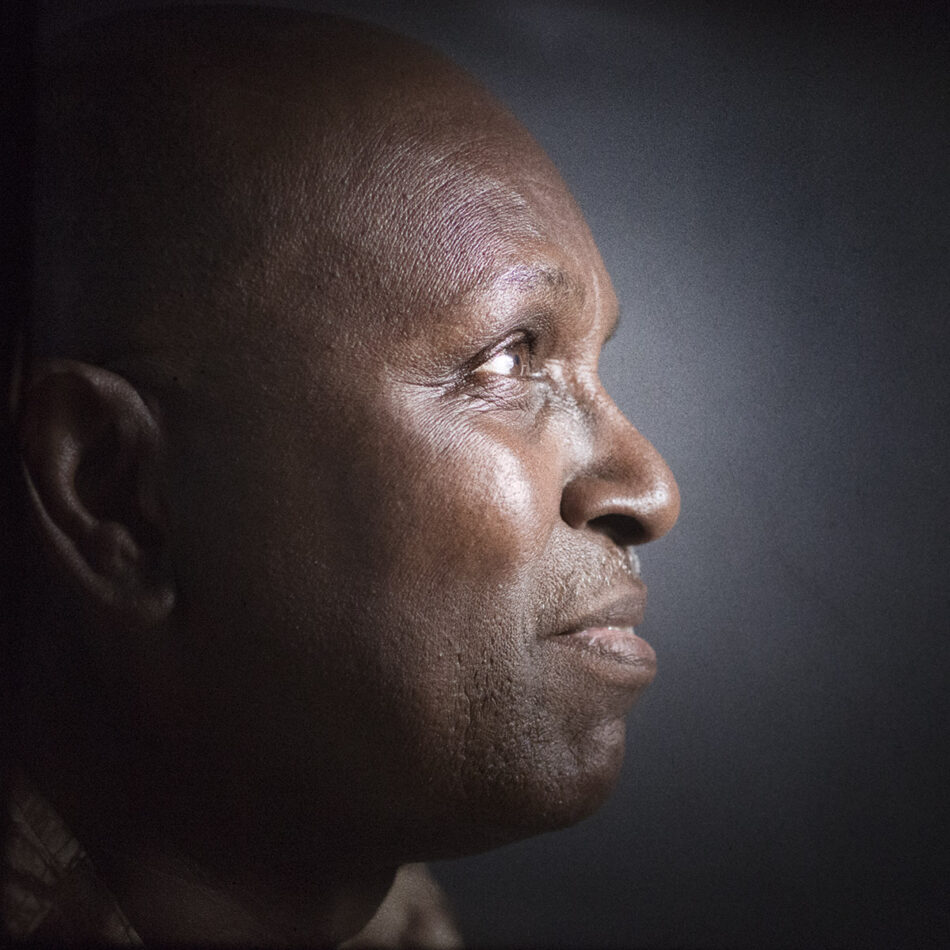
I was suicidal when I was thirteen. Because I was gay, or “sissy” as they used to say in those days. I was actually planning how I was gonna …
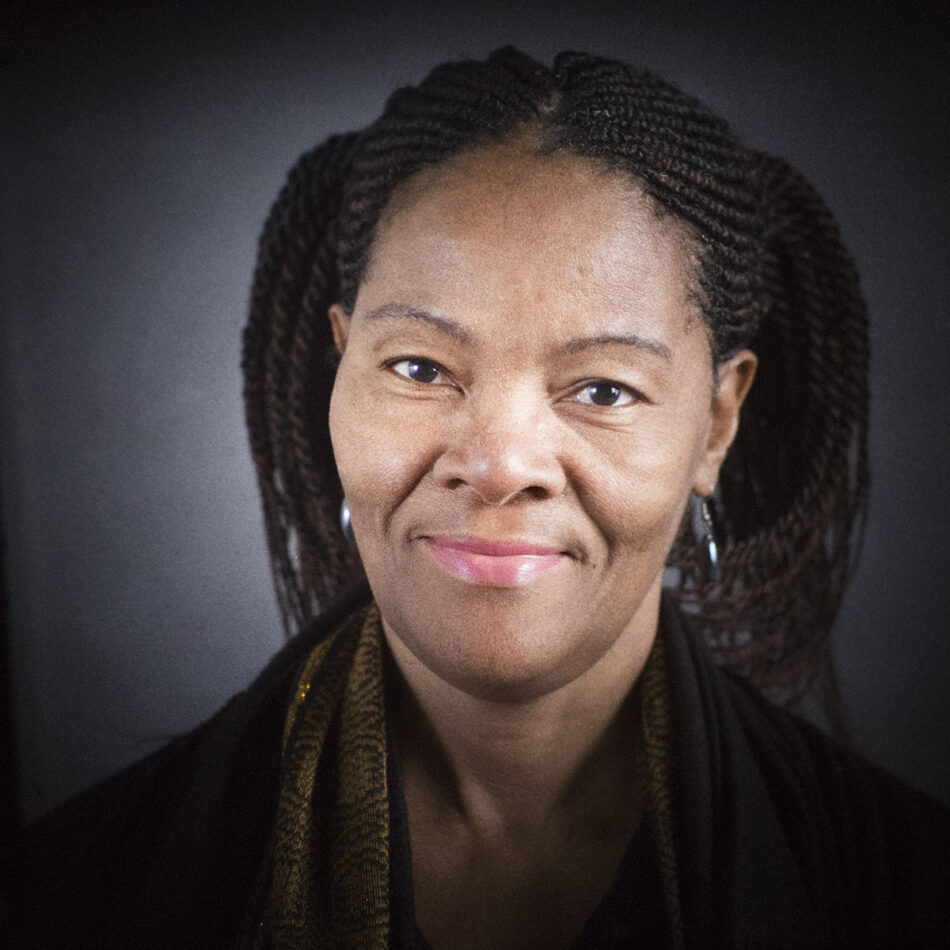
I actually don’t do “My Story.” I don’t do testimonies. People like other people’s business, so it’s not what I do. It’s about the issues. …
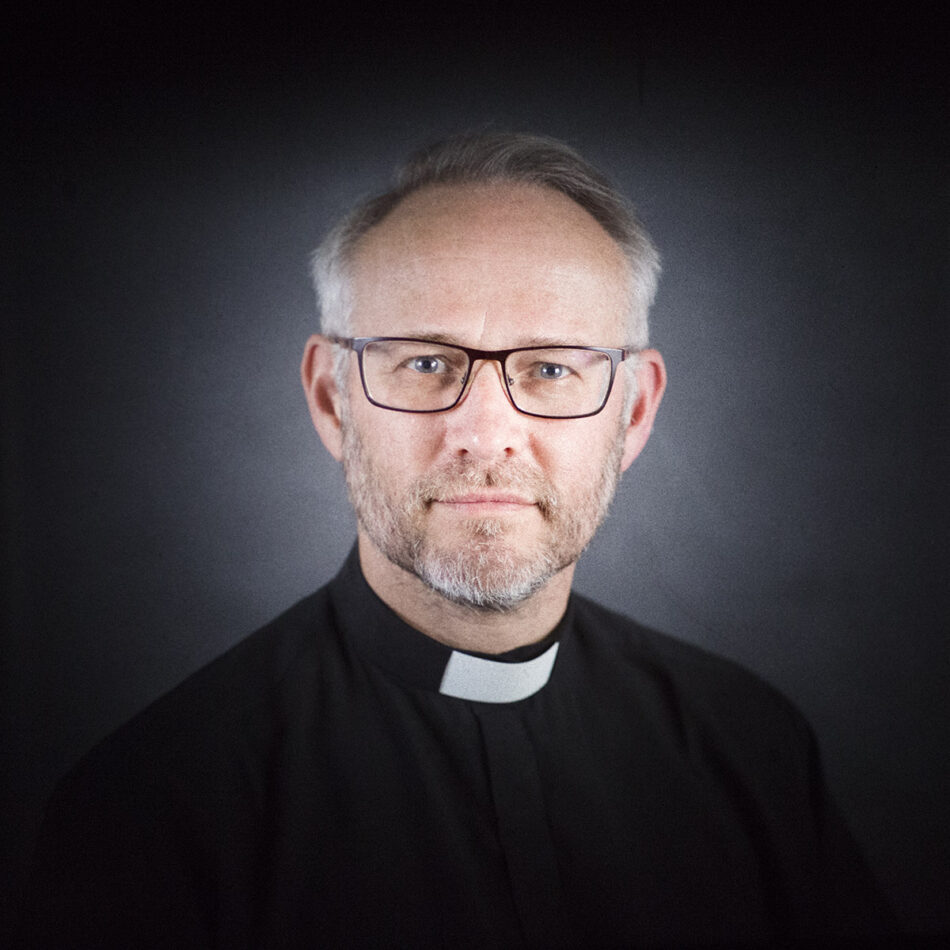
My partner at the time was having problems with his eyes. I had been speaking to him for some time about getting tested together. I said …
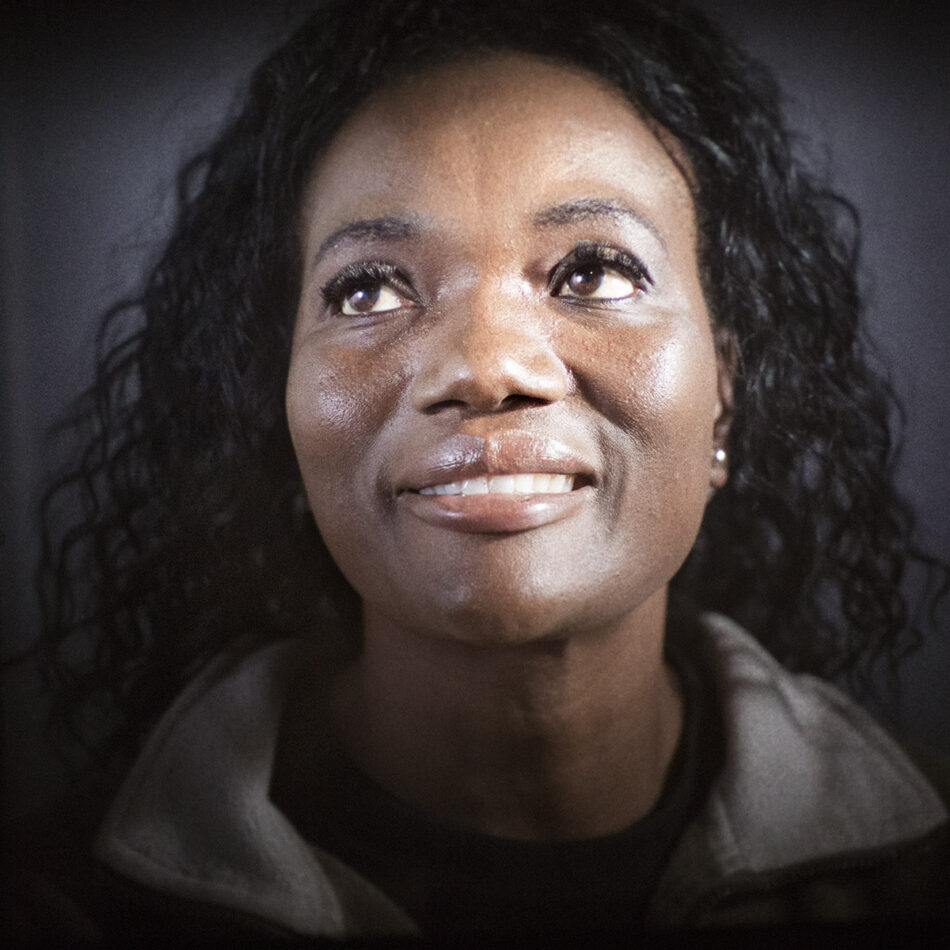
I was a model, I ran the largest modeling agency in Zimbabwe. And I looked the part. Coming from high society, it was rare to find people …
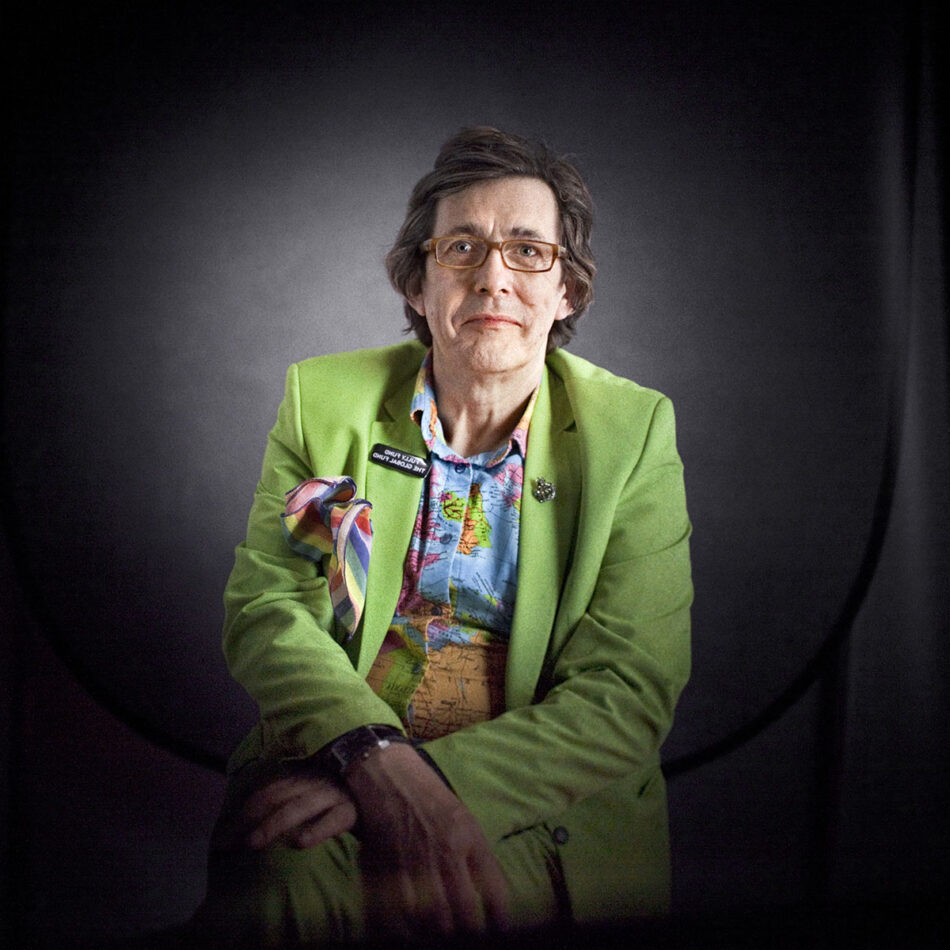
I’m the typical “helper.” Actually that’s really good therapy, it makes you reflect upon yourself. I was an activist in the ‘70s, in gay liberation, …
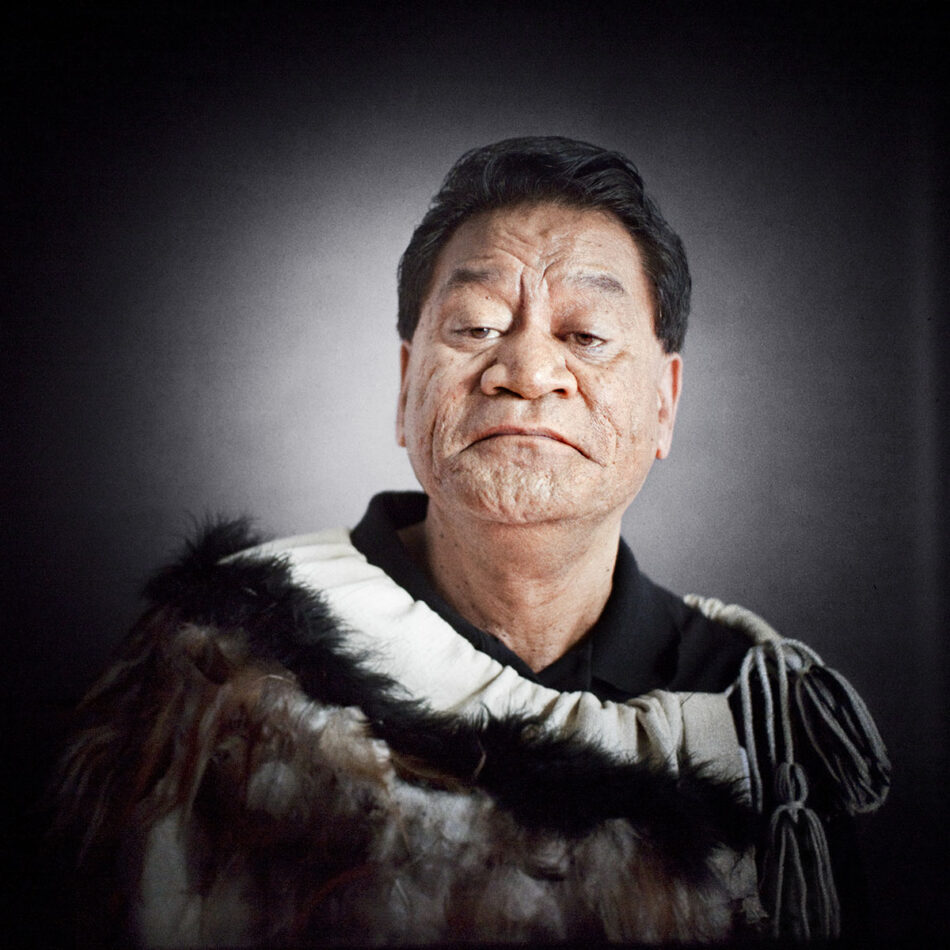
People were just dying in ’83 and ’84. All my friends were dying around me, and then a very good friend of mine was diagnosed with it in ’84. …
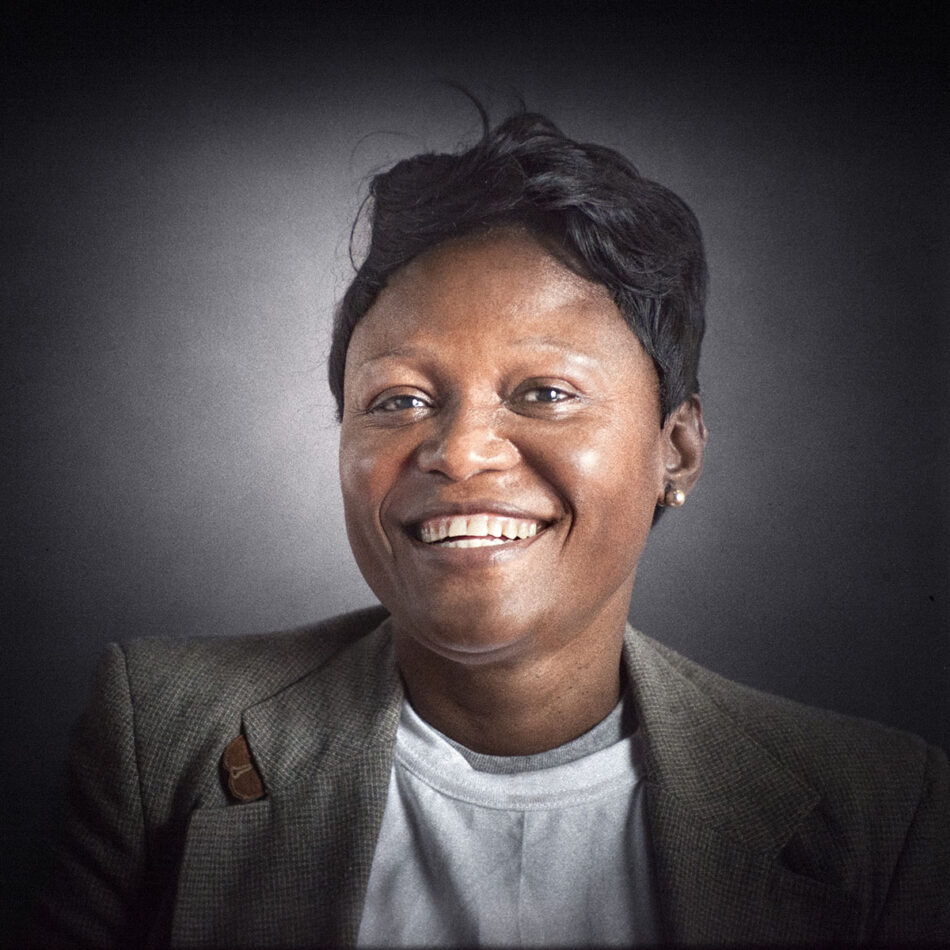
I discovered my status after I gave birth, in 1997. I was sick and I went to see a doctor at the hospital. I asked for a checkup and they told me …
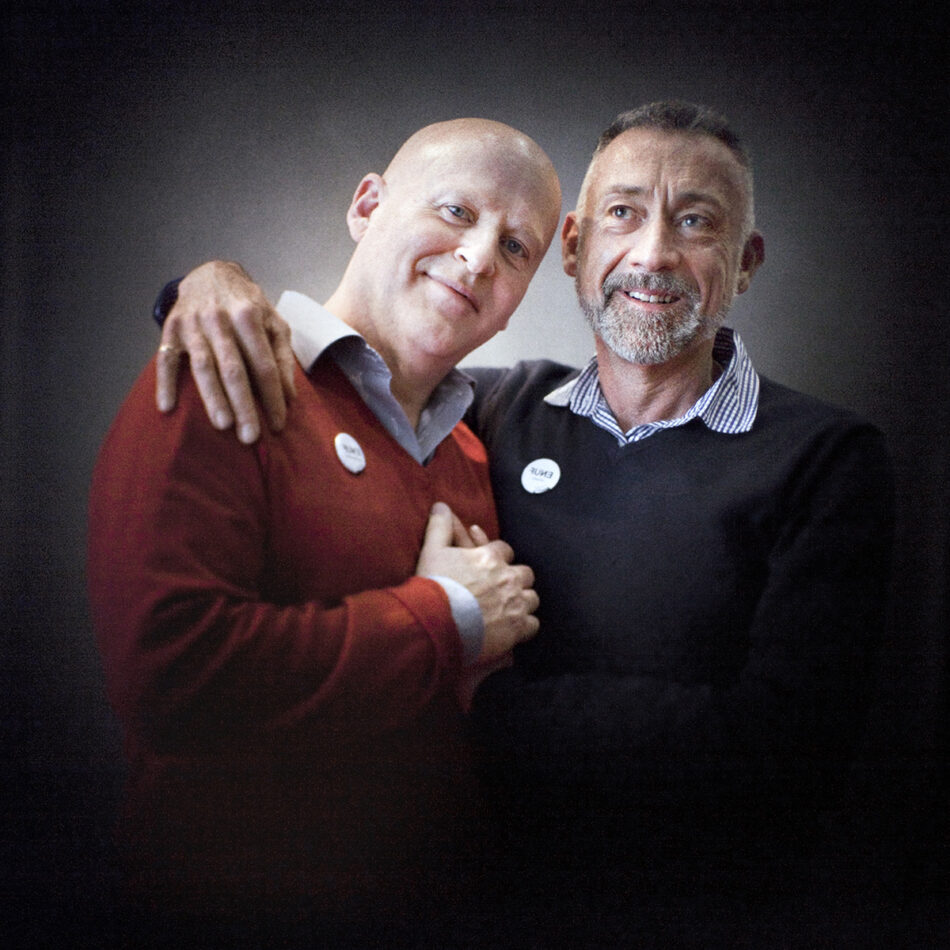
Neale: I met this man while we were conversing online. It was really a meeting of minds on a whole lot of levels. I could sense that he was …
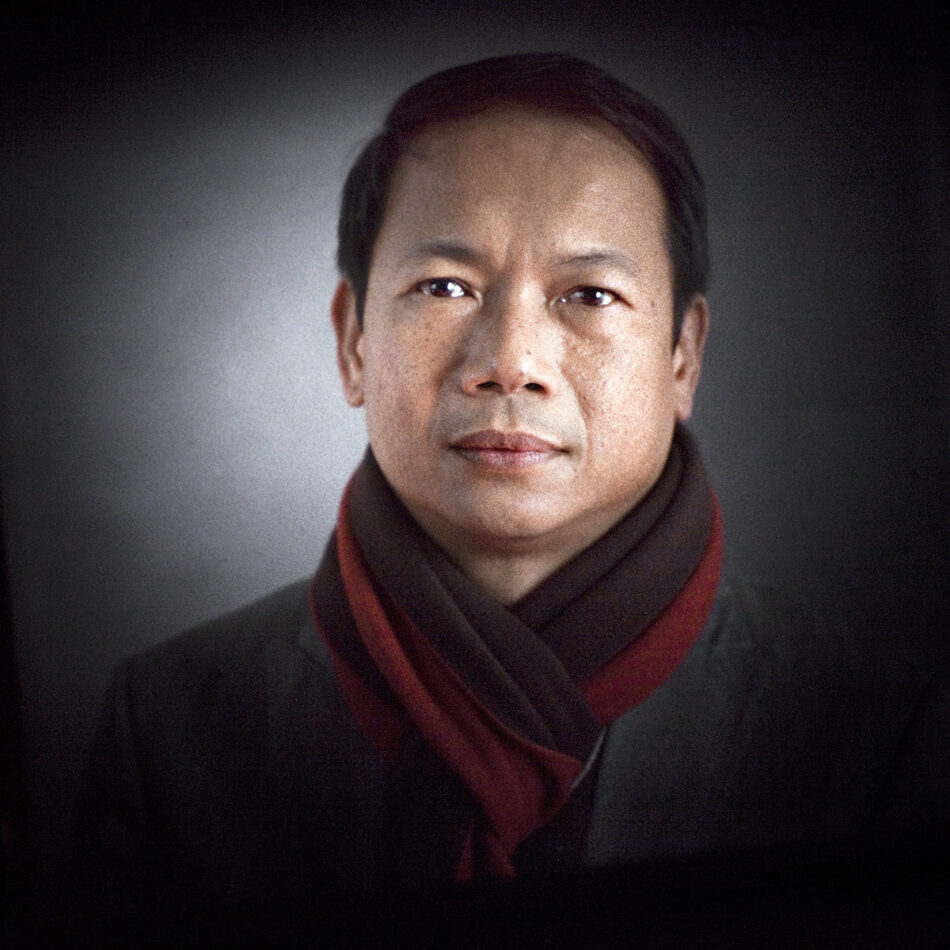
I think that my story is personal, it’s unique, and it is not tragic. And, I think it’s something that is probably a little bit different from other people’s …
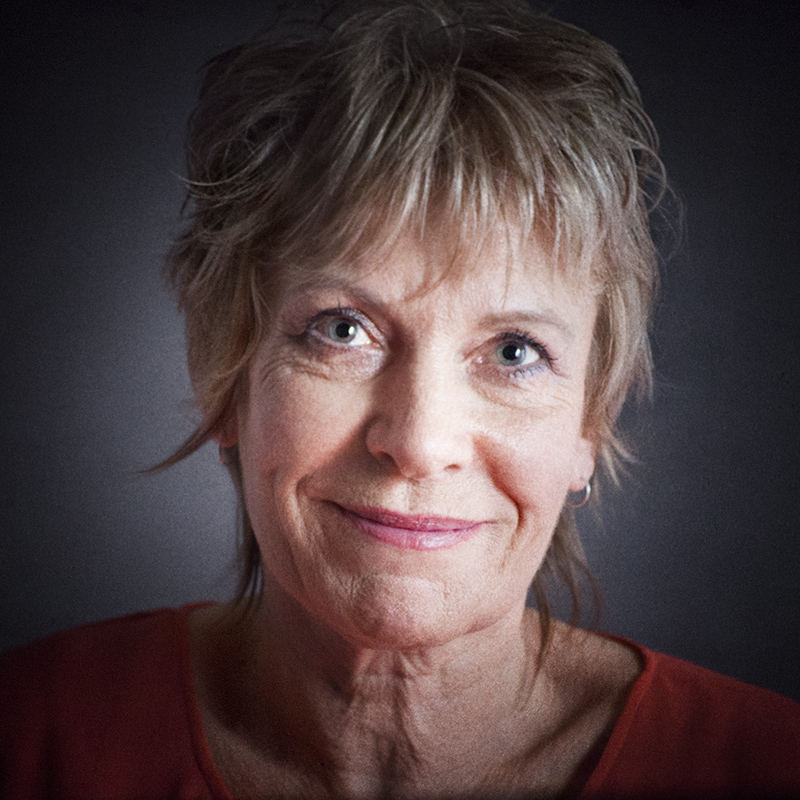
Sometimes, I allow myself to have a wallow day. But it doesn’t happen much now. It used to happen. I cried a lot in the first years. …
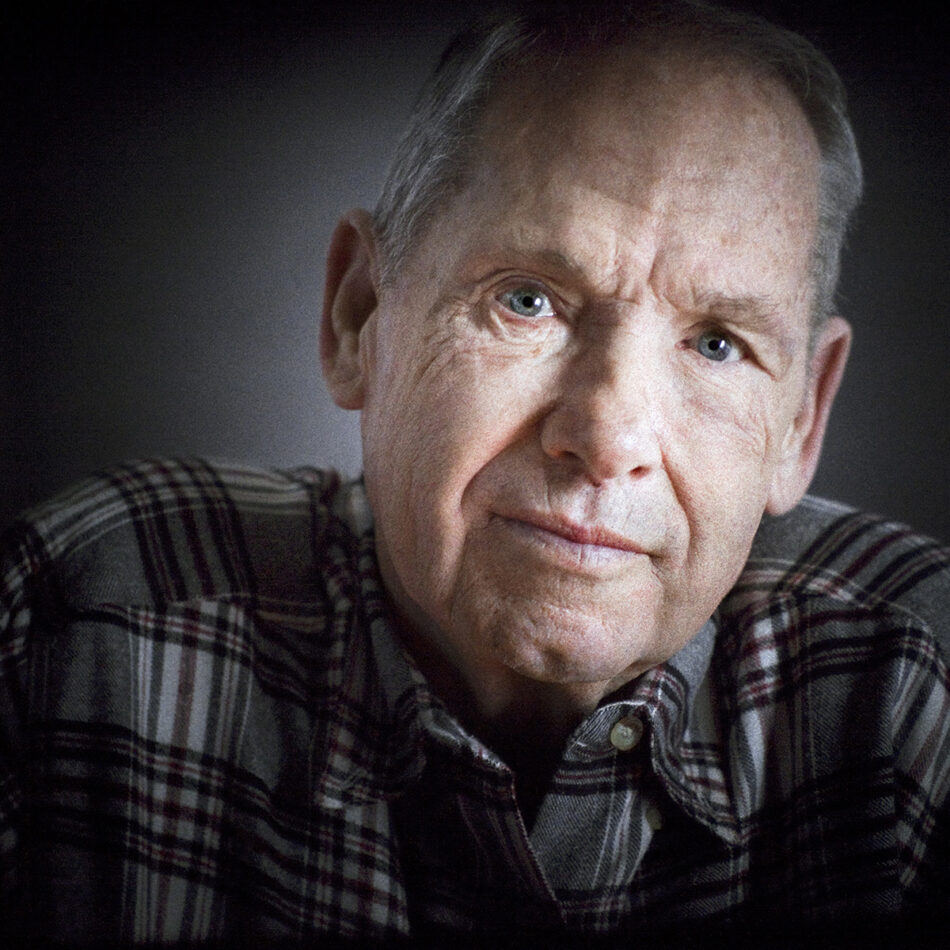
We got kicked out of our church. We got kicked out of our small group. The pastor was in visiting me when the doctor told me, and he told his wife. And so we ended up having to leave …
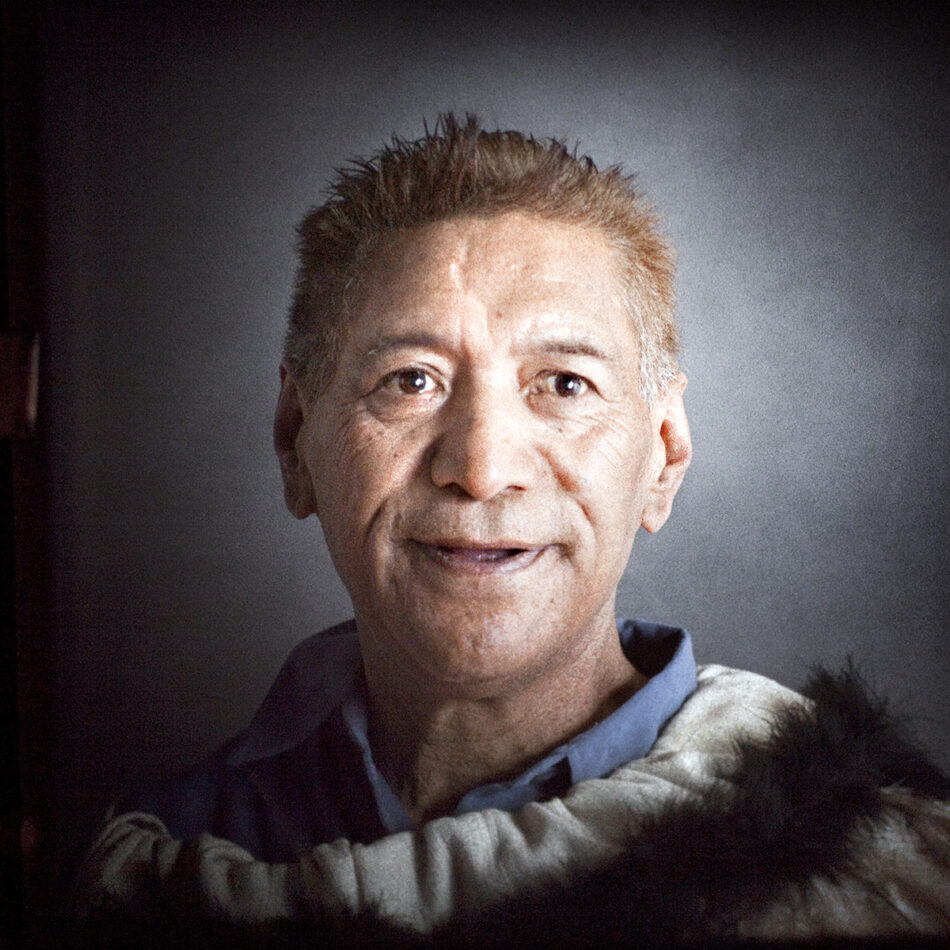
I was diagnosed in September 2010. I’ve only had it 4 years. It couldn’t have been much earlier than that. Because I was in a relationship, …
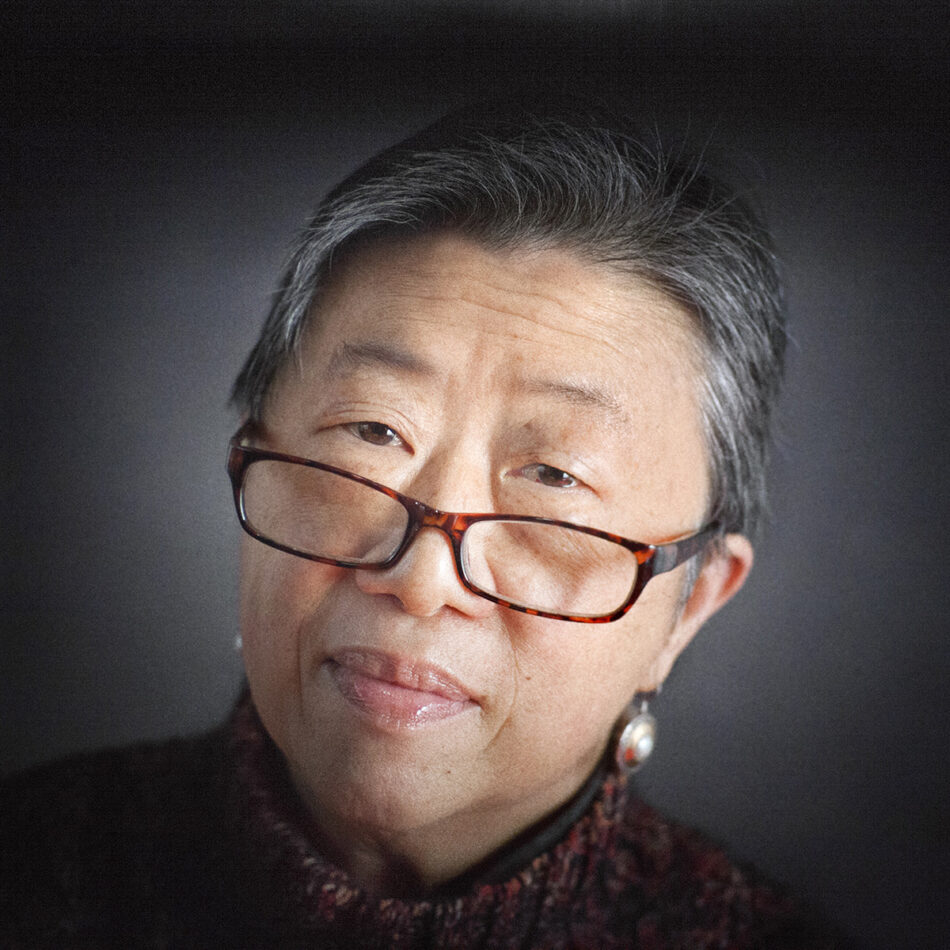
I first learned that I was HIV-positive in a letter from a doctor. I’d been working in a little hospital in rural Africa, but I had to go …
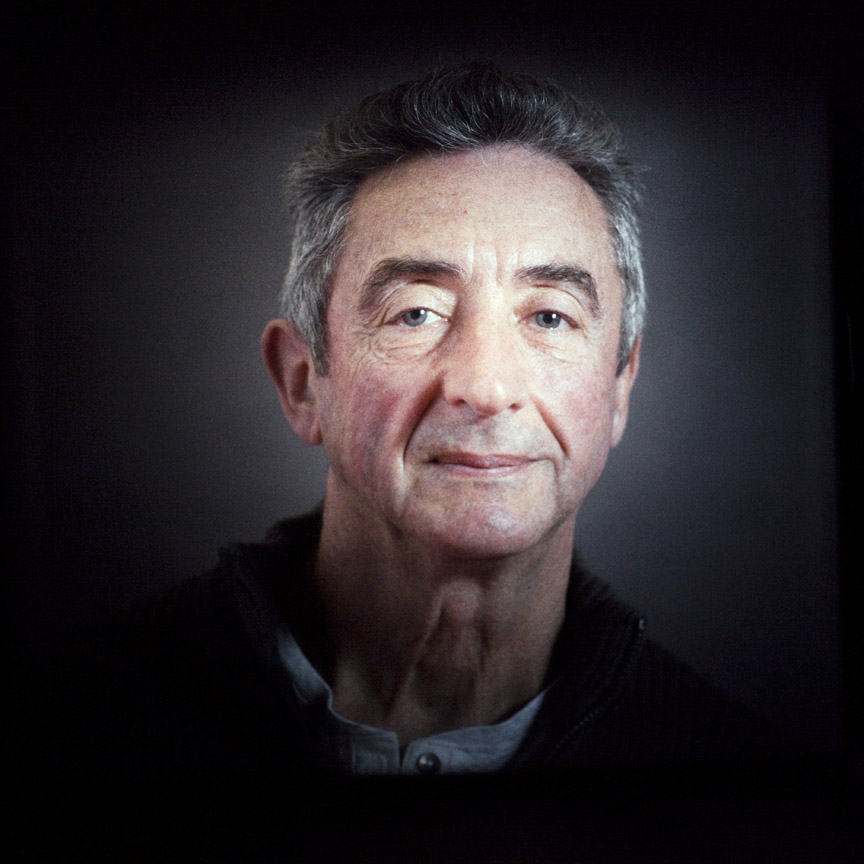
I didn’t come out. I didn’t tell anyone. No one knew for 10 years. And I think that’s what helped me. You see, on that day I was told …
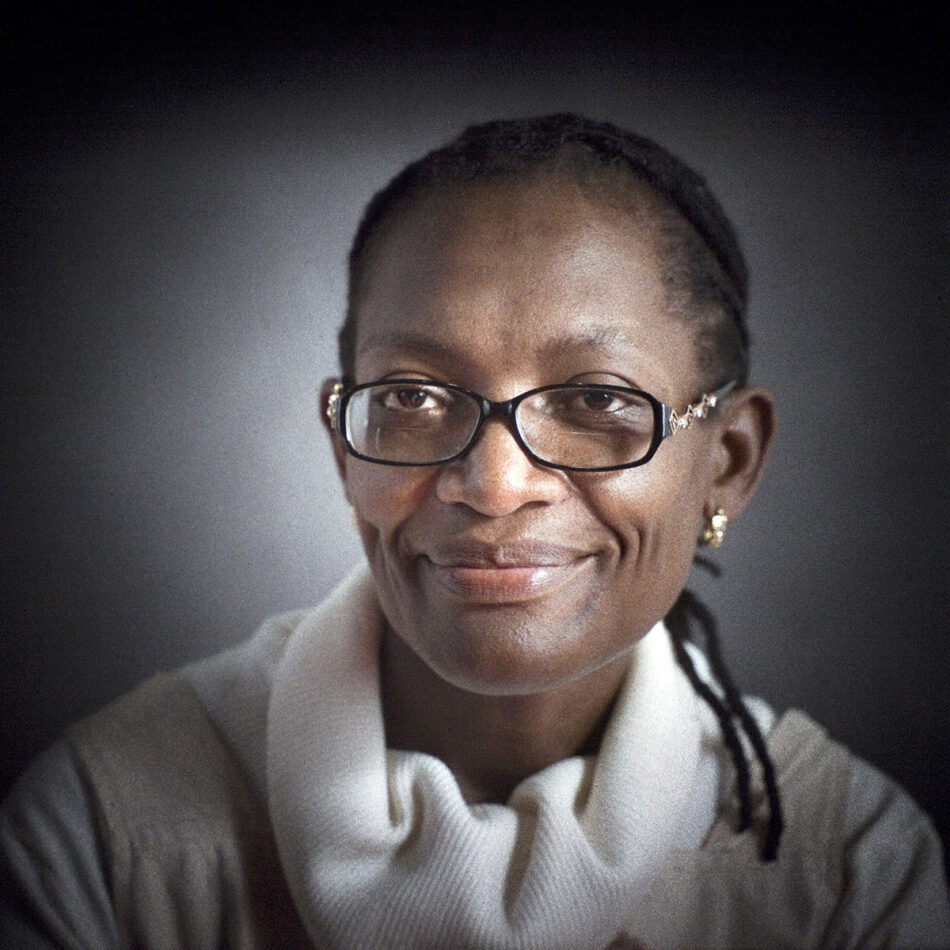
Despite the health personnel saying that, “You isolate her,” my sister was there for me. My mother was there. Would sleep in the same room. My sister would be next to me …
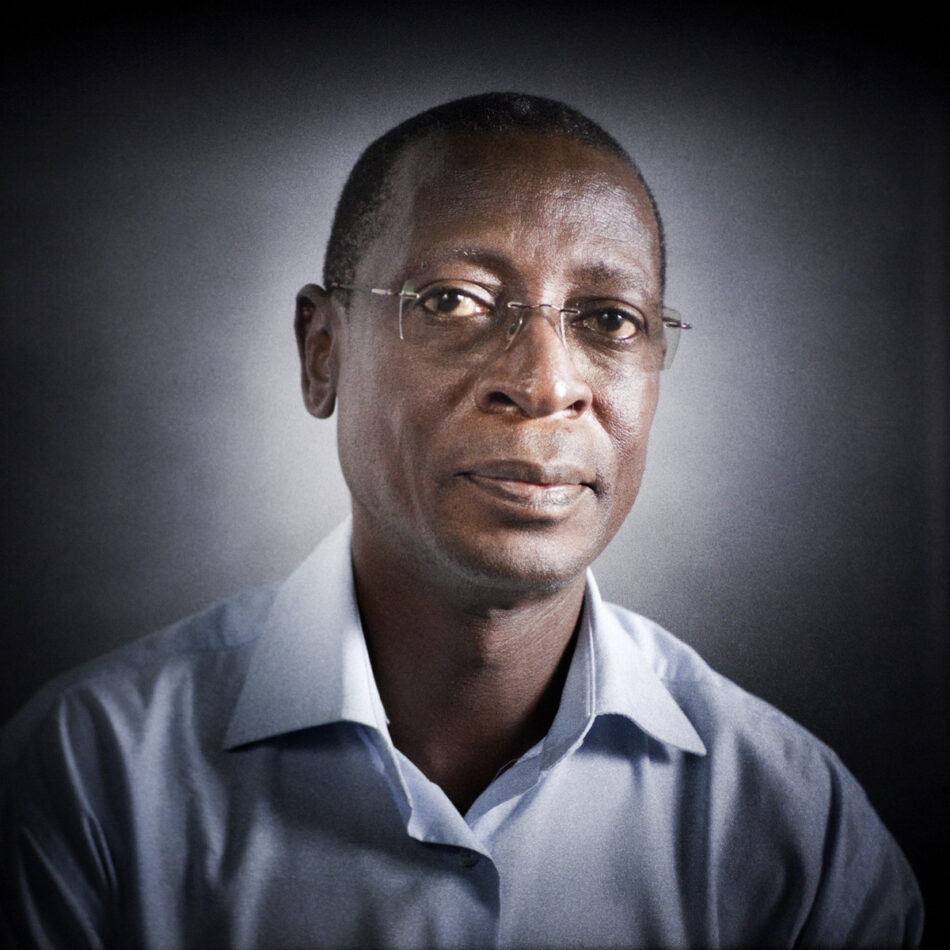
When I started working in 1984 as a doctor, I saw so many people whom I now know had AIDS, but we were never trained – it was not there …
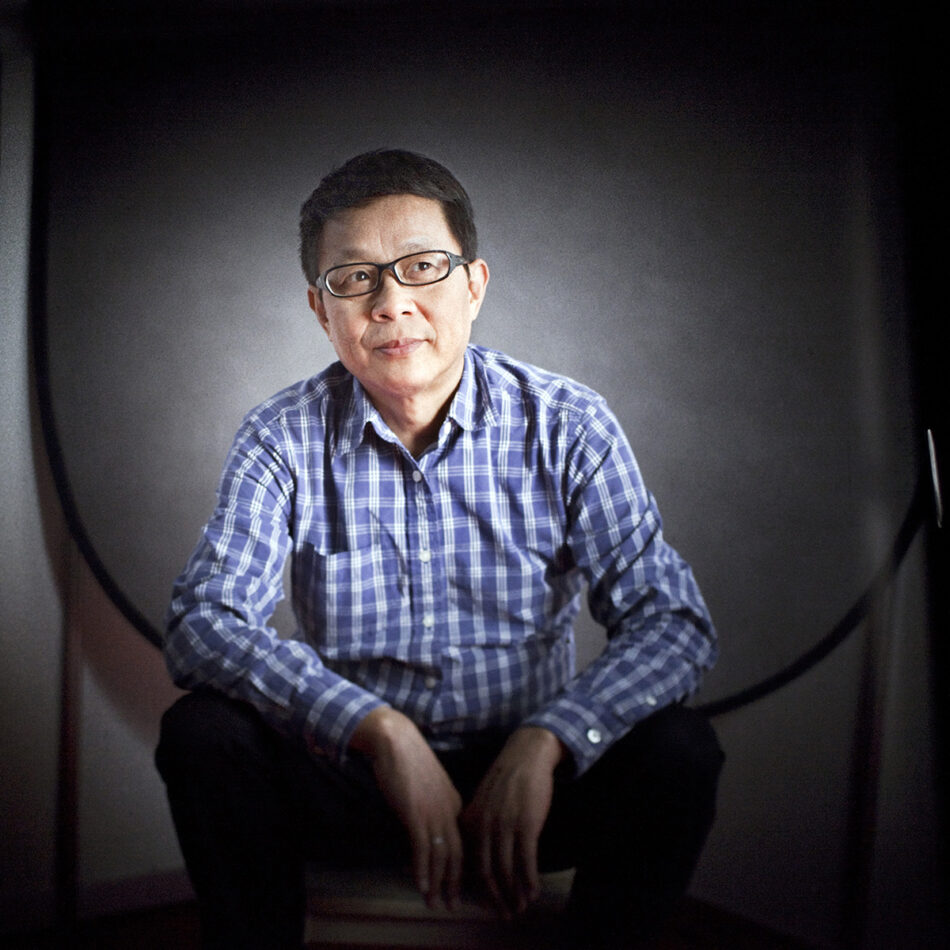
I told my family, and I do not have a full knowledge about HIV/AIDS, but I tell them I’m HIV-positive. The same day I’ve been kicked out by the family. And all my friends get away …
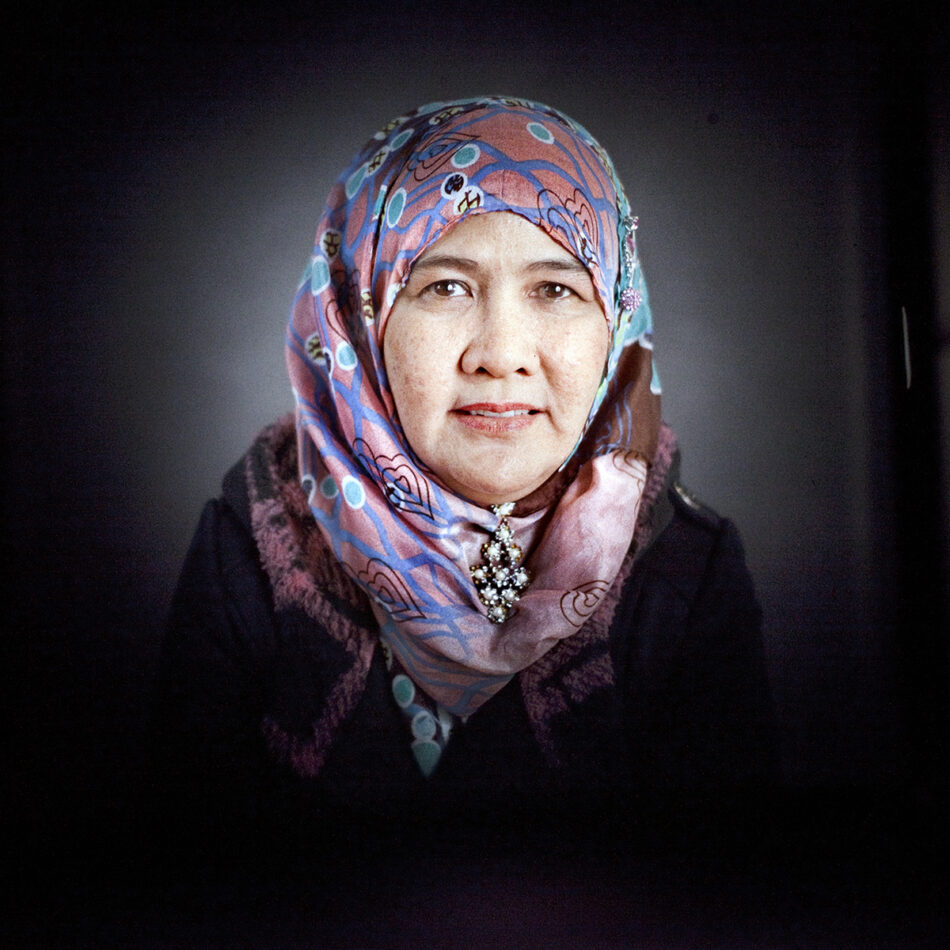
In year 2003 I already need to be on medications, but at that particle of time, that we need to pay about 1,000 ringget Malaysia, and my salary is …
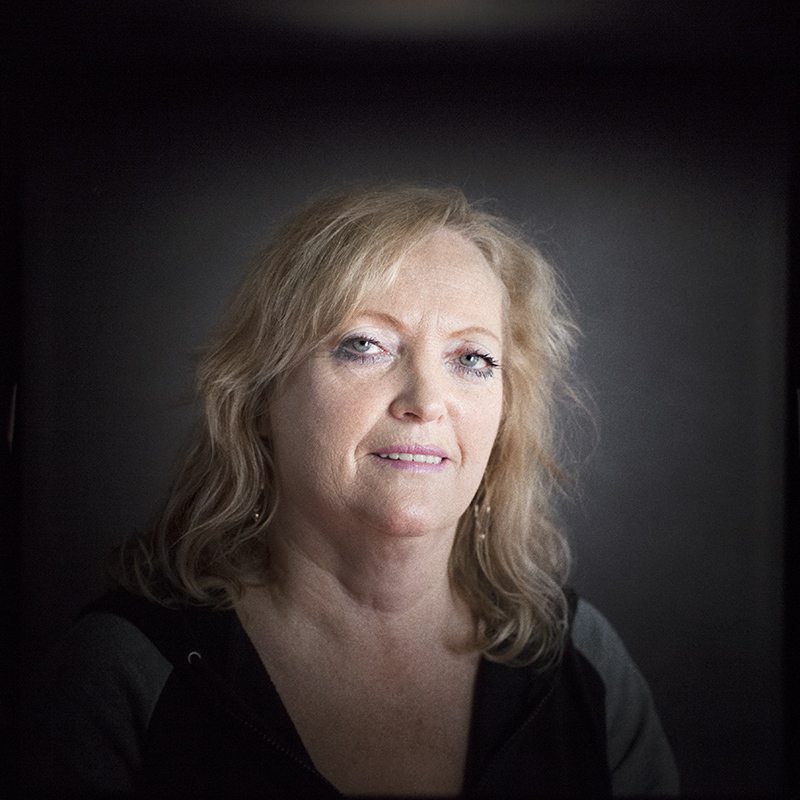
I always wanted a big family, you know – four to six children. My career was in childcare. I found out that I was positive and pregnant …
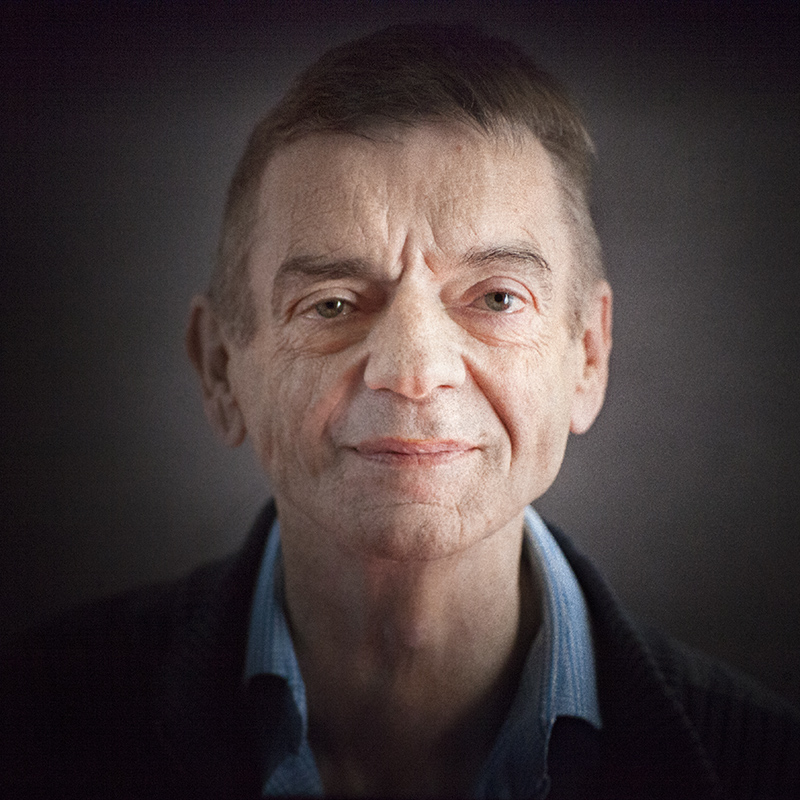
I’ve really had a lot of AIDS-defining illnesses in the ‘90s, some of which I’ve lived with since. I’ve developed diabetes, and, as a consequence, …
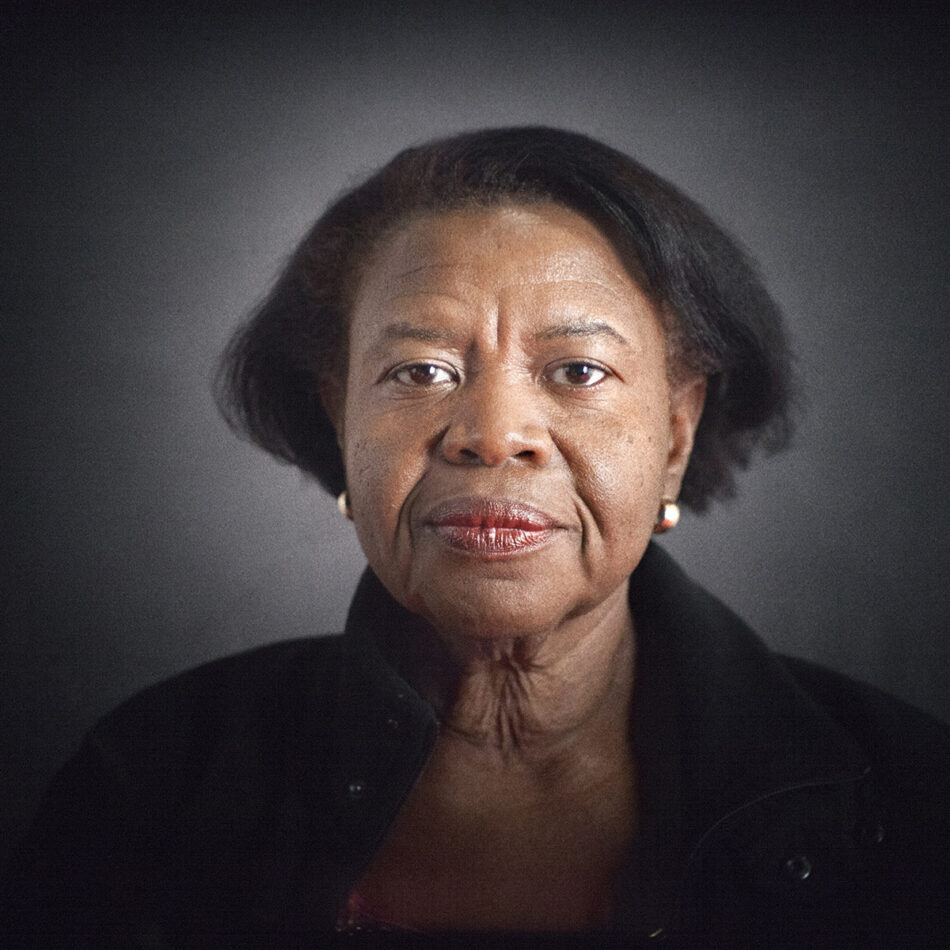
I am very fortunate. I’ve been able to educate myself to the graduate level. I hold down a really decent job. I make, in nonprofit, nonprofit-decent money…
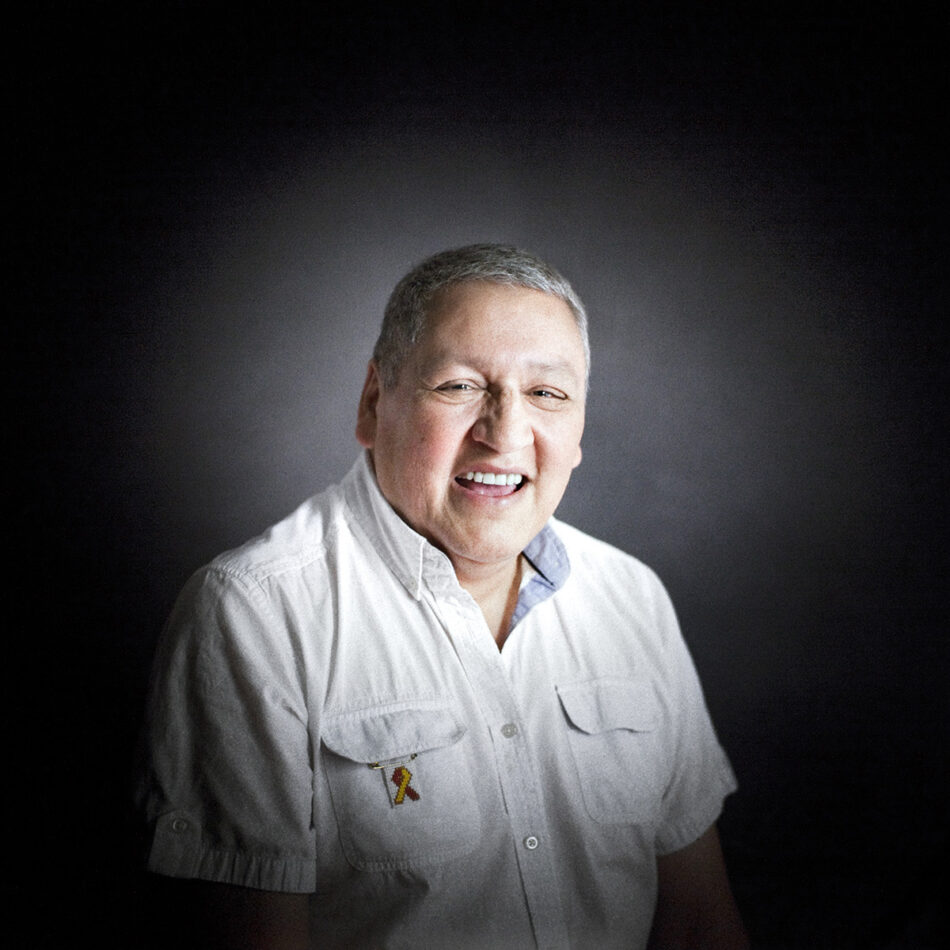
I’m 62 now, but I came out when I was 26. So it was quite late. And back then, being out was not– it was …
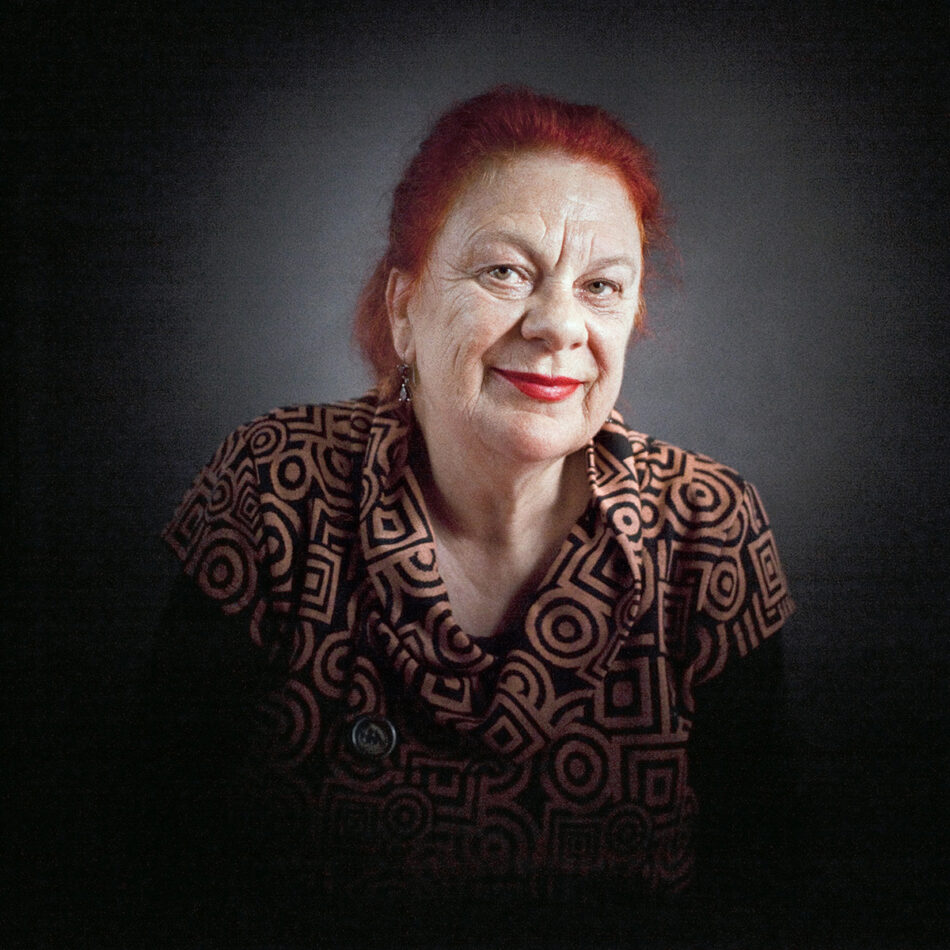
I don’t feel OLD old, ‘cause I’m still feeling young, because I’m still here, you know. I feel really grateful that I don’t ponder on, oh, you know, …
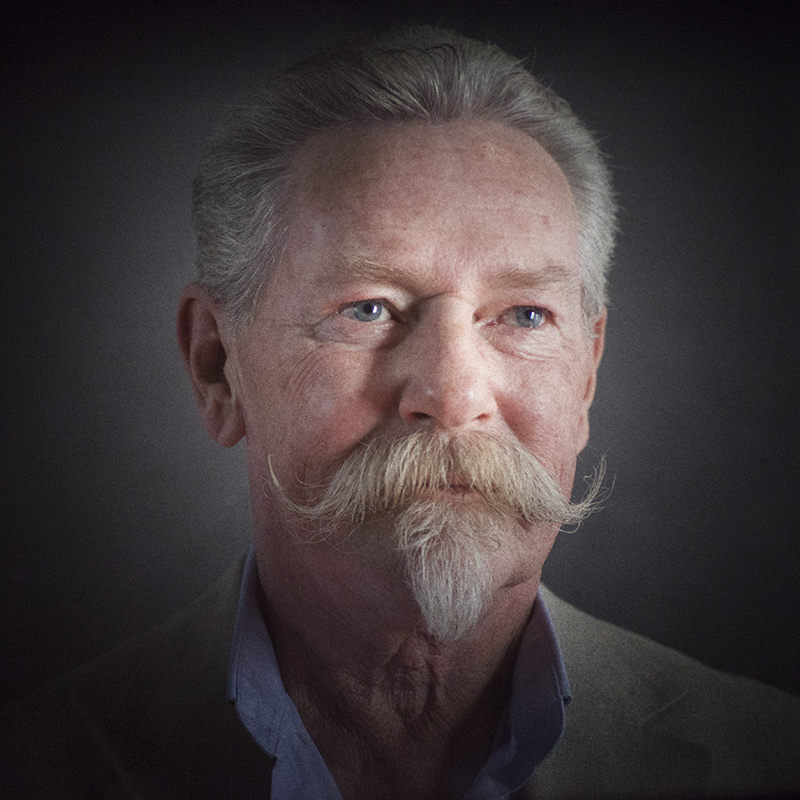
It’s very difficult to meet positive people, because mostly, they’re still too afraid to come out and disclose their status to almost anyone. And I really would like to have a positive …
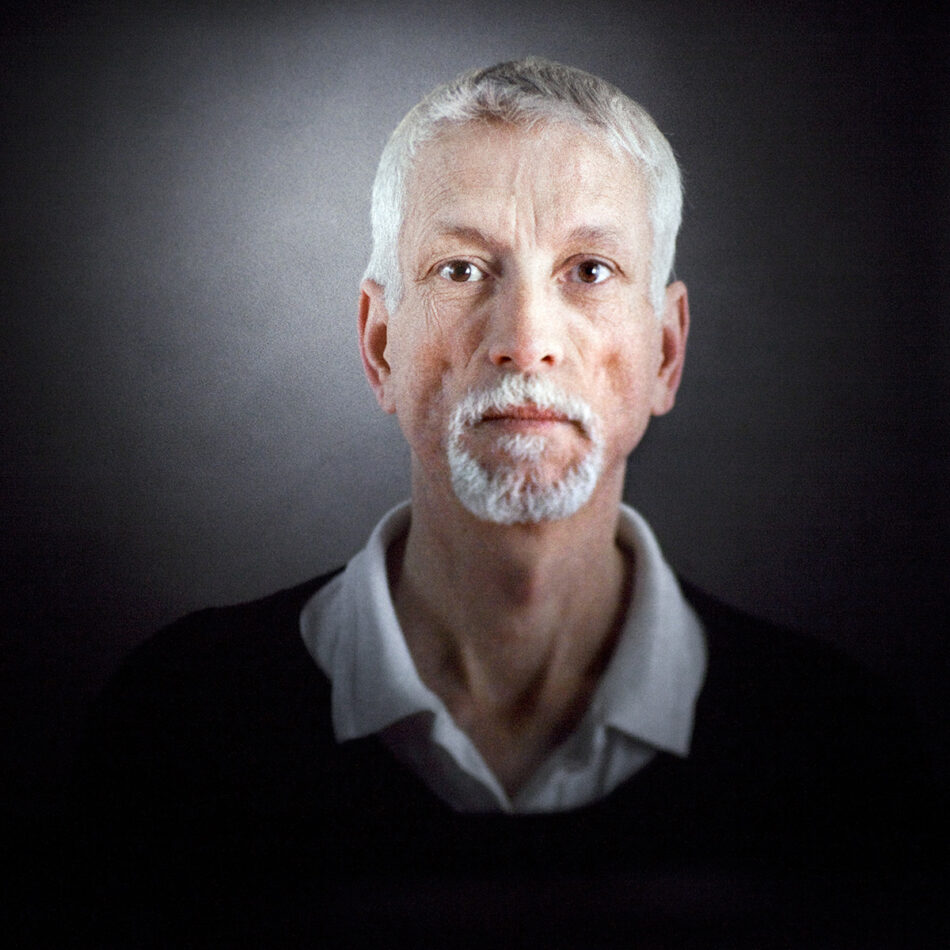
I think it’s harder now to live up to the expectation that you’re well. People think that HIV has been finished. That the treatments are great and …
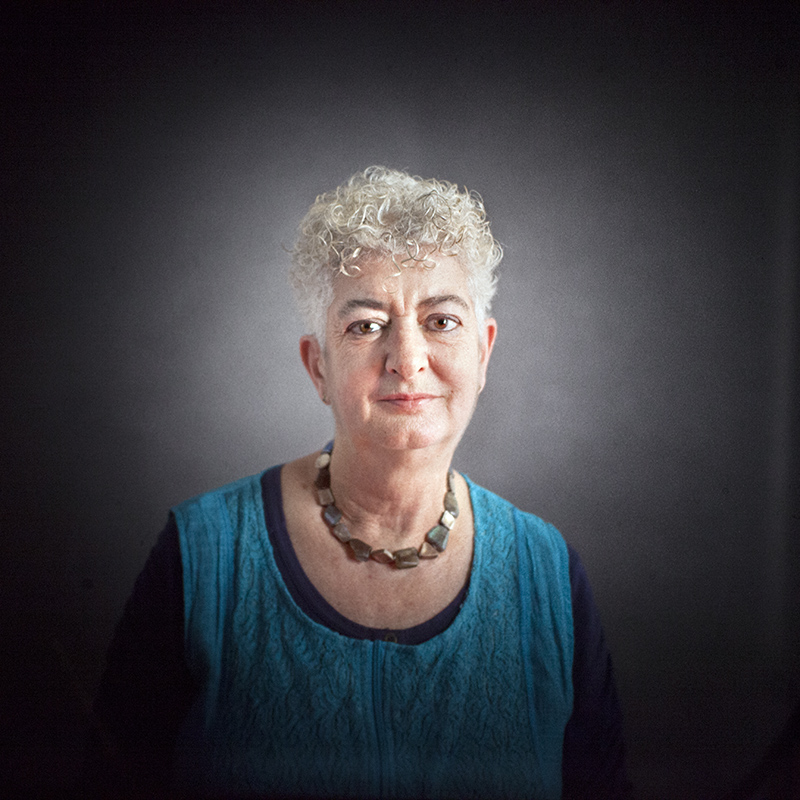
By the end of ’99, I’d really been living with HIV for over a decade – my health was going downhill rapidly. I was doing a PhD thesis. …
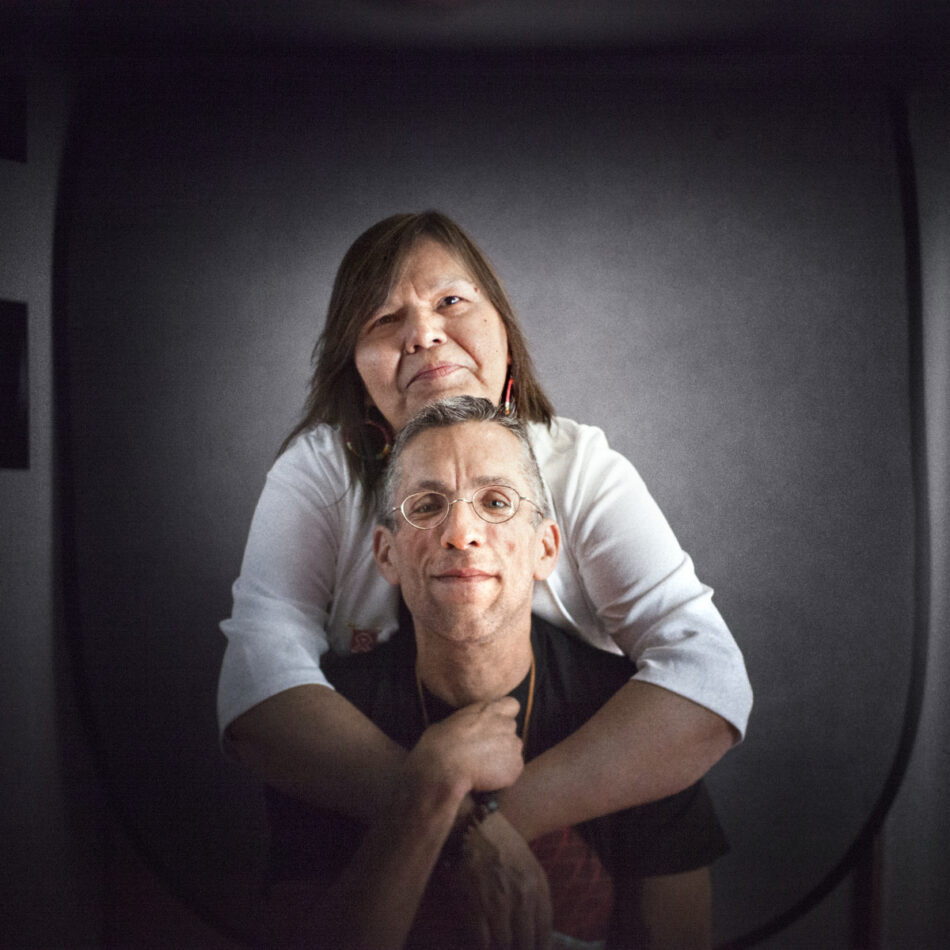
Doris: I was caught up in my addictions, and I thought the weight loss was connected to my substance use, until I started seeing …
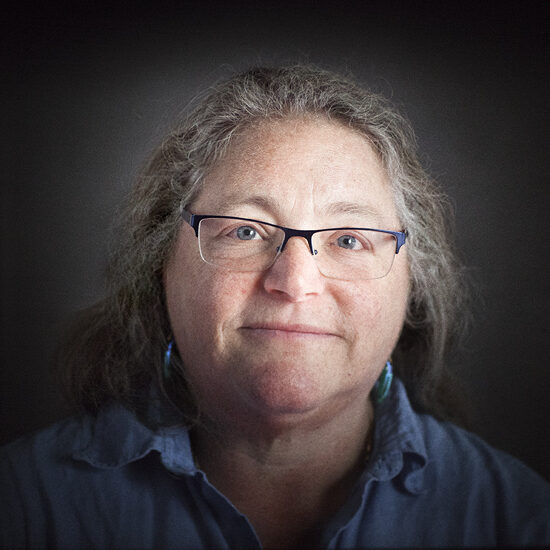
I just remember being very naïve, you know, and people would tell me to do something, and I would do it. I didn’t know any better. The good news is …
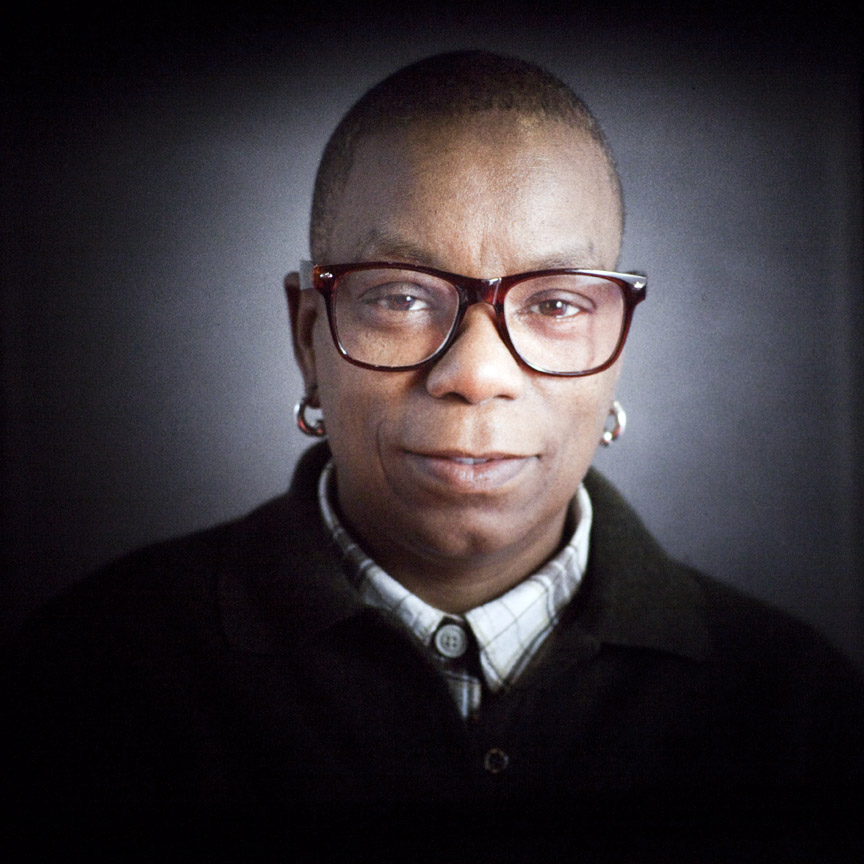
Getting older is like, um… Things are happening with my body that I don’t like. You know, my mind is still 25– my mind wants to be 25, my body is not…
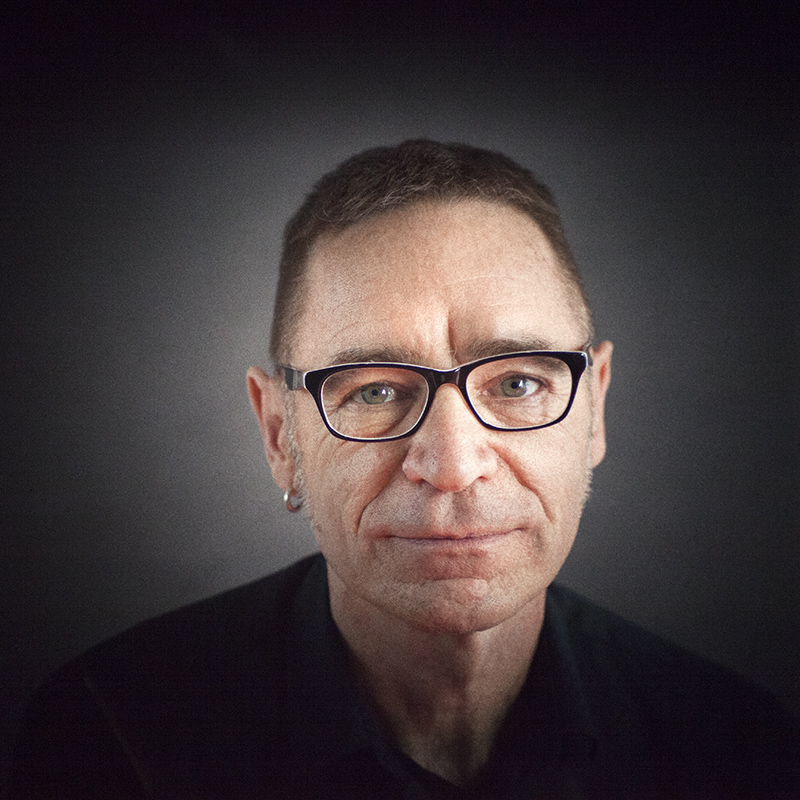
It’s strange to say: I was living in Sydney in the 1980s when the newspapers, every week when they came out, they had dozens of people dying from HIV. I didn’t know of any …
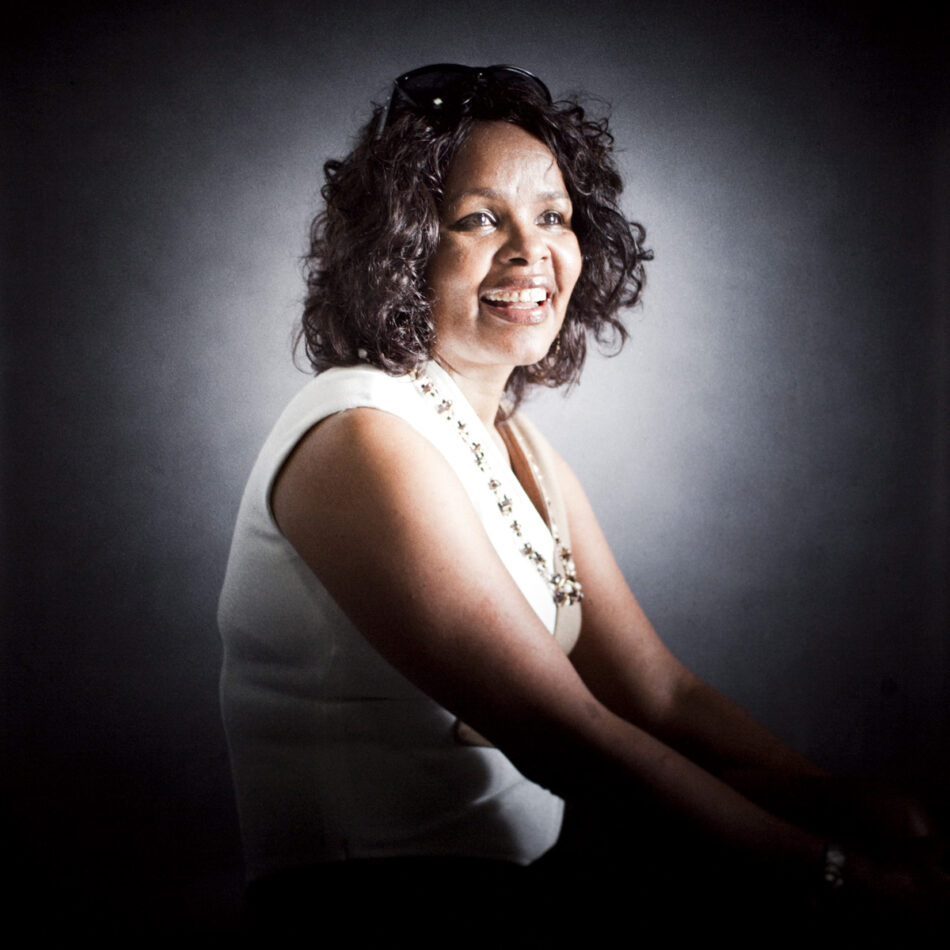
I decided to go back to school after I got fired from Barclay’s Bank because of my status. I was diagnosed in January 1988. My daughter was breast feeding at the time. I just …
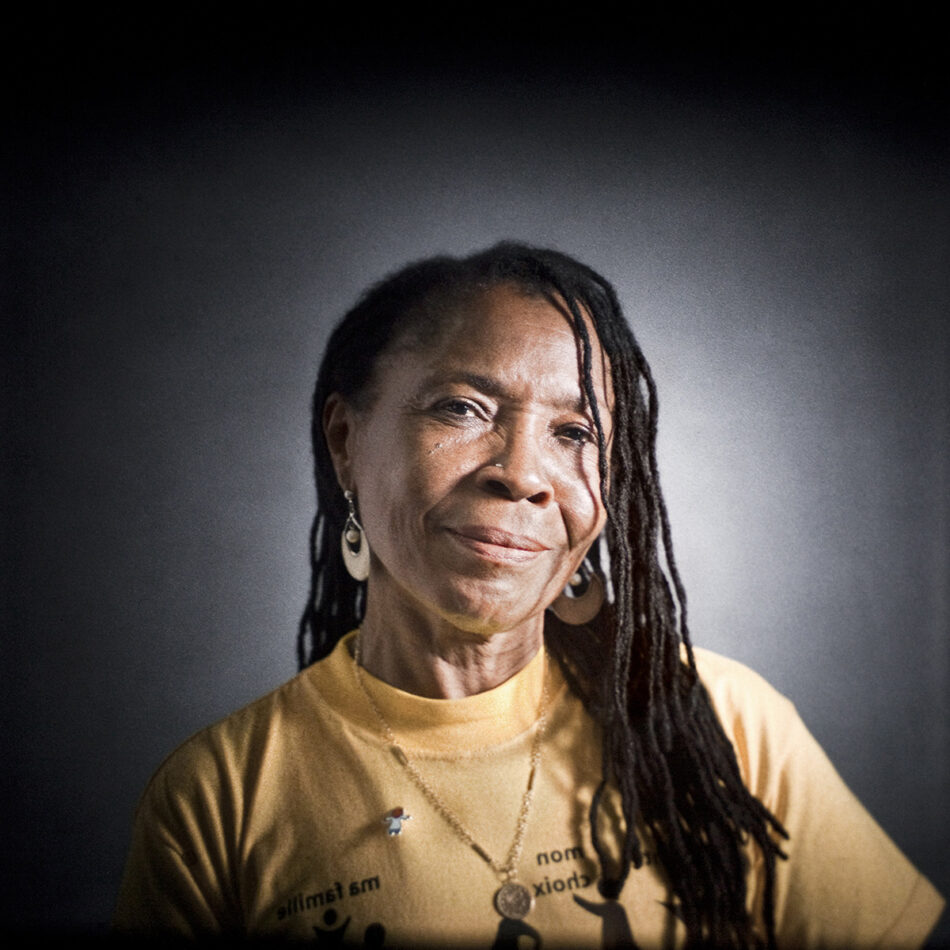
I’m one of the long-term survivors. I’m not use medicines because my viral load is undetectable and my CD4 cell is still high. I have a healthy lifestyle. …
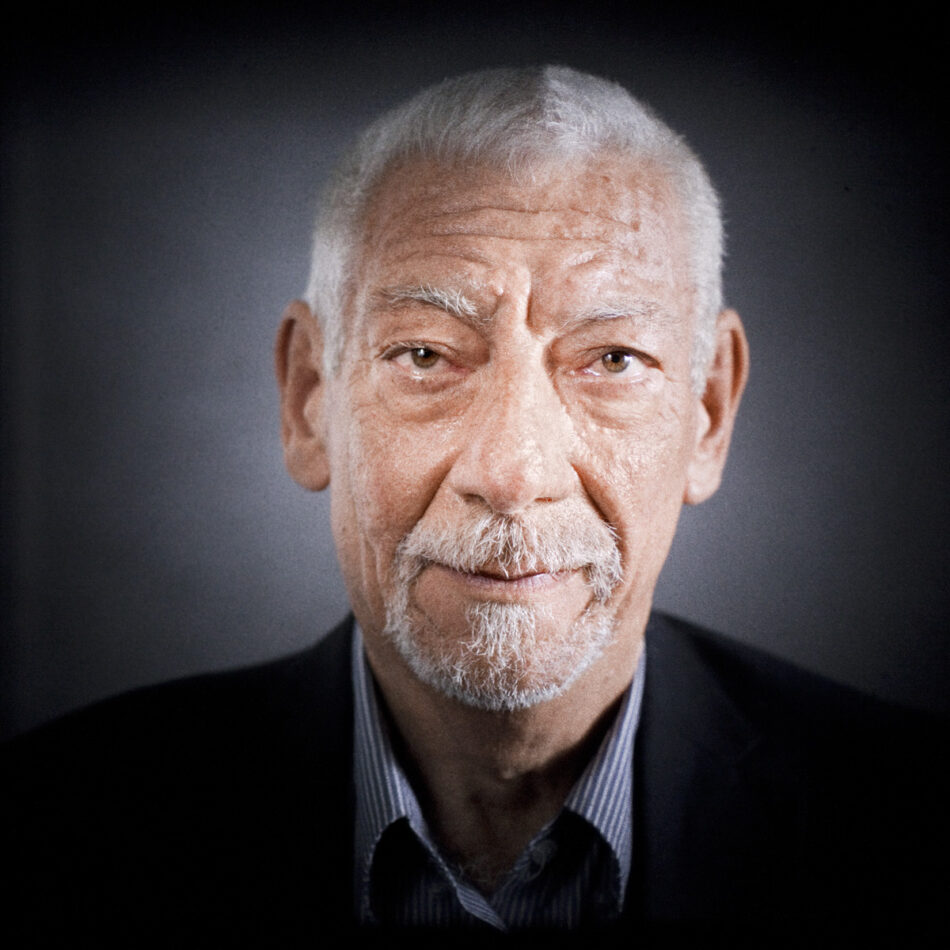
My partner started to show symptoms of AIDS in 1983, and I talked to my doctor, who said, “Look, this is all happening in the United States. It can’t possibly be.” But in fact it was. …
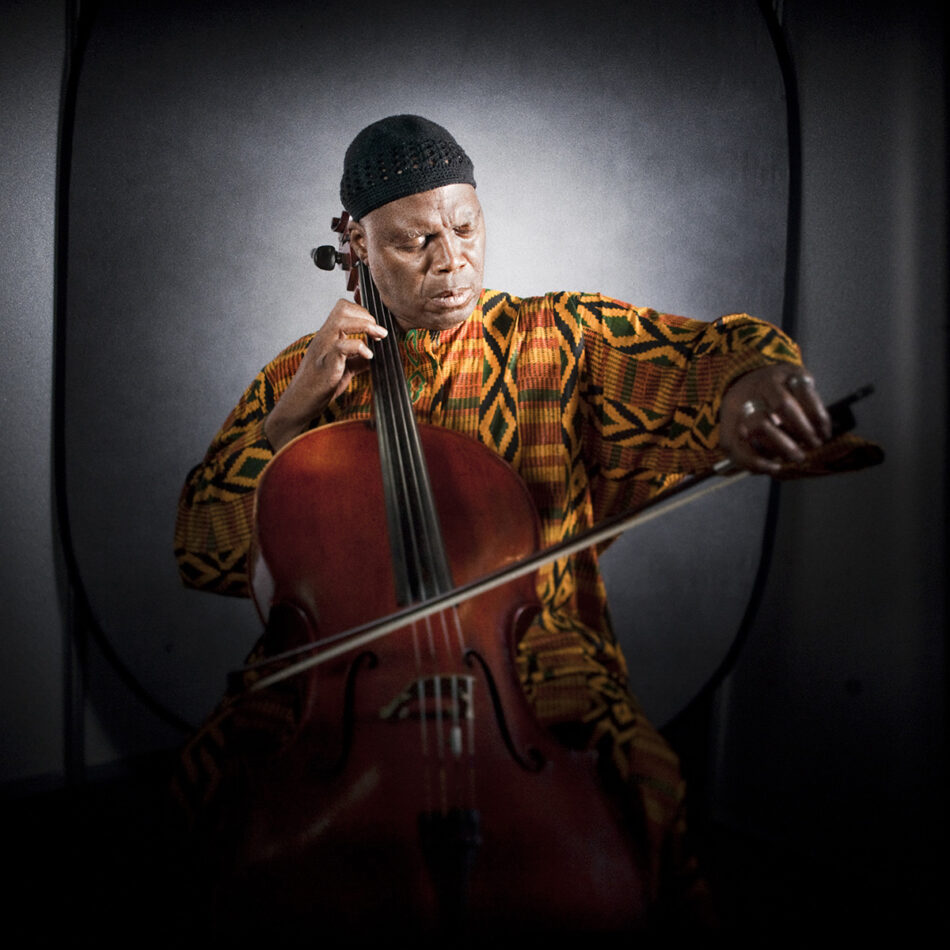
I was born in Louisville, Kentucky. I moved to Montreal, Canada, and lived for some 15 years in Germany, and now I’m living in the west of Canada…
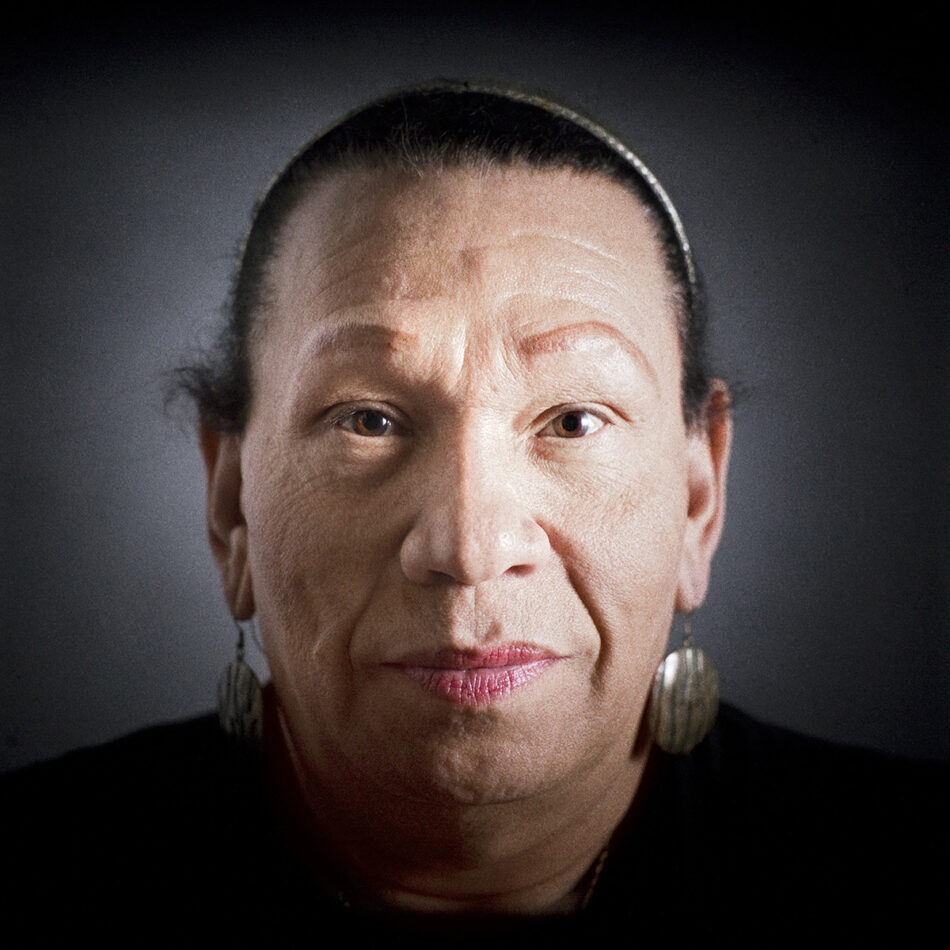
Al principio– sí, mucho rechazo. Primero porque era transex– soy transgénera, mujer transexual. Y luego el VIH, luego no saber el idioma …
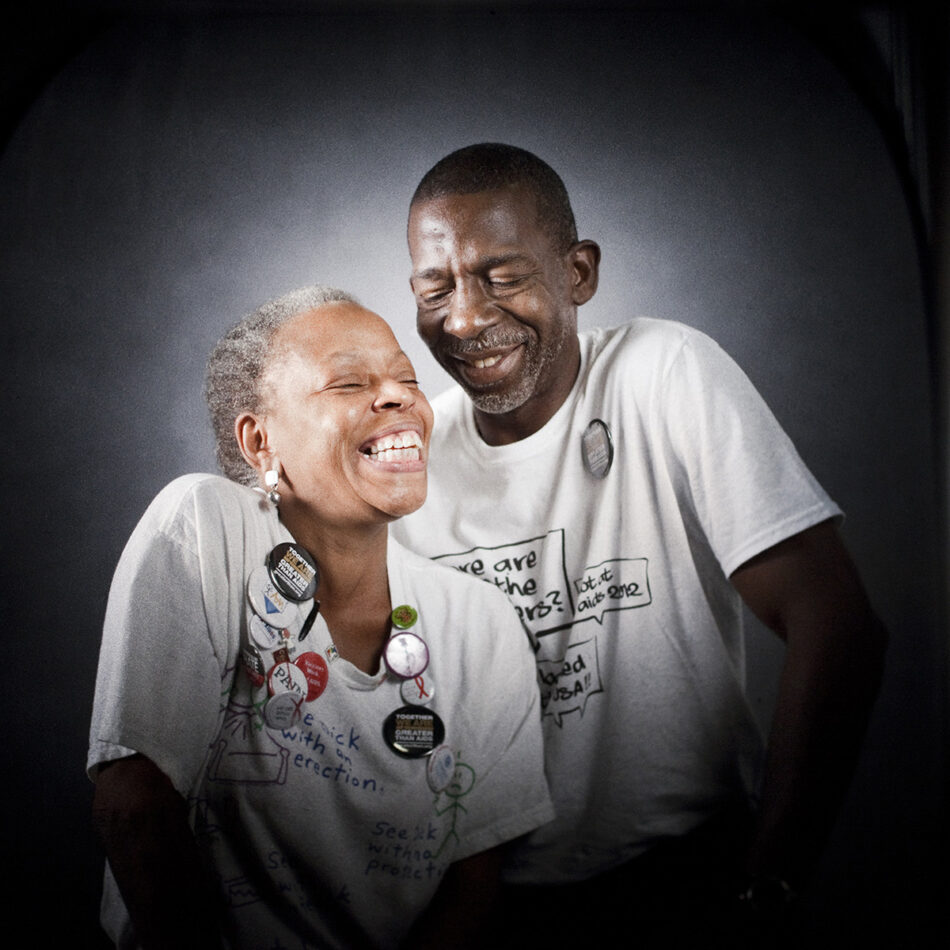
Edward: She used to follow me around all the time. I was 15, she was 11, so I looked at her like a kid, like my little sister, and she became my best …
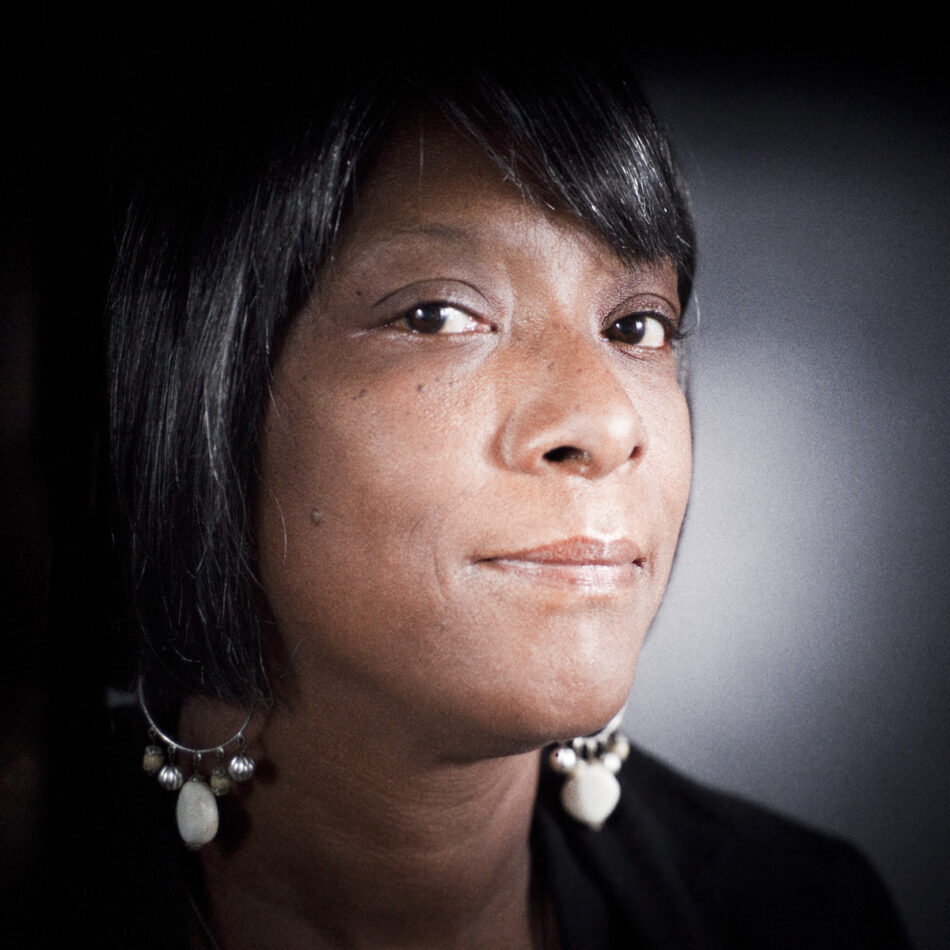
I always knew that there would be a possibility. I had some friends that passed away. I was a intravenous drug user. My lifestyle prior, from ‘80 to ‘88, wasn’t the nicest thing. But I …
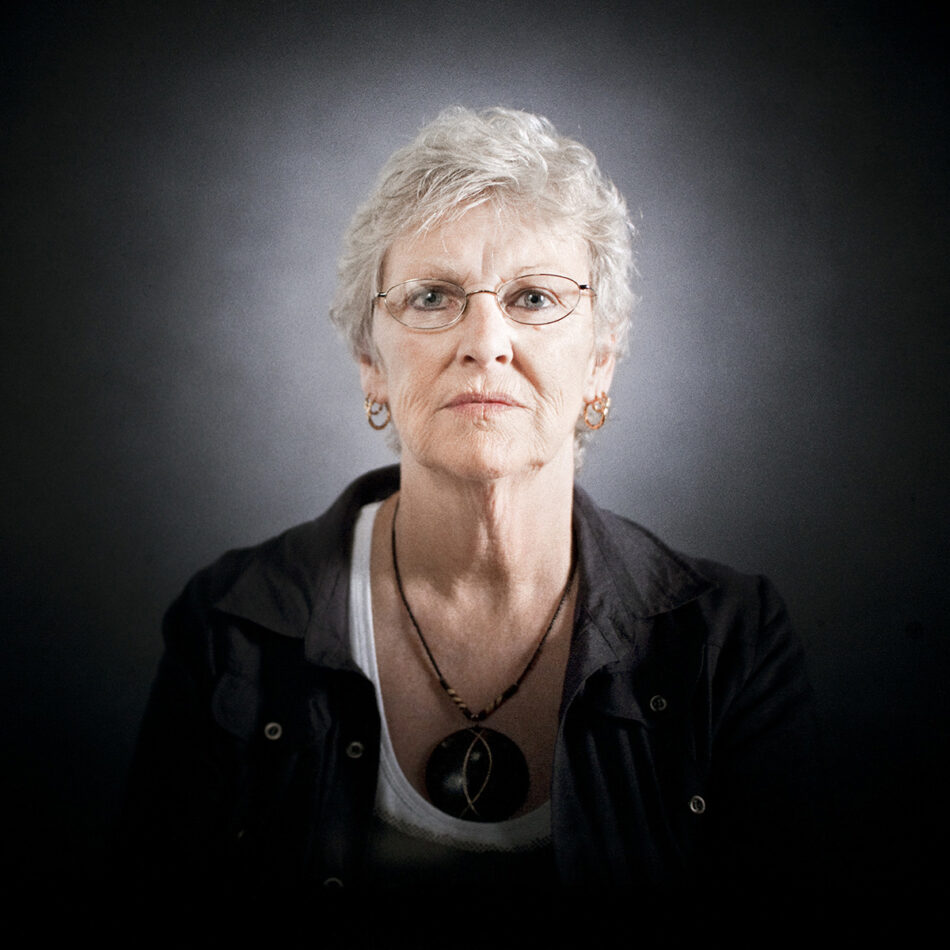
It was the 15th of January, 2002. I had a needlestick injury from one of my HIV patients. I’m a nurse, a retired nurse. Once I’d finished with …
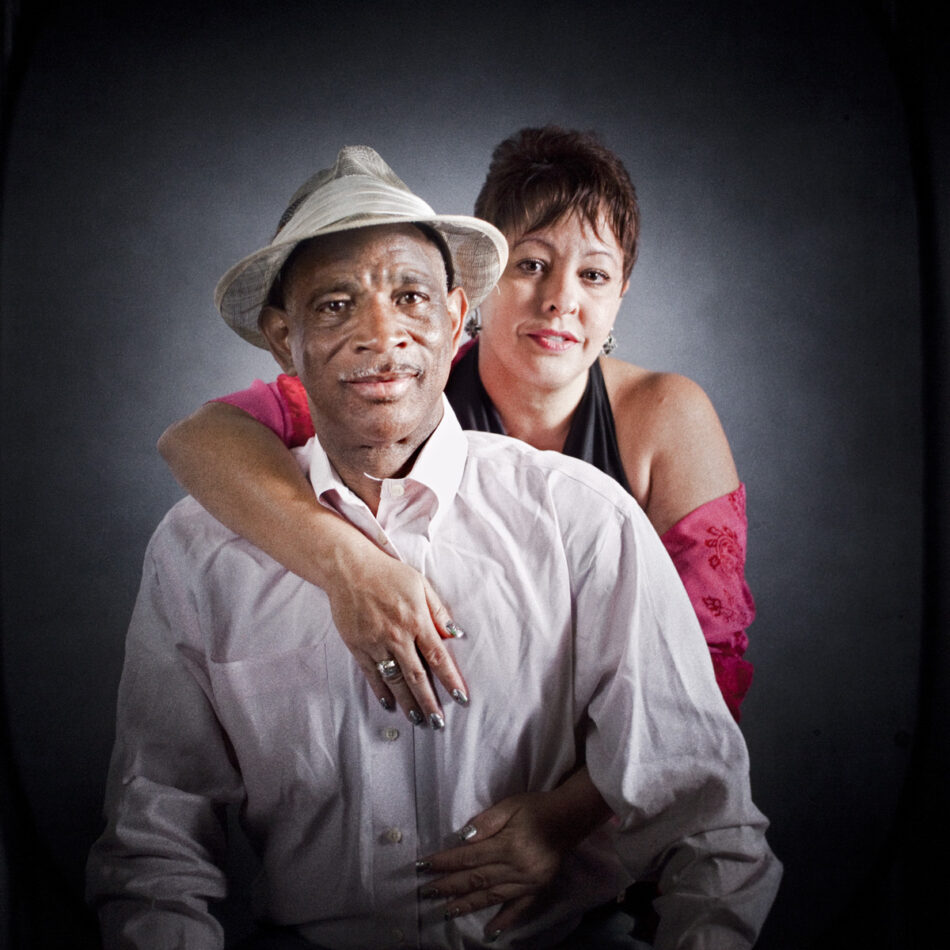
Ron: I found out my status when I was incarcerated, as a result of seeing a dentist. The dental hygienist dropped one of the tools and it pricked her …
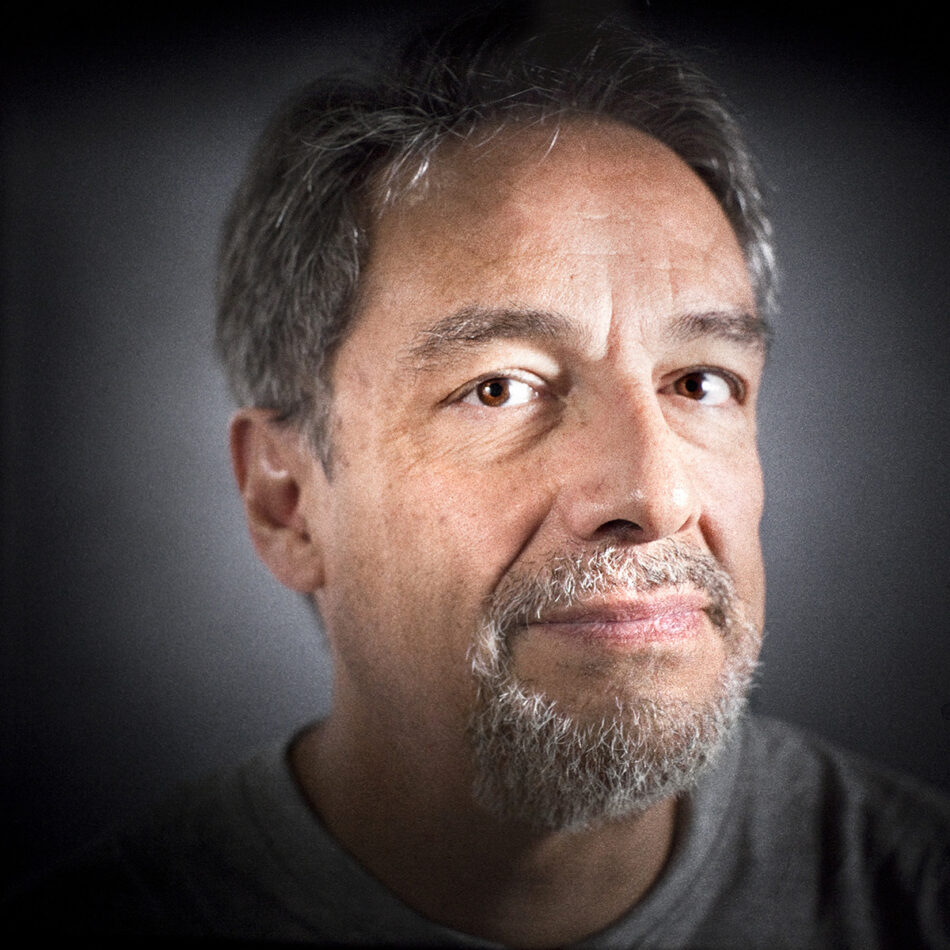
HIV has a– una connotación mala, negativa. Pero para mí, creo que HIV has given me everything. Everything. A new life. A change, a dramatic change in my life. In Spanish we say, …
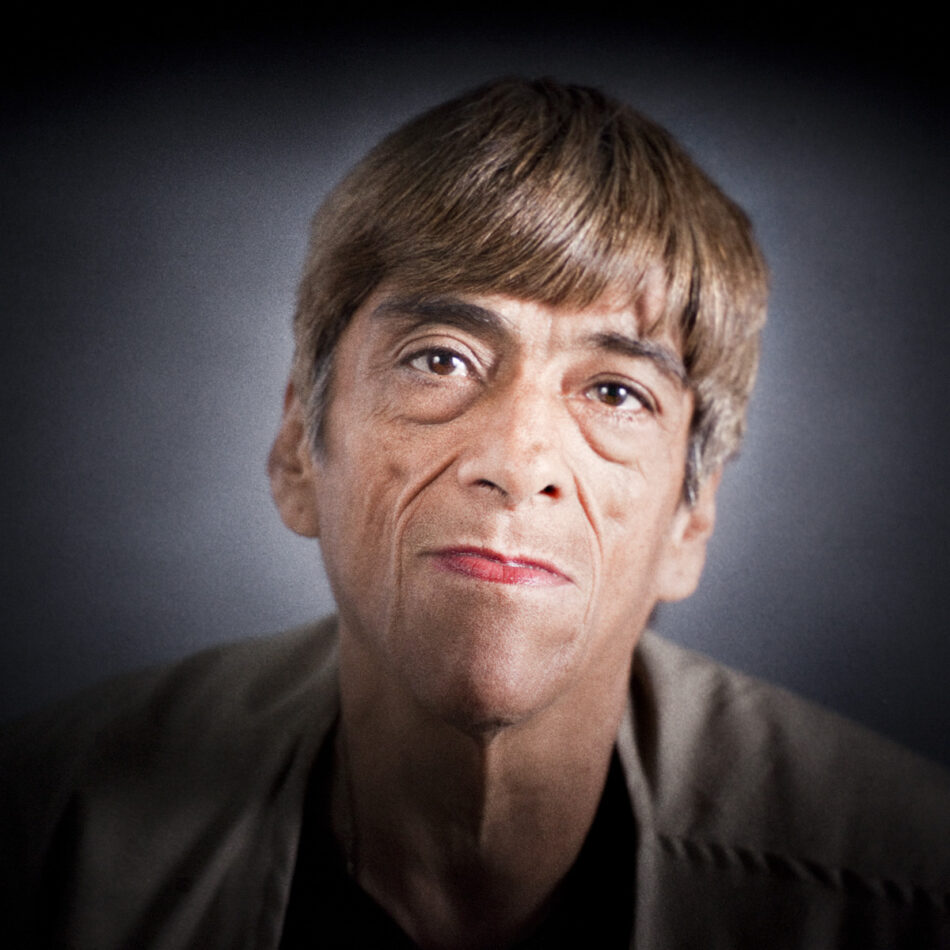
Me quité eso de que: “Porque Dios me castigó? Porque…?” De estar me martirizando, porque pensaba yo que Dios me había mandado ese castigo …
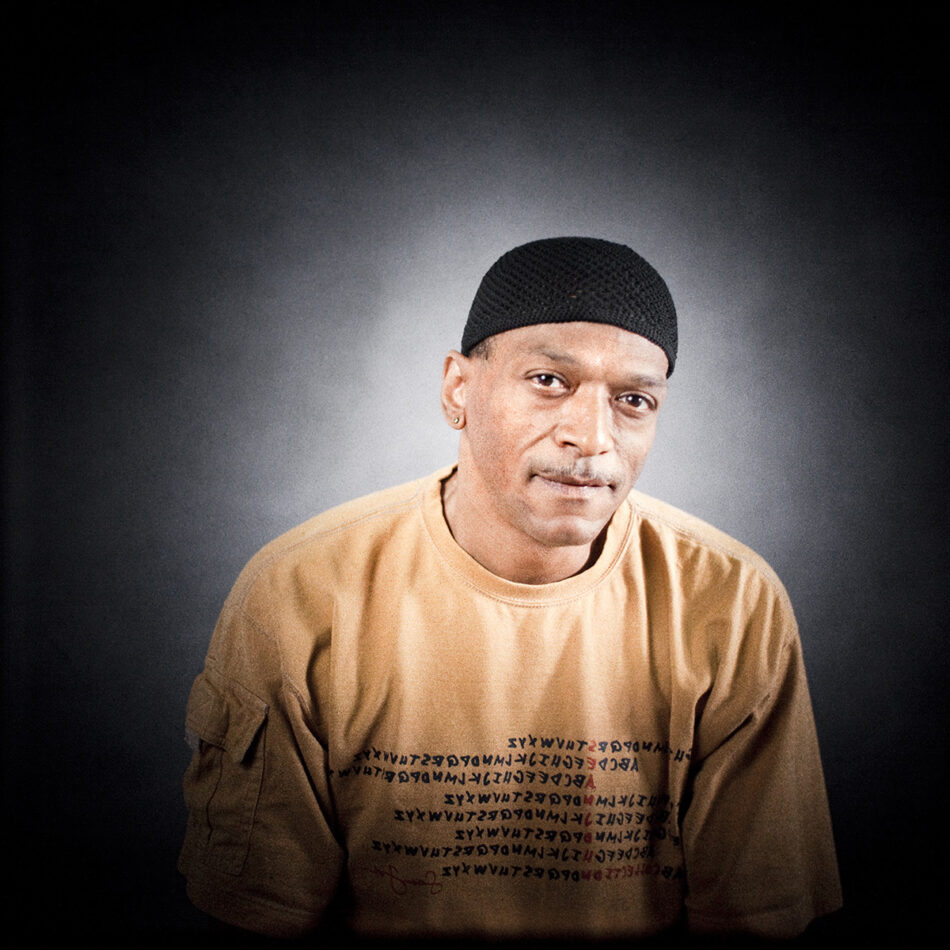
I’ve had cancer three times, I had stage four cancer. I’ve been through a lot. Every day is a bad day for me at some point or another. I got …
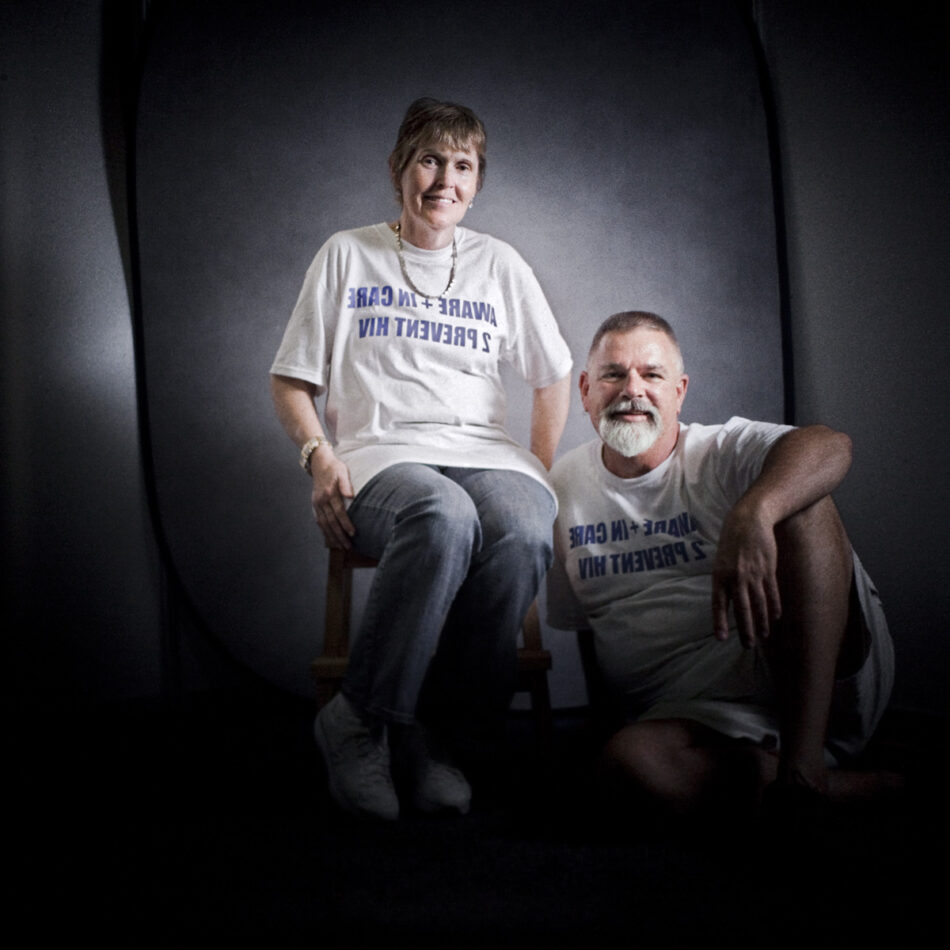
Ann: I kept it a secret for a decade that I was positive. It would have cost me my job in my state – we don’t have job protection. And the only way …
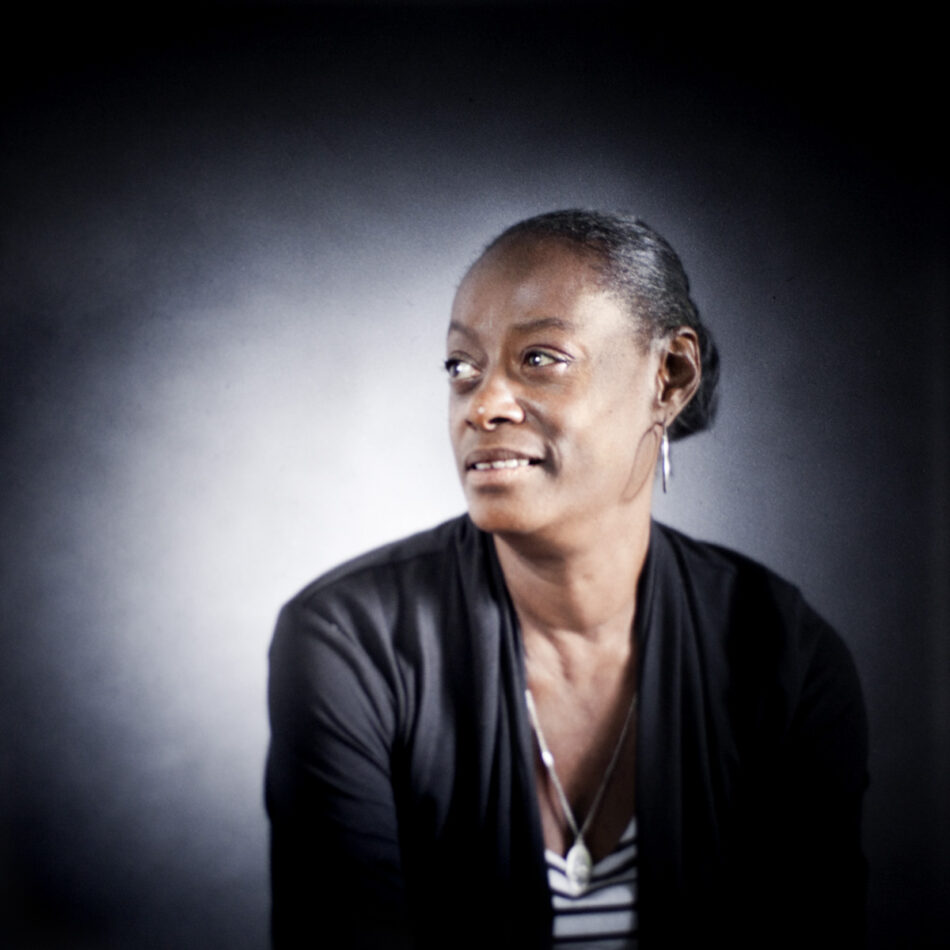
Getting old is a bitch. You go to bed feeling one way, and you wake up and it’s something else. Aging with HIV, you’re never really sure what it really is. And as a woman, I don’t know …
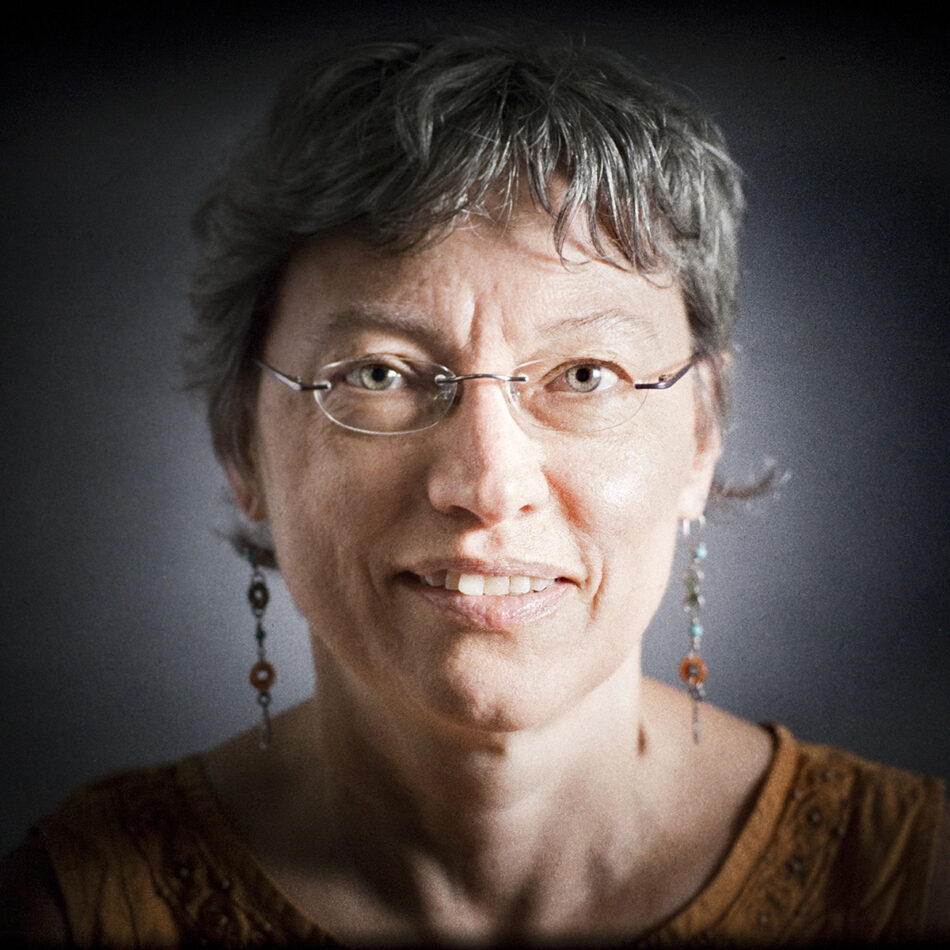
I thought I might want to have a baby and I was 43, and I knew I would have to get tested before I would do that. I am unmarried and I’ve never been married, so I was sexually active. …
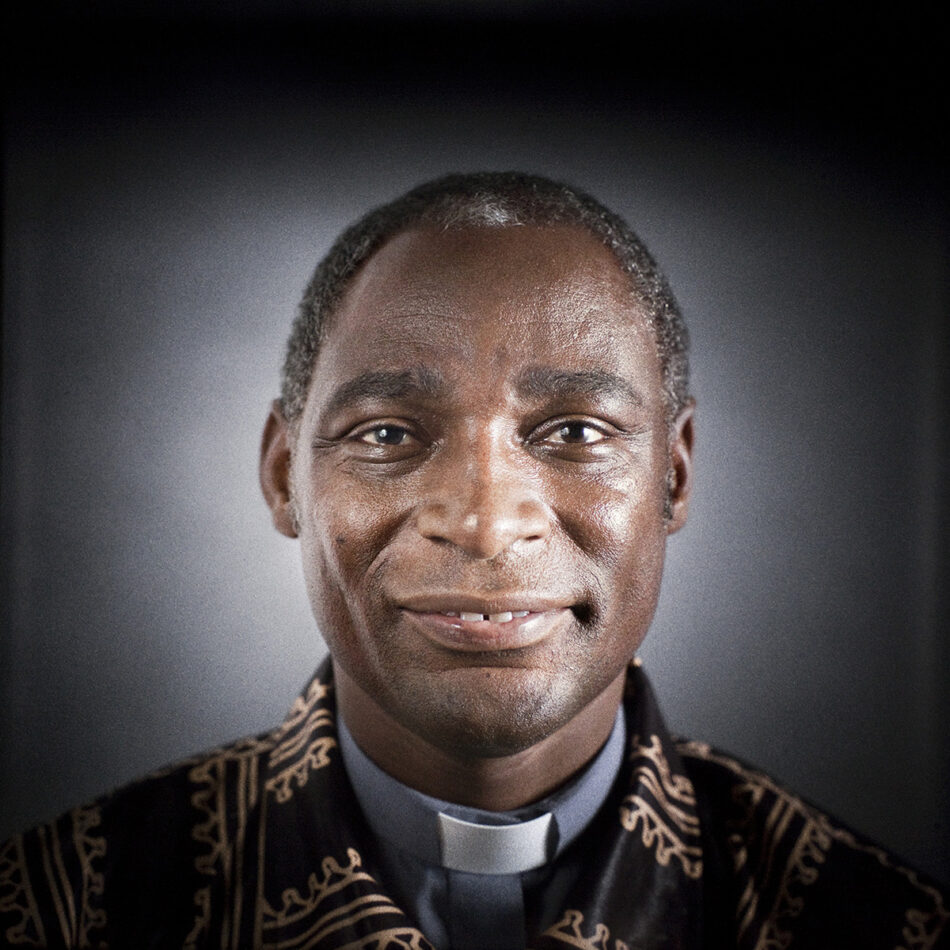
So the first question was: Are you going to keep quiet or are you going to tell someone? It took 20 minutes for me to disclose. When I was in the …
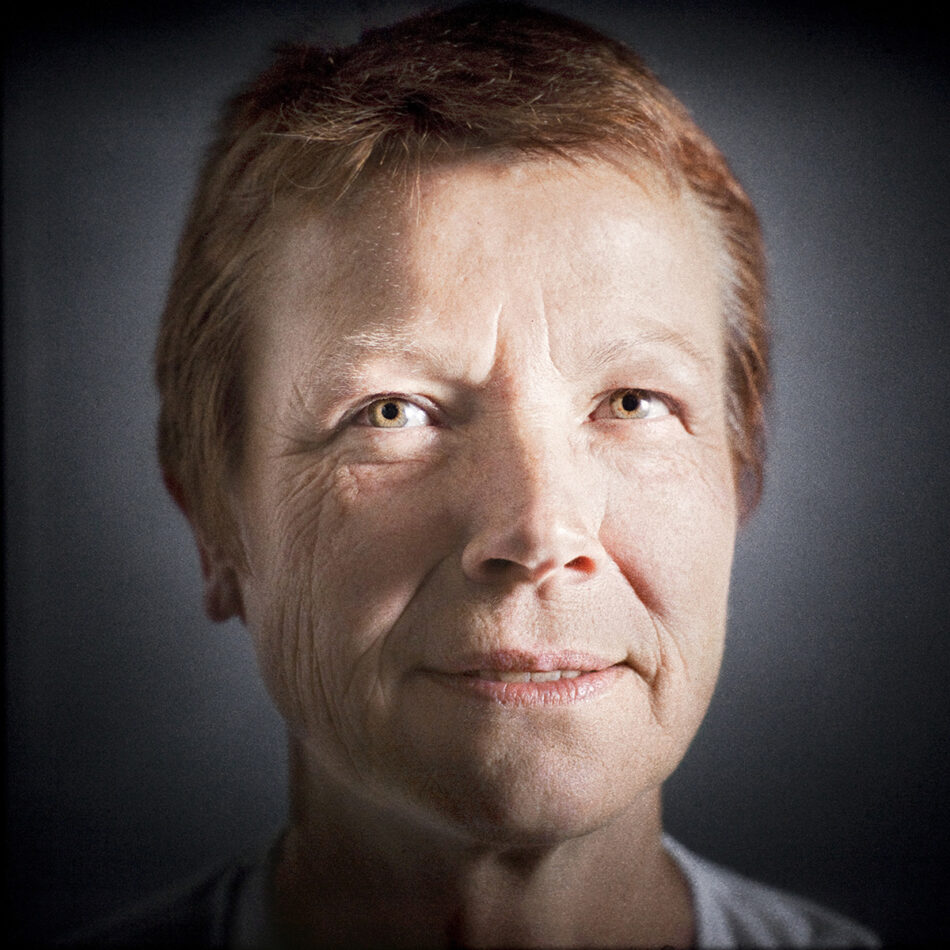
It’s still not the same. I mean, speaking for myself, I’d rather have HIV than some cancer, right? But for others it’s still, they can cope better when you say you have a cancer than this HIV …
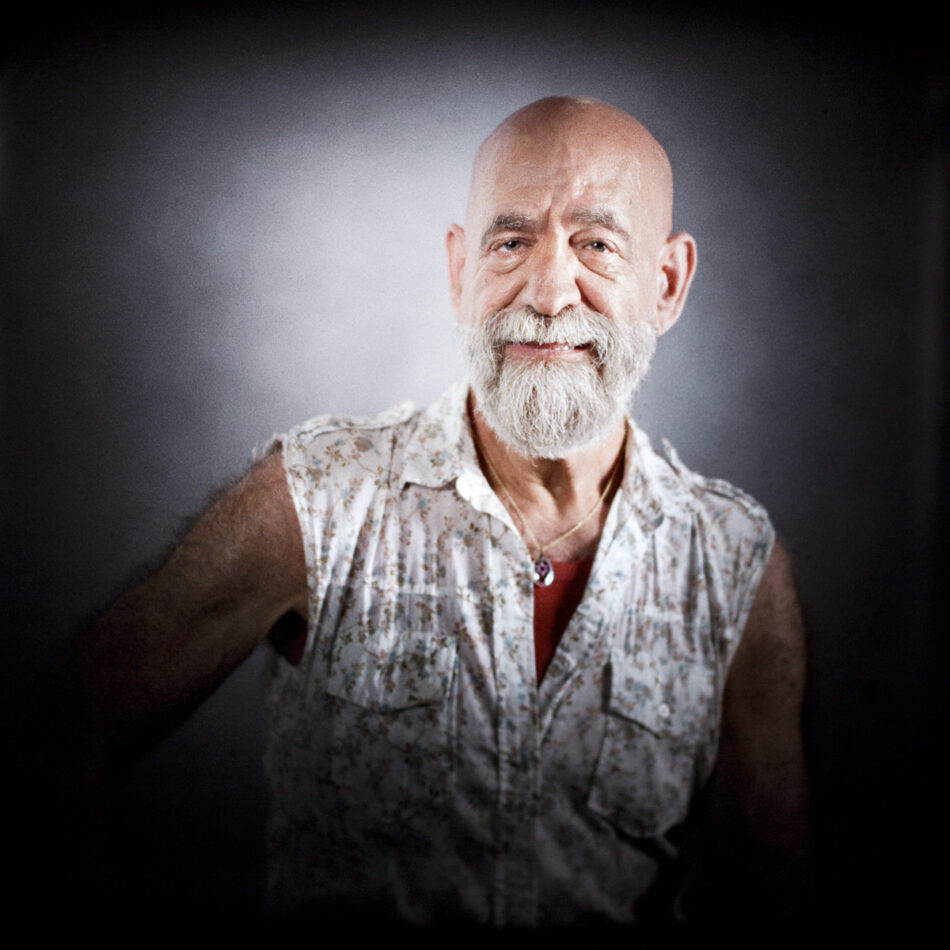
I learned how to ride a motorcycle, and to get my motorcycle license I had to bring my motorcycle back into New York, ‘cause the test was easier in New York than it was in Connecticut …
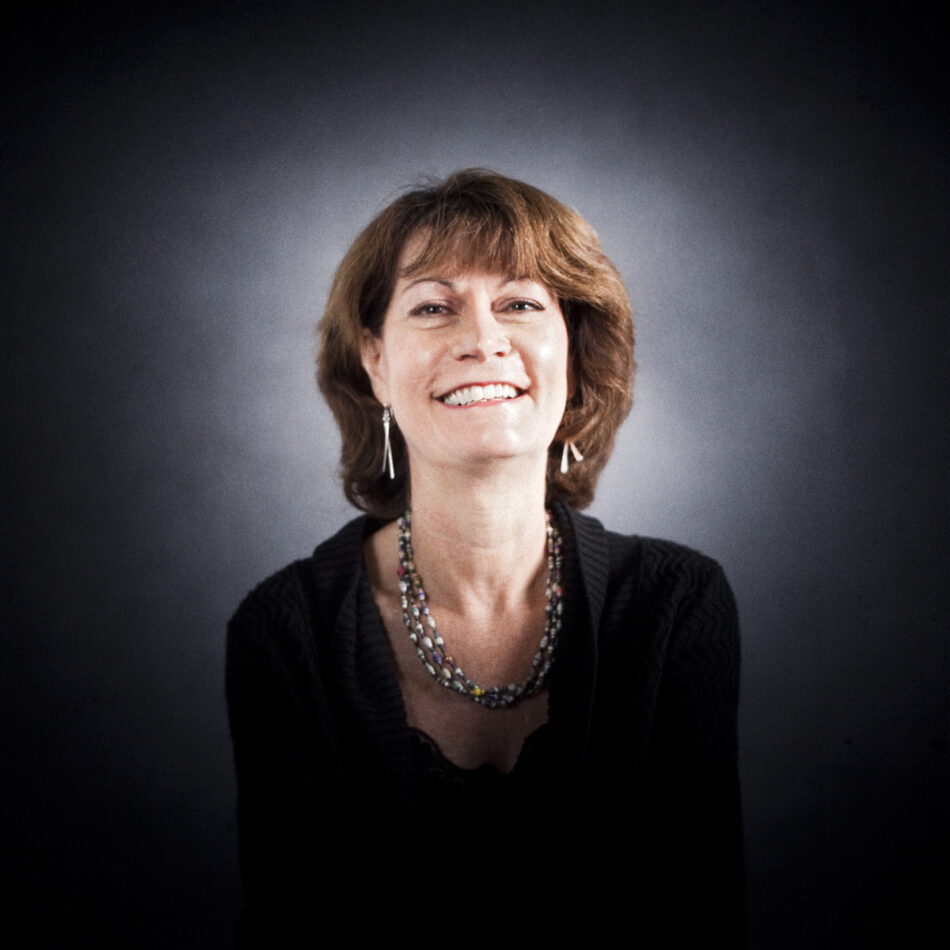
It has totally changed my life. Before, I was a free spirit and, you know, loved to date. I still like men and dating someone, but that’s not such a focus anymore.
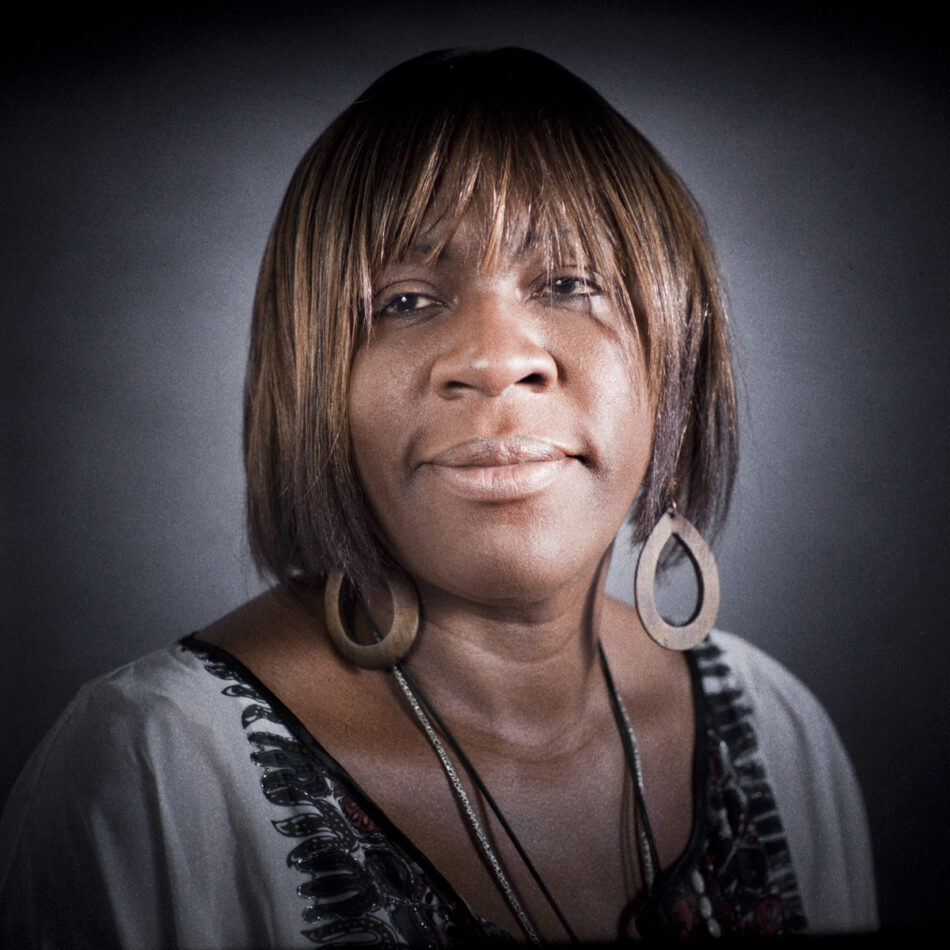
My mother was scared of me. I was cooking, and I cut myself – ‘cause I was always the cook in the family. And I rinsed my hand off, and she went to put a band-aid on, and I went like …
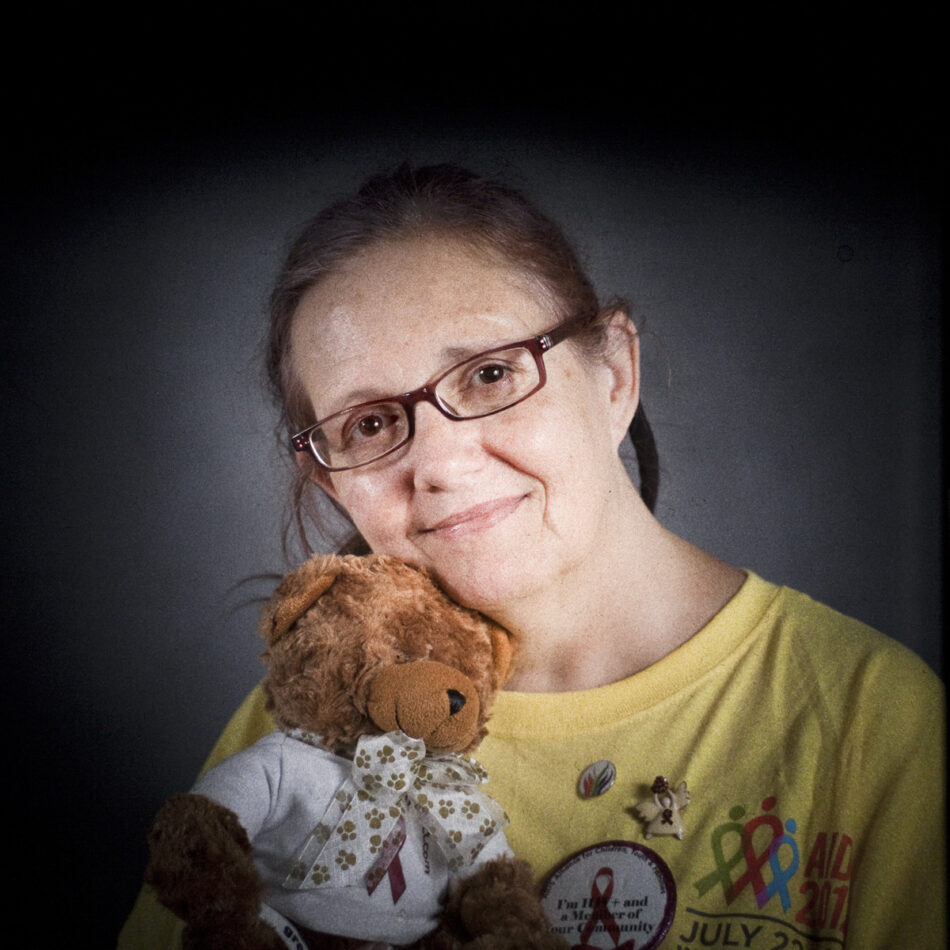
When you’re going through menopause, and you’re a seasoned woman, and you’ve been through three really serious relationships …
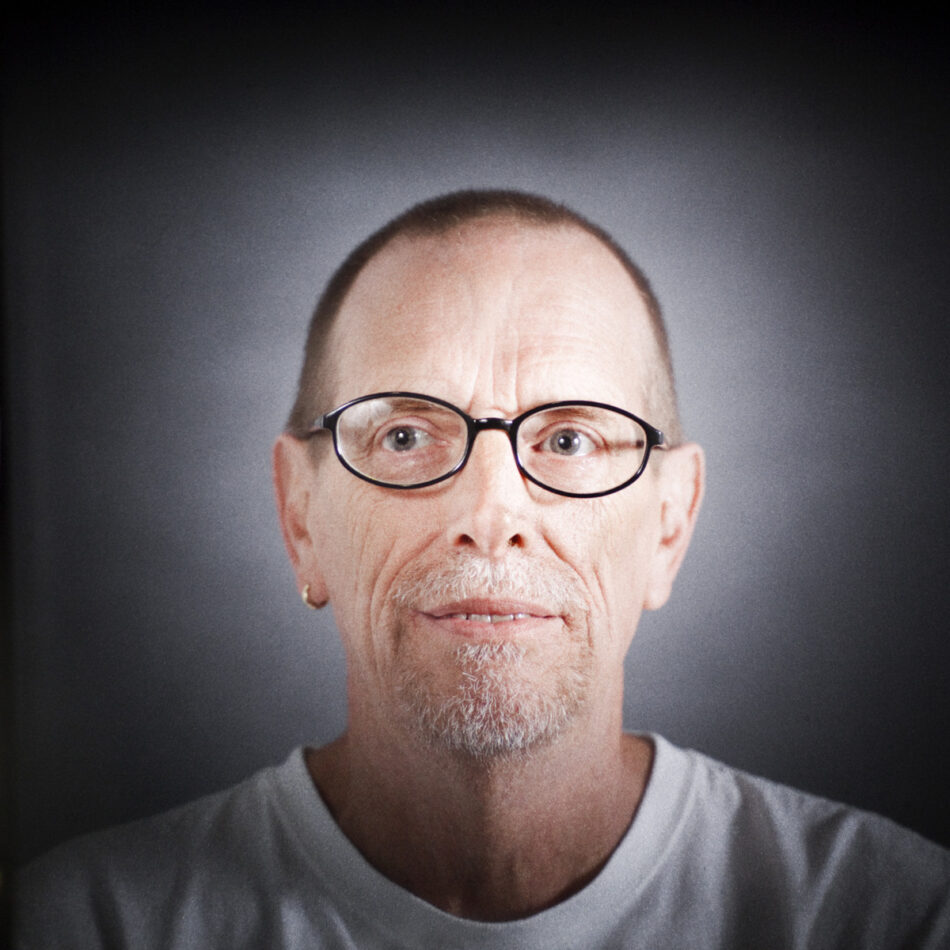
I would like to be able to tell what is AIDS, and what is aging. That would be really wonderful, if you could tell me which one was which. Doctors can’t tell ya. I had what the doctor …
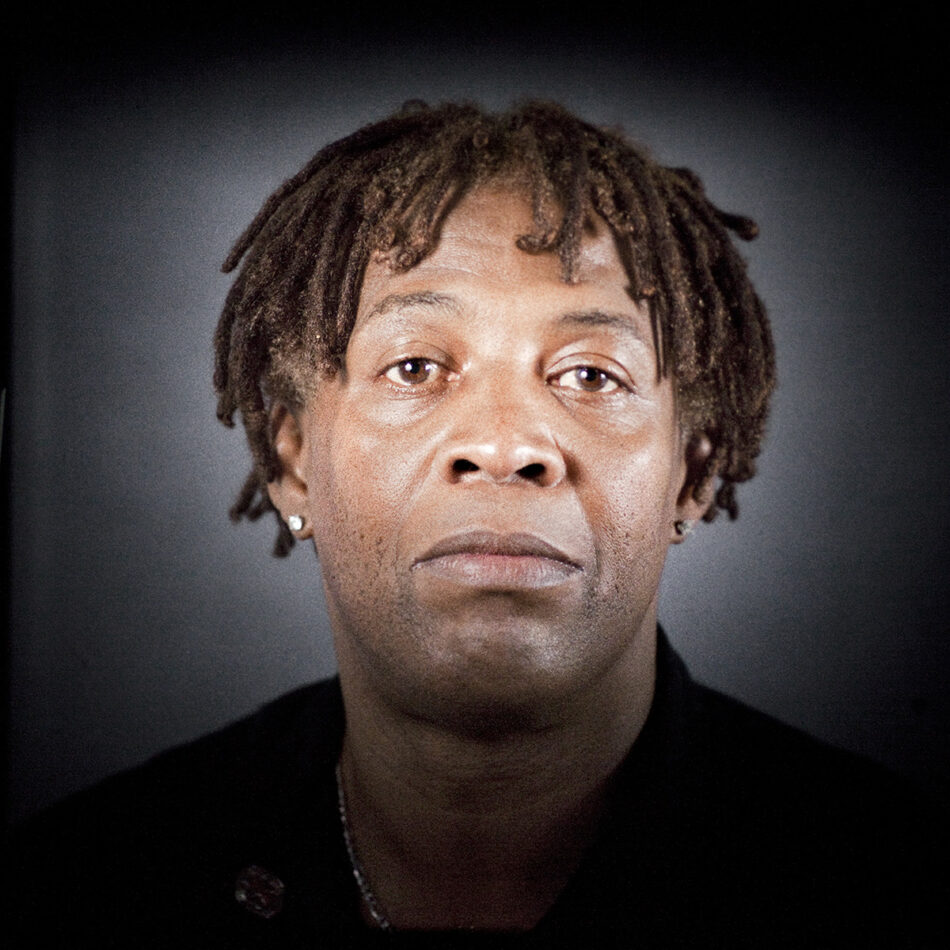
I sort of don’t have a person that I can say, “Just take care of me.” When I know I don’t feel well I stay home, I do more internal healing. Some days …
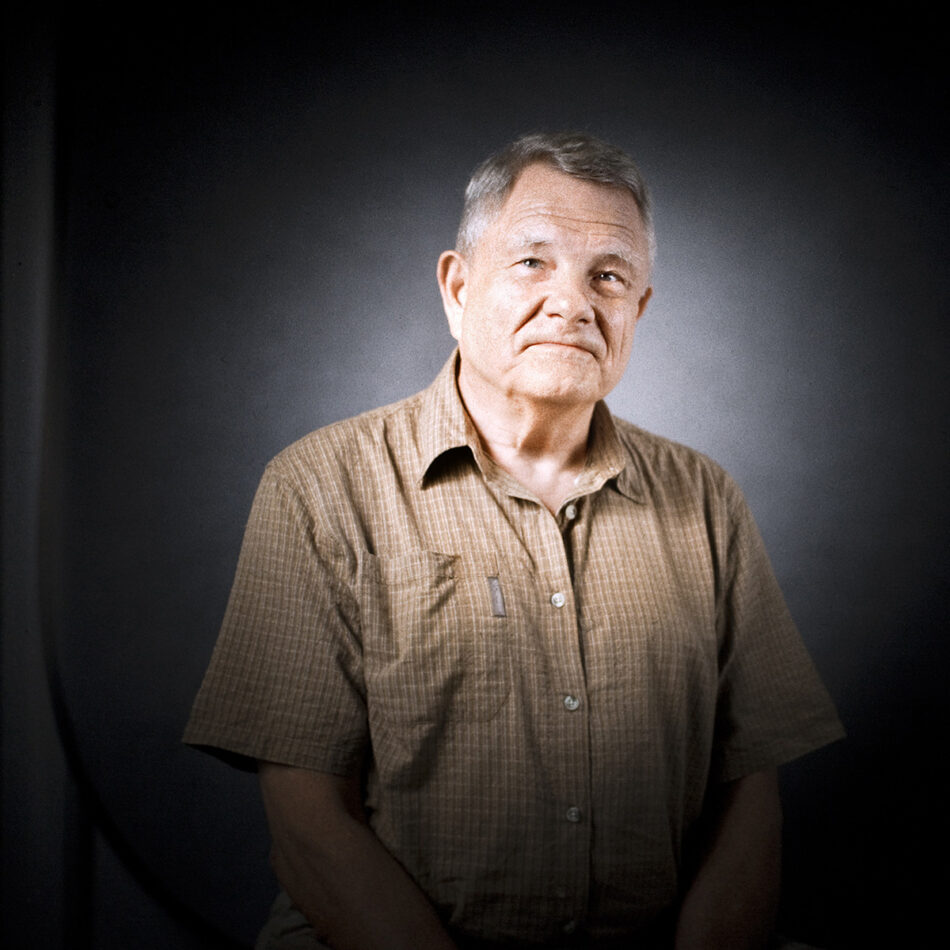
I became openly positive to many of my friends and my family first, and then as I became more comfortable, I started becoming more open to …
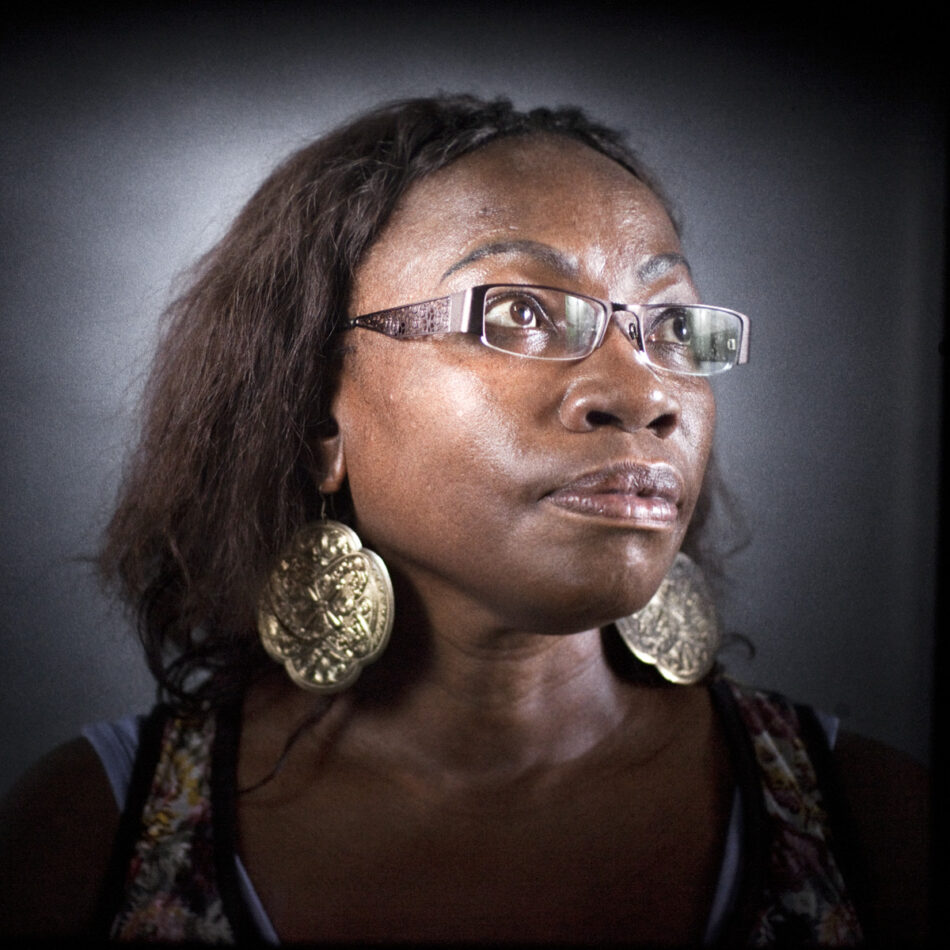
We women, we were really the leaders. Because we were the ones who were being blamed. But then it came to a situation where we said, …
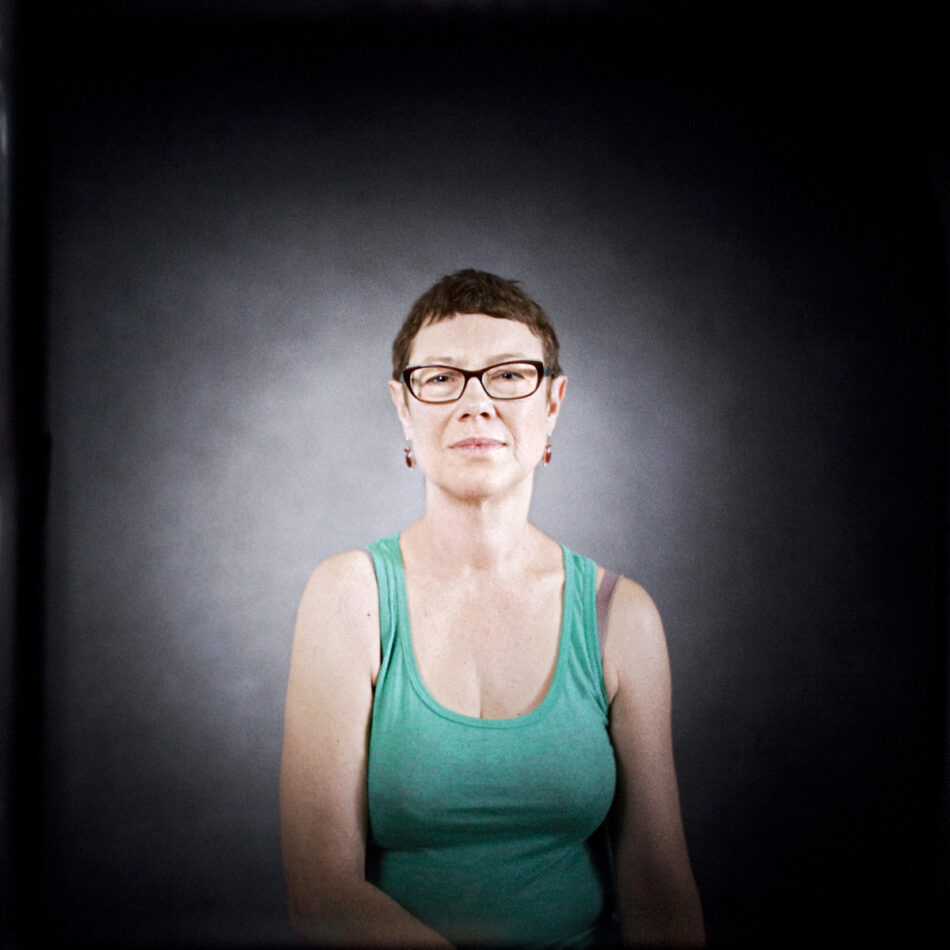
I decided to change the world. I went on that trajectory. For about a year or two I was very committed to making a difference. I was diagnosed in 1990. …
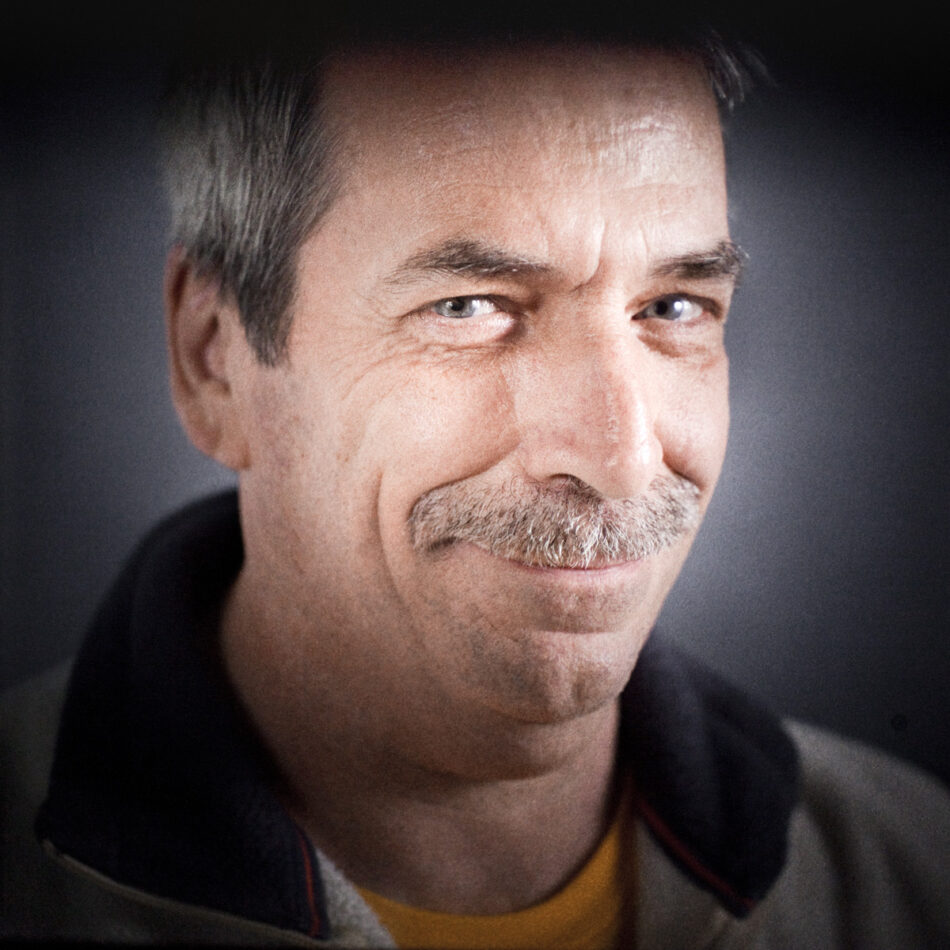
I believe some people are born with their glass half full, and some are born with their glass half empty, and mine is kinda full and brimming – more than full. So I would say that I have kind of…
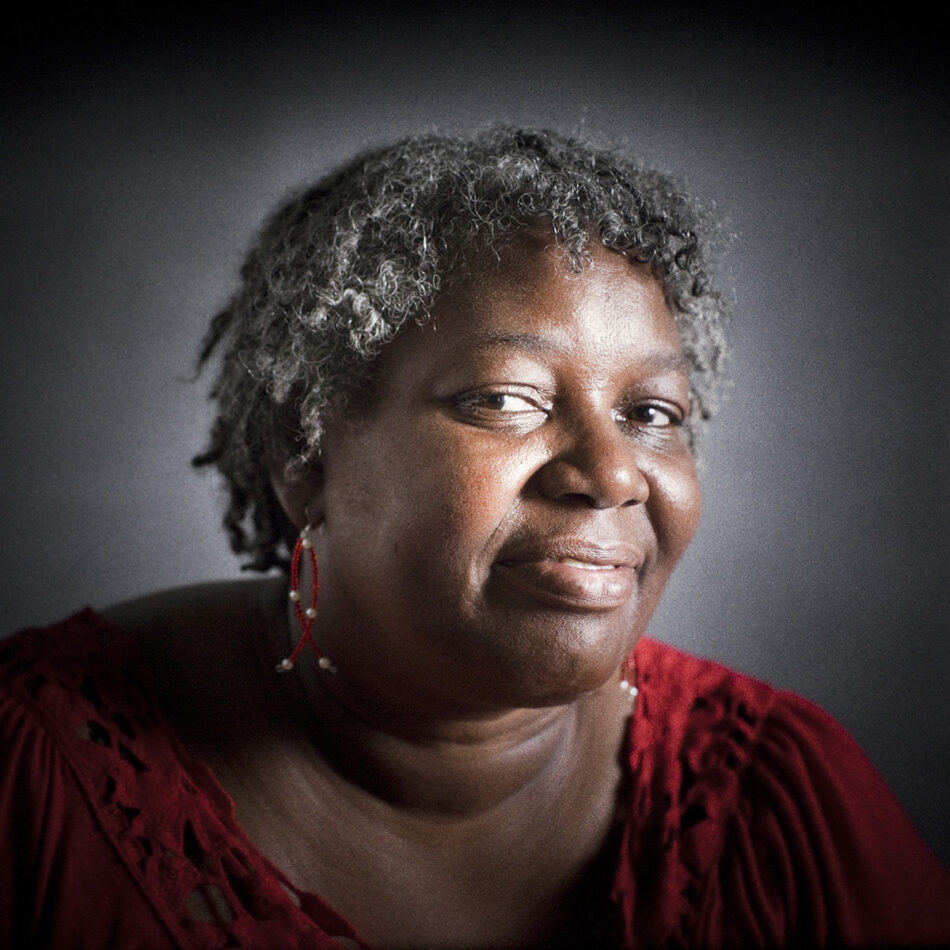
In 1985, I was incarcerated at the women’s correctional institution in Columbia, South Carolina. And during intake they take your blood and they run these tests, and then usually …
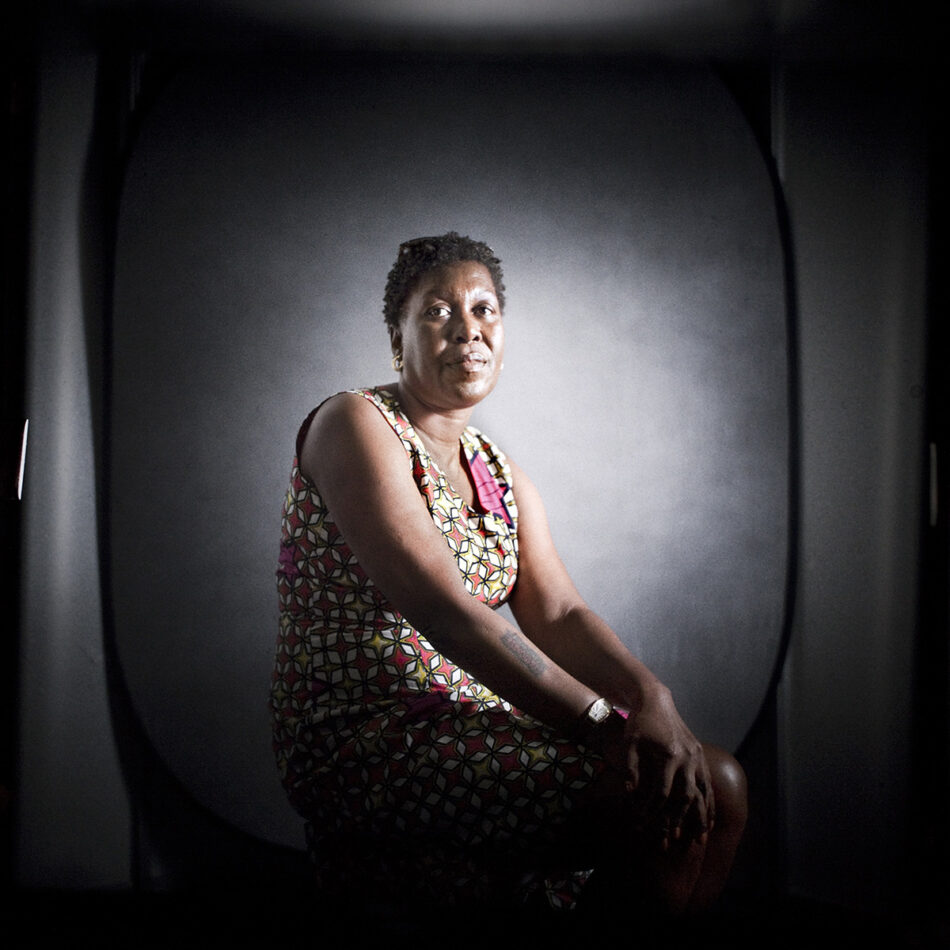
I found out about my HIV status 20 years ago, that was in 1990, I think. And, how I found out is when I had a cough, a persistent cough that didn’t go off. I was given medication for a …
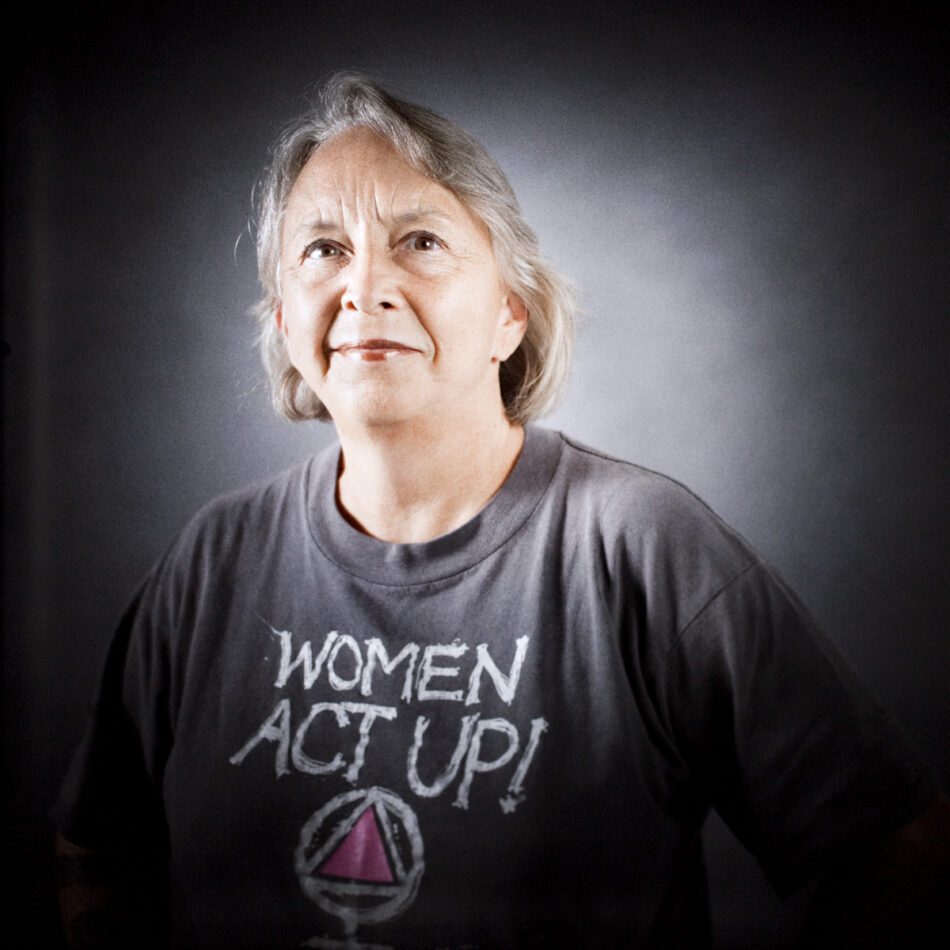
The doctor said, “You’ve tested positive for HIV, it must be wrong. Come in Monday, we’ll retest you.” I think, as a white woman in the suburbs in Cleveland, they didn’t …
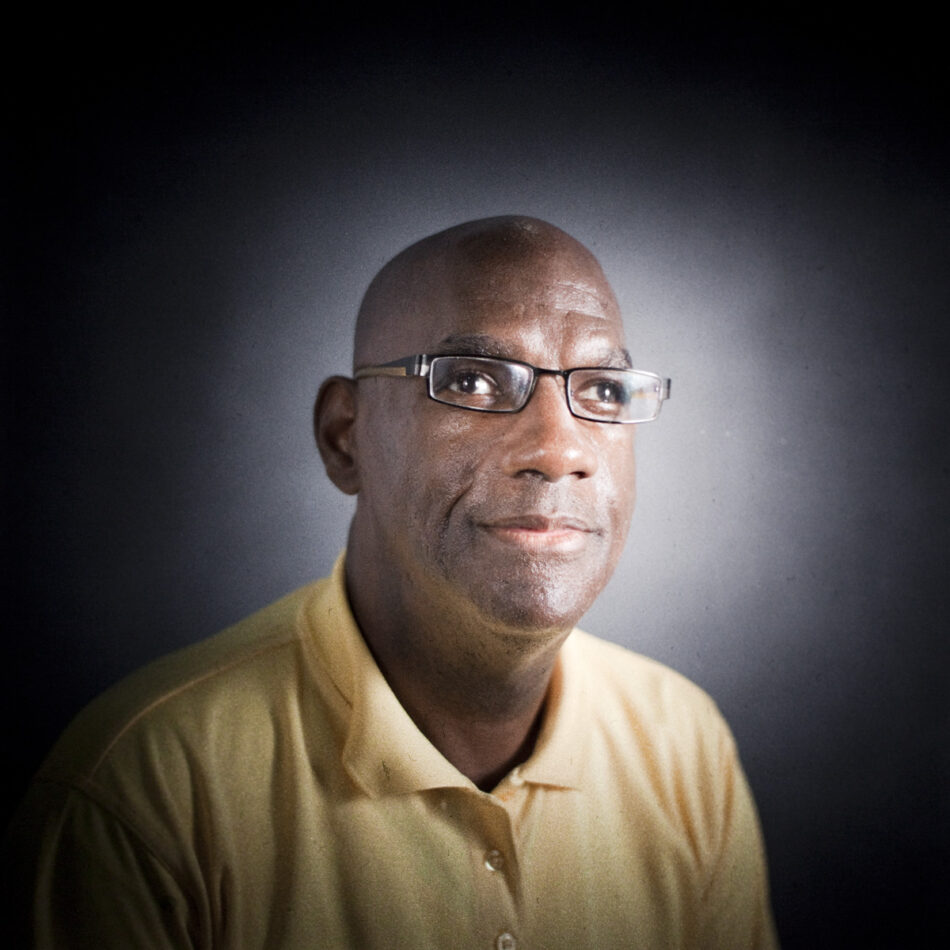
It’s not so much that I fear that I’ll die with HIV or AIDS, ‘cause I don’t think that’s gonna kill me anymore. But I think that some of the other co-occurring conditions are premature …
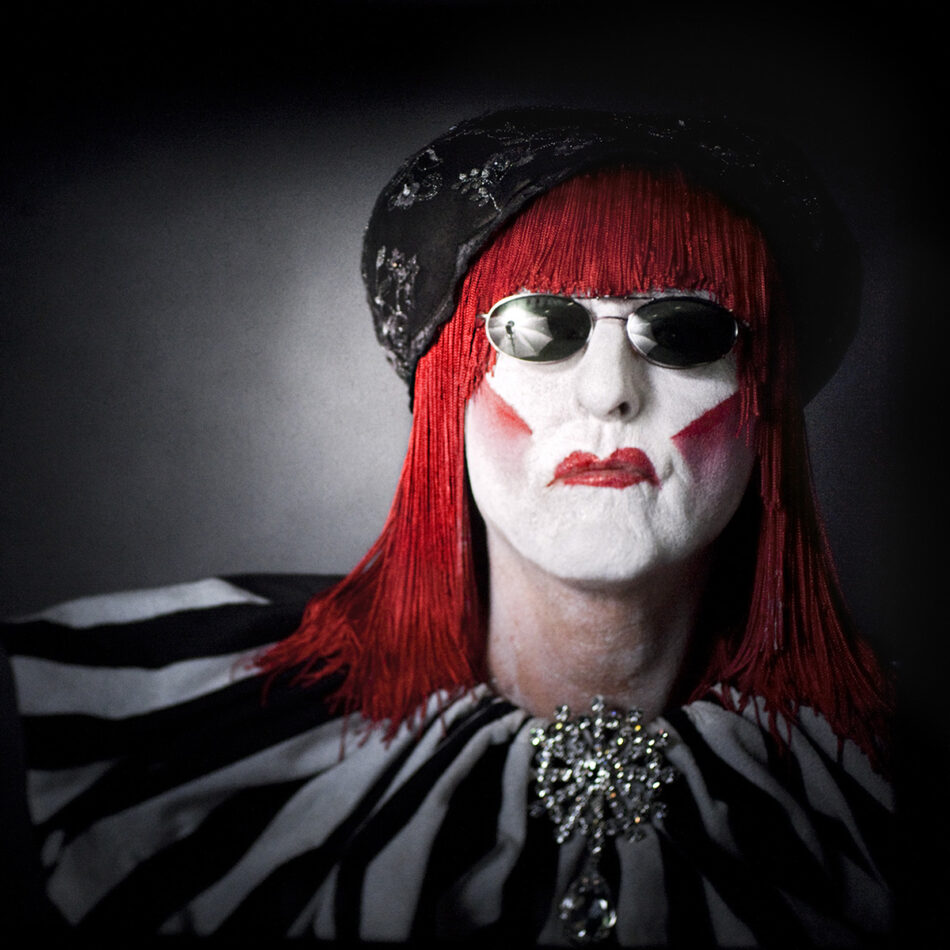
In San Francisco, it was the community that had to come up with creative ways to deal with all of this, and The Sisters of Perpetual …
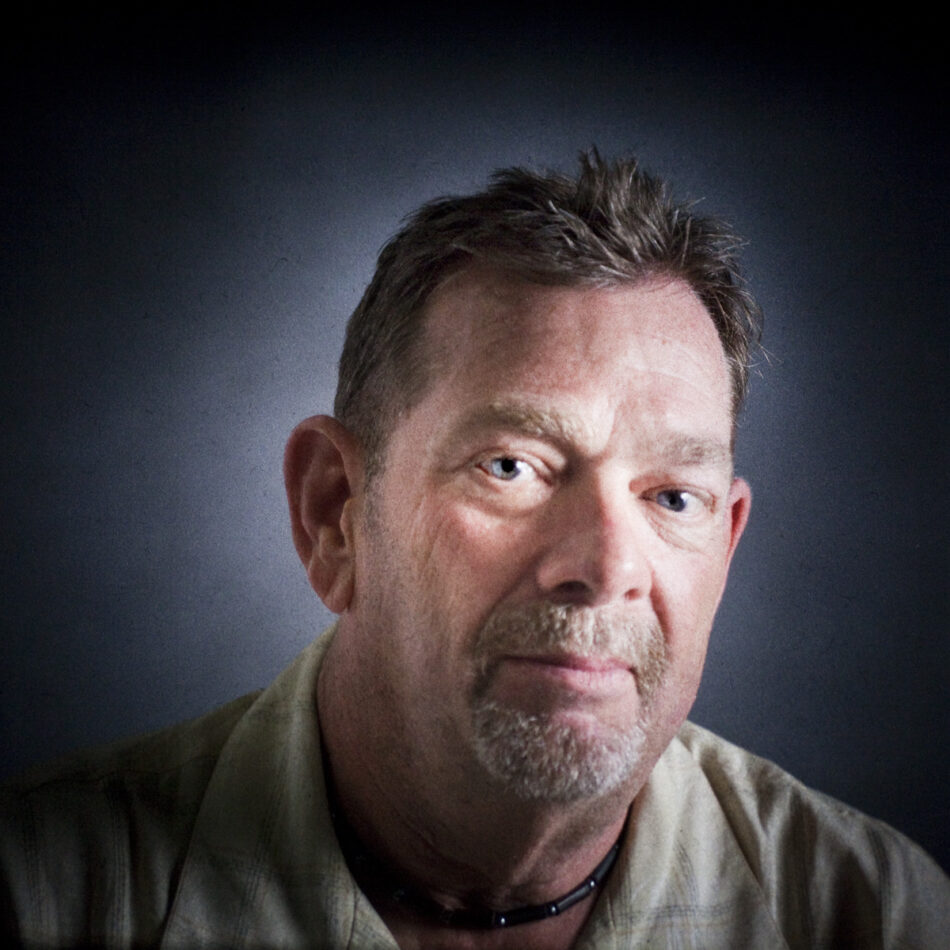
Back in the ‘80s when I found out I was positive, I was just hoping to get to see my son graduate from high school. Never in my wildest dreams were grandchildren a part of the …
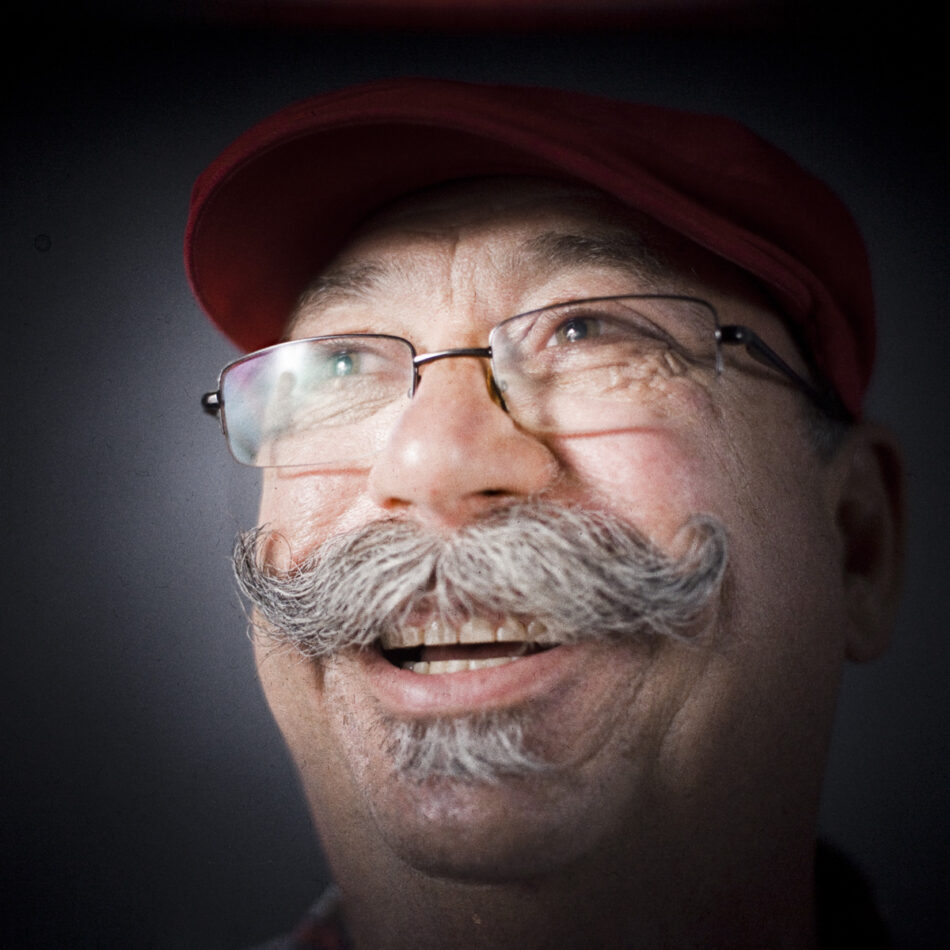
For me, I had to make that distinction between “Me the Caregiver” and “Me the Person.” I couldn’t see myself as the person in the bed, because if I saw myself as that person in the bed, …
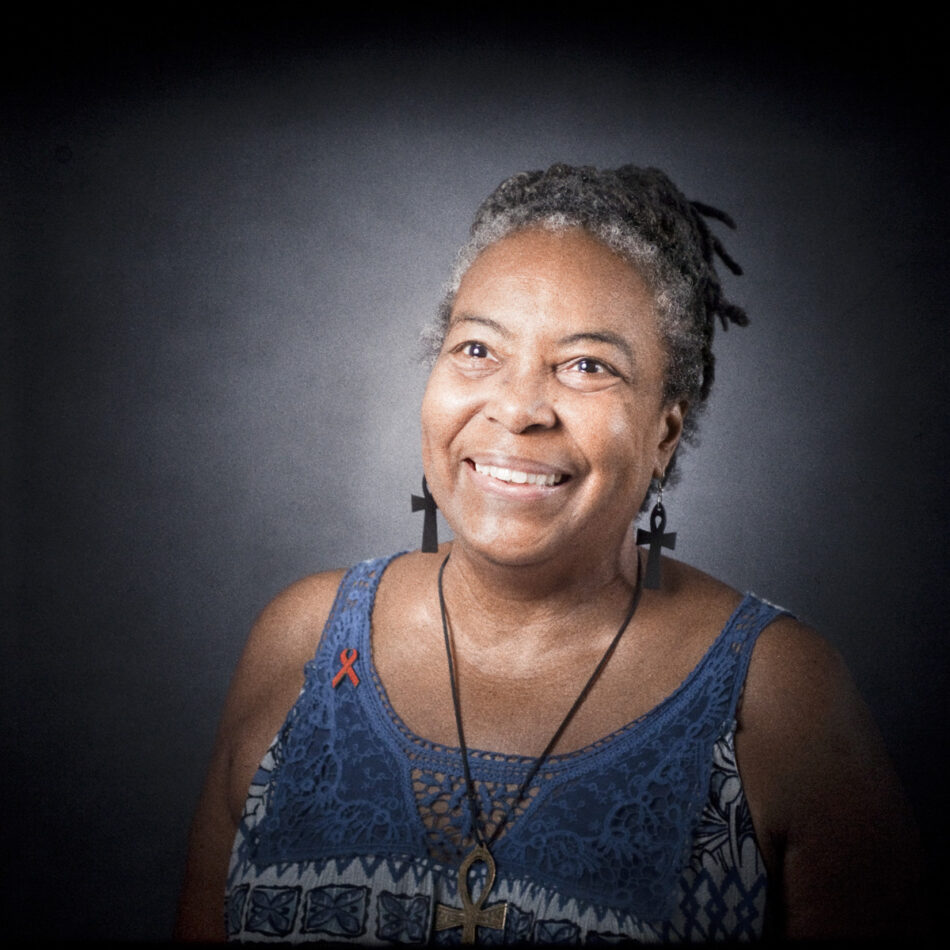
Initially, a lot of responses were: are you angry? You know, even my grandson expressed that he was mad. But I wasn’t. I had to accept my own responsibility. Listen, I could have ..
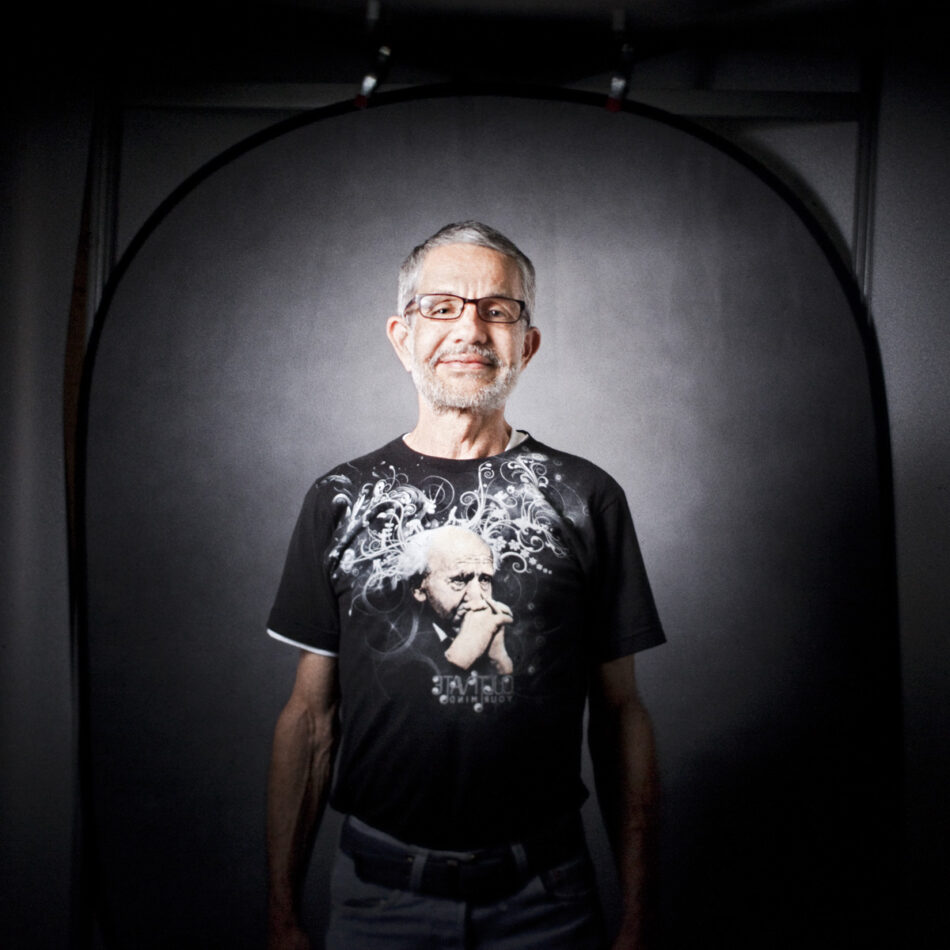
I think that we’re not a priority in the health system. They are thinking more in the young person. We are fighting for medicines, for treatment, we …
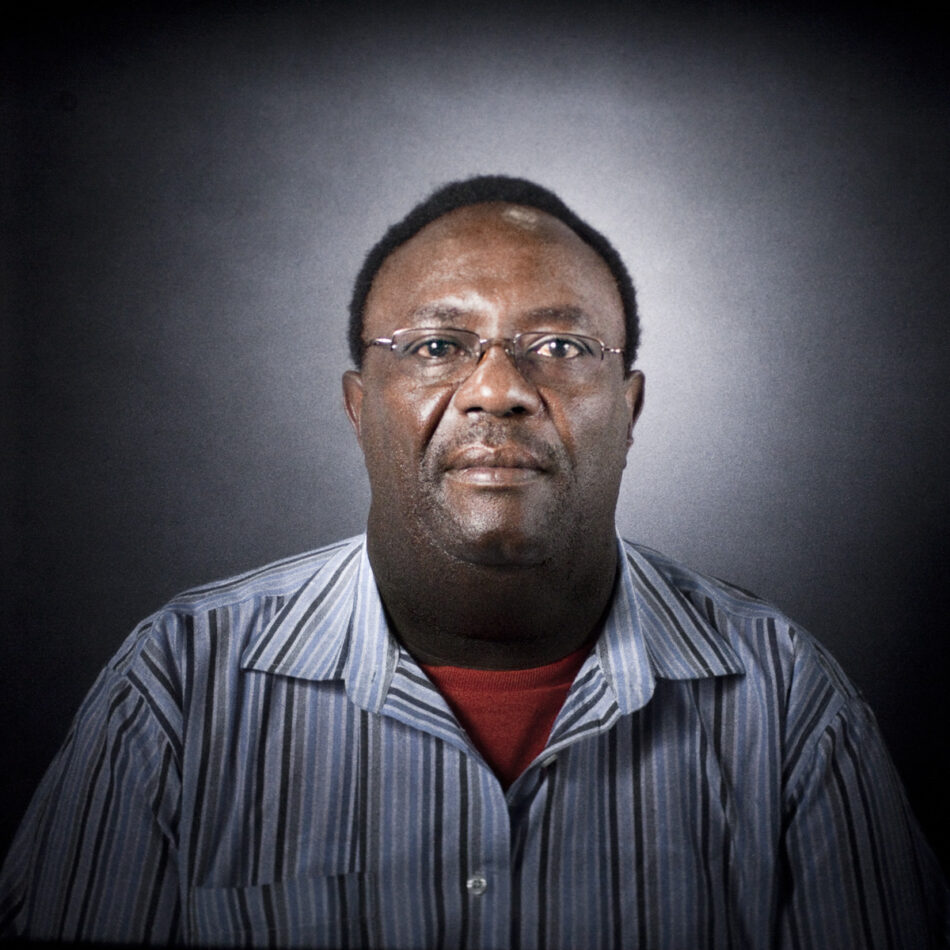
’m open about my status, so I do not care who I talk to when I am down. But I hardly go down because I rarely remember about HIV. It’s because I’ve internalized HIV in me, just the …
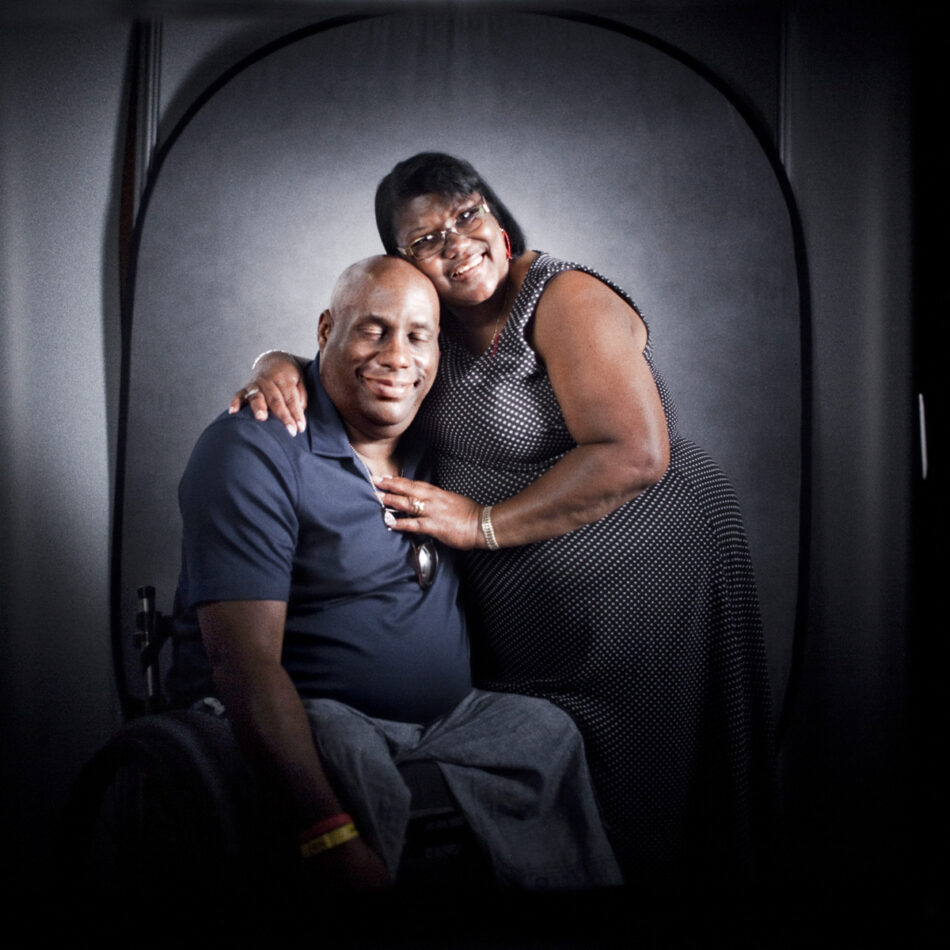
Ruth: Through my sobriety process I started feeling better about myself, started looking better, and I was like, okay, now let me address my HIV …
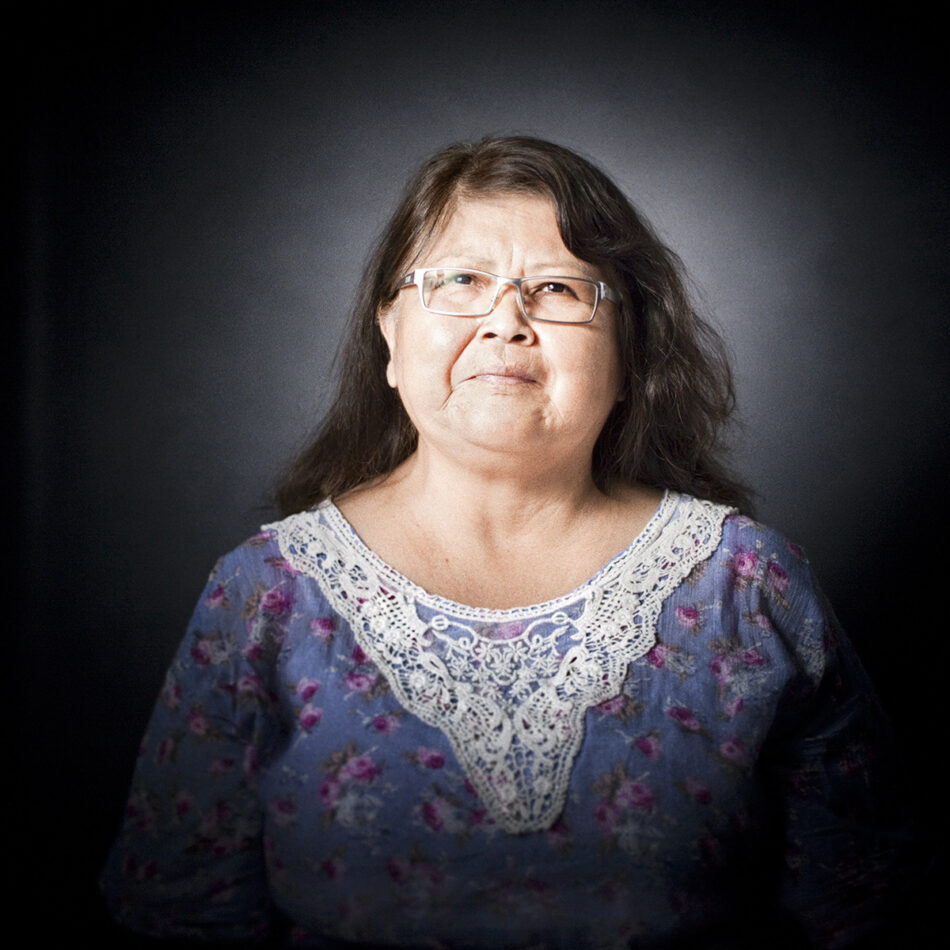
I’ve been doing a lot of healing through my culture and traditions…It actually came by accident, when I started attending the Canadian …
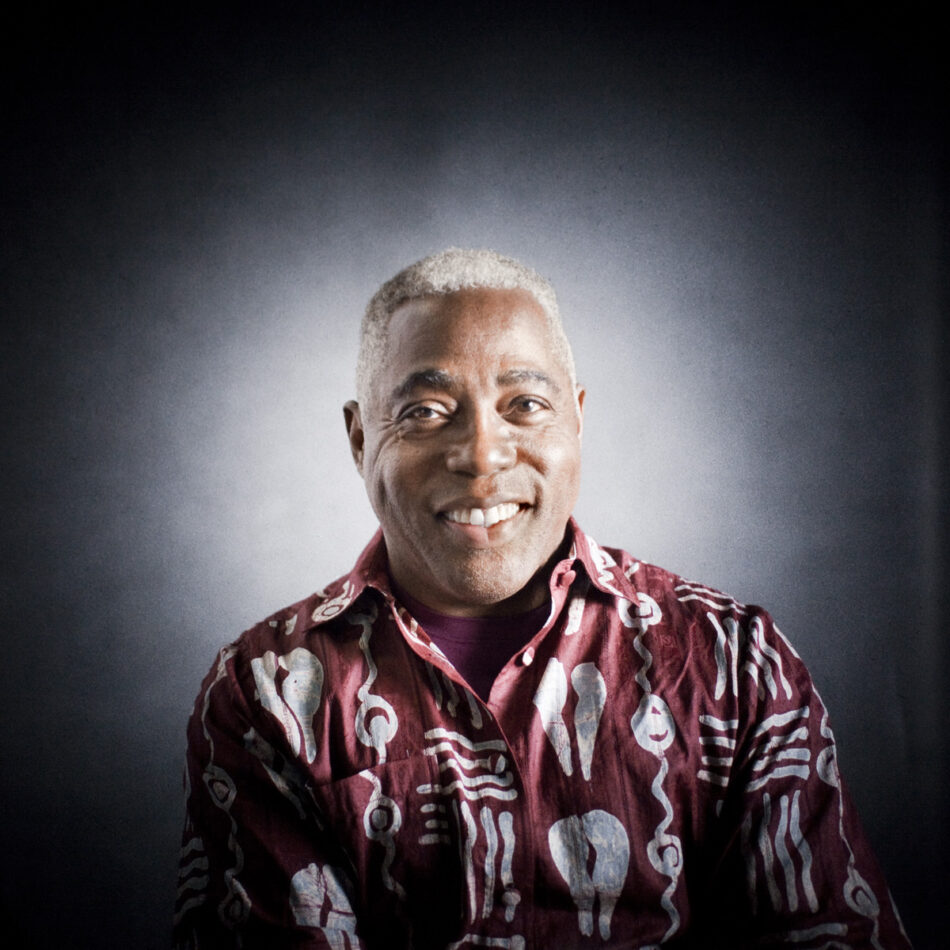
When I first discovered I was HIV, I started to reflect on my “formative years” as I call them, and they were so fantastic that I said, “You know …